The Resilient Shield of Seoul: A Gateway Beyond Time
Walking through the heart of Seoul often feels like navigating a high-speed digital landscape. However, as you approach the intersection between the modern skyscrapers and the bustling stalls of Namdaemun Market, a sudden architectural silence takes over. This is Sungnyemun Gate, the southern threshold of the city and a physical manifestation of Korean resilience. For international travelers searching for a Seoul Royal Guard Changing Ceremony that offers both historical depth and cinematic scale, this location is a critical strategic point in any 2026 itinerary.
Why This Ritual Defines the Modern Seoul Identity
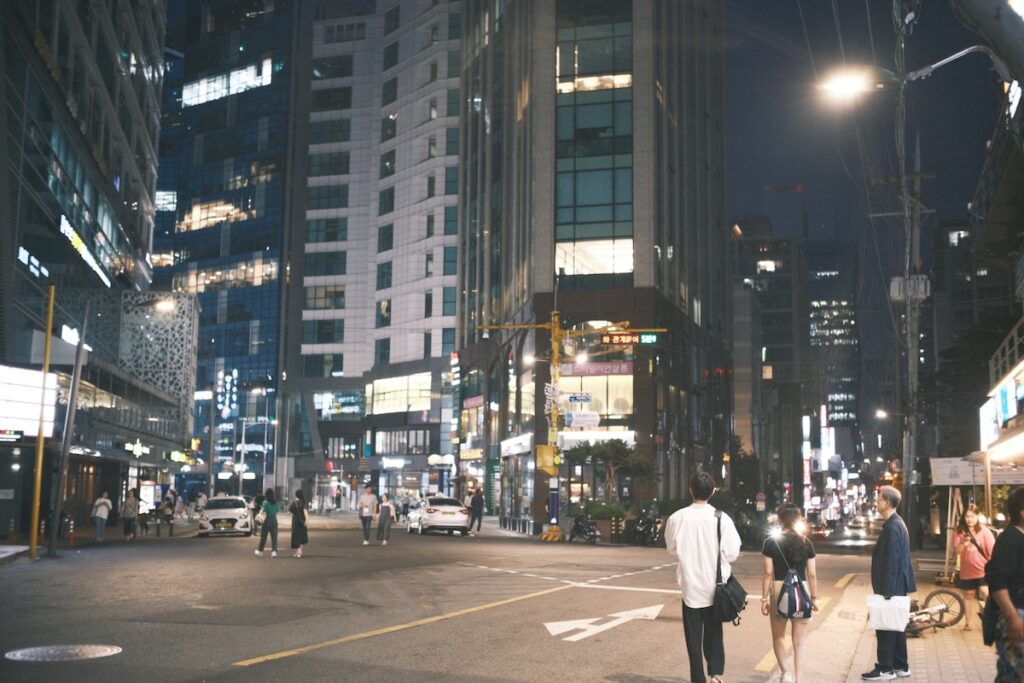
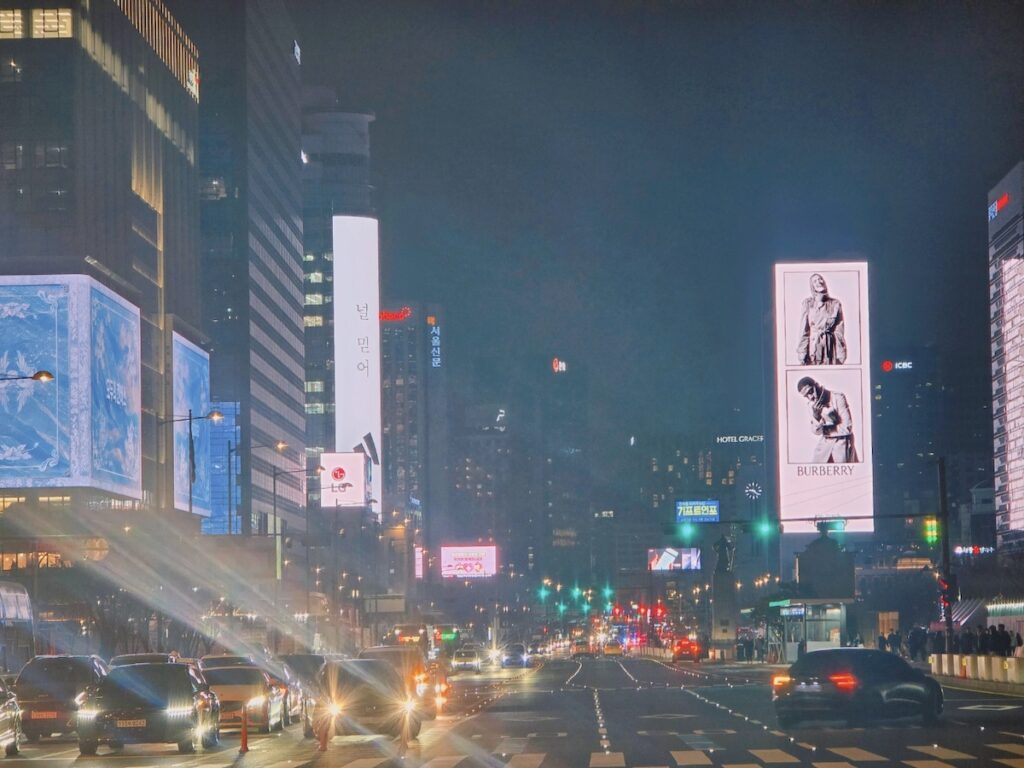
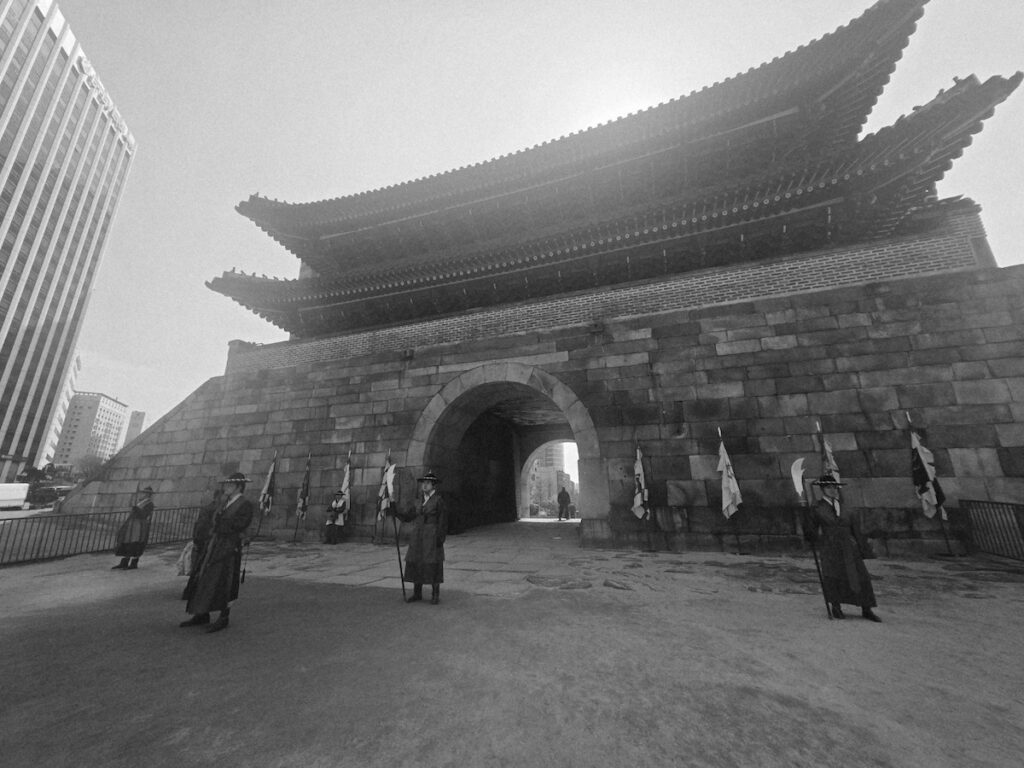
While many tourists flock to Gyeongbokgung Palace, the Sungnyemun Gate Pasu Ritual offers a more intimate and gritty connection to the city’s pulse. This gate, established in 1398, has survived centuries of transformation, including a devastating fire in 2008 that shook the nation. Today, the sight of guardians in vibrant crimson robes standing against the backdrop of glass corporate towers and luxury hotel buildings creates a visual contrast that defines the Cinematic Seoul experience. It is not just a performance; it is a tactical preservation of dignity in one of the most expensive real estate districts in Asia.
Strategic Location for Premium Travelers
For those staying at high-end accommodations like Courtyard by Marriott Seoul Namdaemun or searching for a Namdaemun Market Walking Tour, the gate serves as a natural starting point. Whether you are looking to Compare Prices of local crafts or seeking a quiet moment before a busy day of meetings, the rhythmic precision of the guards provides a sense of grounding. This guide will outline the 2026 tactical schedule and the cultural significance that makes this ceremony a high-value target for cultural enthusiasts and professional photographers alike.
Phase 1: The Gateway of Respect—600 Years of Resilience
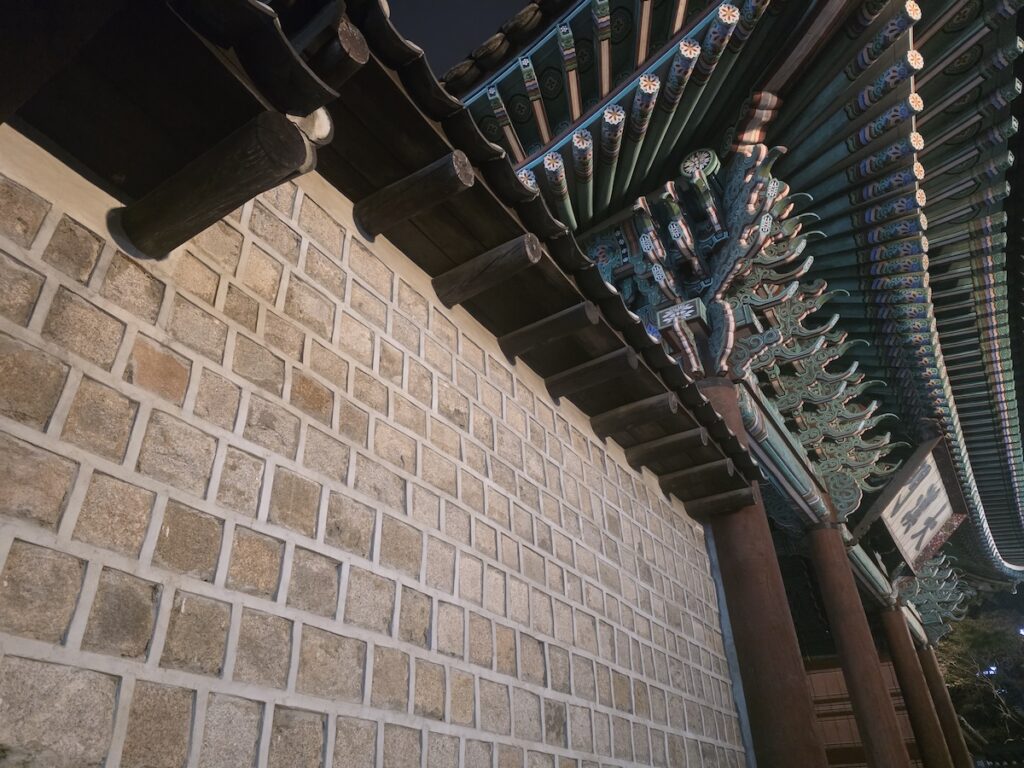
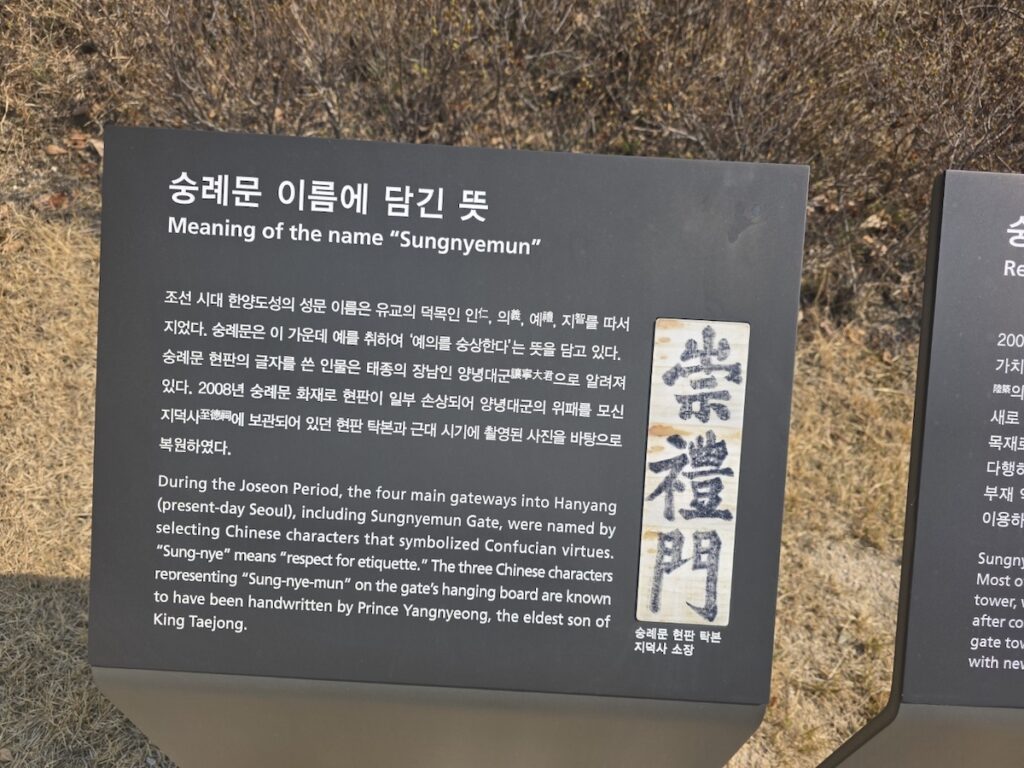
To the international community, this structure is often referred to as Namdaemun (South Great Gate), but to the core of the Korean people, its true identity is Sungnyemun (The Gate of Exalted Ceremonies). Established in 1398 as the primary southern entrance to the walled city of the Joseon Dynasty, it was designed to represent the Confucian virtue of respect. This architectural shield has stood as a silent witness to the city’s transformation from a royal capital to a global financial hub. Today, the Seoul Royal Guard Changing Ceremony held at this very threshold serves as a living bridge between these two eras.
The 2008 Trauma and the Phoenix of 2026
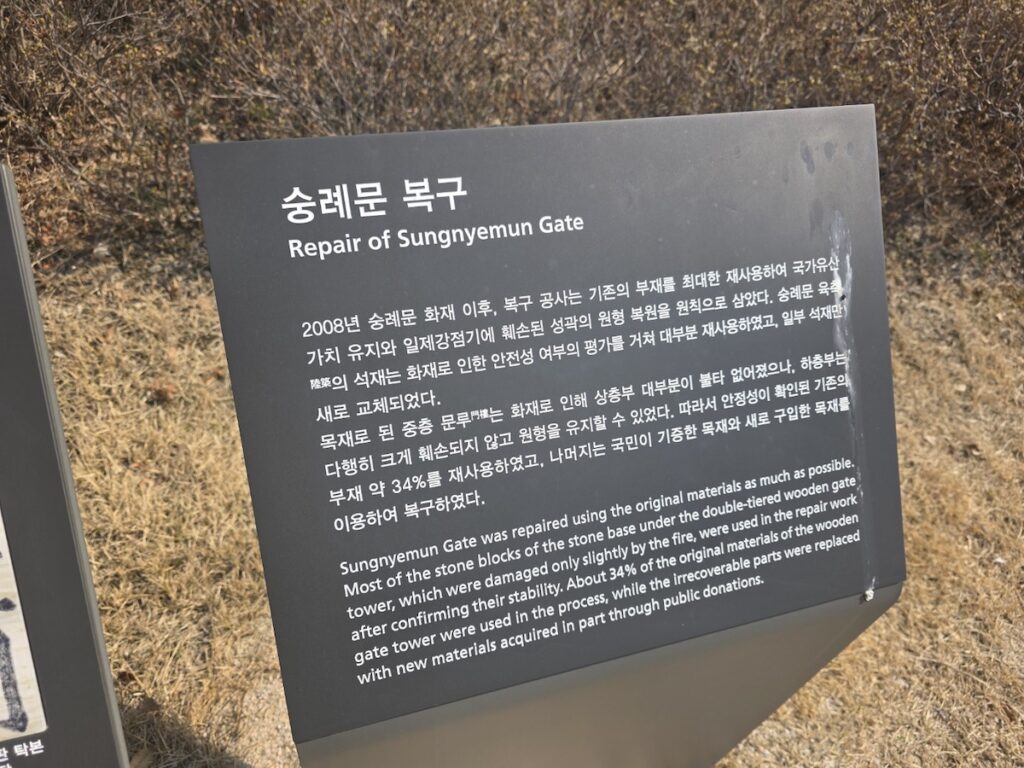
The historical weight of Sungnyemun Gate was profoundly felt during the systemic shock of the 2008 arson attack. For the citizens of Seoul, watching the timber of National Treasure No. 1 collapse was a collective trauma. However, the subsequent 5-year restoration process was treated as a sacred ritual in itself. Master artisans were commissioned to carve every beam by hand, ensuring the gate would rise exactly as it had for six centuries. In 2026, the gate stands not just as a reconstructed monument, but as a symbol of a nation that refused to let its history turn to ash.
Strategic Context for the Modern Traveler
For those planning a Namdaemun Market Walking Tour, the presence of the gate offers a moment of stoic calm amidst the urban rush. The transition from the chaotic energy of modern commerce into the shadow of this massive stone arch is a cinematic experience unique to Seoul. As you walk toward the gate from your hotel or corporate office, the sight of the traditional guardians reminds you that Seoul’s power lies in its ability to bridge the abyss between the 14th and 21st centuries. Understanding this historical resilience is the first step in appreciating the full tactical scale of the ceremony.
Phase 2: Tactical 2026 Protocol of the Sungnyemun Gate Pasu Ritual
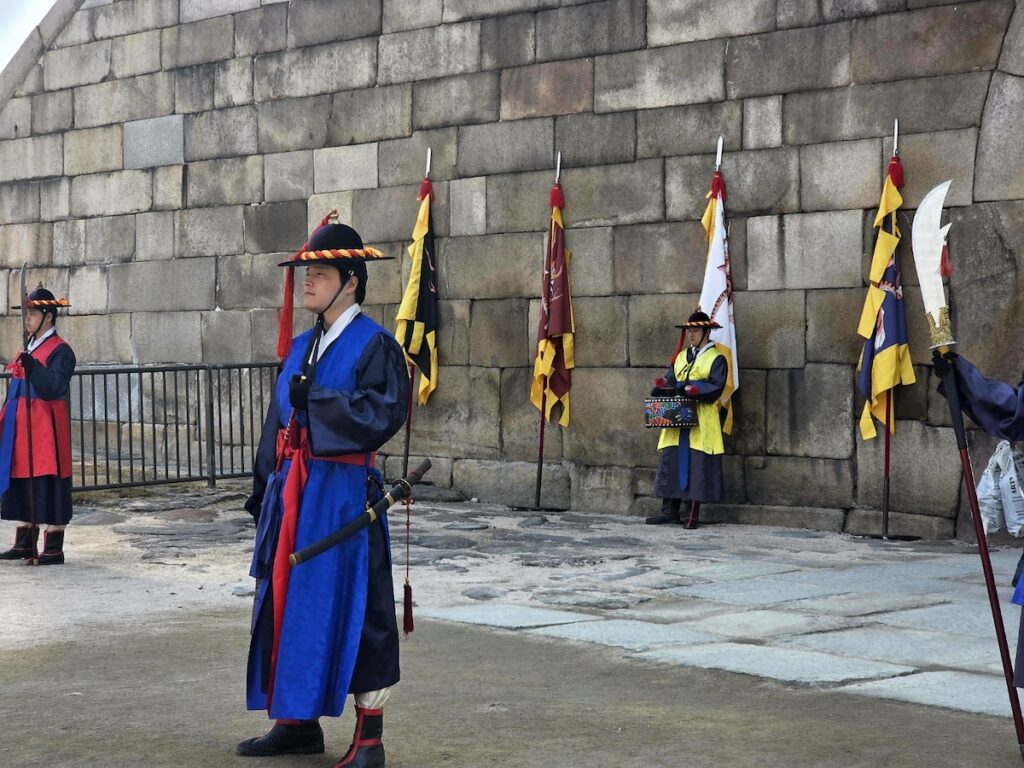
The Seoul Royal Guard Changing Ceremony at this location is formally known as the Pasu Ritual, a military ceremony focused on guarding the city’s southern threshold. In 2026, this ritual has become a cornerstone of the city’s cultural identity, offering a moment of stoic calm amidst the urban rush. To maximize the value of your visit, it is essential to synchronize your watch with the official protocol. Note that the ritual is closed every Monday to allow for technical maintenance and guardian training.
The Tactical Schedule of the Guardians
The ceremony begins with the Opening Ritual at 10:00 AM, marking the symbolic awakening of the city’s southern heart. From 10:00 AM to 15:30 PM, the guards maintain their stoic stance at the gate plaza, with a designated break between 12:00 PM and 13:00 PM. The most cinematic moment, however, occurs between 11:20 AM and 11:40 AM during the Sunra or Patrol ritual. Watching the warriors in crimson robes march toward the modern stalls of Namdaemun Market creates a visual clash that defines the Cinematic Seoul experience for every traveler.
Capturing the Cinematic Moment at the Gate
For professional photographers and those staying at nearby premium hotels, the Sunra ritual offers a high-value opportunity to capture the intersection of ancient military tradition and 21st-century commerce. The rhythmic sound of the traditional drums and the sight of the spears against the backdrop of glass corporate towers are unique to this specific site. To ensure you do not miss the Closing Ritual at 15:30 PM, which provides the final seal of protection for the soul of the city, we recommend arriving at least fifteen minutes prior to each scheduled segment.
Seoul Transportation Guide 2026: Mastering the B8 Abyss and High-Speed Bullets
If you are traveling from the outskirts of the city to witness the ritual, understanding the high-speed transit network is essential for tactical timing.
Phase 3: The Spiritual Anchor—Why We Stand Here
The significance of the Seoul Royal Guard Changing Ceremony at Sungnyemun Gate extends far beyond a standard tourist performance. In 2026, this ritual is recognized as a living apology and a future promise to the city’s inhabitants. Since the rebirth of the gate in 2013, the stationing of these traditional guards has become a physical manifestation of Korea’s commitment to cultural safety. We guard the gate with such precision because the nation knows the profound weight of losing its historical heart.
The Aesthetic of Power and Modern Luxury
The contrast between the traditional spears of the guardians and the surrounding glass skyscrapers provides a striking reminder of Seoul’s dual identity. For travelers staying at premium accommodations like Courtyard by Marriott Seoul Namdaemun or searching for the best Seoul Hotel Booking options, this ceremony is just a few steps from their lobby. The sight of the crimson robes against the backdrop of corporate headquarters and luxury shopping districts creates a visual tension that defines the cinematic power of the district. It is a reminder that true power lies in the ability to preserve ancestral wisdom within a 21st-century global economy.
Healing Rituals for the Modern Resident
For those who witnessed the smoke of 2008, seeing the gate open and close every day with such discipline is a subtle, daily act of emotional healing. The rhythmic pulse of the Seoul Royal Guard Changing Ceremony serves as a spiritual anchor for the local merchants at Namdaemun Market and the busy professionals navigating the nearby financial district. It is a moment of stoic calm that invites every visitor to pause and acknowledge the resilience of a culture that refuses to let its history fade into the background.
Conclusion: The Pulse That Never Stops at Sungnyemun Gate
The Seoul Royal Guard Changing Ceremony at Sungnyemun Gate is a testament to the fact that in this city, nothing is ever truly lost. We rebuild, we remember, and we guard. Whether you are a resident who remembers the collective mourning of 2008 or a traveler seeking the Cinematic heart of the capital, this gate demands your attention. It remains the Phoenix of Seoul, and as long as the guards stand their ground, the soul of this city remains invincible.
GTX-A Seoul Guide 2026: Official Roadmap and the B8 Abyss Ritual
For those staying in the satellite cities, the new deep-level express lines offer the fastest route to the historical center near the gate.
How to Survive in Seoul as a Foreigner (Complete 2026 Guide)
To master the cultural nuances beyond the ceremony, including local etiquette and essential survival tips, consult our comprehensive 2026 handbook.
Final Action Plan for the 2026 Traveler
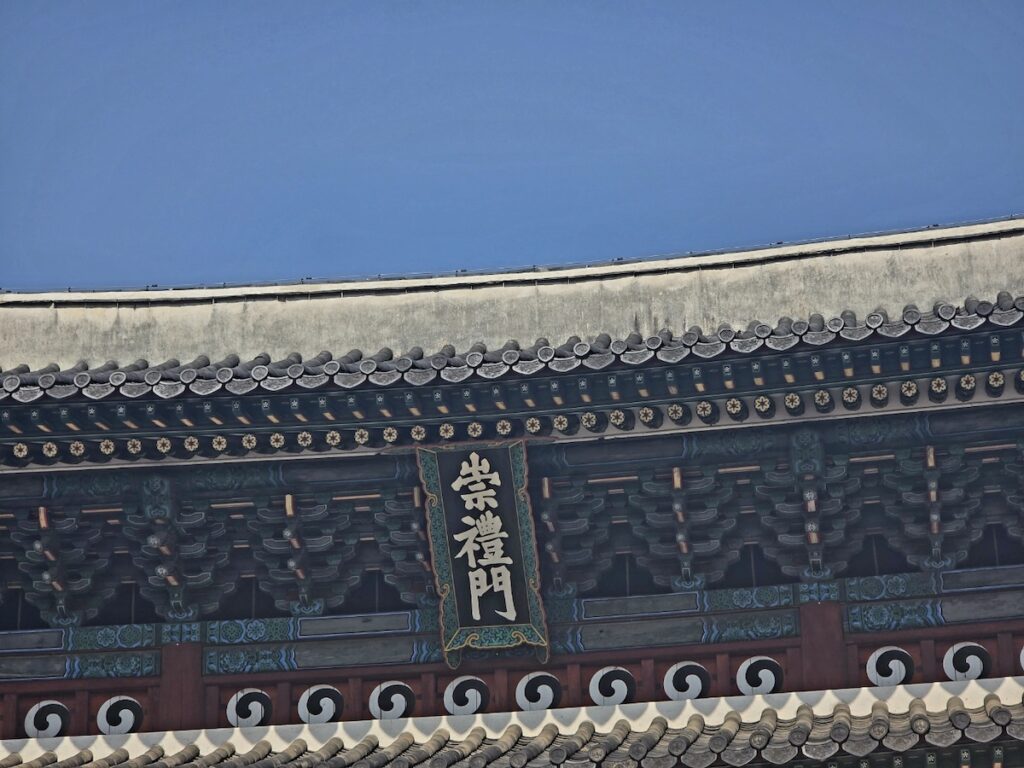
To maximize your experience of the Seoul Royal Guard Changing Ceremony, we recommend a tactical approach. First, schedule your walk from Namdaemun Market to the gate at 11:20 AM to catch the Sunra or Patrol ritual. Second, look for the vertical plaque and the invisible fire shields that now protect the 600-year-old wood. Finally, take a moment of silence at the threshold to acknowledge the resilience of a nation that refused to let its history turn to ash.
Strategic Coordination for Your Seoul Visit
For those looking to optimize their stay, checking the latest Seoul Hotel Booking options near Namdaemun is a wise move. Staying within walking distance of Sungnyemun Gate allows you to witness the Opening Ritual at 10:00 AM without the stress of morning traffic. Compare Prices of local tours that include this historical gate to ensure you receive the full cultural context provided by expert guides. This ceremony is not just a photo opportunity; it is an invitation to witness the enduring spirit of Seoul firsthand.
Seoul Royal Guard, Sungnyemun Gate, Namdaemun Market, Seoul Travel Guide 2026, Korea Culture, Free Things to Do in Seoul, Seoul Photo Spots, Joseon Dynasty, South Great Gate, Seoul Fortress Wall