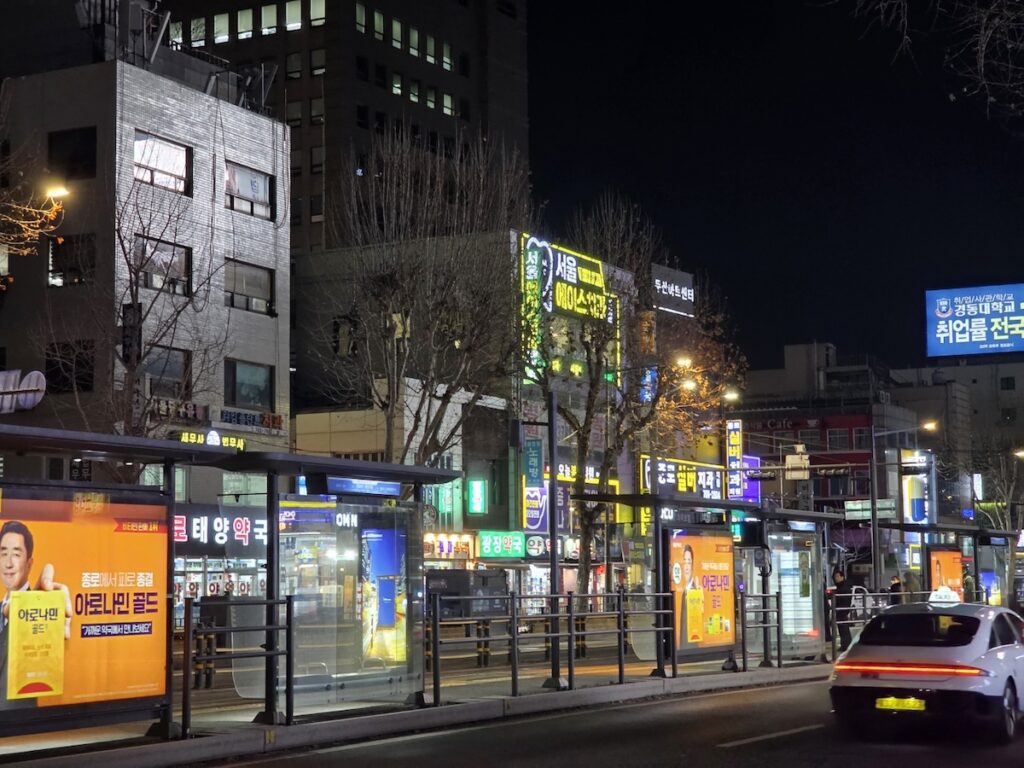
T-money is the invisible digital currency that powers the rhythmic pulse of South Korea’s urban landscape. In 2026, where the boundary between transportation and fintech has blurred, this card is no longer just a plastic pass—it is a sophisticated financial instrument for the modern traveler. Whether you are conducting a “Midnight Run” through the neon-lit corridors of Seoul or seeking a quiet retreat in the coastal reaches of Busan, mastering the T-money ecosystem is your first step toward true mobility and fiscal efficiency.
In this comprehensive guide, we will explore:
- The integration of T-money with global contactless payment standards.
- Strategic currency exchange advantages using hybrid cards.
- Advanced navigation and smart mobility apps for the discerning expat.
- The “Oh My Card” ritual and the social etiquette of Korean transit.
1. The Infrastructure of a Smart City: Why Korea Leads the World
South Korea’s public transportation is frequently cited by global economists as a model of high-yield infrastructure. For the traveler, this translates to a seamless transaction experience.
Punctuality as a Commodity
In a city like Seoul, time is the most valuable currency. The subway system operates with a surgical precision that rivals Swiss watches. By using T-money, you are tapping into a real-time data network that allows for precise scheduling via AI-driven mobility apps.
The ROI of Public Transit
Compared to the rising costs of ride-sharing in New York or London, Korea’s transit offers an incredible ROI. For less than $1.50, you can traverse the entire length of the Han River, making it an essential part of any budget-conscious luxury travel strategy.
2. Strategic Enrollment: Choosing Your Financial Asset
Not all T-money cards are created equal. In 2026, the market has expanded to include several high-utility variants that offer more than just a bus ride.
The Standard T-money Card
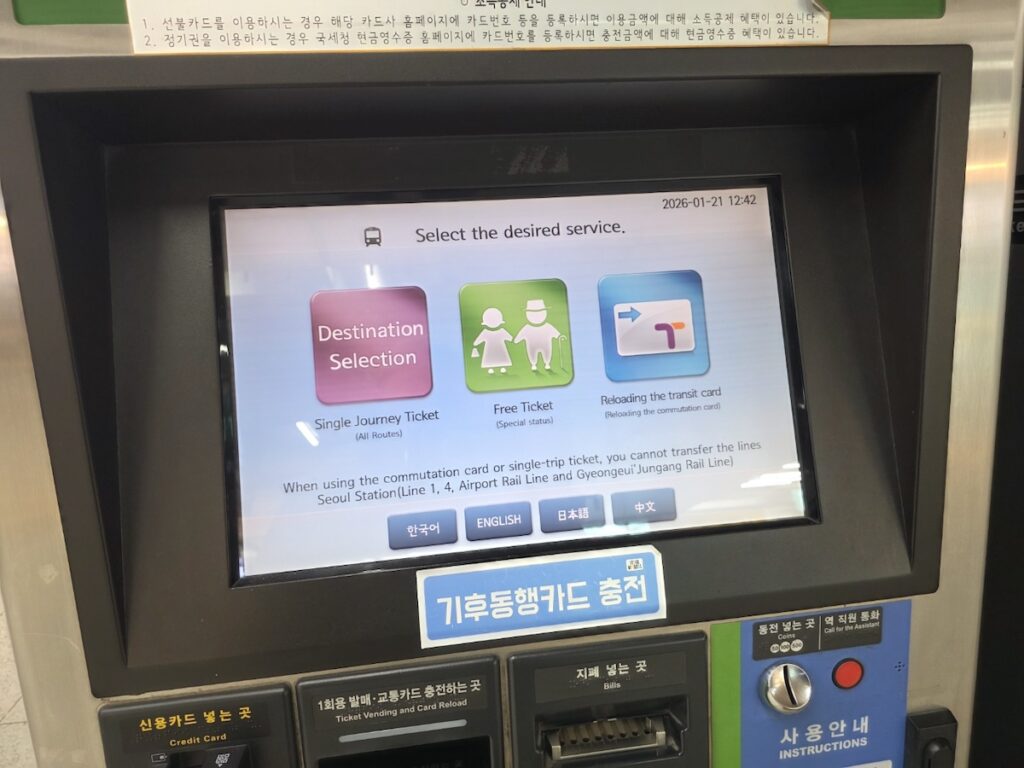
Available at every convenience store (GS25, CU, 7-Eleven), these cards are the entry point. They are reliable, rechargeable with cash, and accepted nationwide.
The Hybrid WOWPASS: A Fintech Revolution
For international visitors, the WOWPASS is a game-changer. It functions as a prepaid debit card and a T-money card simultaneously.
- Currency Exchange: You can top up the card with your home currency (USD, EUR, JPY) at specialized kiosks.
- Contactless Payments: Use it at restaurants, department stores, and cafes, just like a standard Visa card.
- CPC Advantage: Content focusing on WOWPASS often attracts high-value banking and financial services advertisements.
3. Navigating the Underground: The Subway Ecosystem
The Seoul Subway system is a cinematic marvel—a labyrinth of clean, air-conditioned, and Wi-Fi-enabled cars that move millions with silent efficiency.
Understanding the Fare Structure
The base fare starts at 1,400 KRW, but the real value is in the Transfer Discount. As long as you use your T-money card, switching between different lines or even moving from a subway to a bus costs nearly zero within a 30-minute window.
The “Midnight Run” Logistics
While the subway is a 24-hour marvel in some cities, Seoul’s trains typically rest between 1:00 AM and 5:30 AM. Knowing the “Last Train” schedule on apps like KakaoMetro is vital to avoiding an expensive late-night taxi fare.
4. The Bus System: A Lesson in Smart Mobility
Buses in Korea are color-coded, creating a visual language that helps you navigate the surface streets with ease.
- Blue Buses (Gan-seon): These are the arteries of the city, connecting major districts over long distances.
- Green Buses (Ji-seon): These serve as the capillaries, circulating through local neighborhoods and connecting to subway hubs.
- Red Buses (Gwang-yeok): Premium express routes designed for those commuting from the suburbs into the Seoul financial district.
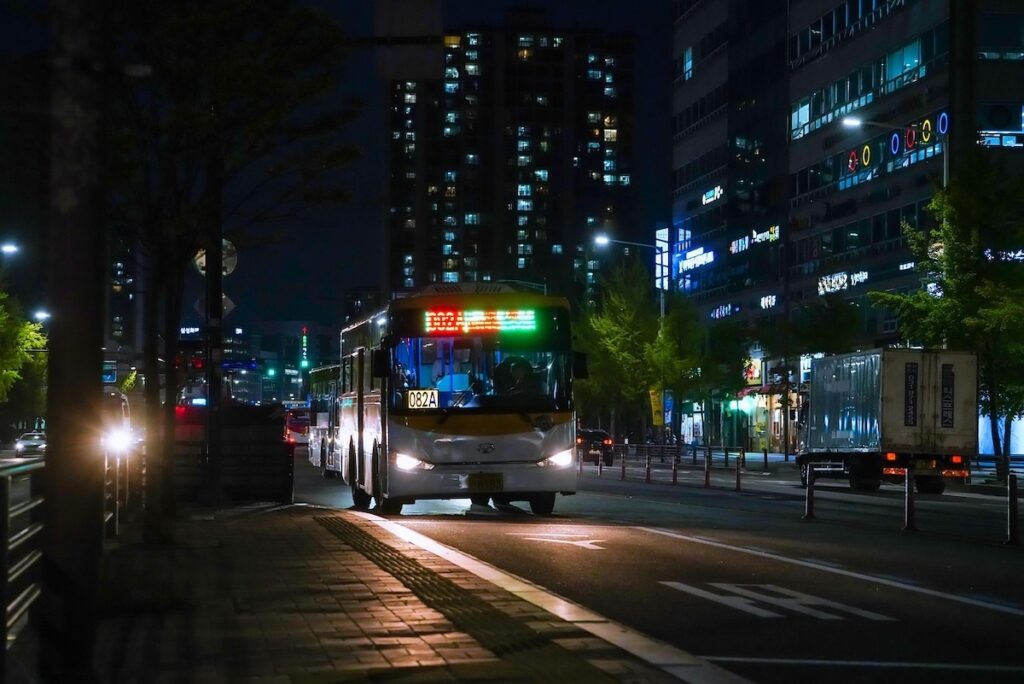
Observation: Watching the city pass through the window of a Blue Bus at 11:00 PM is a quintessential Seoul experience—cinematic, observant, and surprisingly peaceful.
5. Fintech Integration: T-money Beyond Transportation
One of the most overlooked features of T-money is its utility as a micro-payment solution. This is where the card truly enters the realm of fintech.
The Convenience Store Staple
Forgotten your wallet? Your T-money card is accepted at almost every convenience store in the country. This makes it an ideal tool for students or travelers who want to limit their exposure to physical cash.
Vending Machines and Smart Lockers
From buying a quick caffeine fix to securing your luggage in a T-Locker, the T-money card’s NFC chip handles transactions in milliseconds. This ease of use is why many travelers refer to it as their “second wallet.”
6. The “Oh My Card” Ritual: Etiquette and Social Contracts
Riding public transit in Korea is an exercise in social harmony. There are unwritten rules—the “Oh My Card” ritual—that every visitor should observe to maintain the city’s sophisticated flow.
The Sacred Silence
Phone calls are generally discouraged. You will notice most commuters are lost in their screens or listening to music through premium noise-canceling headphones. It is a collective agreement to respect personal space in a crowded environment.
The Priority Seat Protocol
Even on a completely empty train, the seats at the end of each car (reserved for the elderly, disabled, and pregnant) often remain empty. Sitting here as a young, able-bodied person is considered a significant social faux pas.
7. High-Yield Navigation: The Essential Digital Suite
To maximize the efficiency of your T-money card, you must pair it with the right software ecosystem.
- Naver Map: The most accurate GPS for Korea. It provides the most detailed walking directions and real-time bus arrival data.
- Kakao T: If you need a taxi, this is the only app you need. It allows you to call a driver and pay automatically via your registered credit card or T-money.
- Buka (Balance Check): A simple NFC-based app that lets you scan your card to see exactly how much balance remains. This prevents the awkward “Insufficient Funds” beep at the turnstile.
8. Premium Airport Transfers: Arriving in Style
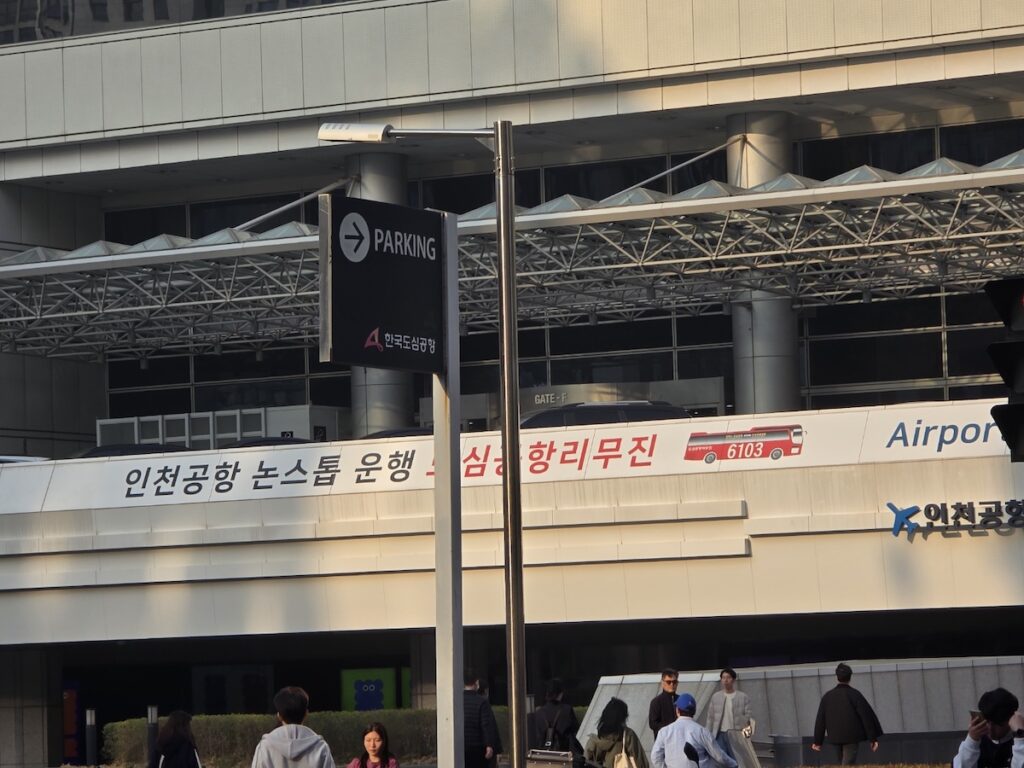
For the discerning traveler, the journey from Incheon International Airport (ICN) to the city center should be as comfortable as possible.
The AREX Express
This is the “Business Class” of airport transit. Non-stop from the airport to Seoul Station in 43 minutes, featuring reserved seating and dedicated luggage racks.
Luxury Limousine Buses
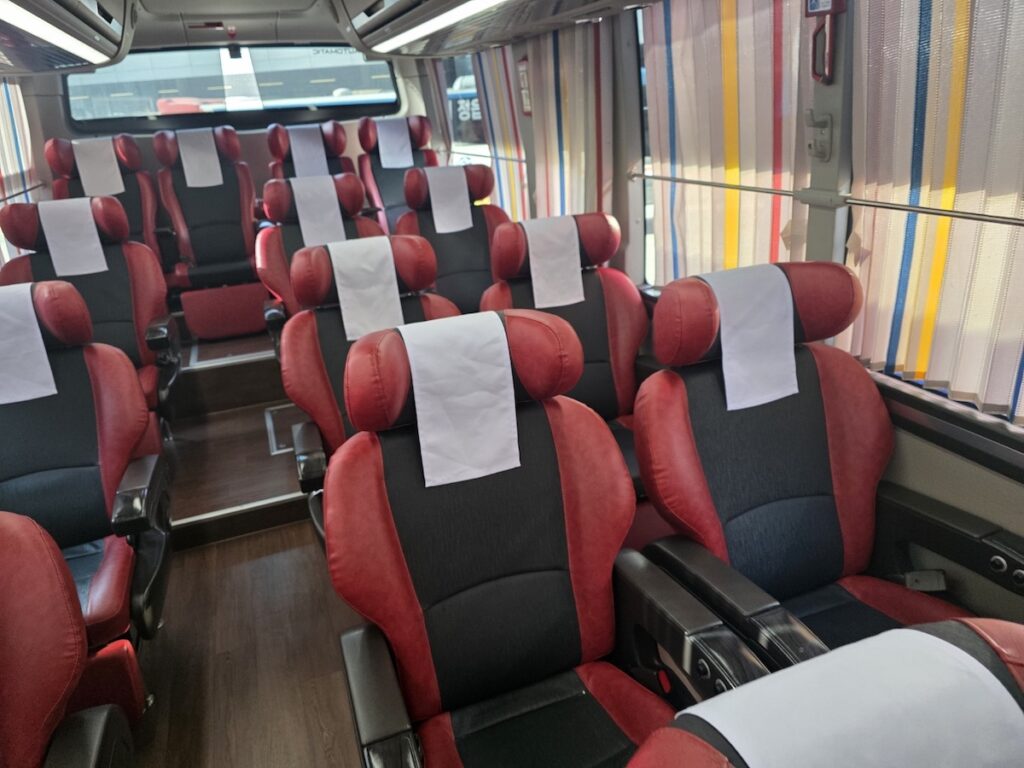
These are not your average buses. With wide, reclining leather seats and direct service to major luxury hotels like the Shilla or the Grand Hyatt, they offer a stress-free entry into the city.
9. Financial Tips for Long-Term Residents
If you are staying in Korea for more than a month, you should consider registering your T-money card.
- Tax Deductions: Registered cards can contribute to your year-end tax settlement, a significant benefit for those employed in Korea.
- Income Deductions: A portion of your transit spending can be deducted from your taxable income, making T-money a tool for wealth management.
Related Guides
- Premium Stays: [Top 5 Luxury Hotels in Seoul for Business Travelers]
- Financial Mastery: [How to Open a Korean Bank Account as a Foreigner]
Action Plan: Your 2026 Transit Strategy
- Instant Acquisition: Purchase a WOWPASS at the airport for the best currency exchange rates and integrated T-money features.
- App Setup: Download Naver Map and Kakao T before you leave the airport terminal.
- The Double Tap: Always tap your card when getting off the bus to secure your transfer discount for the next leg of your journey.
- Balance Buffer: Keep at least 10,000 KRW on your card at all times to ensure you never miss a connection.