Bokjeong Station is the ultimate strategic secret for smart nomads looking to escape the overpriced Gangnam rent trap in 2026. While most international residents bleed their savings in Yeoksam, savvy voyagers understand that crossing the Tancheon Bridge to this specific transit hub cuts living costs by 50%. This isn’t just about a cheaper room; it’s about mastering the Bokjeong Station protocol to secure a premium lifestyle on a student-zone budget.
The Gangnam Rent Trap vs. The Bokjeong Protocol
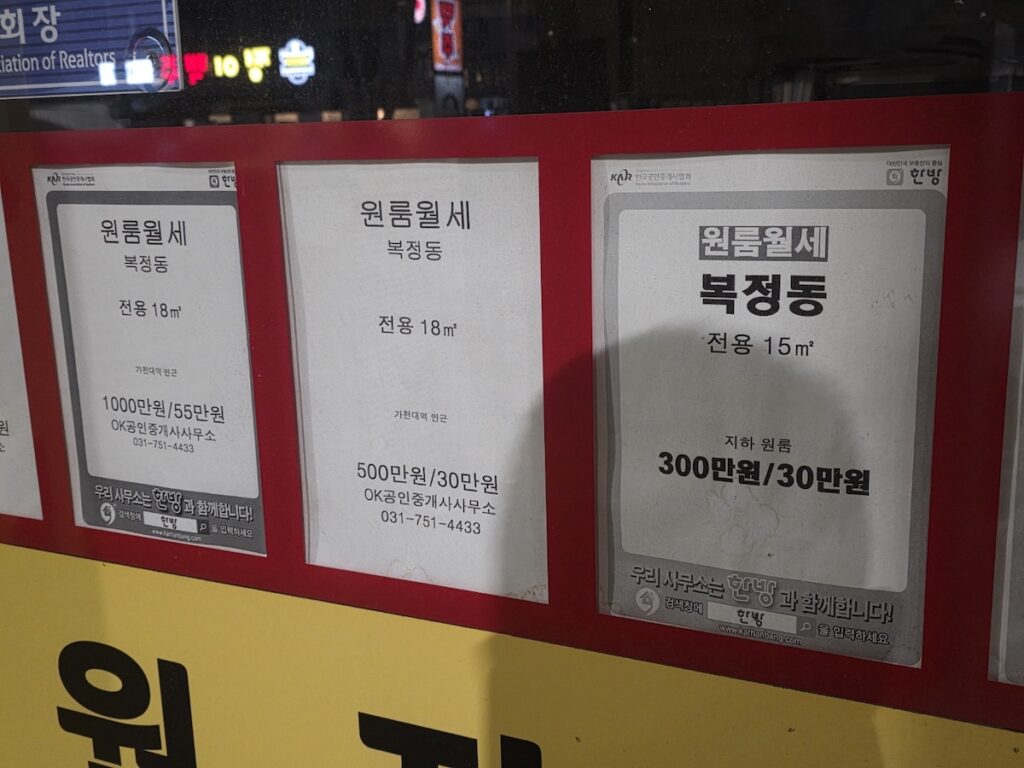
For the global voyager arriving in Seoul in 2026, the magnetism of Gangnam is undeniable. It is the epicenter of Korean tech, luxury, and prestige. However, this dream often hits a hard wall called the Gangnam Rent Trap. With monthly rents for a modest studio in Gangnam-gu—areas like Yeoksam or Samseong—frequently exceeding 1.5 million KRW, most international residents find themselves ‘rent-poor.’
This is where a strategic pivot is required. Finding Cheap Housing Near Gangnam is not about sacrificing quality; it’s about tactical positioning. Stand on the bridge over the Tancheon River. To your left is Suseo-dong, Gangnam, where prices are sky-high. To your right, just 1.8km away, is Bokjeong Station. By choosing this location, you are positioning yourself at the origin point of the city’s nervous system.
The Terminal Advantage: Your Seated Commute to Gangnam
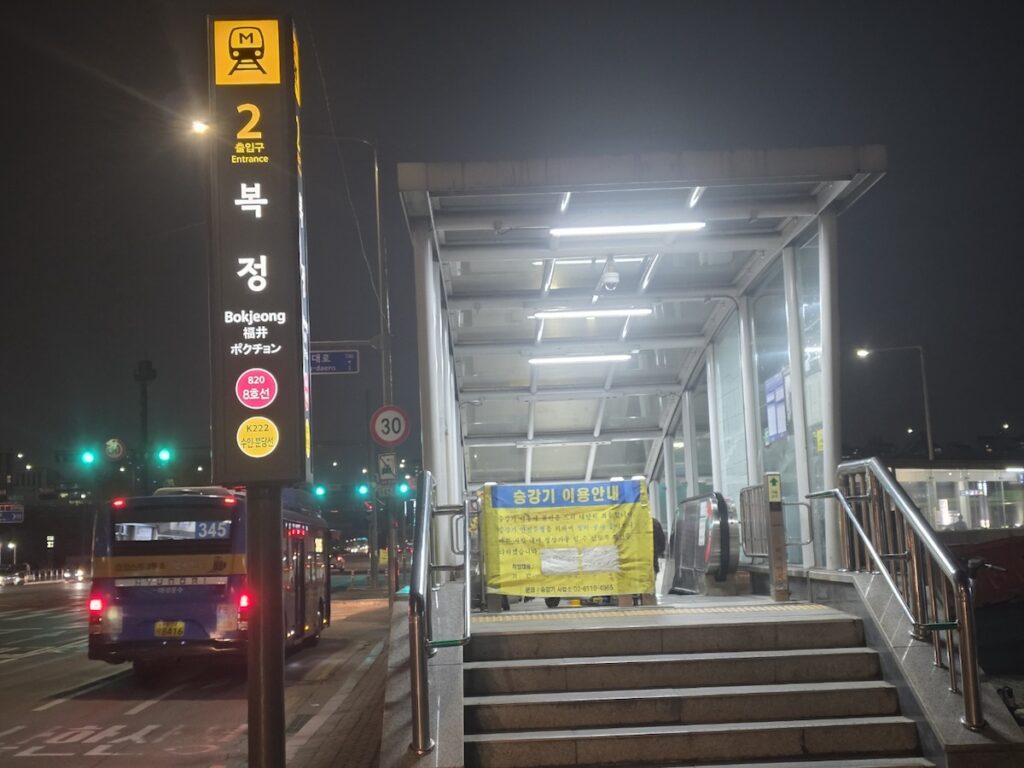
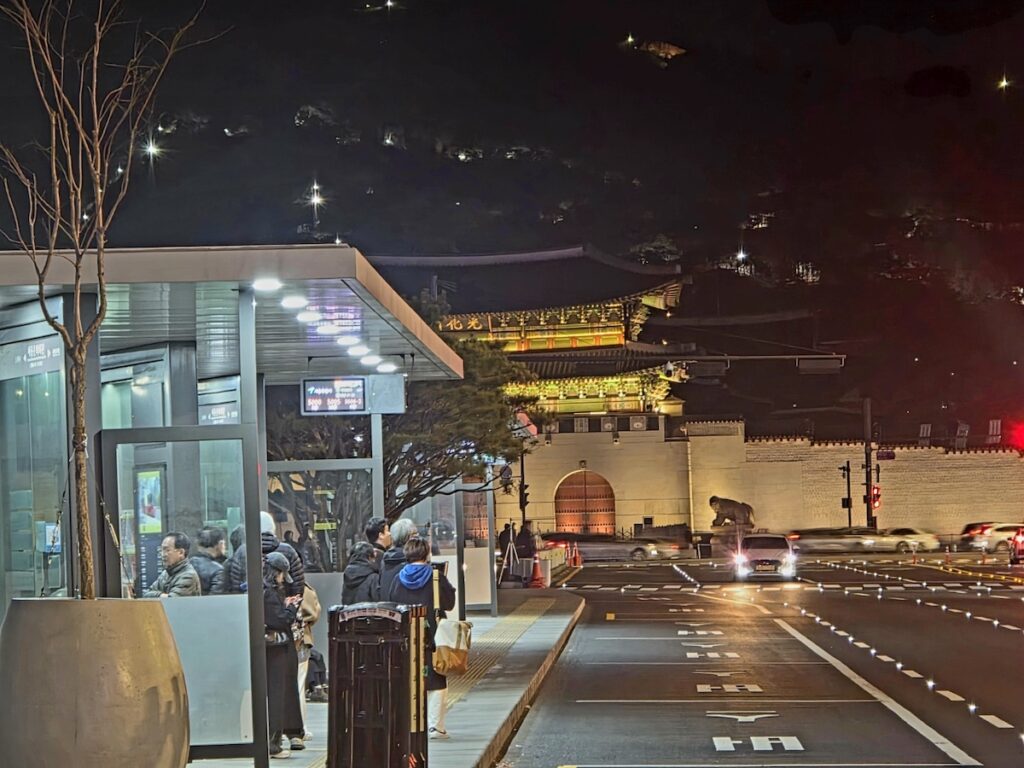
The most misunderstood aspect of Bokjeong Station is its transit power. It is not just a station; it is a Terminal Hub. This is where your daily advantage begins. While others in central Seoul fight for a standing spot on a crowded Line 2 train, you are starting your morning with a strategic win.
The 360 Blue Bus: A Morning Workspace on Wheels
Bokjeong is the origin point for major Blue Bus 3-series routes (302, 303, 360). Because it is the terminal station, you are guaranteed a seat. For a digital nomad, this 20-minute seated journey toward Gangnam-daero or Sinsa is a focused workspace. You open your laptop, answer emails, and start your day productive while the rest of the city is trapped in the ‘Hell-subway’ crush. This is a prime example of High-Yield Investment Property Seoul dynamics—where your time is as valuable as your rent savings.
Master the next major hub on Line 8.
The Structural Divide: 1.8km and 50% Rent Discount
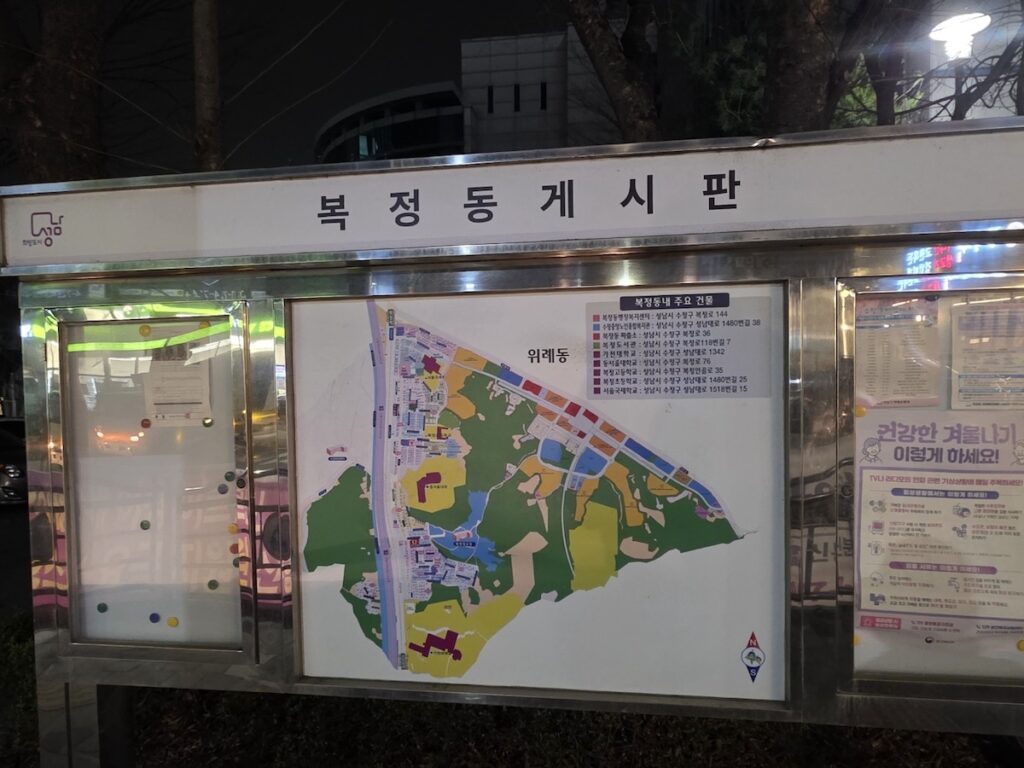
The “Tancheon Gap” is not a market anomaly; it is a rigid economic boundary defined by administrative district lines and building aging cycles.
The Real Estate Data: Suseo (Gangnam-gu) vs. Bokjeong (Sujeong-gu)
- The Suseo-dong Premium (Gangnam Zone): Standard 20-30㎡ officetels in Suseo—such as those near the SRT hub—command a monthly rent of 1.1M to 1.3M KRW. This is driven by the “Gangnam-gu” tax and corporate-owned management fees, which add an extra 150,000 KRW in hidden costs.
- The Bokjeong-dong Discount (University Zone): Just across the Tancheon bridge, comparable villas and studios range from 650,000 to 850,000 KRW. This 500,000 KRW gap exists because these are “Villa” type residential units rather than “Officetels,” and they cater to the price-sensitive student market of Gachon University.
- The Arbitrage Logic: By crossing the bridge, you are essentially moving from a corporate-managed zone to a landlord-managed zone. You gain the same subway access (Line 8 and Suin-Bundang Line) while retaining 6 million KRW ($4,500 USD) in yearly liquidity.
The Verification Method for Nomads: Check the Land Registry (Deung-gi-bu-deung-bon) or local real estate windows in Bokjeong-dong. In 2026, while Gangnam rents have surged due to corporate demand, Bokjeong has maintained a “Student Price Ceiling.” Landlords here prioritize zero vacancy over high rent, making it the most profitable entry point for international residents.
Calculate your daily savings accurately.
The University Buffer: Real-World Price Resistance in 2026
In 2026, the era of the “7,000 KRW full-course meal” has largely vanished, even in student districts. However, the commercial strip connecting Bokjeong Station and Dongseoul University remains the last psychological buffer against Seoul’s hyper-inflation.
The Reality of University Pricing:
- The 10,000 KRW Barrier: While a standard lunch in Gangnam-daero has crossed the 15,000 KRW mark, the massive student population in Bokjeong forces local businesses to keep their Single-Plate (Dan-pum) menus—like Kiosk-based noodles or rice bowls—within the 9,500 – 10,500 KRW range.
- The Convenience Hub Strategy: For a survival budget strictly under 8,000 KRW, the dense concentration of CU and GS25 convenience stores near the university gates is your best tool. By utilizing “Meal Subscriptions” (Gu-dok) through these apps, you can secure a balanced meal for 6,500 – 7,500 KRW, a price point that is physically impossible in Gangnam.
- The Monthly Arbitrage: Even at 10,000 KRW per meal, you are saving 5,000 KRW every single day compared to Gangnam. This generates 150,000 KRW in “Hidden Profit” every 30 days—essentially subsidizing nearly 20% of your monthly rent in a Bokjeong villa.
Where to Find the Proof: Head to the Bokjeong-ro 2-ga commercial strip. Unlike the franchised shops in Wirye New Town, these independent eateries are locked into a “Price War” for the 30,000 students nearby. For a smart nomad, this is not just a meal; it is a strategic subsidy for your lifestyle.
Infrastructure Free-Riding: Living in Bokjeong, Playing in Wirye
The smartest move a Bokjeong resident makes is “Infrastructure Free-Riding.” While you pay the low rent of a university villa district, you are physically adjacent to Wirye New Town, a multi-billion dollar planned city.
A brisk 15-minute walk takes you from your affordable red-brick villa to Wirye’s premium Starfield malls, high-end CGV cinemas, and European-style cafe streets. You can enjoy a luxury lifestyle on a Bokjeong budget. You are effectively hacking the system: accessing top-tier amenities without paying the premium residency tax of a “New Town” zip code. This is why Seoul Expat Relocation Consulting experts are quietly pointing savvy clients toward this specific pocket.
Mastering the ‘Bo-jeung-geum’ in the Villa District
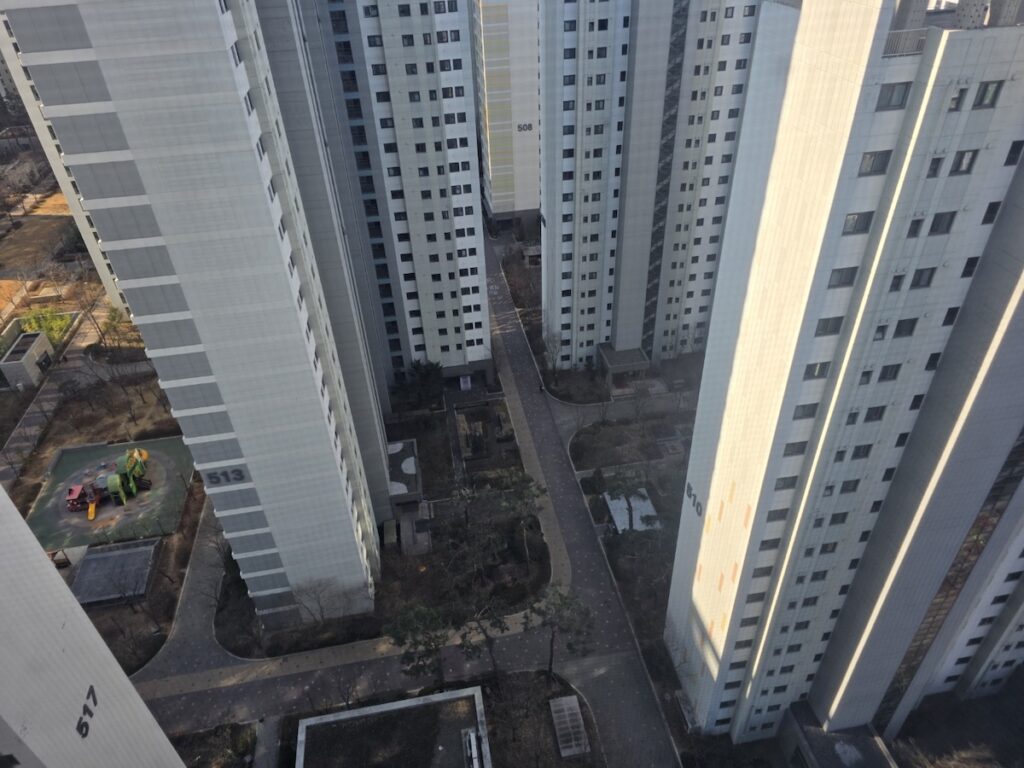
The visual landscape of Bokjeong is dominated by modern red-brick villas. Unlike corporate officetels, these are managed by local landlords who are often more flexible with international tenants.
- Deposit Strategy: While Gangnam demands 20M KRW, Bokjeong landlords often negotiate between 5M to 10M KRW.
- Pro Tip: Look for buildings with digital door locks and visible CCTV—standard in this student-heavy area—to ensure safety without the ‘Premium Security’ upcharge of Gangnam officetels.
Navigate the city like a local tech-nomad.
Final Verdict: Why 2026 Nomads Choose Bokjeong
Bokjeong Station is not a compromise; it is a Strategic Selection. It is for the nomad who values cash flow over a prestigious zip code. By settling here, you gain 10 million KRW of “extra” budget per year. That is a budget for travel, for business investment, or for enjoying the finest Michelin-star experiences Seoul has to offer on the weekends.
The choice is yours: Pay for the Gangnam name, or play the Bokjeong game. Live in Bokjeong, work in Gangnam, and dominate Seoul.
Step-by-Step Action Plan: The Bokjeong Strategic Pivot
If you are ready to stop being “rent-poor” in Gangnam and start your high-yield residency in Bokjeong, follow this verified 24-hour roadmap. This is the definitive “So What” of this guide.
1. The Physical Recon: Abandon the Apps Do not trust general real estate apps like Zigbang for this district. High-yield villa deals in Bokjeong-dong are often managed directly by local landlords who avoid platform fees.
- The Action: Exit Bokjeong Station (Exit 2) and walk immediately into the residential alleys. Look for white A4 papers taped to the windows of red-brick villas. These “Direct” listings offer the lowest deposits (5M-10M KRW) in the city.
If your Korean is limited, do not call. Instead, take a photo of the number and send a text message: “Oegugin ganeunghan-gayo? (Is it available for foreigners?)”. Landlords in this university zone are accustomed to texting international students and are far more responsive to written inquiries.
2. The “Garage Entrance” Advantage Before committing to a lease, test the actual commute. It’s not about the station; it’s about the Bus Terminal flow.
- The Action: Do not wait at the crowded transit center. Walk 50 meters toward the Bokjeong-dong Bus Garage entrance.
- The Logic: Board the Blue Bus 360 at its origin point to secure a window seat in the back row. If you can complete 20 minutes of focused work before reaching Gangnam, you have successfully converted a “commute” into “billable hours.”
3. The “Student-Zone” Price Hunt Verify the “Value for Money” (Ga-seong-bi) at the commercial strip near the Dongseoul University main gate.
- The Action: Look for restaurants with digital kiosks and “Self-Service” signs.
- The Logic: In 2026, a proper meal in Seoul is hitting 12,000 KRW. However, local Cup-bap (Rice bowl) or noodle spots here maintain a 7,500 – 8,500 KRW price point by eliminating labor costs. This is your “Hidden Profit” margin.
4. The Legal Shield: The “Hwak-jeong-il-ja” Never hand over a deposit without the government’s official protection stamp.
- The Action: Once you sign a contract, immediately visit the Bokjeong-dong Community Center with your passport and the original document.
- The Logic: Demand the “Hwak-jeong-il-ja” (Fixed Date) stamp. In a villa-heavy district, this is your only legal armor ensuring your deposit is returned even if ownership changes.