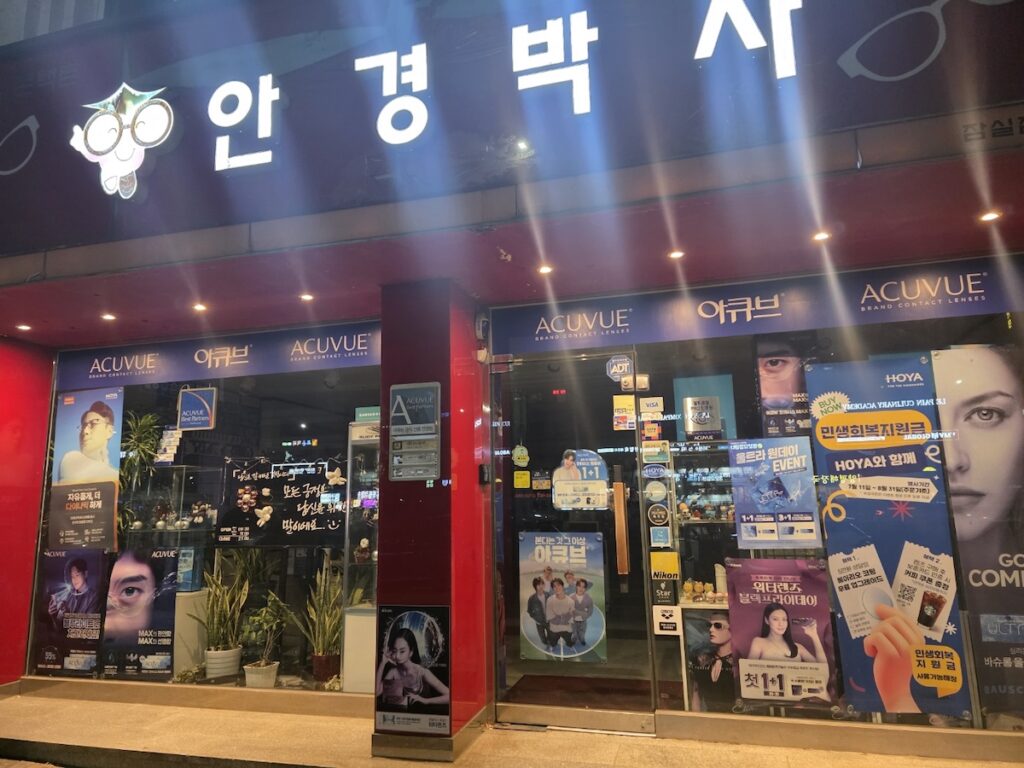
Mastering how to survive in Seoul as a foreigner is not about reading a map; it is about synchronizing with a high-frequency digital ecosystem. In 2026, Seoul operates on its own unique operating system, and for many outsiders, the first 24 hours feel like being dropped into a cinematic masterpiece without the English subtitles. While the world praises South Korea for its “Pali-Pali” (hurry-hurry) culture, the true secret to how to survive in Seoul lies in understanding the Invisible Geometry—the digital and social rituals that dictate every move from the airport terminal to your first local meal.
Navigating this metropolis is less about physical geography and more about Digital Identity. If you rely on the global standards you used in London, New York, or Singapore, you will quickly find yourself at a standstill. This guide is your master key to the rituals that turn a confused outsider into a Seoul elite, providing the ultimate blueprint for how to survive in Seoul and thrive within its complex, beautiful heartbeat.
“Seoul is a masterpiece, but it’s also a battlefield of efficiency. If you arrive with a tourist mindset, the city will overwhelm you. This is not a travel brochure; this is your manual for not getting left behind.”
Phase 1: The Digital Umbilical Cord (Connectivity & Entry)
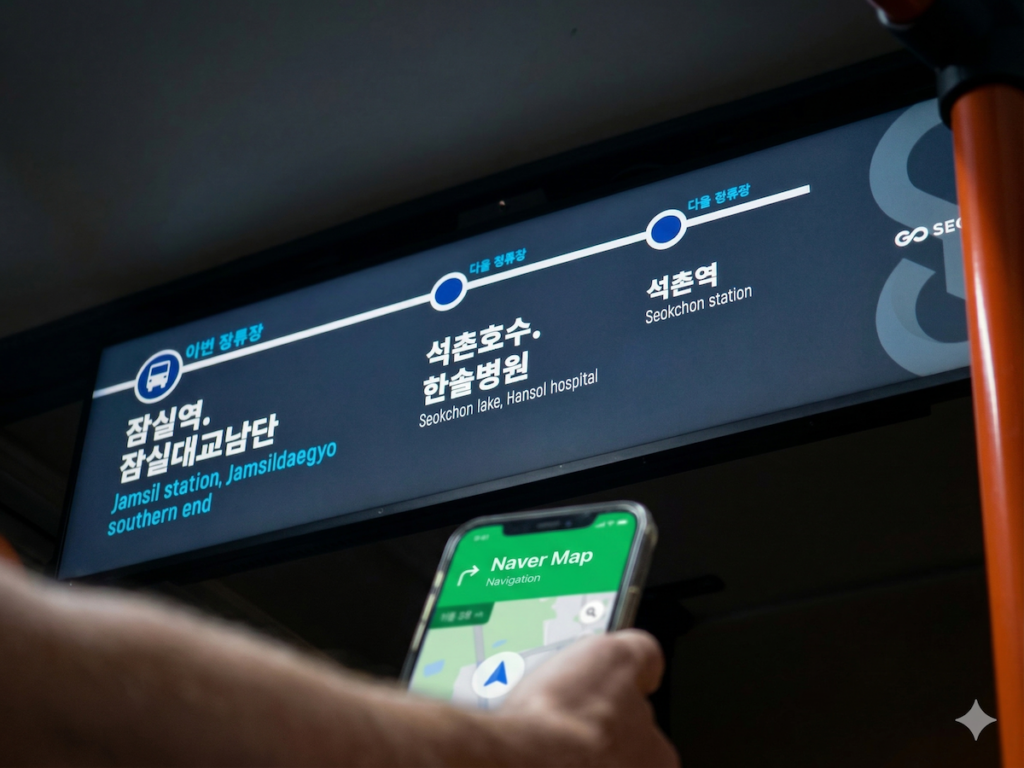
“Google Maps is a hallucination in Seoul. If you rely on it, you will find yourself staring at a blank wall or a dead-end alley while the city moves past you at light speed. Seoul is a masterpiece, but it is also a battlefield of efficiency—it does not wait for you. Your first mission is to establish a digital presence that the city’s ruthless infrastructure can actually recognize.”
1. The Death of Google Maps: Your First Ritual
The most common mistake for travelers is opening Google Maps upon arrival. Due to South Korea’s unique security regulations, Google remains a static ghost of the city’s true pulse.
- The Survival Move: Immediately download Naver Map or KakaoMap. These are the only platforms that capture the real-time heartbeat of the city’s transit and hidden alleyways.
- Internal Link: To understand the deep technical reasons behind this, read our specialized guide on Why Google Maps Fails in Korea: The Secret of Real-Time Infrastructure.
2. The Master Key: SIM Cards and Identity (2026 Update)
In Seoul, your phone number is more than a communication tool; it is your Digital Resident Certificate. Without a localized SIM, you cannot order food, join a digital waitlist at a Seongsu-dong cafe, or verify your identity for essential public services.
- The Pro Tip: While airport SIMs are convenient for short stays, long-term residents should look into MVNO (Alteul-phone) for a 70% reduction in monthly costs with the same 5G speed.
- Internal Link: Check the latest plans in Cheap SIM Cards in Korea 2026: 7 Rituals to Master the MVNO Life and the essential 10 Smart Ways of Using Your Phone in Korea.
3. Decoding the In-Room Tech: The Remote Control Struggle
You’ve checked into your luxury stay at Josun Palace or a sophisticated Hanok, only to be defeated by a black plastic brick with 50 buttons in Hangul.
- The Survival Move: Most Korean IPTV providers (KT, SK, LG) hide English content behind specific channel clusters (usually Ch. 180-210). Don’t press random buttons; target the ‘Global’ menu.
- Internal Link: Master the remote with our Seoul Hotel TV Survival Guide 2026: The Truth About English Subtitles.
Phase 2: Mastering the Urban Geometry (Transit & Movement)
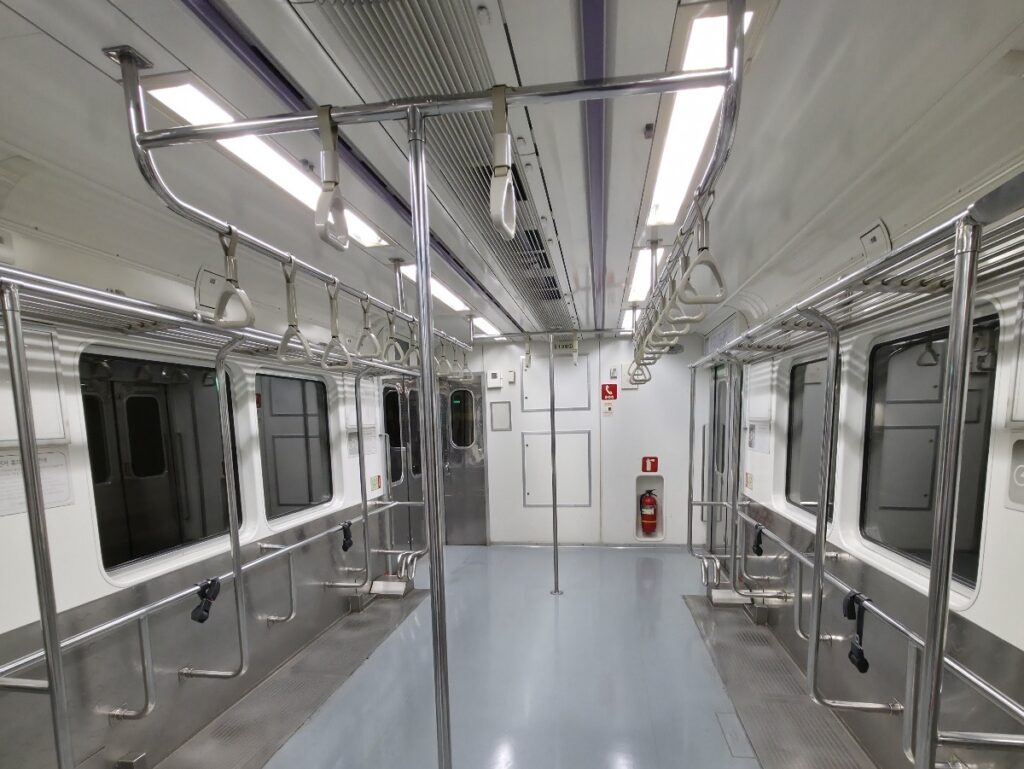
“The Seoul Subway is an engineering marvel, but during rush hour, it is a high-pressure combat zone. It operates on a cold, mathematical logic that does not wait for the uninitiated. Your survival depends on shifting from global intuition to local ‘Rituals of Motion’—because in this city, your pride is less important than your ribs.“
1. The Clockwise Code: Decoding Subway Exit Numbers
Seoul’s subway exits are not random. Most stations follow a strict clockwise numbering system starting from Exit 1. At massive hubs like Gangnam or Jamsil, choosing the wrong exit can result in a 15-minute detour through a subterranean labyrinth.
- The Survival Move: Before arriving at your stop, use Naver Map to identify the exact exit number closest to your destination. Never follow the crowd; follow the numbers.
- Internal Link: For a deeper dive into the city’s underground logic, read Seoul Subway Exit Numbers and Directions: 7 Secrets to the Clockwise Code.
2. The High-Speed Sanctuary: The KTX vs. SRT Struggle
Traveling beyond the capital to Jeonju or Busan requires a high-speed rail strategy. The SRT, in particular, often sells out in seconds during weekends, leaving foreigners stranded at Suseo Station.
- The Pro Tip: Do not panic when you see “Sold Out.” A dedicated “Refresh Ritual” 60 minutes before departure often yields canceled tickets that the general public misses.
- Internal Link: Master the art of the seat grab with The Art of the SRT Struggle: Why 600 Refreshes are Worth the $30 High-Speed Sanctuary.
3. The 15-Minute Mission: Korean Highway Rest Areas
A Korean highway rest area is not a mere pit stop; it is a high-stakes culinary performance. With only 15 minutes before your express bus departs, you must navigate the kiosk and secure the legendary Sotteok-Sotteok (sausage and rice cake skewer).
- The Survival Move: Know your order before the bus stops. Head straight for the kiosk and look for the “Best” stickers to ensure a high-ROI snack experience.
- Internal Link: Learn the secrets of the roadside feast in Korean Highway Rest Area: How to Survive the 15-Minute Mission.
4. The Line 9 Survival: Express vs. Local Logic
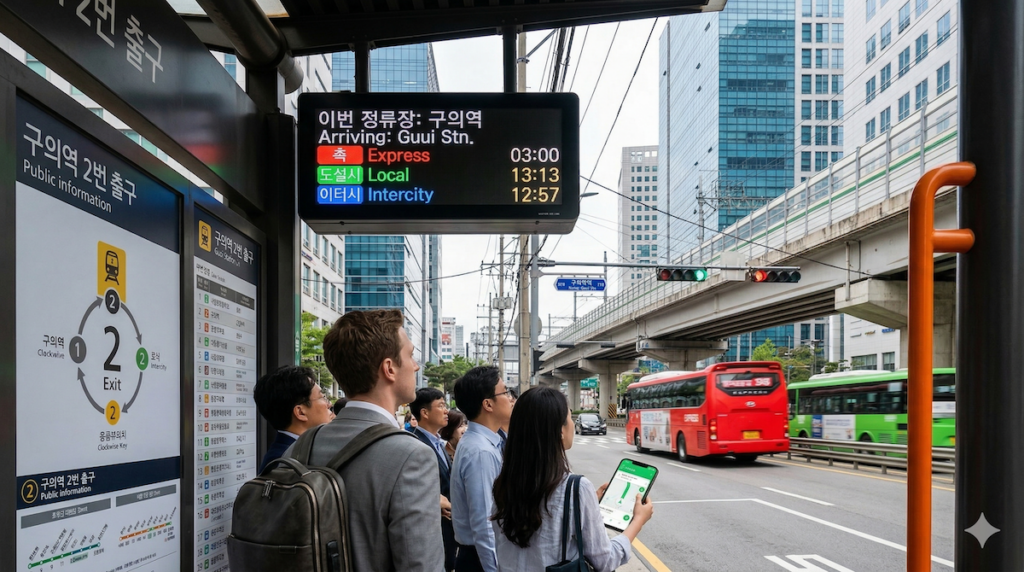
Line 9 is the “Golden Line” of Seoul, but its dual-track system (Express and Local) is a trap for the unwary. If you board an Express train by mistake, you might skip your destination entirely, ending up several districts away.
- The Survival Move: Look at the digital signage on the platform. Red text indicates the Express, while green indicates the Local. Always double-check the stop list before the doors close.
- Internal Link: Navigate the most crowded line in the city with The Ultimate Survival Guide to Seoul Subway Line 9: Express vs. Local.
Phase 3: The Sanctuary & Asset (Housing & Finance)
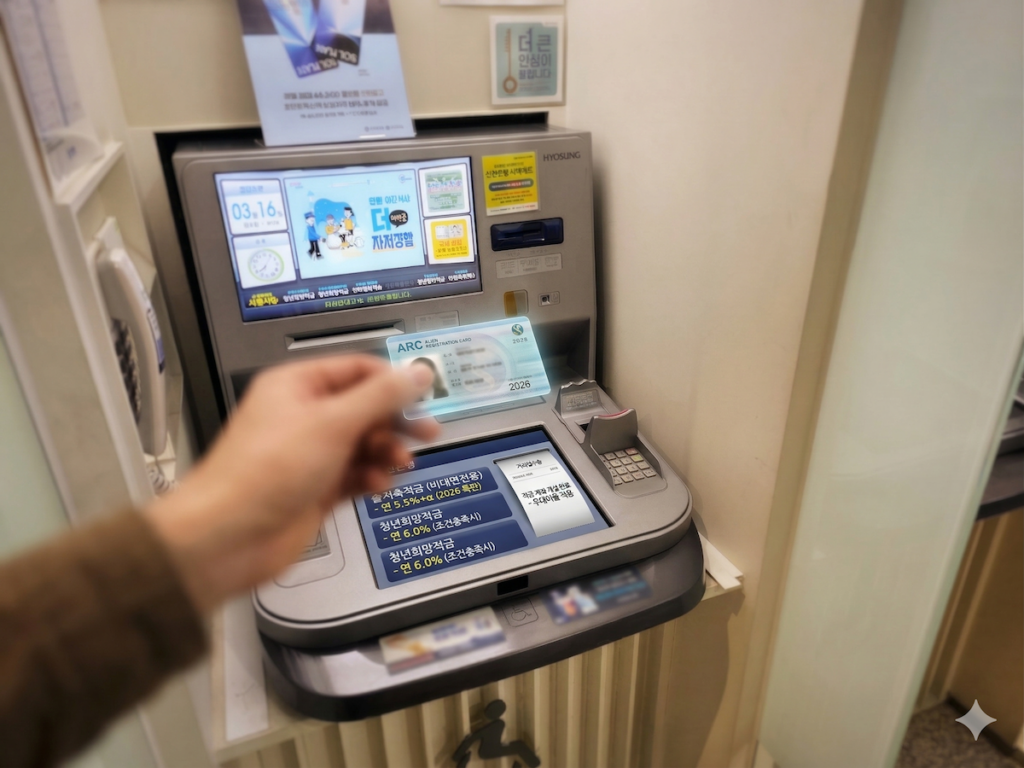
In Seoul, the difference between simply “staying” and “thriving” is defined by how you protect your assets and navigate the city’s unique financial barriers. From the world’s most unusual rental system to high-yield secrets hidden in community banks, Phase 3 is about building your urban fortress.
1. The Jeonse vs. Wolse Riddle: Choosing Your Fortress
South Korea’s housing market features “Jeonse,” a system where you deposit a massive sum (often 60–80% of the property value) with the landlord instead of paying monthly rent. While it seems like a financial miracle, it requires a high-level “Security Ritual” to ensure your capital returns to you at the end of the lease.
- The Survival Move: If you are a short-term expat, stick to Wolse (Monthly Rent) for flexibility. If you are here for the long haul, Banjeonse (Half-Jeonse) offers the best ROI by balancing a lower deposit with manageable monthly payments.
- Internal Link: Decode the legal nuances in Rent Apartment in Korea for Foreigner: 2026 Visa-Specific Housing Rituals.
2. The Financial Shield: Protecting Your Deposit
Once you sign your contract, the most critical ritual is obtaining the “Fixed Date” (Hakjeong-ilja) and filing your “Residence Registration” (Jeonip-singo). These minor administrative acts are the only legal shields protecting your massive deposit from being swallowed by a landlord’s debt.
- The Pro Tip: Never transfer your deposit before checking the Certified Copy of the Register (Deunggi-bu Deungbon) for existing mortgages. Your priority in the legal line depends on this timing.
- Internal Link: Follow the masterclass on asset safety in Protecting Your Deposit in Korea: The 2026 Masterclass for Expats.
3. Beyond Major Banks: The 7% Interest Ritual
Global expats often flock to major “Tier 1” banks like Shinhan or Hana for convenience, but they miss out on the superior yields of Community Banks (Saemaul Geumgo or Shinhyup). These institutions often offer specialized high-interest products for residents that far exceed global averages.
- The Survival Move: As long as you have your ARC (Alien Registration Card), you are eligible for these elite savings rituals. Look for “Teuk-pan” (Special Promotion) signs in local neighborhoods.
- Internal Link: Discover the hidden wealth-building secrets in Beyond Major Banks: Why I Switched My Savings to Community Banks in Korea.
4. The First Bill: Mastering the Utility Ritual
Your first utility bill in a Seoul apartment might look like an encrypted code. Between the central maintenance fee (Gwallibi) and the specific rituals of the Ondol (floor heating) system, managing your winter expenses is an art form.
- The Survival Move: Pay your bills via Kakao Pay or by scanning the QR code at any GS25 or CU convenience store. It is the most sophisticated way to maintain your urban flow.
- Internal Link: Don’t let the winter “Boiler Bomb” ruin your budget; read Cost of Living in Korea 2026: The Ultimate “First Bill” and Payment Ritual Guide.
Phase 4: Gastronomic Intelligence (Dining & Social Rituals)
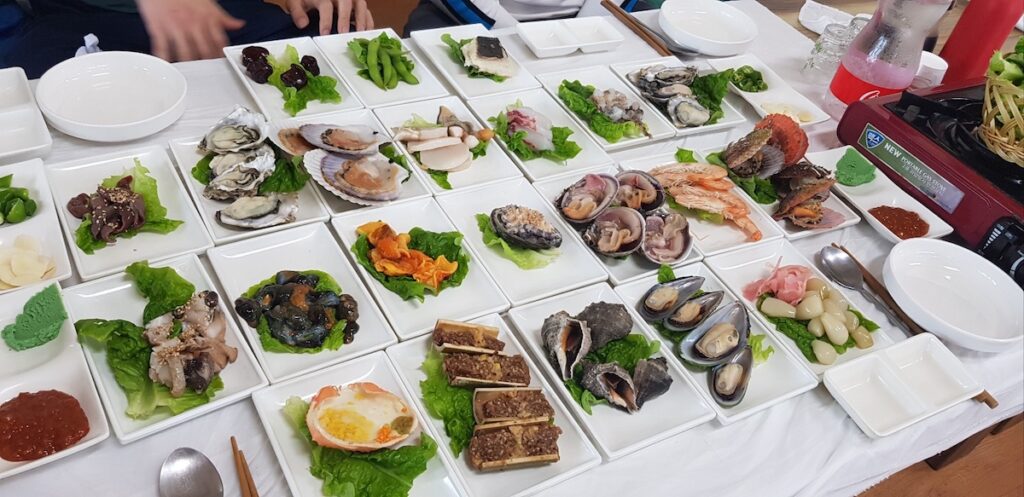
In Seoul, a meal is never just about nutrition; it is a high-stakes social performance governed by the invisible code of Nunchi (emotional intelligence). To eat like a local elite, you must master the choreography of the table and the hidden science behind the grill.
1. The Invisible Code: Nunchi at the Luxury Table
Mastering Nunchi—the art of sensing others’ thoughts and feelings—is your secret key to luxury dining in Seoul. It dictates who picks up the chopsticks first and how the bill is settled without a single word being spoken.
- The Survival Move: Watch the eldest or most senior person at the table. Their first bite is the official “Green Light” for the rest of the group. Ignoring this ritual is a silent social suicide.
- Internal Link: Elevate your cultural IQ with The Invisible Code of Seoul: Why ‘Nunchi’ is Your Secret Key to Luxury Hotels and Dining.
2. The Smoke-Suction Science: K-BBQ Mastery
Foreigners often wonder how Seoulites enjoy Samgyeopsal (pork belly) in designer clothes without smelling like a chimney. The secret lies in the sophisticated overhead ventilation pipes that are a staple of the Seoul landscape.
- The Pro Tip: Do not fight the pipe. Adjust the height to stay exactly 2-3 inches above the meat to maximize ROI on both flavor and air quality.
- Internal Link: Discover the engineering behind the flavor in The Secret Above Every Korean BBQ Table: How Korea’s Smoke-Suction Pipes Make Samgyeopsal Smokeless.
3. The Refill Ritual: Your Right to Banchan
One of the greatest cultural shocks for newcomers is the abundance of Banchan (side dishes). In Korea, these are not just appetizers; they are a continuous flow of hospitality that you have a “Legal Right” to refill.
- The Survival Move: If you see a “Self-Service” sign, do not wait for the staff. Navigate the refill station with confidence, but only take what you can finish—wasting food is a major breach of the local “Zero-Waste” ethos.
- Internal Link: Learn the tactical rules of the table in 7 Tactical Rules for the Korean Dining Experience: From Refill Rights to Legal Safety.
4. The Vegan Sanctuary: Namul as a Superfood
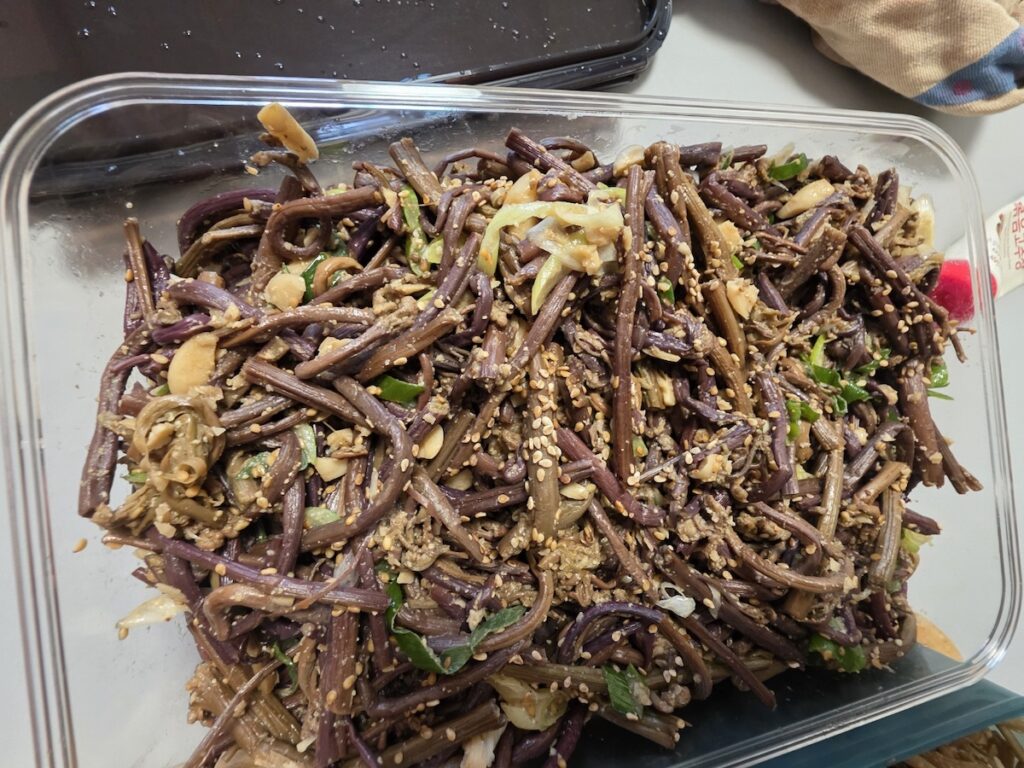
For vegetarians and vegans, Seoul can feel like a meat-heavy minefield. However, the ancient ritual of Namul (seasoned vegetables) provides a sophisticated and healthy escape. From Gosari (bracken) to sweet potato stems, these are the original Korean superfoods.
- The Survival Move: Look for Bibimbap or Temple Food specialists. These venues treat vegetables with the same reverence as a premium Hanwoo steak.
- Internal Link: Master the art of the plant-based feast with Korean Namul Vegetables: From Gosari to Sweet Potato Stems, A Superfood in Everyday Korean Cuisine.
Phase 5: The Seasonal Soul (Culture & Mastery)
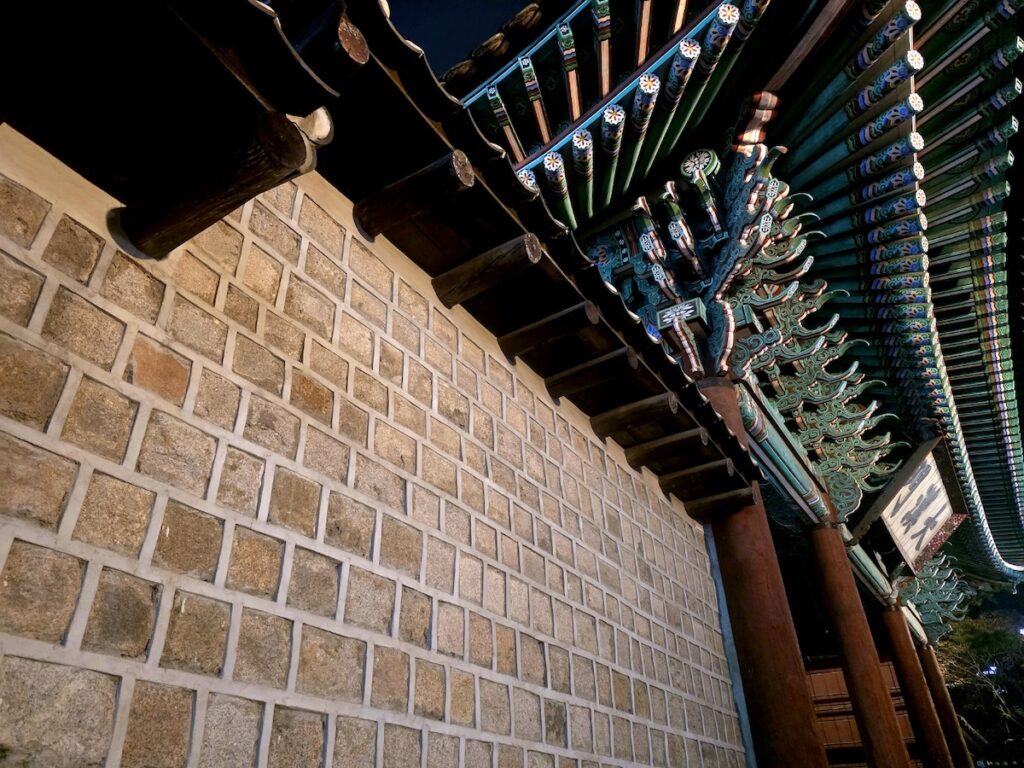
In Seoul, time is not measured by months but by “Seasons of Ritual.” Whether it is the frantic beauty of the cherry blossoms or the white silence of a sudden snowstorm, mastering the seasonal flow is the final step in your transformation from a visitor to a local expert.
1. The Pink Horizon: Mastering the Cherry Blossom Ritual
When the cherry blossoms bloom, Seoul transforms into a pink-hued theater. This is not just a time for photography; it is a logistical challenge that requires a “Subway Sanctuary” strategy to avoid the crushing crowds of Yeouido.
- The Survival Move: Skip the overcrowded main festivals and head to Seokchon Lake or the Deoksugung Stone Wall Path. Timing is everything—follow the “Full Bloom Forecast” religiously.
- Internal Link: Plan your peak-bloom route with The Ultimate Ritual: Mastering the Best Cherry Blossom Spots in Korea 2026.
2. The Frozen Protocol: Snowy Seoul Survival
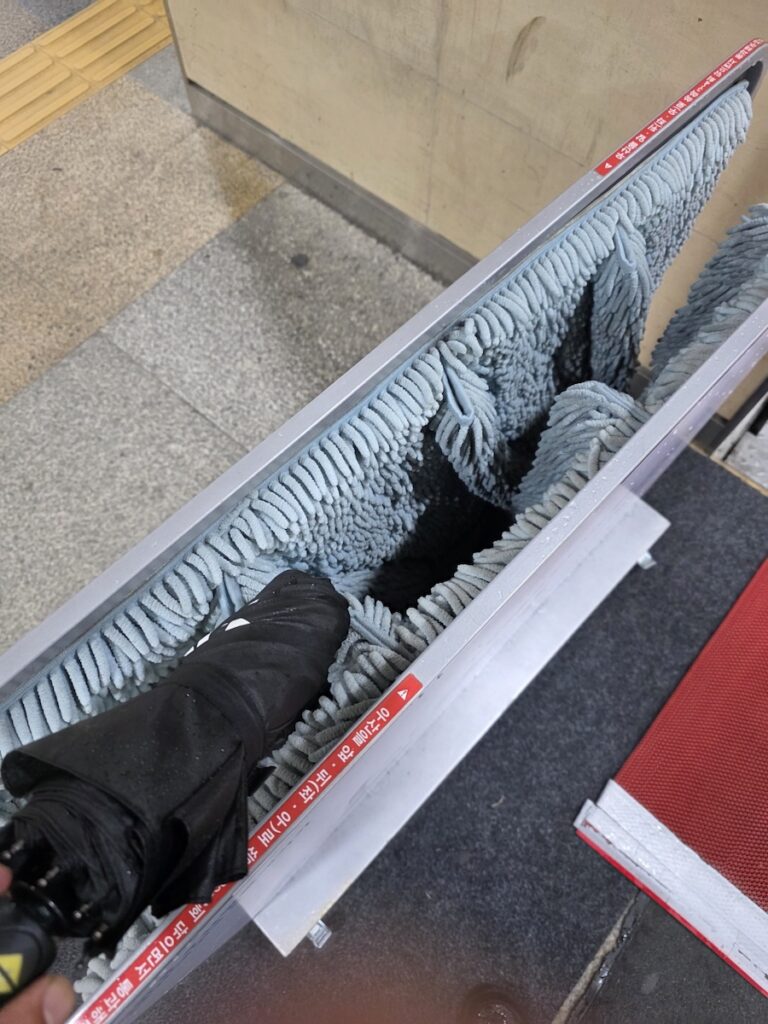
A Seoul winter is beautiful but brutal. Beyond the “Ondol” warmth of your home, you must navigate the treacherous “Calcium Chloride Ritual”—the salt used to melt snow that can ruin your premium leather footwear in a single walk.
- The Pro Tip: Invest in a pair of high-traction soles. In Seoul, “Looking Good” comes second to “Not Slipping” on the city’s steep granite inclines.
- Internal Link: Protect your wardrobe and your safety with Snowy Seoul Survival: Why Your Luxury Shoes Hate the Beautiful Korean Winter.
3. The Hallyu Pilgrimage: K-Pop & K-Drama Rituals
For the “Global Nomad,” Seoul is the living set of the Hallyu wave. From the HYBE headquarters in Yongsan to the quiet alleys of Seochon where BTS members have left their footprints, these locations are the modern “Temples” of the city.
- The Survival Move: Use the “Namjooning” method—traveling at a slower pace to appreciate the art and nature that inspired your favorite idols. It is the most sophisticated way to experience the K-pop phenomenon.
- Internal Link: Follow the footsteps of icons with K-pop Agency Tour Seoul 2026: The Pre-Gwanghwamun Ritual for BTS ARMY.
4. The Spiritual Escape: Zen and the Han River View
When the pace of the city becomes overwhelming, the Seoul elite retreat to the mountains. A “Temple Stay” or a simple tea ceremony overlooking the Han River from a high-altitude temple like Sujongsa offers a profound “Mental Reset.”
- The Survival Move: You don’t need to be a monk to find peace. Many temples offer day-use tea programs for foreigners that provide the best views in the country for the cost of a single latte.
- Internal Link: Find your center at the edge of the city with The Best View Near Seoul: Find Zen and Tea at the Han River View Temple.
Conclusion: Your Survival Action Plan
Seoul is a city that rewards the prepared. By mastering these five phases—from the Digital Umbilical Cord to the Seasonal Soul—you have moved beyond the “Foreigner” label. You are now a master of the Seoul Ritual.
Your 24-Hour Mastery Plan:
- Download Naver Map: Kill Google Maps and embrace real-time data.
- Secure Your ARC: It is the master key to banking, health, and housing.
- Practice Nunchi: Observe before you act, especially at the dining table.
- Follow the Internal Links: Each ritual mentioned above has a deeper layer waiting for you in our specialized guides.
Welcome to the shared breath of the 24-hour city. Your journey has just begun.