Quick Answer: What Is Korean Bathroom Etiquette?
Korean bathroom etiquette is mostly about cleanliness, consideration, and keeping shared spaces comfortable for the next person.
If you are visiting Korea, staying with Korean friends, living with a partner, or using public restrooms, the basic rules are simple: close the toilet lid before flushing, keep the toilet area clean, do not leave water or trash behind, and be mindful that bathrooms are often treated as shared hygiene spaces rather than purely private rooms.
One thing that surprises many foreigners is how often Koreans talk about bathroom habits. Toilet lids, wet floors, bathroom smells, bidets, and whether men should sit while urinating can become real conversations in Korean households.
At first, this may sound too detailed. But in Korea, small habits inside the home often reflect a bigger idea: respect for people who share the same space.
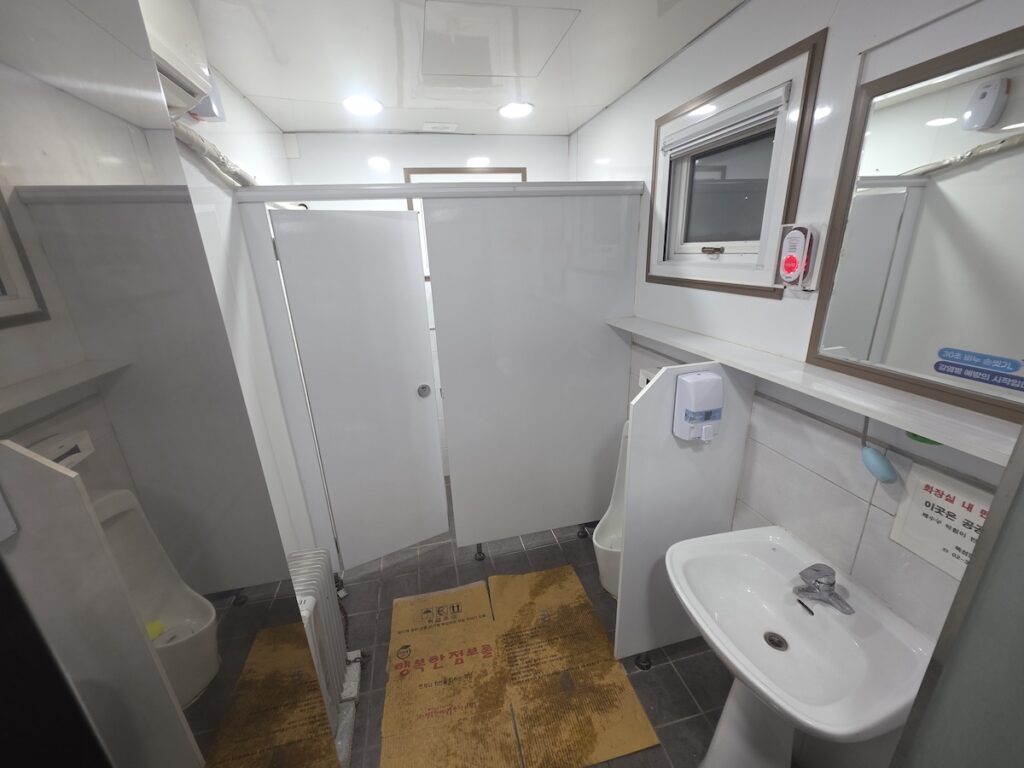
Why Bathroom Manners Matter in Korea
Korean homes are strongly shaped by the idea of keeping indoor spaces clean. People remove their shoes before entering the home, sit or relax close to the floor, and often separate “outside dirt” from the clean living area.
This is why the bathroom is treated carefully. It is private, but it is also shared. In many Korean apartments, one bathroom may be used by the whole family, a couple, roommates, or guests. If one person leaves the bathroom messy, wet, or smelly, the next person immediately feels it.
So Korean bathroom etiquette is not only about hygiene. It is also about not making someone else uncomfortable.
A Korean person may not explain it in a formal way, but the feeling is clear:
“Use the bathroom in a way that does not bother the next person.”
That simple idea explains many Korean bathroom habits.
1. Close the Toilet Lid Before Flushing
One of the most common pieces of Korean bathroom etiquette is closing the toilet lid before flushing.
Many Korean households prefer this because flushing can create small droplets around the toilet area. Even if people do not talk about the science in detail, the image of tiny particles spreading into the air is enough to make many people uncomfortable.
For this reason, closing the lid has become a basic hygiene habit in many Korean homes.
It is similar to washing your hands, turning off the light, or wiping the sink after use. It is a small action, but it tells the next person that you are being considerate.
For foreigners, this may feel like a small thing. But if you are staying in someone’s home in Korea, it is better to close the toilet lid before flushing.
It is one of those quiet manners that people notice more when you do not do it.
2. Keep the Bathroom Floor Dry When Possible
Korean bathrooms can be confusing for visitors because many homes have “wet bathrooms.” The shower, sink, and toilet may all be in the same tiled space, and water can spread across the floor.
In older or smaller apartments, there may not be a separate shower booth. The bathroom floor is designed to get wet, and there is usually a drain on the floor.
But this does not mean you should leave everything soaked.
In many Korean homes, people still try to keep the floor reasonably dry after showering or washing. Some families use bathroom slippers, a floor squeegee, or a small mop. Others simply try not to splash water toward the toilet area or doorway.
If you are a guest, the safest habit is this:
After using the bathroom, leave it as dry and neat as possible.
Especially do not leave water outside the bathroom door. In Korea, indoor floors are clean living areas, so water spreading from the bathroom into the hallway can feel messy or careless.
3. Do Not Throw Random Trash Into the Toilet
In Korea, toilet paper can usually be flushed in many modern restrooms, especially in newer buildings, hotels, cafes, department stores, and subway stations. However, you should not flush wipes, paper towels, sanitary products, cotton pads, or other trash.
Some older restrooms may still have a bin next to the toilet. If there is a sign asking you not to flush toilet paper, follow the sign.
For travelers, the rule is simple:
Flush only what the restroom allows. If there is a clear sign or bin, follow that local instruction.
Korean public restrooms often use pictograms, so even if you cannot read Korean well, the signs are usually easy to understand.
4. Why Some Korean Men Sit While Urinating
One bathroom topic that sometimes surprises foreigners is the discussion around whether men should sit while urinating.
This is not a universal rule in Korea. Many men still stand. But in shared homes, especially among couples or families, some people prefer that men sit because it reduces splash, smell, and cleaning work.
The debate is not only about hygiene. It is also about shared responsibility.
If one person creates more mess, another person may have to clean it. That is why this topic can become emotional in Korean households. It is not really about the toilet itself. It is about fairness and consideration.
A practical Korean way to summarize the issue would be:
If you live alone, do what you want. If you share a bathroom, think about the person who uses it after you.
This is where the Korean word “baeryeo” becomes useful. Baeryeo means consideration, thoughtfulness, or care for others. Many Korean home etiquette rules are built around this idea.
5. Public Restrooms in Korea: What Foreigners Should Know
Public restrooms in Korea are often cleaner and easier to find than many visitors expect. In Seoul, Busan, and other major cities, you can usually find restrooms in subway stations, department stores, large cafes, parks, museums, libraries, and public buildings.
Many public restrooms have:
- Toilet paper inside the stall or near the entrance
- Soap and sinks outside the stalls
- Hand dryers or paper towels
- Separate bins for sanitary products
- Automatic flushing systems in newer facilities
- Bidets in some modern buildings
However, restroom quality can vary depending on the location. A department store restroom in Gangnam may feel very modern, while an older market restroom may feel more basic.
The main etiquette is the same everywhere:
Use the stall cleanly, flush properly, do not leave trash behind, and respect the signs.
If there is a sign telling you not to flush certain items, follow it. If there is a line, wait calmly. If the floor is wet, be careful with your shoes.
6. Bathroom Slippers Are Common in Korean Homes
One small detail many foreigners notice is bathroom slippers.
In many Korean homes, people do not step into the bathroom barefoot or with indoor slippers. Instead, there may be a separate pair of plastic bathroom slippers near the door.
These slippers are used only inside the bathroom because the floor may be wet.
If you see bathroom slippers, use them. After using the bathroom, leave them neatly inside, facing the right direction if possible. This may sound tiny, but it is part of Korean home manners.
Do not wear bathroom slippers into the living room or bedroom. That can feel very unclean to Korean hosts.
7. Bidets and Smart Toilets Are Common
Korea has a strong bathroom technology culture. Bidet seats, heated toilet seats, automatic flushing, and deodorizing functions are common in modern apartments, hotels, department stores, and office buildings.
If you are new to Korea, a bidet remote may look confusing at first. The buttons are often labeled in Korean, but many modern models also use icons.
Common functions include:
- Rear wash
- Front wash
- Water pressure
- Seat heating
- Drying
- Stop
If you are unsure, look for the stop button first. It is usually marked with a square icon or the Korean word “정지.”
Do not randomly press every button, especially in someone else’s home. If you are a guest and do not know how to use it, it is perfectly fine to ignore the bidet and use the toilet normally.
8. Shared Bathroom Rules in Korean Households
In Korean homes, bathroom etiquette can become part of everyday family or couple life.
Common expectations may include:
- Close the toilet lid before flushing
- Wipe the seat if needed
- Keep the floor from getting too wet
- Use the fan or ventilation
- Do not leave hair in the drain
- Replace toilet paper when it runs out
- Clean visible stains immediately
- Do not leave personal products everywhere
These are not formal national rules. Every household is different. But the general attitude is similar: do not make the next person clean up after you.
This is why bathroom habits can become a real relationship issue. A couple may not fight about the toilet itself. They may fight because one person feels the other person is not being considerate.
In Korea, shared living often depends on small repeated actions. Bathroom manners are one of them.
9. Wet Bathroom vs Dry Bathroom: A Common Culture Shock
Foreigners from countries with dry bathrooms may be surprised by Korean wet bathrooms.
In a Korean wet bathroom, the shower may not be separated by a glass door or curtain. Water can reach the sink, toilet, and floor. This design is practical in small apartments because the entire room can be washed down.
But it also creates a few etiquette points:
Do not leave the bathroom door open after a hot shower if steam is spreading into the home.
Do not leave puddles near the doorway.
Do not place dry clothes or towels where they can get wet.
Use the ventilation fan if there is one.
In a hotel or newer apartment with a separate shower booth, the rules may feel more familiar. But in older homes, wet bathroom habits are part of daily life.
10. What to Do as a Guest in a Korean Home
If you are invited to a Korean home, bathroom etiquette is simple.
First, ask where the bathroom is. Then check whether there are bathroom slippers. If there are, use them.
After using the toilet, close the lid before flushing. Make sure the seat and floor are clean. Wash your hands. Leave the slippers inside the bathroom, not outside in the hallway.
If you shower there, try to keep your toiletries organized and avoid soaking the doorway area. If you accidentally splash a lot of water, use a towel, squeegee, or tissue if available.
You do not need to be nervous. Koreans do not expect foreigners to know every small habit. But small efforts are appreciated.
11. Korean Bathroom Etiquette in Public Places
In public places, the most important rule is to leave the restroom usable for the next person.
Here are simple guidelines:
- Do not occupy the stall too long if there is a line
- Do not throw paper towels or wipes into the toilet
- Do not leave water all over the sink area
- Use sanitary bins properly
- Follow restroom signs
- Flush completely
- Keep noise and phone calls low
In busy areas like subway stations, tourist attractions, and shopping malls, restrooms can be crowded. Being quick, clean, and considerate is the best etiquette.
12. Why This Topic Says Something About Korean Culture
Korean bathroom etiquette may seem like a small topic, but it reveals something important about Korean daily life.
Korea is a dense society. Many people live in apartments, share compact spaces, use public transportation, and move through crowded cities every day. Because of this, small manners matter.
Holding the elevator door, keeping your voice down on the subway, sorting recycling properly, and keeping the bathroom clean all belong to the same cultural pattern.
They are ways of saying:
“I know I am sharing this space with other people.”
That is why a toilet lid or a bathroom floor can become more meaningful than it seems. It is not about strict rules. It is about harmony.
Practical Summary for Foreigners
If you remember only a few things about Korean bathroom etiquette, remember these:
Close the toilet lid before flushing when possible.
Use bathroom slippers if they are provided.
Keep the toilet seat and floor clean.
Do not flush wipes, sanitary products, or paper towels.
Follow restroom signs, especially in older buildings.
Use ventilation after showering or using the toilet.
If you share a bathroom, think about the next person.
These small habits will help you feel more comfortable in Korea and show respect for the people around you.
Conclusion: Cleanliness Is Also Consideration
Korean bathroom etiquette is not about perfection. Nobody expects travelers to know every detail. But in Korea, clean shared spaces are connected to respect.
Closing the toilet lid, wiping the seat, keeping the floor dry, or using bathroom slippers may seem like small actions. But they are part of a larger Korean idea: living well with others in a shared space.
So when you use a bathroom in Korea, remember that the goal is simple.
Leave it clean. Leave it comfortable. Leave it ready for the next person.
That is the heart of Korean bathroom etiquette.