Nunchi Culture in Seoul for Luxury Travelers is the invisible superpower that dictates the flow of every high-end interaction in the city, from the silent lobbies of the Shilla to the exclusive counters of Michelin-starred boutiques. While a Western traveler might be raised on the bedrock of explicit communication and individualism, Seoul operates on a different frequency—one that requires sensing the room’s temperature before a single word is spoken. This profound observation was perhaps best captured by global K-pop icon Eric Nam, who noted that “Nunchi is the art of sensing someone’s energy and unspoken needs; it’s a superpower.”
To truly navigate Seoul with sophistication, one must understand a crucial generational paradox: while you may find cultural kinship with the individualistic 20-somethings of Seongsu-dong, the infrastructure of your luxury experience is governed by the 40s and 50s generation. These are the decision-makers—the GMs, the head chefs, and the floor managers—who view Nunchi not as a social burden, but as the highest form of social intelligence and anticipatory grace. If you fail to acknowledge this silent code, you remain a mere spectator; but if you master it, you unlock a level of hospitality and “Service” that borders on telepathy.
The Generational Divide: Who Runs Your Seoul Experience?
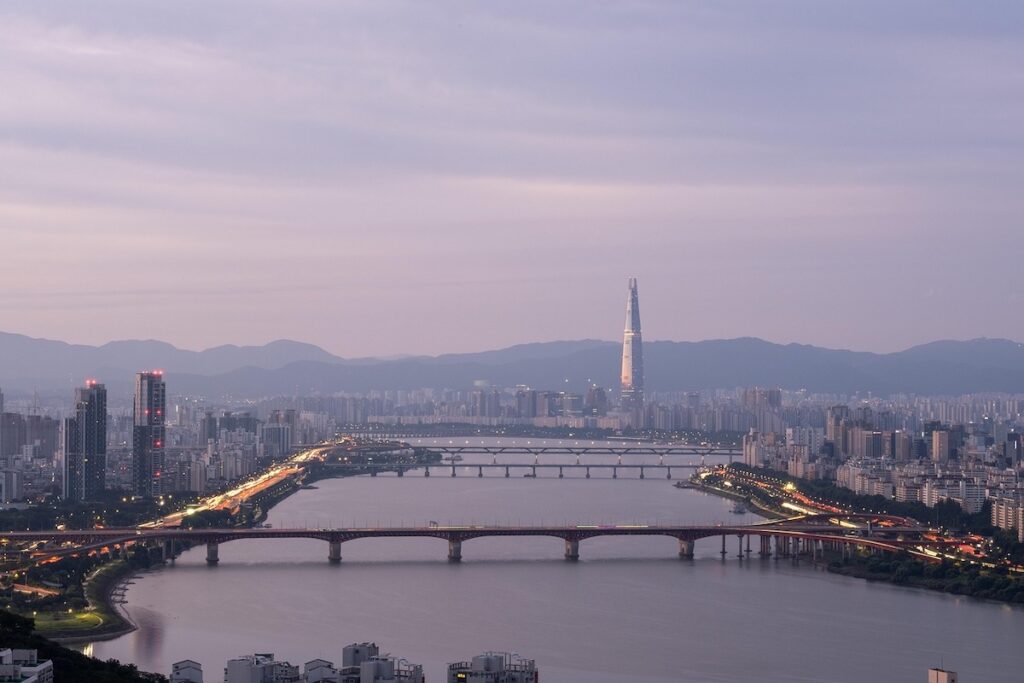
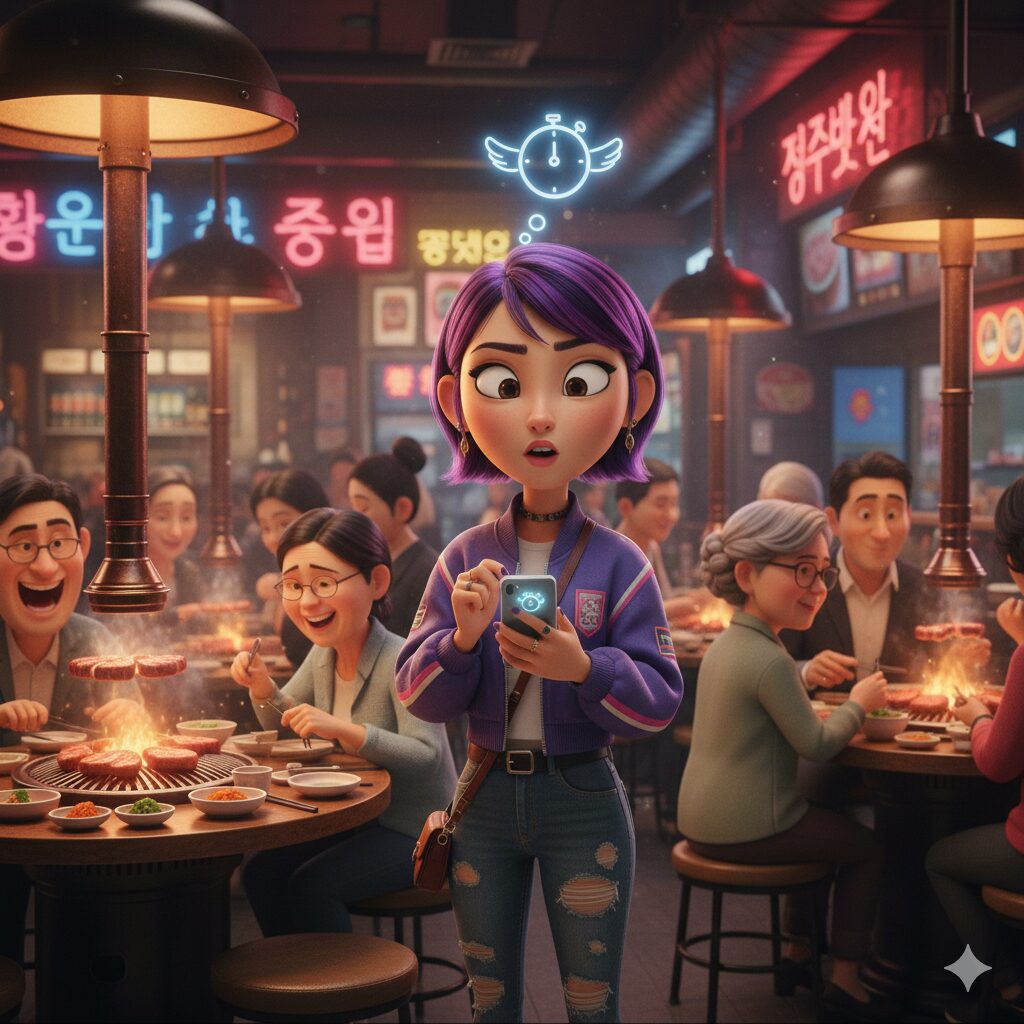
While you may find kinship with the Korean 20s generation, whose mindset aligns with global individualism, the infrastructure of your travel—the grand lobbies of the Shilla, the hushed halls of Lotte Department Store, and the exclusive counters of Michelin-starred restaurants—is managed by a generation that views Nunchi as the highest form of social intelligence.
For the 4050 generation, Nunchi is not about “watching one’s step” out of fear; it is about anticipatory grace. They expect you to understand the room’s atmosphere, and in return, they will provide a level of service that borders on telepathy.
1. The Airport & Luxury Hotels: The Ritual of Mutual Respect
When you check into a premium suite, the staff is constantly practicing Nunchi on you. They are reading your fatigue, your tone, and your subtle gestures.
- The Foreigner’s Fear: “Am I being too demanding by asking for extra amenities late at night?”
- The Strategic Win: In a culture governed by the older generation, politeness is currency. By practicing a “Soft Nunchi”—being hyper-aware of the staff’s effort—you actually gain leverage. A guest who shows they understand the hotel’s “flow” is often rewarded with “Service” (complimentary upgrades or gestures) that a demanding individualist would never receive.
- Actionable Plan: Use a slight bow and lower your vocal volume in the lobby. This signals to the 4050 managers that you are a “person of culture,” unlocking a higher tier of hospitality.
2. Department Stores & Fine Dining: Turning the Gaze into Favor
In high-end shopping districts like Apgujeong, a salesperson might follow you closely.
- The Foreigner’s Fear: “Are they monitoring me because they don’t trust me?”
- The Reality of Nunchi: They are practicing Wait-and-See Nunchi. They are waiting for the exact millisecond your eyes linger on a product to assist you without you having to raise your voice.
- The Strategic Win: In fine dining, especially at traditional or high-end establishments, the 50-something owner or head chef is the “God of the Room.” If you mirror the quiet, focused energy of the space, the chef will perceive you as a connoisseur. This often leads to the “Oh My Card” ritual being replaced by a genuine connection, where the chef might offer a special off-menu dish simply because you “understood the room.”
The ROI of Nunchi: How to Hack Seoul’s Luxury Infrastructure
Understanding the philosophy of Nunchi is intellectual; using it to secure a suite upgrade or a reserved table at a fully booked Michelin restaurant is strategy. In the world of high-end Seoul, the “Loud American” or the “Demanding Individualist” often pays full price for standard service. Here is how you use Nunchi to get more for your money.
1. The Hotel Hack: Securing the “Unadvertised” Upgrade
When checking into a luxury property like the Four Seasons Seoul or Josun Palace, do not start with demands.
- The Strategic Move: Observe the lobby’s energy. If it’s peak check-in time, wait 5 minutes. When you approach the desk, acknowledge the manager’s busy afternoon with a brief nod—this is “Nunchi Validation.”
- The Result: When you then politely ask about room availability in a quiet, lowered tone, the 4050 manager perceives you as a “high-value guest” who respects their operational flow. This is the moment they “find” a corner suite or a late checkout that was “unavailable” on the screen.
2. The Department Store Strategy: Unlocking Private Lounges and Discounts
At Shinsegae Gangnam or The Hyundai Seoul, the 4050 floor managers run a tight ship.
- The Strategic Move: Instead of rushing to the rack, practice “The Mirroring.” Watch how local VIPs interact with staff. If you are planning a major purchase (Luxury Watches, Jewelry), ask for a personal shopper not by demanding, but by inquiring about the “Expert’s recommendation for a first-time visitor.”
- The Result: This strokes the “Helper’s Pride” of the older staff. They are much more likely to guide you to Tax-Refund kiosks, exclusive brand gift-with-purchase programs, or even access to VIP lounges that are typically restricted to domestic high-spenders.
3. Fine Dining: The “Omakase” Treatment in Any Cuisine
When dining at an elite Hanwoo or Sushi house, your goal is to be the “Chef’s Favorite.”
- The Strategic Move: Put your phone away during the first three courses. Show “Active Nunchi” by focusing entirely on the food and the server’s explanation.
- The Result: When the 50-something Head Chef notices your concentration, their professional ego is validated. This is how you get the “Service” (complimentary premium cuts) or a direct booking link for your next visit, bypassing the 3-month waitlist on global apps.
The Philosophy: Nunchi is Not a Chain, It’s a Key
Westerners often fear that conforming to “Nunchi” means losing their individuality. However, as Hollywood actress and K-culture enthusiast (often seen admiring the quiet order of Seoul) might observe, it is actually a form of Urban Zen.
By acknowledging that the 4050 generation runs the city’s heart, and by adapting your “Individualist” frequency to the “Nunchi” frequency of Seoul, you don’t just survive—you thrive. You move from being a “clumsy tourist” to a “sophisticated guest” who knows how to navigate the silent currents of one of the world’s most complex cities.
The Myth of the Cold Seoulite: Why Their Silence is Your Biggest Safety Net
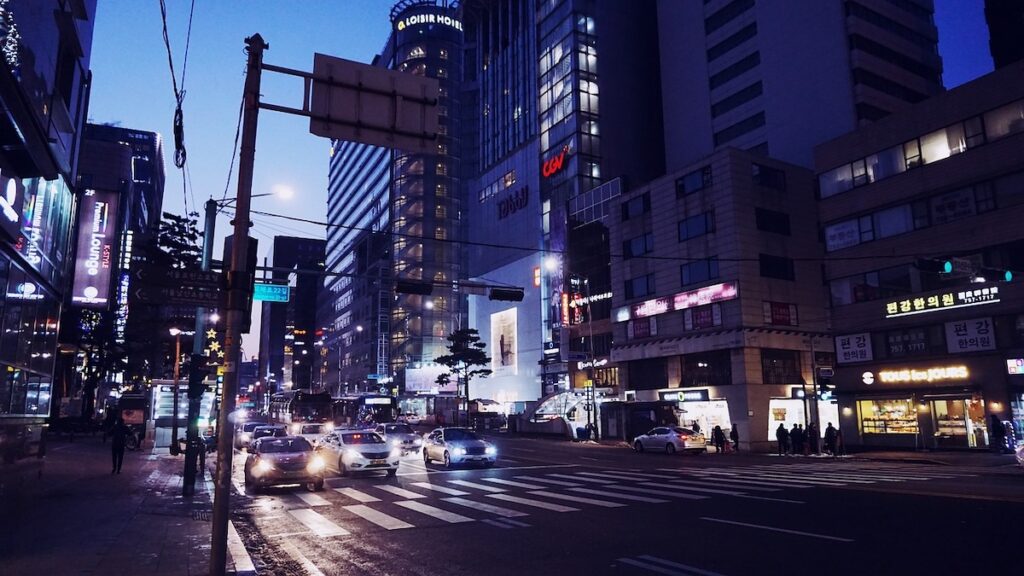
One of the most common laments among travelers is that Seoulites can seem “cold” or “indifferent.” You might stand on a busy street corner in Gangnam, looking at a map, and feel invisible as people rush past you without a glance. But here is the secret that only seasoned observers know: It is not indifference; it is a profound respect for your journey.
The “Do Not Disturb” Philosophy
In the mind of a Seoulite—especially the 4050 generation running the city—interrupting a stranger is considered an intrusion. They assume you have a plan, and they do not want to “invade” your private experience or cause you “inconvenience” (Bul-pyeon). To them, staying out of your way is the highest form of Patriotic Etiquette. They want you to remember Korea as a seamless, efficient, and peaceful place.
The Magic of the Question: Awakening the “Helper’s Pride”
However, the moment you break the ice and ask for help, the “Cold Seoulite” undergoes a cinematic transformation.
Why? Because at the heart of the Korean psyche is a desire to be seen as “someone who gives their absolute best.” Whether it is an obsession with national pride or a personal standard of excellence, a Korean will rarely give you a halfway answer.
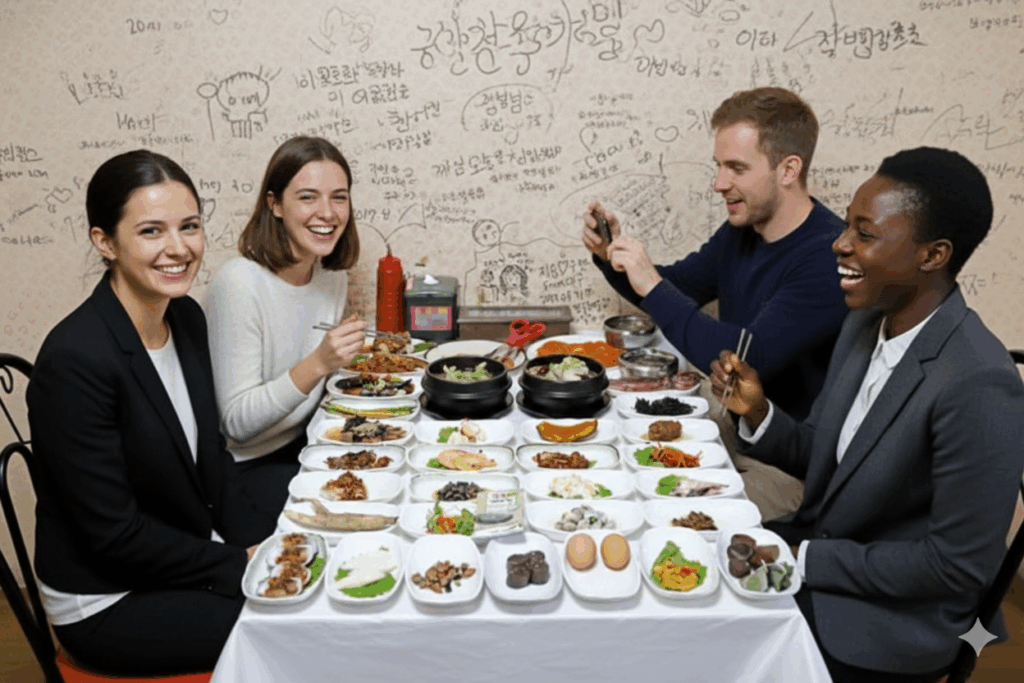
- The Experience: If you ask for a restaurant recommendation, don’t be surprised if they walk you three blocks to the door.
- The Psychological Hook: By asking for help, you are giving them the opportunity to represent Korea. You are inviting them to be your hero for a moment.
Why You Should Ask: Transforming Your Travel
Don’t be afraid to break the “Nunchi” silence when you are lost or curious.
- To the Westerner: You might feel like you are being a “burden.”
- To the Korean: You are giving them a chance to prove that Korea is the most hospitable place on earth.
Whether it is a hotel concierge, a store manager, or a stranger on the subway, once you initiate contact, the “Nunchi” shifts from observing you to serving you with a fierce intensity. This is the “Hidden Warmth” of Seoul—a fire that only starts when you strike the first match.
Elevate Your Seoul Life: Essential Guides for Modern Expats
Mastering the silent language of Nunchi Culture in Seoul for Luxury Travelers is the first step toward true integration. To further refine your journey and build a lasting legacy in this dynamic city, explore our curated guides on navigating the complex systems of Korean wealth, education, and wellness.
- [How to Buy Korean Stocks as an Expat: A 2026 Guide to Local Wealth] Now that you understand the cultural mindset, learn how to translate that insight into financial growth. This updated 2026 guide walks you through the regulatory landscape of the KOSPI and KOSDAQ.
- [International Schools in Seoul 2026: The Ultimate Expat Education Guide] For families navigating the “Nunchi” of the elite education system, we provide a deep dive into the top-tier international schools, curricula, and admission rituals for the 2026 academic year.
- [Best Walking Shoes for Korea: A Senior’s Mobility Ritual] Seoul is a city best explored on foot. Whether you are navigating the steep hills of Hannam-dong or the marble floors of luxury department stores, discover the footwear that honors both your style and your physical longevity.
Conclusion: Nunchi as Your Ultimate Urban Zen
Mastering Nunchi Culture in Seoul for Luxury Travelers is not about surrendering your individuality; it is about attaining a higher frequency of social existence. In the West, we are taught to speak up to be heard, but in the sophisticated corridors of Seoul, you are heard most clearly through your silence and your ability to read the unspoken.
Whether you are negotiating a late check-out with a 50-year-old hotel manager or enjoying the silent choreography of a fine-dining kitchen, remember that the “coldness” you once feared is actually a shield of respect. By embracing the Helper’s Pride of the locals and aligning your rhythm with the generational wisdom that operates the city, you transcend the role of a mere spectator. You become a part of the city’s pulse.
In 2026, Seoul remains a city of hidden layers. Those who rely solely on their voices will only see the surface. But those who master Nunchi will find that the city opens its most exclusive doors, offering a level of warmth and hospitality that no amount of money can buy—only a shared understanding can unlock.