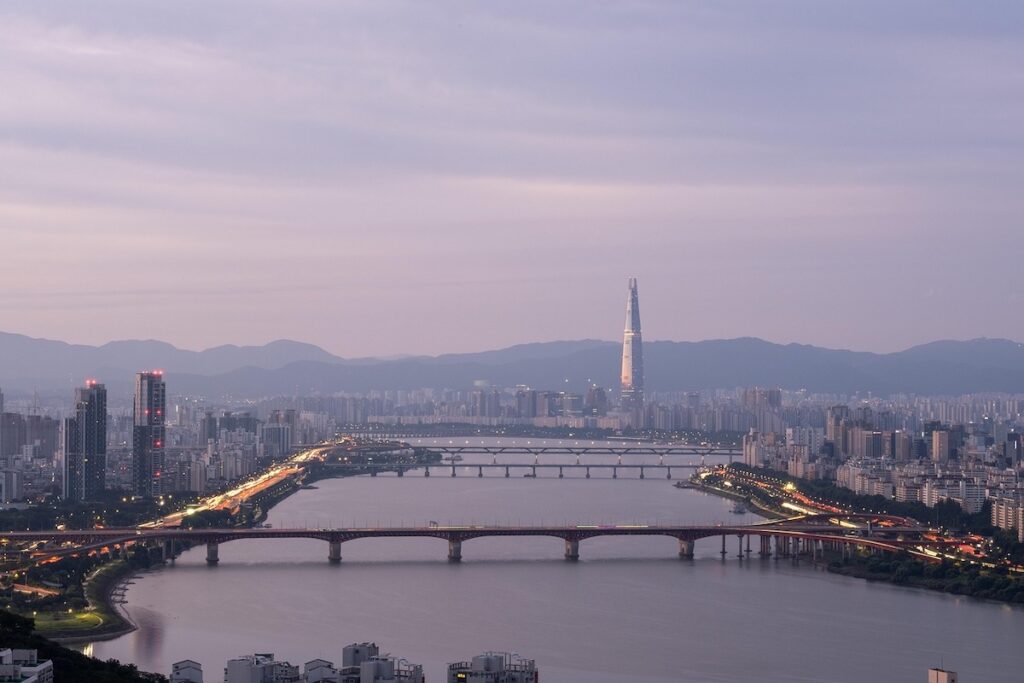
If you are still clutching a worn-out map of Myeongdong, you are living in a Seoul that no longer exists. By 2026, the city’s creative and cultural gravity has shifted. While the masses fight for space in the crowded center, the true connoisseurs of travel are looking toward the Seoul East Guide 2026. This is a world where vertical luxury meets horizontal reality.
As a resident observer of Seoul’s ever-changing pulse, I have spent countless nights navigating the shift between high-end districts and the raw, unpolished energy of the university streets. Staying at the Signiel Seoul or Lotte Hotel World provides a panoramic, sanitized dream of the metropolis from the 100th floor. It is silent, marble-clad, and perfect. But perfection can be isolating. Through my lens, I’ve captured the transition from that silent sky to the visceral, neon-soaked labyrinth of Konkuk University (Konkuk-dae).
To touch the beating heart of the city, one must descend from the clouds. In this guide, I draw from actual midnight runs through the East, documenting everything from the “Survival of the Trendiest” in the back alleys to the invisible safety rituals that make this district the safest in the world. This isn’t just a detour; it is a ritualistic escape from the curated luxury of Jamsil to the raw, unfiltered industry of the East.
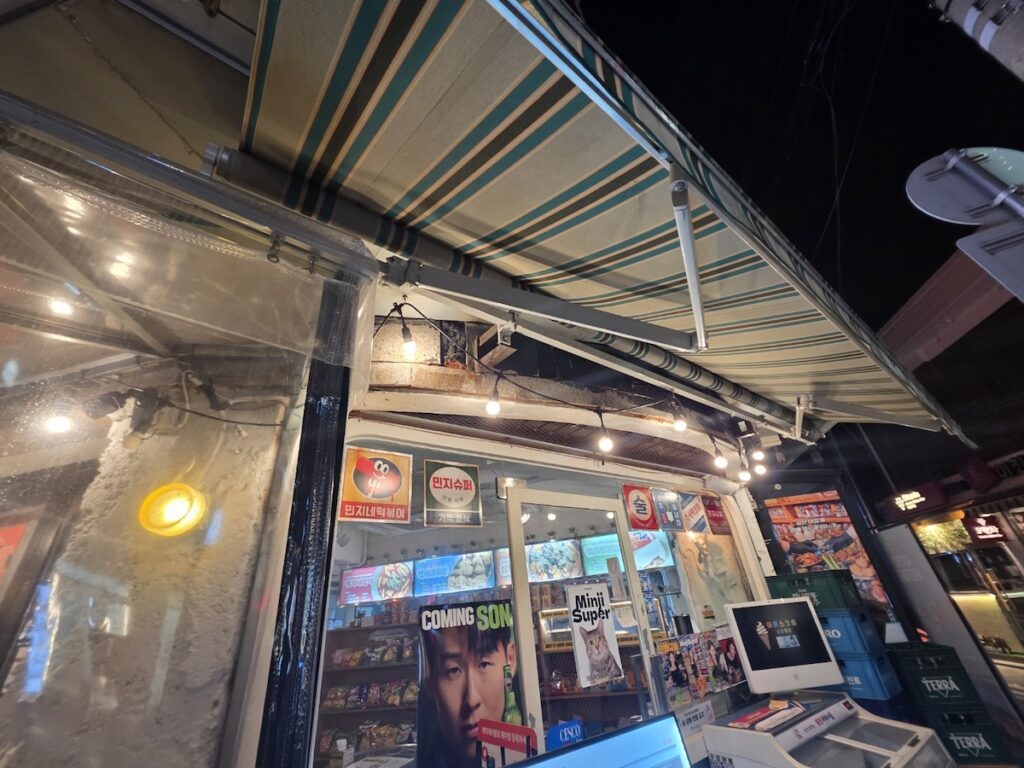
The Vertical Escape: Beyond the Clouds of Signiel
Staying at the Signiel Seoul or Lotte Hotel World provides a panoramic, sanitized dream of the metropolis from the 100th floor. It is silent, marble-clad, and perfect. But perfection can be isolating. To touch the beating heart of the city, one must descend from the clouds. Just a 10-minute taxi ride or a few stops on the Green Line (Line 2) brings you to the neon-soaked labyrinth of Konkuk University (Konkuk-dae).
This isn’t just a detour; it is a ritualistic escape from the curated luxury of Jamsil to the raw, unfiltered energy of the East.
The Raw Texture: The Ritual of the Local Pub
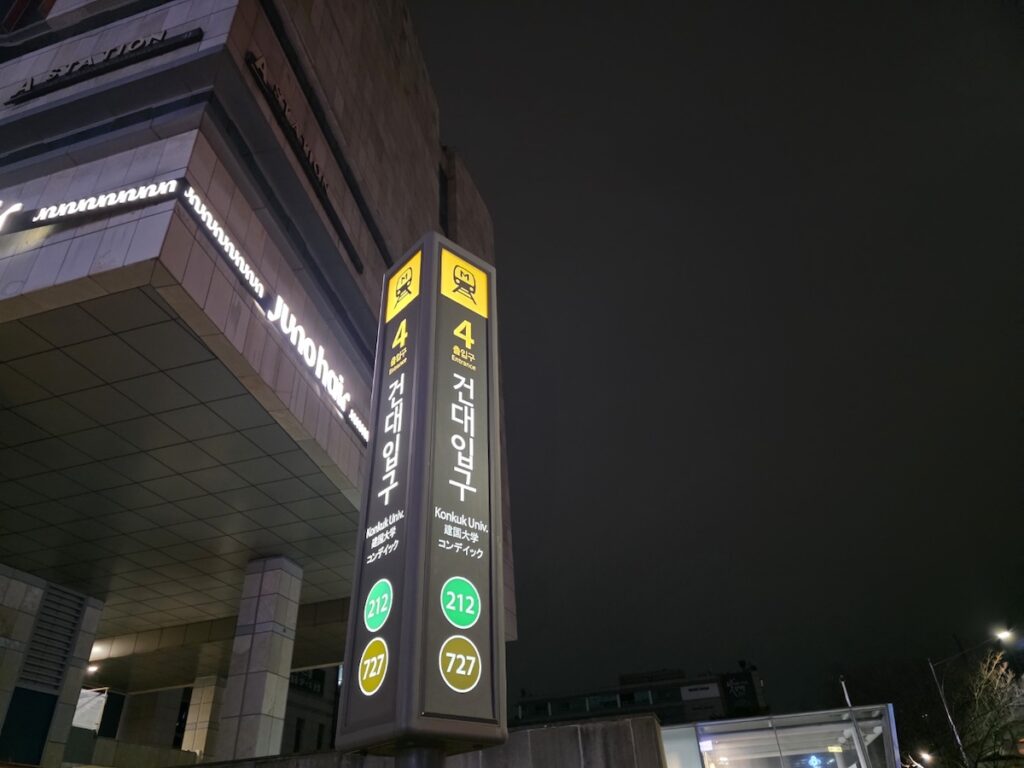
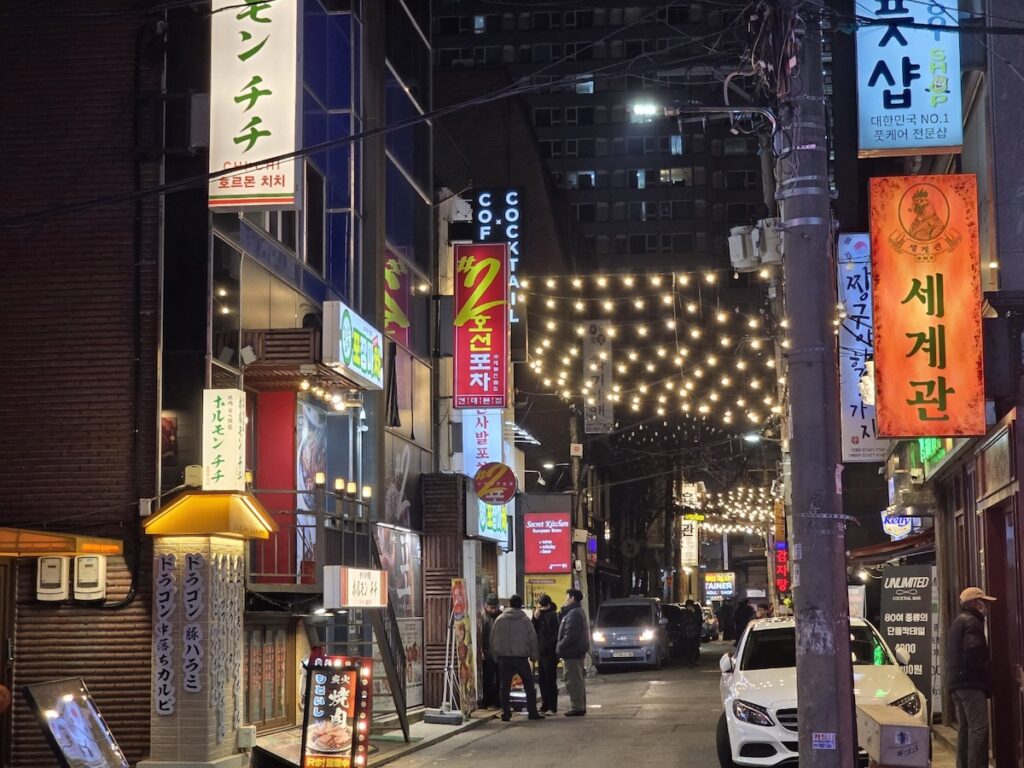
In the back alleys of Konkuk, the high-end dining of Signiel is replaced by the “Street Aesthetic.” Here, you won’t find Michelin stars, but you will find the soul of the Seoul East Guide 2026.
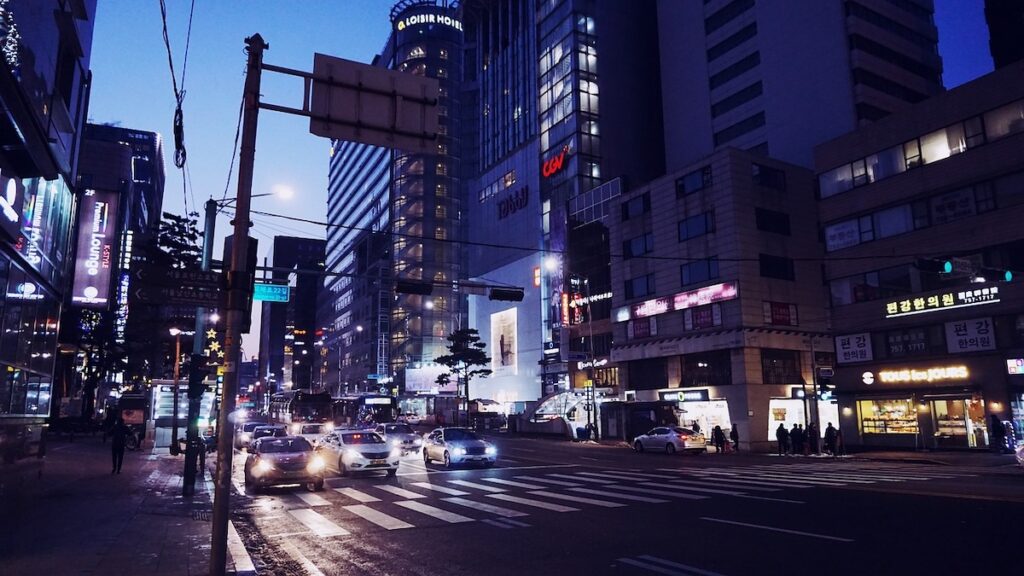
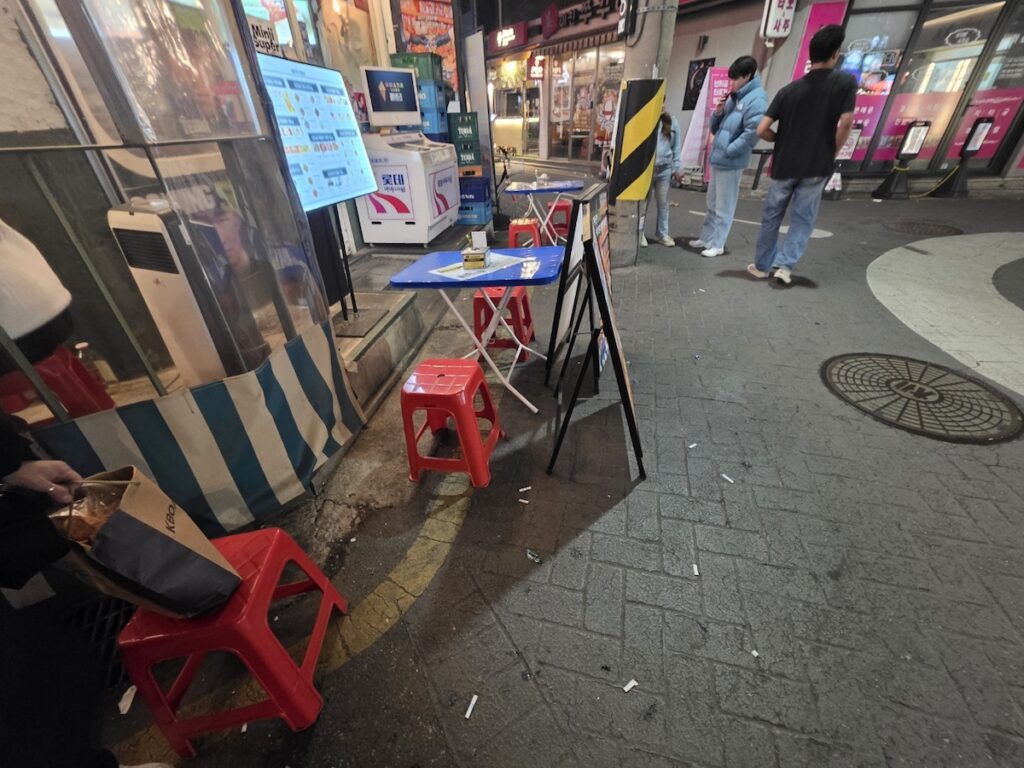
- The Visual Pulse : The neon signs here aren’t for high-end boutiques; they are for local “Pocha” (street pubs) and karaoke rooms. The layered, chaotic glow of these signs creates a cinematic noir atmosphere that you can’t find in the sterilized malls of Gangnam.
- The Ritual of the Plastic Chair : There is a peculiar elegance in sitting on a bright yellow plastic chair on a humid Seoul night. It is a social contract of equality, where university students and weary professionals share the same “Pali-Pali” (hurry-hurry) pace of life. It’s a sensory experience that no five-star lounge can replicate.
The Commercial Darwinism: Beyond Sightseeing into the Arena of Survival
When you walk through the neon-soaked corridors of the Seoul East Guide 2026, you aren’t just looking at restaurants and bars. You are witnessing a high-stakes arena of Commercial Darwinism. In the Konkuk University district, the competition is so fierce that an uncompetitive business can vanish in a matter of months.
1. The Survival of the Trendiest
The thousands of signs screaming for your attention represent the “Survivors.” Every open door you see is a business that has fought to stay relevant in a market that never sleeps. For a traveler, this is an opportunity to look beyond the “Tourism” and into the “Industry.” You are seeing the front lines of Korea’s intense self-employment culture, where only the most innovative and resilient brands survive.
2. The Living Industry: A Masterclass in Adaptation
This is why Seoul’s streets feel so electric. The interior designs, the hyper-efficient service, and the constantly evolving menus are all weapons used in a war for consumer attention. When you sit on that yellow plastic chair , you are participating in a multi-billion dollar ecosystem of street-level entrepreneurship. We suggest a new kind of travel: Don’t just consume the food; observe the hustle. Observe the industrial grit that keeps these neon lights burning 24/7. This is the real “Korean Wave”—the relentless drive to thrive against all odds.
The Green Sanctuary: Children’s Grand Park Rituals
If the neon alleys of Konkuk provide the adrenaline, Children’s Grand Park is the deep, rhythmic breath of the Seoul East Guide 2026. Located just one stop away, this massive green lung offers a stark contrast to the urban chaos.
- The Hidden Luxury: For a guest staying at the Lotte Hotel, a morning jog through the ancient trees of the park is a secret ritual. It is one of the few places in Seoul where you can find a sprawling zoo and botanical gardens within the city center, offering a “Slow Ritual” that perfectly balances the “Fast Night” of the university district.
Safest Solo Night Walk Seoul 2026: The Invisible Guard of the East
For many global travelers, the idea of walking alone through a neon-lit back alley at 2:00 AM sounds like a scene from a thriller. However, in our Safest Solo Night Walk Seoul 2026 guide, we reveal why the district of Konkuk is actually a sanctuary of security. The “raw” aesthetic of the streets often masks one of the most sophisticated urban safety infrastructures in existence.
1. The Ritual of “Safety First”
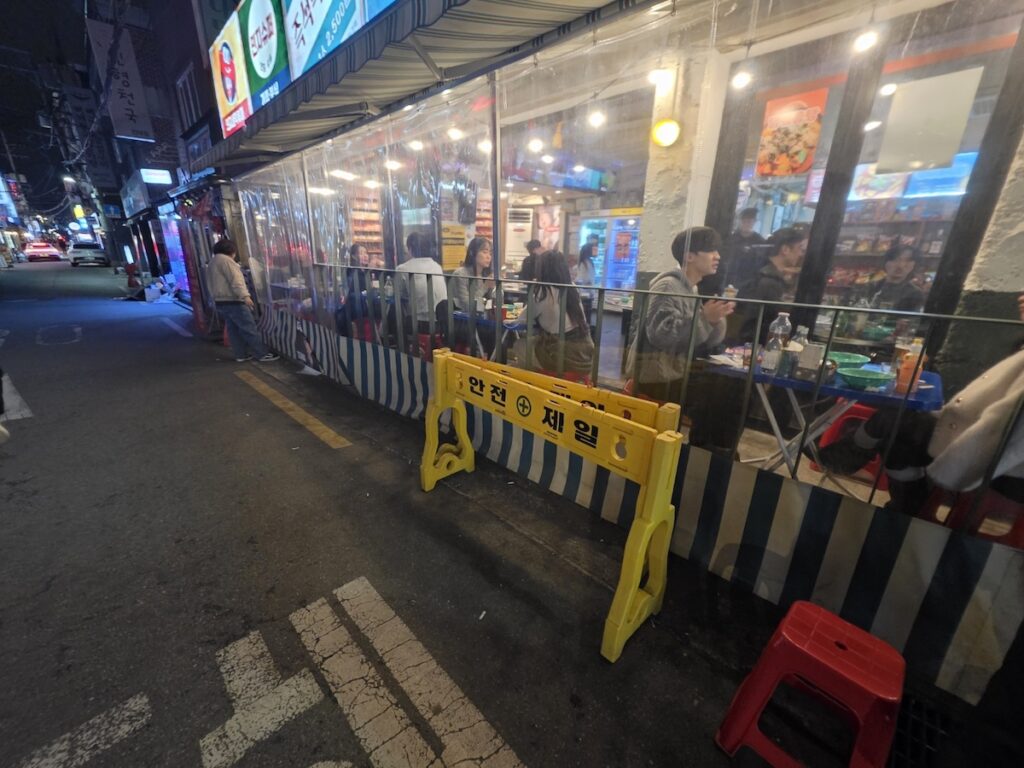
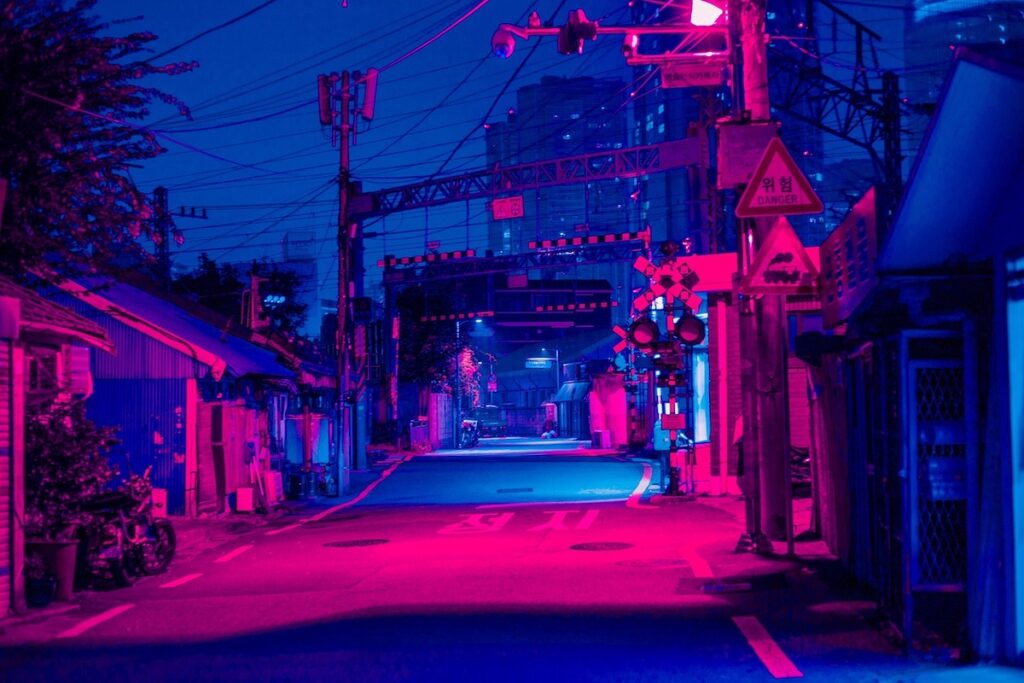
As you navigate the narrow corridors of the East, you will notice the yellow “Safety First” barriers and bright bollards standing guard . These are not just construction markers; they are symbols of a city that prioritizes the pedestrian experience even in its most industrial corners. This visual commitment to order ensures that every Safest Solo Night Walk Seoul 2026 is anchored by physical reminders of protection.
2. The Omni-Present Digital Guardian
Seoul’s reputation for safety is built on a foundation of high-definition technology. Every alley in the Konkuk district is monitored by an extensive network of CCTV cameras. For a solo traveler, this means you are never truly alone. This invisible watchman creates a high-trust social contract, allowing you to focus on the vibrant energy of the night without the constant need to look over your shoulder.
3. The 24/7 Human Pulse
Unlike European or American city centers that can turn “ghostly” after midnight, Seoul East maintains a consistent human pulse. The constant movement of university students, late-night workers, and groups of friends provides a natural “community policing” effect. On a Safest Solo Night Walk Seoul 2026, the presence of others is your greatest security feature. Whether you are holding an expensive smartphone to capture the neon lights or simply finding your way back to the Signiel, the streets of the East offer a level of peace that is a luxury in its own right.
Action Plan: Essential Destinations in Seoul East
To experience the Seoul East Guide 2026 perfectly, visit these key locations that define the balance between luxury and local grit.
| Location | Category | Address | Key Feature |
| Signiel Seoul | Luxury Stay | 300, Olympic-ro, Songpa-gu | 100th-floor panoramic view |
| Lotte Hotel World | Luxury Stay | 240, Olympic-ro, Songpa-gu | Proximity to Lotte World |
| Konkuk University | Local Hub | 120, Neungdong-ro, Gwangjin-gu | The center of nightlife & energy |
| Children’s Grand Park | Nature | 216, Neungdong-ro, Gwangjin-gu | Zoo, Botanical Garden, & Jogging |
The Arena of Survival: Observing Commercial Darwinism
In the Seoul East Guide 2026, your journey transcends mere sightseeing; it becomes an observation of one of the world’s most intense economic ecosystems. The neon labyrinth of Konkuk University is not just a collection of bars—it is a high-stakes arena of Commercial Darwinism.
When you look at the thousands of signs competing for your gaze, you are witnessing the “Survivors.” In this district, a business that lacks trendiness or efficiency doesn’t just struggle; it vanishes. Every open door you see is a brand that has evolved to survive the brutal “Pali-Pali” pace of Korean entrepreneurship.
We suggest a new kind of travel: Don’t just consume the food; observe the hustle. Sitting on a yellow plastic chair is your front-row seat to a multi-billion dollar arena of street-level innovation. This is the real “Korean Wave”—the relentless, almost desperate drive to thrive against all odds. It is the industrial grit that keeps the neon lights burning 24/7.
Related Guides
- Korea Night Air: 5 Reasons Why Seoul’s Shared Breath Ritual is the Safest in the World (2026) – We explored the “Invisible Guardian” (CCTV) inside the university alleys; now, look at the safety of the entire city. Learn why leaving your belongings unattended is part of a larger, nation-wide social contract that makes Seoul’s nightlife uniquely peaceful and secure.
- 7 Tactical Rules for the Korean Dining Experience: From Refill Rights to Legal Safety – While our current guide touches on “Commercial Darwinism,” this article focuses on the rules of engagement at the table. From the “Free Refill” culture to the legal protections for consumers, master the tactical side of dining in the world’s most competitive food scene.
- Safety in South Korea for Tourists: Your $10 Mistake is Fatal – Don’t let a small oversight ruin your trip. This guide dives deep into the high-trust society of Korea, explaining why a $10 lost item is usually returned, but how minor cultural misunderstandings can impact your travel experience. A must-read for anyone venturing beyond the luxury of Signiel.
- Inside Seoul’s Smart Crosswalk System: The Future of Pedestrian Safety and City Life – The “Safety First” barriers we observed in Konkuk are just the tip of the iceberg. Explore the high-tech infrastructure under your feet, from LED floor lights to smart sensors, and see how Seoul is redefining urban movement and pedestrian safety for 2026.
Conclusion: The New Center of Gravity
The Seoul East Guide 2026 is a manifesto for the modern traveler: Don’t be a tourist, be an observer of life. We challenge you to burn your old maps of Myeongdong and look toward the East. Sleep in the clouds at the Signiel Seoul, but find your pulse on the street level of Konkuk. This district offers a rare, multi-layered ritual where you can transition from the serene greens of Children’s Grand Park to the fierce, competitive energy of the university alleys within minutes.
Ultimately, the true beauty of Seoul East lies in its honesty. It is a place where luxury meets grit, and where every neon light tells a story of survival. Between the quiet shadows of the park and the wild, industrial hustle of the streets, you will find the most authentic version of Seoul 2026. The city is waiting for you to stop looking and start seeing.