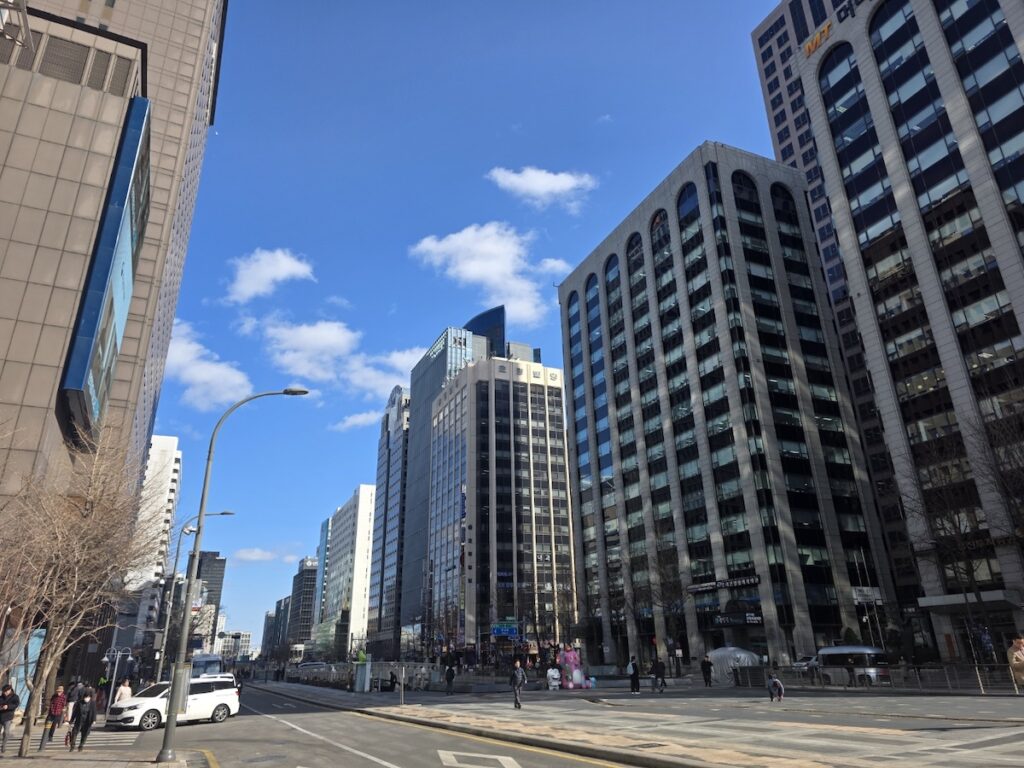
Seoul travel mistakes often begin before the trip even starts, when visitors try to fit too many famous places into one day.
I understand why this happens. When I travel abroad, I also visit the places that feel almost textbook-famous: the landmarks, old streets, museums, markets, viewpoints, and historic sites everyone talks about. There is nothing wrong with that. Famous places become famous for a reason.
But when I think about the trips that stay with me longer, they are not always the moments when I stood in front of the most famous building.
Sometimes the better memory is a local restaurant in a residential neighborhood. A cheap meal near a university. A street where people are not posing for travel photos, but carrying groceries, eating lunch, waiting for buses, or drinking coffee after work. Those moments make me feel, maybe a little selfishly, like I am traveling better. Not because I found a secret place, but because I briefly stepped outside the tourist version of a city.
Seoul rewards that kind of travel.
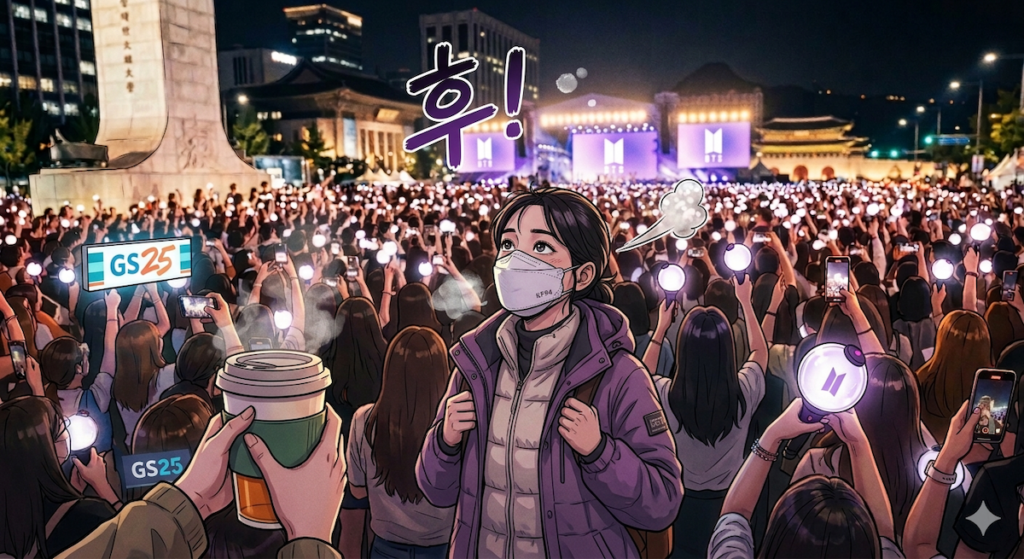
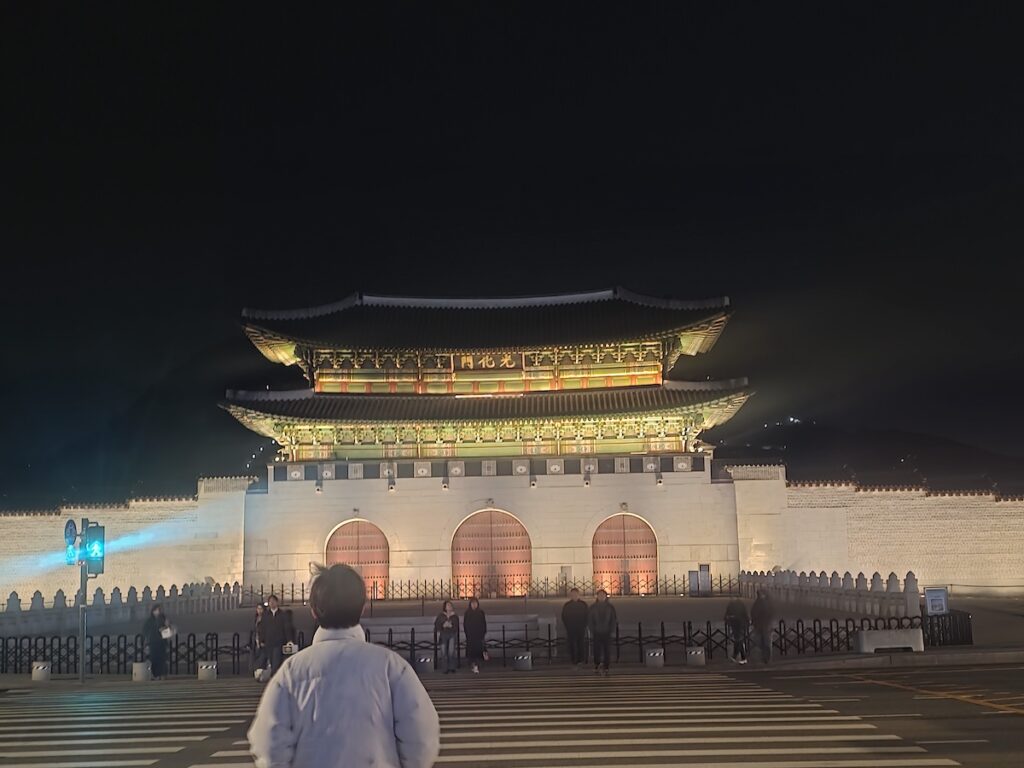
Of course, you should visit Gyeongbokgung Palace, Myeongdong, Namsan, Hongdae, Gangnam, or the Han River if they interest you. But if your entire trip is built only around famous places, Seoul can start to feel like a checklist. You move from one name to another, take photos, eat near the attraction, move again, and wonder why the city feels more exhausting than meaningful.
A better Seoul trip is not about skipping famous places. It is about mixing them with the ordinary spaces where Seoul actually lives.
Quick Answer: What Is the Biggest Seoul Travel Mistake?
The biggest Seoul travel mistake is planning too many famous places in one day without considering neighborhoods, walking time, subway exits, hills, meals, crowds, and the actual rhythm of the city. Seoul is easier to enjoy when you plan by area instead of jumping across the map. Rather than filling one day with Gyeongbokgung, Bukchon, Myeongdong, Namsan, Hongdae, and the Han River, choose one main zone, add a local meal nearby, leave time for walking and cafés, and save energy for the evening. Seoul feels deeper when you experience both tourist spaces and everyday neighborhoods.
The Problem With Checklist Travel in Seoul
Many first-time visitors plan Seoul like a list of famous names.
Gyeongbokgung. Bukchon. Insadong. Myeongdong. Namsan. Hongdae. Gangnam. Han River. COEX. Dongdaemun. Itaewon.
On a map, it may look possible to connect several of these in one day. Seoul’s subway system is excellent, taxis are not extremely expensive compared with many Western cities, and the city seems efficient enough to handle ambitious plans.
But Seoul is not just a map.
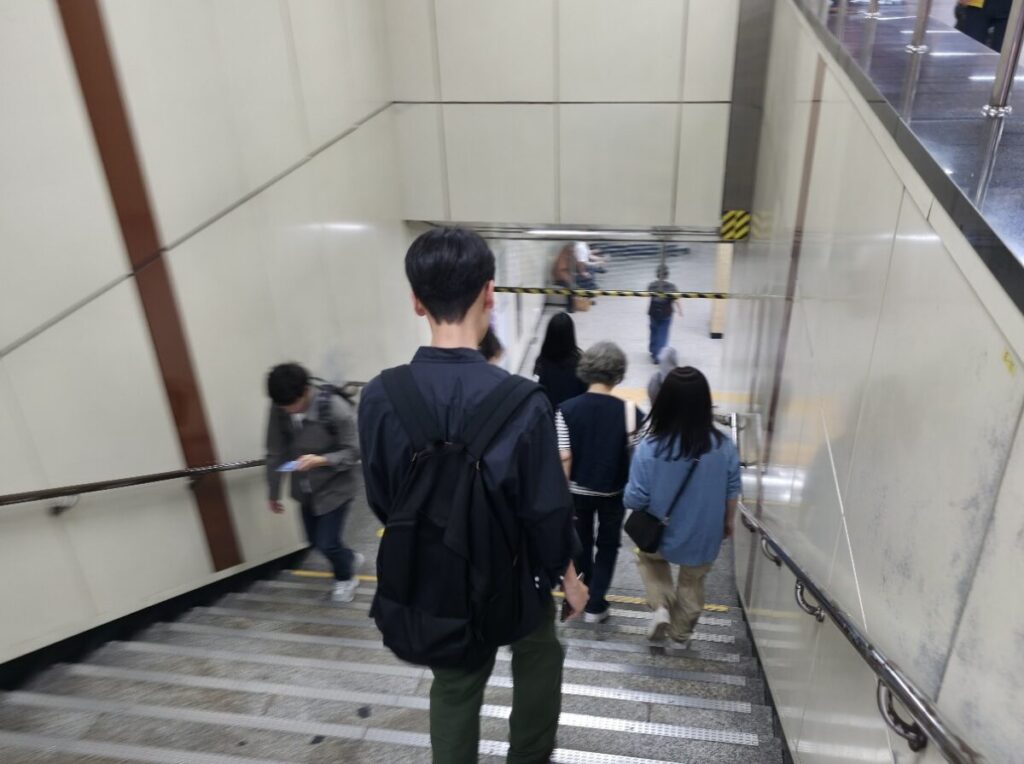
A day in Seoul includes subway stairs, long transfers, station exits, waiting for food, walking through crowds, café breaks, shopping fatigue, hills, underground malls, and the quiet mental effort of reading signs in a different language. Even when transportation works well, your body still needs to move through the city.
This is where many tourists miscalculate.
They think the mistake is choosing the wrong attraction. More often, the mistake is choosing too many correct attractions.
A schedule can be technically possible and still emotionally wrong. You may reach every place on your list, but remember very little because you were always moving to the next one.
Seoul Is Better When You Plan by Neighborhood
Seoul becomes easier when you stop planning only by attractions and start planning by neighborhoods.
This is one of the most useful shifts for first-time visitors.
Instead of asking, “How many famous places can I visit today?” ask, “Which part of Seoul do I want to understand today?”
For example, a palace-focused day can include Gyeongbokgung, Seochon, Bukchon, Insadong, or Ikseon-dong. These places are not all the same, but they can belong to one slower rhythm. You can start with history, eat in a nearby neighborhood, walk through smaller streets, and finish with tea, coffee, or a simple dinner without crossing the whole city.
A Hongdae day can include Hongdae, Yeonnam-dong, Mangwon Market, or Sinchon. This gives you youth culture, cafés, affordable food, small shops, and a more local evening atmosphere.
A Seongsu day can include Seoul Forest, cafés, pop-up stores, design shops, and Ttukseom or the Han River nearby. It is a different kind of Seoul: trendy, industrial, casual, and very social.
A Gangnam day can include Gangnam Station, COEX, Seonjeongneung, Jamsil, or Apgujeong depending on your interests. But even here, you should avoid treating the whole southern half of Seoul as one small area. Gangnam is not one tiny neighborhood. It is a large, busy, layered part of the city.
The goal is not to move less because you are lazy. The goal is to give each area enough time to make sense.
Tourist Spaces and Everyday Spaces Are Different
One reason Seoul becomes more interesting is that it has different types of spaces.
There are tourist spaces. Palaces, major shopping streets, observation points, historic villages, museums, and famous markets. These are useful because they help visitors understand the city’s official face.
There are commercial spaces. Gangnam, Myeongdong, COEX, department stores, shopping malls, business streets, clinic areas, and large brand-heavy districts. These show Seoul’s speed, consumption, ambition, and polished urban energy.
There are residential spaces. Smaller neighborhoods, local markets, apartment areas, older streets, back alleys, bakeries, small restaurants, laundries, schools, parks, and bus stops. These are not always dramatic, but they show how people actually live.
And there are mixed spaces, which are often the most interesting in Seoul. A street can have old houses, a trendy café, a small bar, a real estate office, a convenience store, a famous restaurant, and people walking their dogs all within a few minutes of each other.
If you only visit tourist spaces, Seoul may feel impressive but slightly distant.
If you mix tourist spaces with everyday spaces, the city becomes warmer.
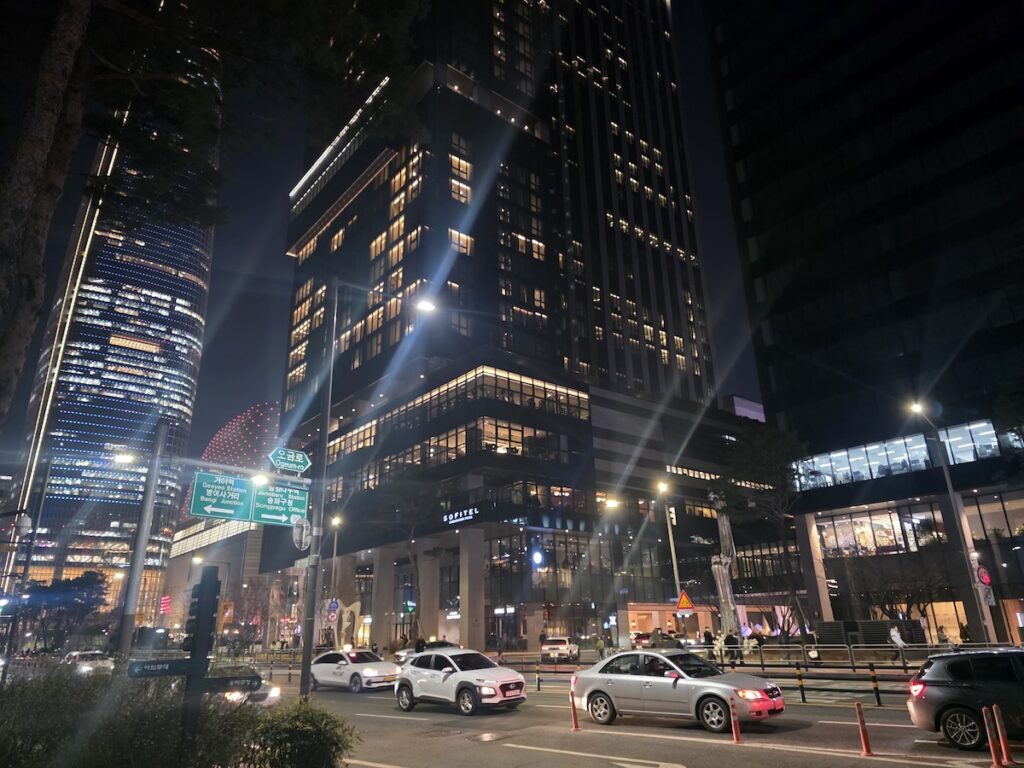
Eat at Least One Meal Where Seoul Actually Lives
Food is one of the easiest ways to travel beyond the checklist.
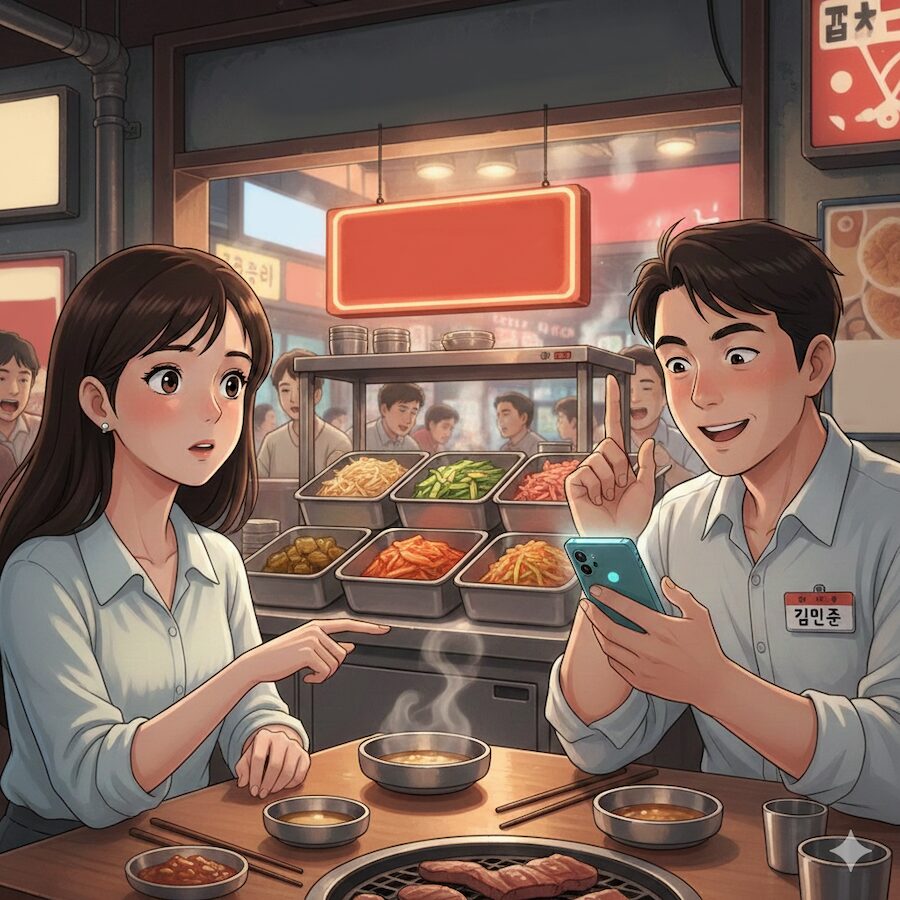
Many tourists eat near major attractions because it is convenient. That is fine sometimes. But if every meal happens in a tourist-heavy area, you may miss one of the best parts of Korea: ordinary food in ordinary neighborhoods.
Try to eat at least one meal in a residential or university area.
This does not mean you need to find a hidden restaurant with no English sign. It can be simple. A kimbap shop near a station. A small Korean diner serving stews. A student-friendly restaurant near a university. A local market stall. A casual lunch place where office workers eat quickly and leave.
These meals may not become viral on social media, but they often teach you more than a famous dessert café.
In Korea, everyday meals matter. Kimchi stew, soybean paste stew, pork cutlet, noodle soup, gimbap, tteokbokki, rice bowls, hangover soup, grilled fish, and simple lunch sets are part of the city’s real rhythm.
If you want to understand Seoul, do not only ask where tourists eat. Ask where people nearby would eat if they had work, class, errands, and limited time.
University Areas Are Useful for Travelers
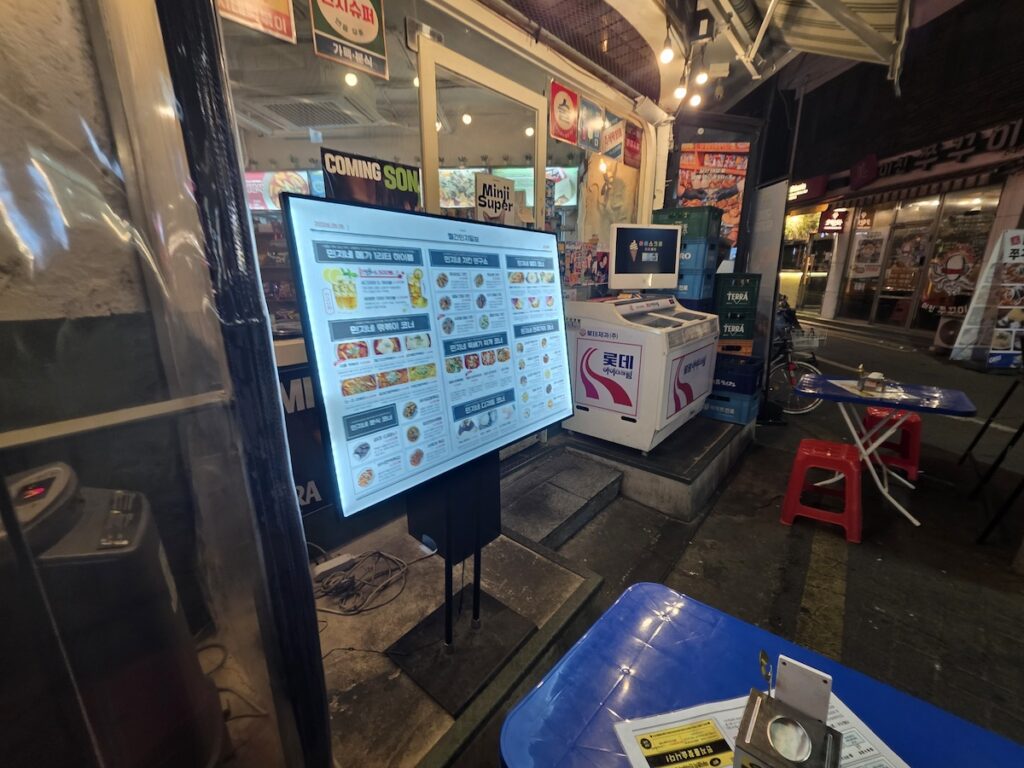
University areas can be excellent for travelers because they combine accessibility, youth culture, affordable food, cafés, and casual nightlife.
Hongdae is the most famous example, but it is not the only one. Sinchon, Hyehwa, Konkuk University area, Anam near Korea University, and parts of the Ewha area can also show a younger and more everyday version of Seoul.
These areas are useful because they are usually built for people who do not want to spend too much money every time they eat. You can find casual restaurants, snack shops, cafés, photo booths, coin karaoke, bars, and small stores. The streets are active, but not always as polished as major tourist or business districts.
For first-time visitors, university areas can also feel easier emotionally. They are lively but less formal. They give you a sense of young Korea without needing to understand every rule of nightlife or fine dining.
This does not mean every university area is automatically a must-visit. It means that if your Seoul trip feels too expensive, too polished, or too attraction-heavy, adding a university neighborhood can balance it.
Seoul Travel Planning: Common Mistakes vs Better Rhythm
| Common Seoul travel mistake | Better Seoul rhythm |
|---|---|
| Planning by famous attractions only | Planning by neighborhoods and nearby streets |
| Moving across the city all day | Staying in one area for half a day |
| Eating only near tourist landmarks | Trying meals in residential or university areas |
| Treating cafés as quick stops | Using cafés as real rest points between walks |
| Ignoring subway exits and transfers | Checking exits, walking time, and station layout |
| Underestimating hills and stairs | Wearing comfortable shoes and leaving extra time |
| Saving no energy for night | Planning one good evening area instead of three |
| Trying to see “all of Seoul” | Letting one part of Seoul become memorable |
A good Seoul itinerary is not the one with the most famous places. It is the one that respects distance, meals, subway exits, walking time, and the energy it takes to actually feel a neighborhood.
Do Not Underestimate Walking Time
Seoul is walkable, but it is not always easy walking.
A route may look short on the map, but the real experience can include stairs, underground passages, hills, crossings, crowds, or station exits that are farther apart than expected. This is especially true around large stations, palace areas, hilly neighborhoods, and major shopping districts.
In places like Itaewon, Haebangchon, Bukchon, Namsan, or Samcheong-dong, slopes can change the feeling of a short walk. In places like COEX, Express Bus Terminal, Seoul Station, or Gangnam Station, the walking may be flat but long and confusing.
This is why planning too much can hurt your trip. You may not notice the fatigue in the morning, but by evening it can change your mood. Suddenly the Han River night walk you were excited about feels like a duty. The final café becomes a place to collapse. The famous view becomes less meaningful because your feet hurt.
Leave more space than you think you need.
Seoul is not going anywhere.
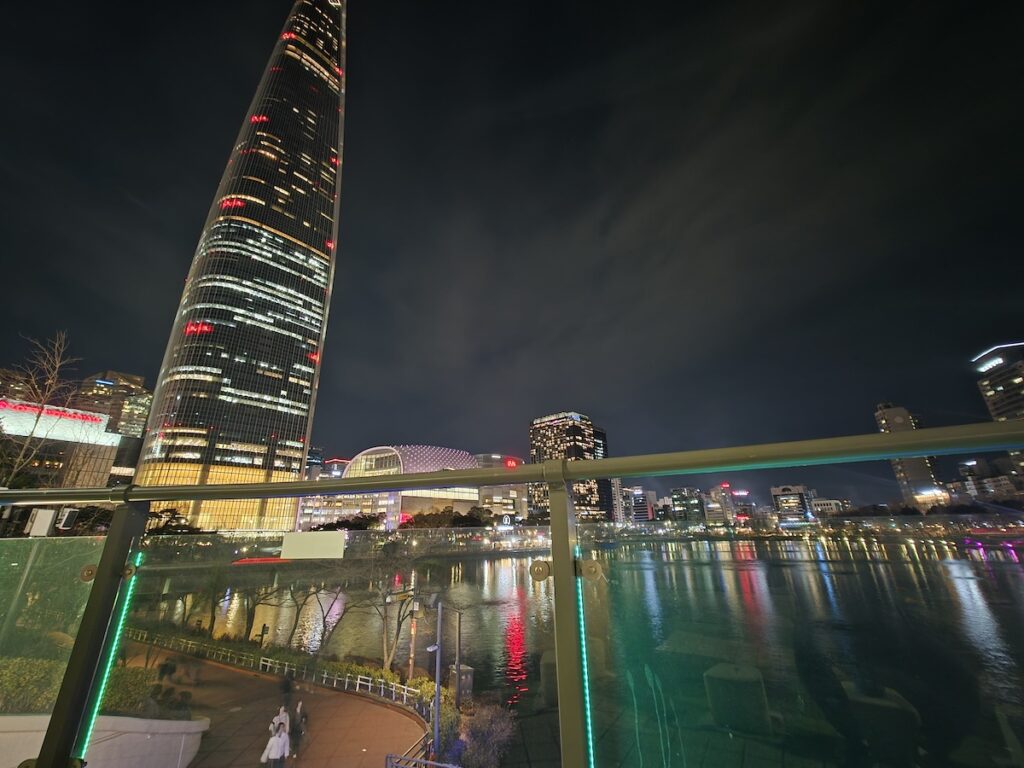
A Better Seoul Day: One Area, One Meal, One Slow Walk
If you are not sure how to plan a day, try this simple rhythm.
Choose one main area. Give it a purpose. Add one meal that is not just a tourist stop. Include one slow walk. Leave room for a café or rest break. Then choose one evening mood.
For example, instead of planning Gyeongbokgung, Bukchon, Myeongdong, Namsan, and Hongdae in one day, you could plan a slower northern Seoul day.
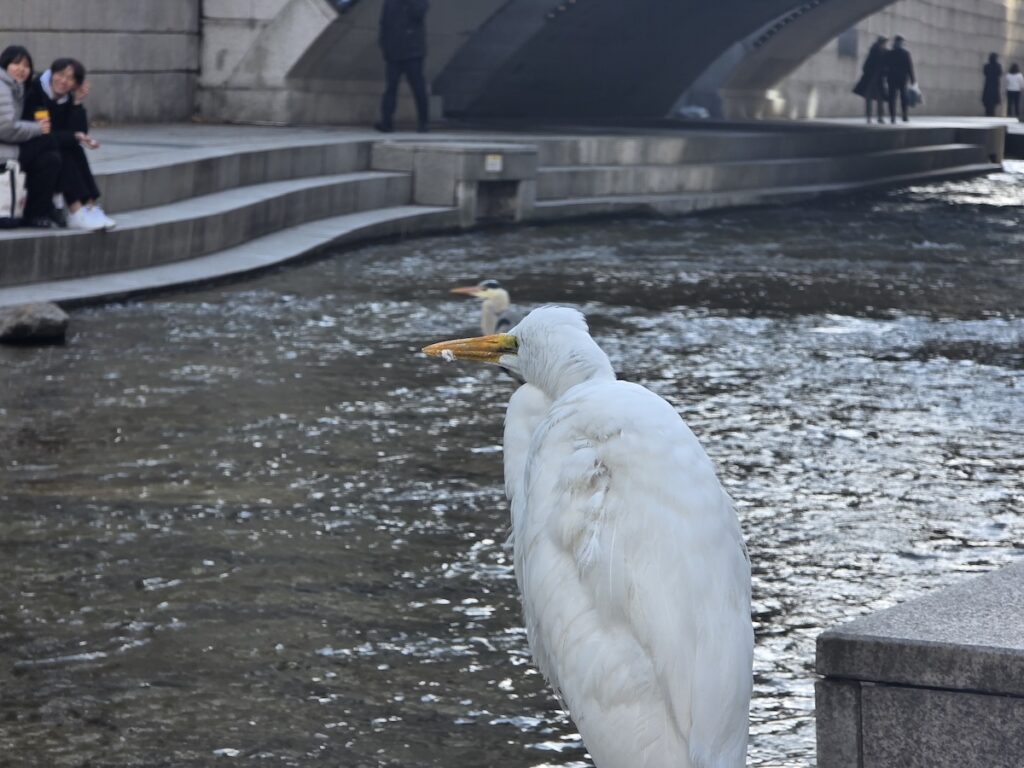
Start at Gyeongbokgung. Walk through Seochon or Bukchon. Eat lunch nearby. Spend time in Insadong or Ikseon-dong. Have tea or coffee. If you still have energy, finish with dinner in Jongno or a night walk around Cheonggyecheon.
That day may look smaller on paper. But it will likely feel better.
Another day could be built around Hongdae and Yeonnam. Start later, walk the streets, eat in a casual place, visit small shops, continue toward Mangwon if you like markets, then return for an evening around Hongdae or Sinchon.
A third day could be Seongsu and Seoul Forest. Add cafés, pop-ups, river access, and a quieter evening.
The point is not the exact itinerary. The point is the rhythm.
Famous Places Are Still Worth Visiting
This article is not saying you should avoid famous places.
That would be another kind of mistake.
Gyeongbokgung is worth visiting. Namsan can be beautiful. Myeongdong can be useful. Hongdae can be fun. Gangnam can be interesting. The Han River is part of Seoul’s emotional landscape. COEX, markets, palaces, museums, and famous streets all have their place.
The problem is not visiting famous places. The problem is visiting only famous places and never letting Seoul breathe between them.
A palace becomes more meaningful when you eat in the neighborhood after. A shopping street becomes more interesting when you notice the workers, alleys, and side streets around it. A nightlife area makes more sense when you understand who goes there, how they arrive, and what kind of social code the area carries.
Good travel is not about rejecting famous places. It is about connecting them to daily life.
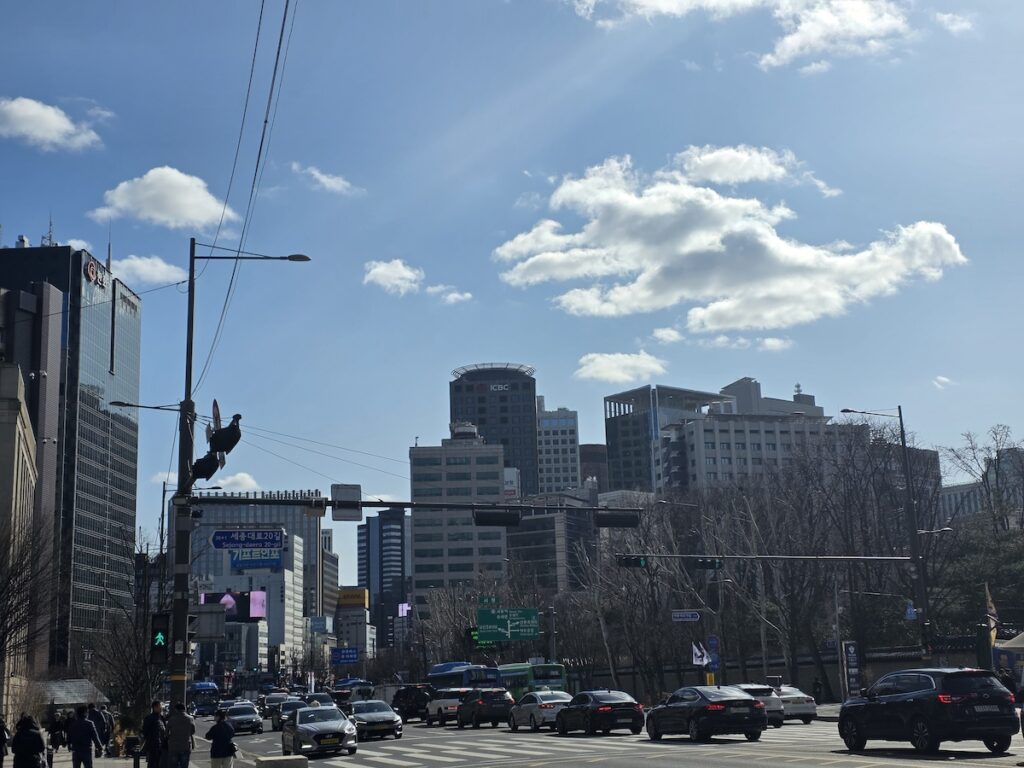
How to Feel More Like You Understand Seoul
If you want your trip to feel less generic, try adding small everyday experiences.
Eat one meal near a university. Walk through a local market without treating it only as a photo spot. Sit in a neighborhood café where people are studying or working. Take a bus once, not only the subway. Buy a simple snack at a convenience store and eat it near the Han River. Notice how people order, pay, wait, clean up, and move through shared spaces.
These details may sound small, but they are often what make Korea feel real.
A city is not only its monuments. It is also its habits.
Seoul’s habits are everywhere: the way people wait at crosswalks, tap transport cards, share side dishes, use cafés as second living rooms, carry umbrellas, gather near subway exits, eat quickly at lunch, and walk late at night under bright signs.
You do not need to understand all of it. But if you slow down enough to notice it, Seoul becomes less like a destination and more like a place.
When Planning Too Much Makes Sense
There are times when a packed itinerary is understandable.
Maybe you only have two days in Korea. Maybe this is your first and only Seoul trip. Maybe you are traveling with family and everyone wants something different. Maybe you enjoy moving quickly and collecting major sights.
That is fine.
The advice is not to travel slowly all the time. The advice is to know the cost of speed.
If you pack your Seoul schedule tightly, accept that you may need taxis, fewer long meals, fewer cafés, and less spontaneous wandering. If you want a softer, more local trip, reduce the number of major stops and spend more time inside each area.
There is no single correct way to travel Seoul. But there is a big difference between choosing a fast trip intentionally and accidentally exhausting yourself because the map made everything look easy.
Final Thoughts
The biggest Seoul travel mistakes do not always come from bad choices.
They often come from too many good choices.
Seoul gives visitors so many options that it becomes tempting to plan every famous place, every food trend, every market, every palace, every shopping street, every café, and every night view into one trip. But the city is not a checklist to finish. It is a rhythm to enter.
Visit the famous places. Take the photos. See the landmarks. But leave space for the ordinary Seoul between them.
Eat in a residential neighborhood. Try a cheaper meal near a university. Walk slowly after lunch. Sit in a café without rushing. Notice the subway exits, the hills, the markets, the apartment streets, the small restaurants, and the way people live around the places tourists came to see.
A better Seoul trip is not necessarily slower because you do less.
It is better because you understand more.
And sometimes, the moment that makes you feel like you traveled well is not the famous view everyone recommended. It is the simple meal, the side street, the student neighborhood, the quiet walk, or the ordinary table where Seoul suddenly feels less like a destination and more like a city you briefly learned how to read.