The transition to South Korea (PCS) is one of the most complex moves in a military career. Beyond the official paperwork, the logistical reality on the ground in Pyeongtaek or Dongducheon requires a deep understanding of Korean infrastructure. This guide provides the granular detail necessary to protect your assets and ensure your family’s comfort.
1. The Furniture Dilemma: Structural Realities of Korean Housing
Deciding what to put in your non-temporary storage (NTS) versus your household goods (HHG) is a financial and spatial strategic decision.
- The Elevator & Window Lift Reality: In the US, we’re used to wide staircases and large service elevators. In Korea, many modern apartments (villas) have elevators that barely fit four people, let alone a California King-size headboard. If your furniture doesn’t fit in the elevator, a “ladder truck” (a crane that lifts items through a window) is required. This is not only stressful but can be limited by power lines or narrow alleys.
- Room Geometry & Ceiling Height: Korean rooms are designed for efficiency. A massive American wardrobe or a high-post canopy bed will likely graze the ceiling or block the essential “Aircon” (AC) wall unit.
- The Smart Storage Alternative: Every square inch counts. Instead of heavy dressers, bring organizers that fit inside built-in closets. If you must bring a bed, ensure it has built-in storage drawers underneath—a standard in Korean urban living. Recommendation: Measure your “must-bring” items and compare them against a standard 8-foot ceiling and 30-inch door frame.
2. Voltage and Electronics: A Technical Deep Dive
Do not assume a simple plug adapter will save your expensive electronics. Korea operates on a 220V/60Hz system, which is a lethal combination for 110V-only appliances.
- The “Hertz” Trap: Many people focus only on voltage, but the 60Hz frequency is crucial. Digital clocks, microwaves, and specialized kitchen equipment (like KitchenAid mixers) rely on the frequency for motor speed and timing. Running these through a transformer can still result in motors overheating or clocks losing time.
- High-Heat Appliances: Devices that generate heat (irons, curling irons, high-end coffee makers) pull massive amounts of wattage. A transformer capable of handling a 1500W coffee maker is heavy (over 20 lbs) and expensive. Tactical Advice: Leave high-wattage kitchen and bathroom appliances in storage. Buy Korean versions at the PX or local “Himagart” (High-Mart) to ensure fire safety and longevity.
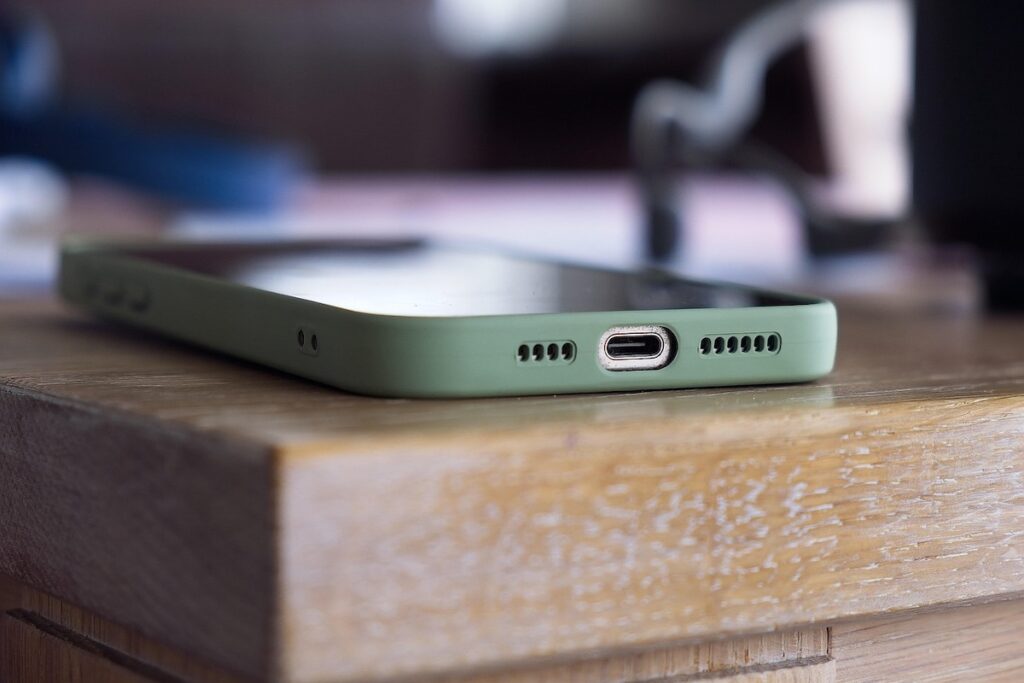
- Dual-Voltage Gear: Laptop bricks, modern smartphone chargers, and high-end monitors are usually 100-240V compatible. Look for the fine print. For these, buy a bulk pack of “Type F” (Schuko) adapters before you depart.
4. Financial Infrastructure & Digital Integration
Success in Korea is 50% mindset and 50% having the right apps on your phone. Your US-based digital life will hit a “wall” the moment you land.
- The Mapping Superiority: Google Maps is strategically handicapped in Korea due to national security laws regarding map data. It will not provide accurate walking or driving turn-by-turn directions. You must download Naver Maps or Kakao Maps. These apps show which bus is coming in real-time and even which subway car is closest to the exit.
- The “T-Money” Ecosystem: In the US, we use credit cards for everything. In Korea, the T-Money card is a stored-value card used for buses, subways, taxis, and even vending machines. Crucially, most T-Money recharge kiosks only take cash (KRW). Always carry 20,000 KRW in your wallet specifically for your commute.
- Communication via KakaoTalk: Everyone in Korea—including your local landlords, delivery drivers, and off-post coworkers—uses KakaoTalk. It is the primary mode of communication. Setting this up with your US number before you leave will make your initial arrival much smoother.
- Digital Nomads & Remote Work: If your spouse plans to work remotely, be aware of “Geo-blocking.” Many US corporate VPNs struggle with Korean IP addresses. Consider setting up a dedicated residential VPN or “Travel Router” before you PCS.
5. Essential Environmental Prep: Air Quality & Humidity
Finally, you must prepare for the Korean environment, which is often neglected in standard PCS briefs.
- Mold Prevention: The “Jangma” (monsoon season) brings humidity levels that can destroy leather boots and uniforms in days. When you arrive, prioritize buying “Thirsty Hippo” (moisture absorbers) for every closet.
- Air Quality Awareness: Download the “AirVisual” app. During “Yellow Dust” seasons, you will need KF94 masks. While the military provides some protection, having a personal supply of high-quality HEPA filters for your off-post residence is a game-changer for your family’s health.
A Final Word of Respect: We know that the logistics of a PCS are a burden borne by the whole family. By preparing for these specific Korean nuances now, you ensure that your focus remains on your mission and your loved ones. We are here to bridge the gap between “Arrival” and “Home.”