This Seoul Bus Terminal Guide provides everything you need to know about navigating the city’s three major hubs: Gangnam, Dongseoul, and Nambu.
Seoul doesn’t have a single central bus station. Instead, it has a strategic system of terminals distributed across the city to minimize traffic congestion. For a traveler, choosing the wrong terminal doesn’t just mean a longer subway ride; it could mean missing the only bus to a remote mountain village.
Here is the expanded, deep-dive guide to mastering Seoul’s three main gateways.
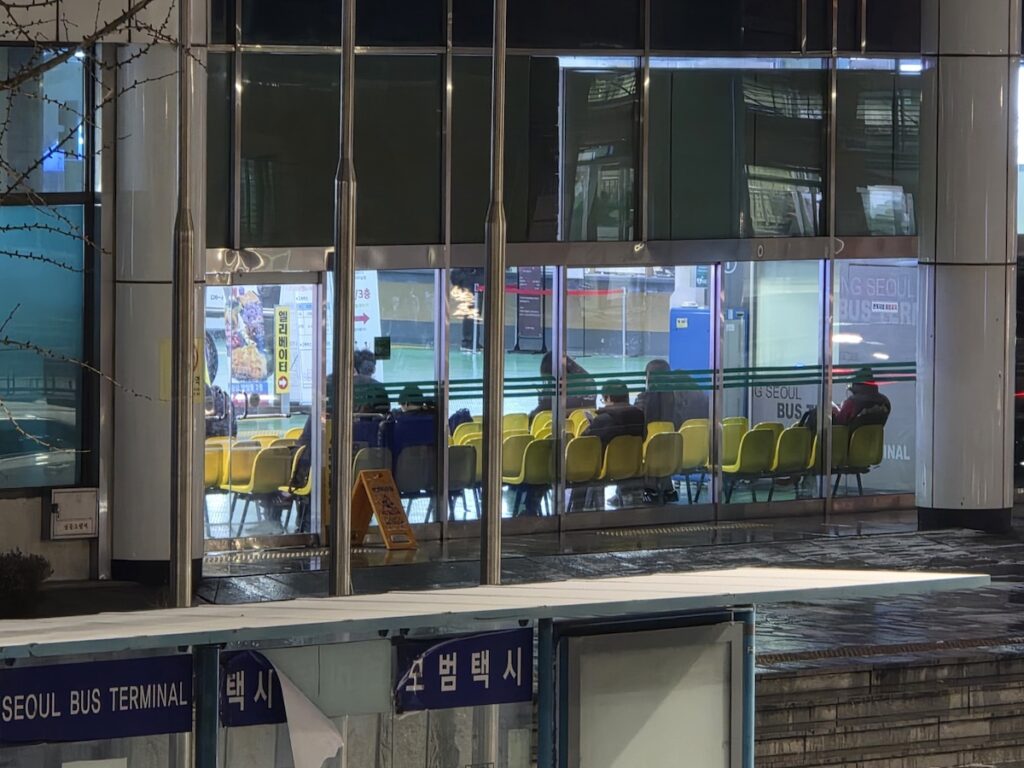
🏛️ 1. Seoul Express Bus Terminal (The Gangnam Giant)
Located in Seocho-gu (Subway Line 3, 7, 9), this is the “Penthouse” of Korean transportation. It is divided into two main buildings: Gyeongbu/Yeongdong Line (serving the East and South) and the Honam Line (Central City, serving the Southwest).
- The Network (The “Express” Powerhouse): This terminal is almost exclusively for Express Buses (고속버스). These are premium coaches that run on national highways with minimal stops. If you are going to a major metropolitan city like Busan, Daegu, or Gwangju, this is your primary hub.
- The Dining Strategy (Luxury & Variety): Don’t settle for a convenience store sandwich here. You are attached to Shinsegae Department Store and the Famille Station dining complex. You can find everything from high-end sushi to Michelin-starred ramen.
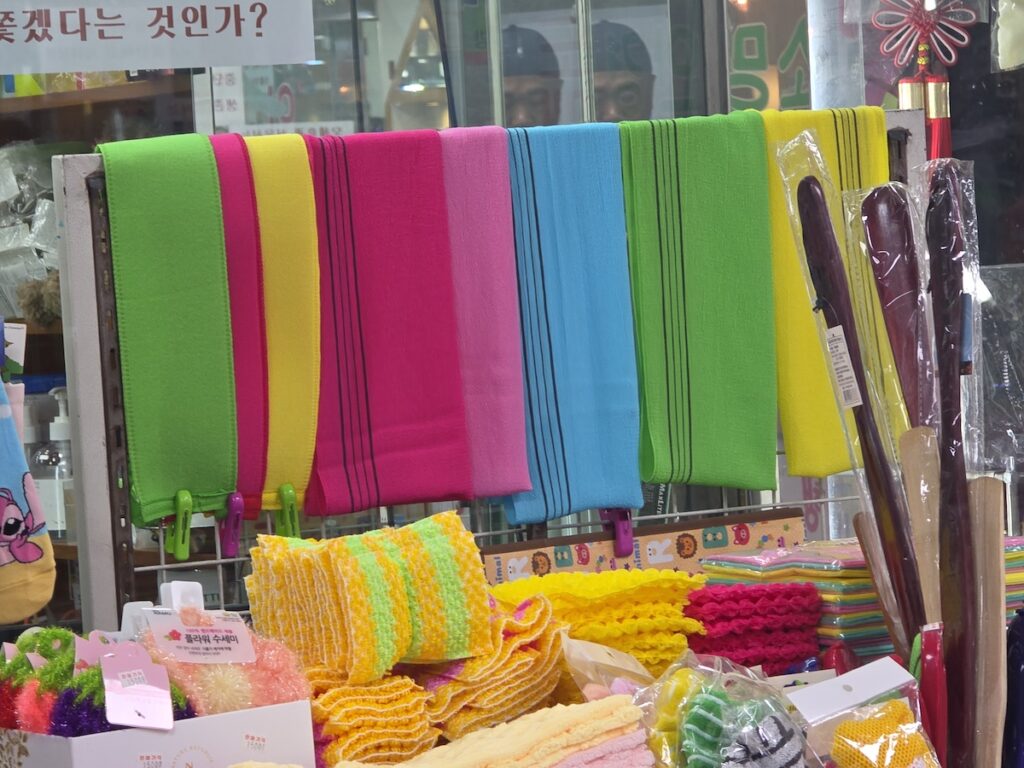
- Pro Tip: If you have 2 hours to kill, head to the Goto Mall (underground). It’s a shopping paradise where you can find fashion items for less than $10 while you wait for your luxury coach.
🏛️ 2. Dongseoul Bus Terminal: The Core of this Seoul Bus Terminal Guide
Located at Gangbyeon Station (Line 2), this terminal is the grit and soul of the Korean working class and military. It is a massive, multi-story building that feels like a time capsule from the 1980s.
- The Network (The “Intercity” Hub): Unlike Gangnam, Dongseoul is the king of Intercity Buses (시외버스). While they have Express buses, their strength lies in the vast network of local buses that stop at small mountain trailheads and rural coastal villages.
- Geographic Advantage: If your destination is in Gangwon-do (Sokcho, Seoraksan, Gangneung), Dongseoul is geographically much closer than Gangnam. You save at least 30 minutes of city traffic by starting here.
- The Military Dining Experience: This is the primary transit point for Korean soldiers. Because of this, the restaurants in the basement and on the 2nd floor focus on volume and speed. You can find the most authentic “Gisa-sikdang” (Taxi Driver Restaurants) here, serving massive portions of spicy pork and unlimited rice for under $8. It’s raw, loud, and incredibly delicious.
When you use this Seoul Bus Terminal Guide to plan your trip, you will realize that Dongseoul Terminal is surprisingly efficient for Gangwon-do destinations.
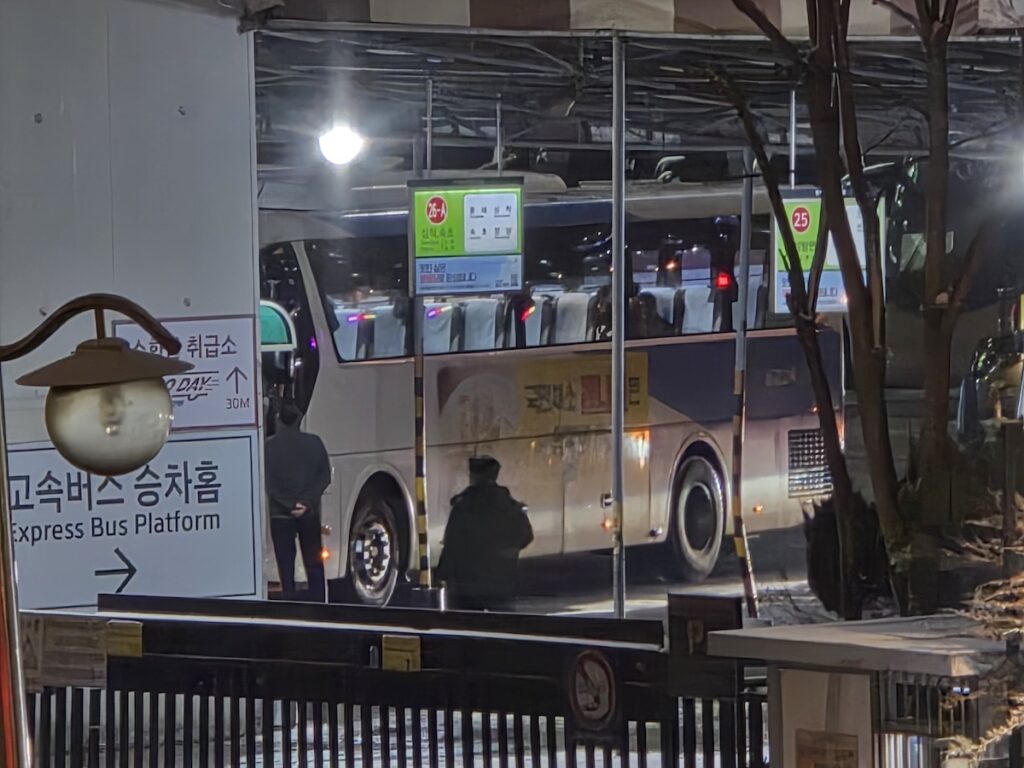
🏛️ 3. Seoul Nambu Terminal (The Strategic Southern Gateway)
Located just one subway stop away from Gangnam (Nambu Terminal Station, Line 3), this terminal is often overlooked but serves a very specific, high-value purpose.
- The Network (The Specialist): Nambu focuses on the Southwestern and Southern regions that are too specific for the giant Gangnam terminal. If you are heading to niche destinations like Jinju, Geoje Island, or the deep mountains of Jiri-san, Nambu is likely your only option.
- No Express, Just Efficiency: This is almost purely an Intercity Terminal. The buses might be slightly older, but they are incredibly reliable and get you into the heart of rural Korea.
- The Dining Strategy (Quick & Minimal): Facilities here are basic. Unlike the shopping mall vibe of Gangnam, Nambu is for people in a hurry. However, the surrounding neighborhood is a business district, so you’ll find excellent, quick-service Korean stews (Jjigae) right outside the exit. It’s the “Express Espresso” of terminals.
🏛️ Comparison Matrix: Express vs. Intercity
| Terminal | Primary Type | Key Destination | Food Level |
| Gangnam | Express (Premium) | Busan, Gwangju, Daegu | 5-Star (Luxury) |
| Dongseoul | Intercity (Local Hub) | Sokcho, Seoraksan, Andong | 2-Star (Local/Military) |
| Nambu | Intercity (Niche) | Jinju, Geoje, Jiri-san | 3-Star (Business Quick) |
Make sure to bookmark this Seoul Bus Terminal Guide for your future travels, as knowing the difference between Gangnam, Dongseoul, and Nambu will save you hours of commute time.
🏛️ Insider Strategy: Avoiding the “Ticket Panic”
Foreigners often struggle with the “T-Money GO” app because it requires a Korean phone number.
- Gangnam has the best multilingual kiosks and staff.
- Dongseoul is crowded; arrive at least 40 minutes early to navigate the basement ticket booths.
- Nambu is small, so you can arrive 20 minutes before and still make your bus.
Cash Tip: Many small snack bars inside Dongseoul and Nambu prefer cash or local cards. Always ensure your travel wallet is topped up.
- Internal Link: The Truth About Street ATMs in Korea: Convenience vs. Fees – Don’t let a bus ticket fail due to a lack of cash.