Emergency numbers in Korea are different from 911, so foreigners should know the basic rule before something happens: call 112 for police emergencies and 119 for fire, ambulance, or rescue help.
This can feel confusing if you come from a country where one number handles almost every emergency. In Korea, the system is divided by the type of help you need. If someone steals your bag, threatens you, or you need police assistance, call 112. If someone collapses, there is a fire, or you need an ambulance or rescue team, call 119.
This guide explains the main emergency numbers in Korea, including 112, 119, 1330, and 1339, with simple examples for foreigners, travelers, students, and expats. You will also learn what to say, how to explain your location, and what to do if you do not speak Korean.
Quick Answer: Which Emergency Number Should You Call in Korea?
If you are not sure which emergency number to use in Korea, start with this simple rule: call 112 for police and 119 for fire, ambulance, or rescue.
| Number | Use It For | Examples |
|---|---|---|
| 112 | Police emergencies | Theft, assault, stalking, threats, traffic crime |
| 119 | Fire, ambulance, rescue | Fire, collapse, serious injury, rescue, gas leak |
| 1330 | Tourist help and interpretation | Travel help, translation support, non-emergency tourist problems |
| 1339 | Medical information | Hospital guidance, medical questions, non-emergency medical help |
If there is immediate danger, do not wait too long trying to choose perfectly. Call the number that seems closest to your situation, stay on the line, and explain what happened as simply as possible.
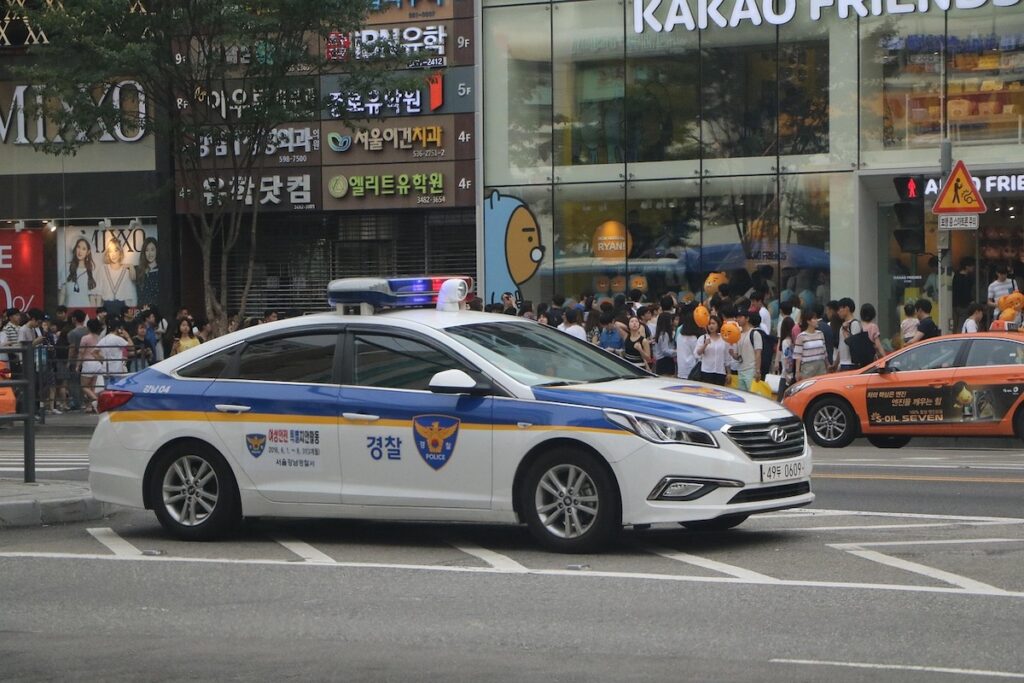
112 vs 119: The Main Difference
The easiest way to understand emergency numbers in Korea is to separate police problems from medical, fire, and rescue problems.
Call 112 when you need the police.
Call 119 when you need an ambulance, firefighters, or rescue help.
This is different from countries like the United States, where many people are used to calling 911 for almost everything. In Korea, the emergency response system is divided by the type of help you need.
Call 112 for Police Emergencies
Use 112 if you are dealing with a crime, threat, violence, or a situation where police help is needed.
Examples include:
- theft or robbery
- assault or physical threats
- stalking or harassment
- domestic violence
- dangerous behavior in public
- scams or fraud that require police response
- traffic accidents involving conflict, crime, or danger
- feeling followed or unsafe
If you are in Seoul areas such as Hongdae, Itaewon, Gangnam, Myeongdong, or near a subway station late at night and you feel unsafe because of another person’s behavior, 112 is the number to remember.
You can say:
“Police, please.”
“I don’t speak Korean.”
“I need help.”
“My location is…”
“Someone is following me.”
“I was assaulted.”
“My bag was stolen.”
The important thing is to stay on the line and give your location as clearly as possible.
Call 119 for Fire, Ambulance, or Rescue
Use 119 if the emergency involves health, fire, smoke, rescue, or immediate physical danger.
Examples include:
- someone is unconscious
- someone cannot breathe
- chest pain, stroke symptoms, or serious injury
- a fire or smoke in a building
- a gas leak
- a serious traffic accident with injuries
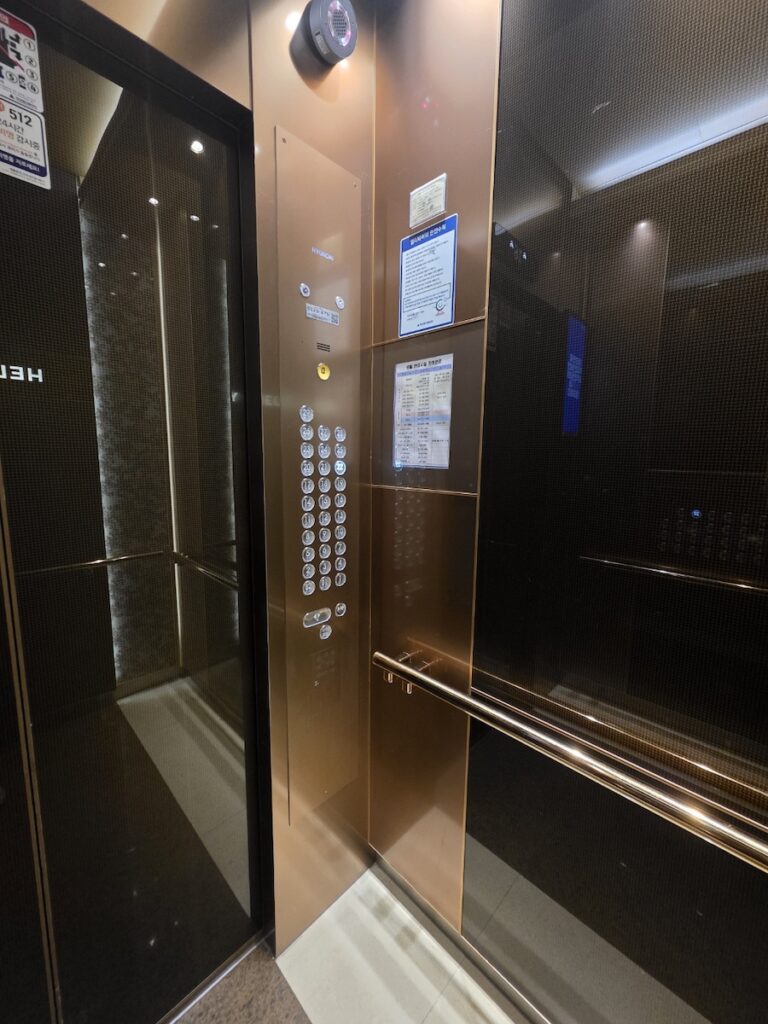
- someone trapped in an elevator or dangerous place
- mountain, water, or rescue situations
You can say:
“Ambulance, please.”
“Fire.”
“I don’t speak Korean.”
“Someone is unconscious.”
“Someone cannot breathe.”
“There is smoke.”
“My location is…”
If you want more detail about ambulance calls, hospital bills, and what to say on the phone, you can connect this section to your separate 119 article.
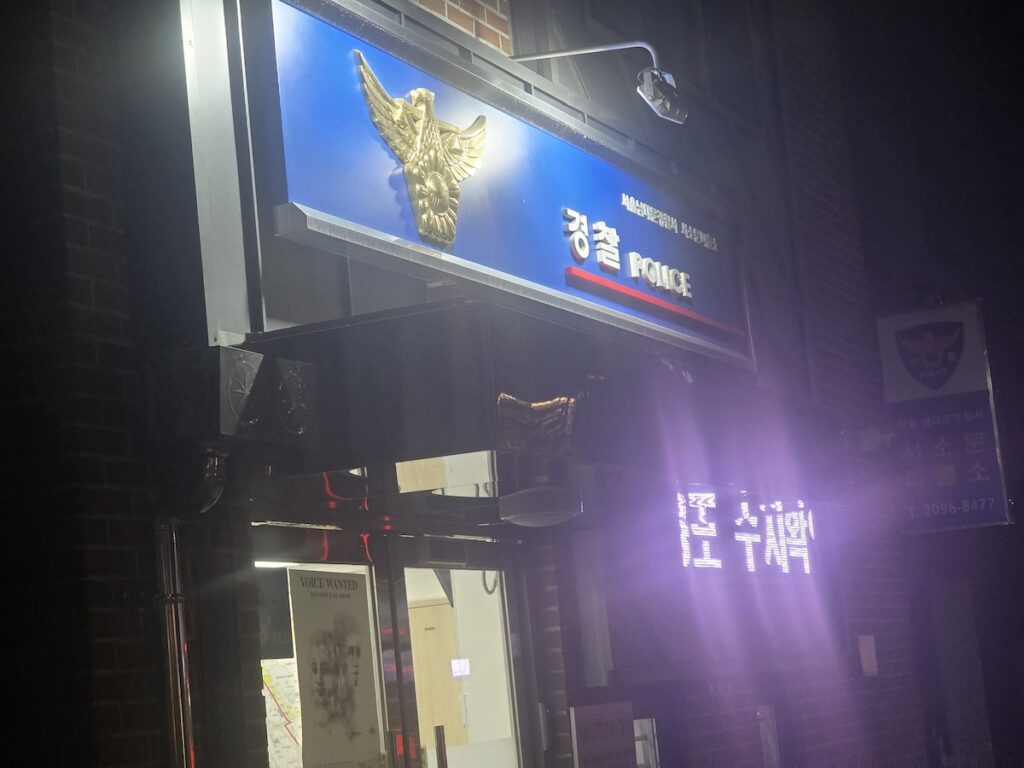
Why Korea Can Feel Safe, But You Should Still Be Prepared
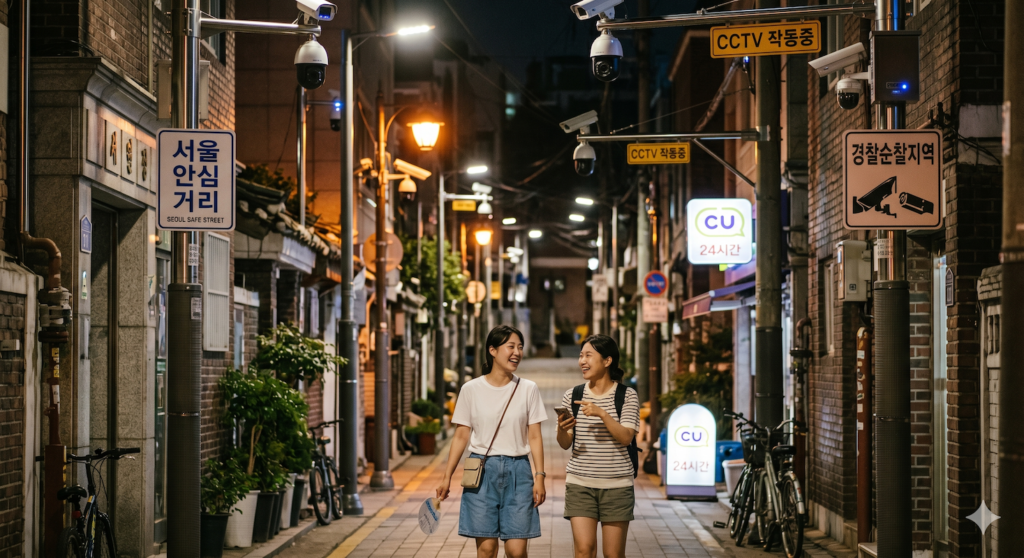
Many foreigners notice that Korea can feel relatively safe, especially in busy urban areas like Seoul. Streets are often active late at night, public transportation is widely used, and convenience stores, cafés, and CCTV cameras are common in many neighborhoods.
But feeling safe does not mean emergencies cannot happen.
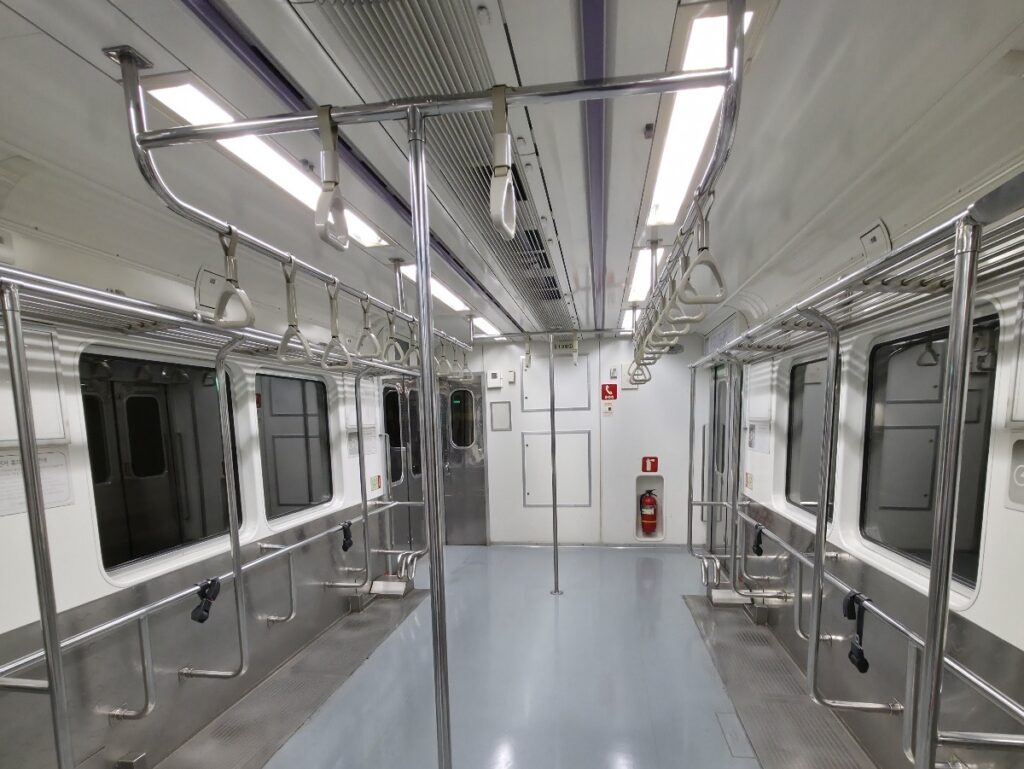
A tourist can still lose a wallet. A traveler can still get injured. Someone can still collapse in a subway station, experience harassment, witness a fire, or need medical help after drinking, hiking, or driving.
That is why knowing emergency numbers in Korea matters. The goal is not to be afraid. The goal is to be prepared before something happens.
Do Not Rely Only on Bystanders
Korean bystanders may help in many situations, and hotel staff, shop workers, subway staff, or restaurant employees can sometimes assist foreigners in an emergency.
But you should not assume that someone else will always know what to do or speak English.
If you are directly involved in an emergency, call the right number yourself if you can:
- 112 for police
- 119 for ambulance, fire, or rescue
- 1330 for tourist interpretation and travel help
- 1339 for non-emergency medical information
Location Is Often More Important Than Perfect Language
If your Korean is limited, do not panic. In many emergencies, the most important information is your location and the type of problem.
Useful location details include:
- hotel name
- building name
- subway station and exit number
- nearby convenience store
- road name address
- restaurant or café name
- floor number
- apartment complex and building number
For example:
“I am near Hongik University Station, Exit 9.”
“I am inside Lotte World Mall.”
“I am at CU near Myeongdong Station.”
“I am on the third floor.”
Even if your English is simple, short phrases can help emergency operators understand the situation faster.
What Not to Assume About Emergency Calls in Korea
Korea has a developed emergency response system, but it is better not to assume everything will work perfectly or instantly.
Do not assume:
- every operator will immediately understand fluent English
- your exact location will always be automatically clear
- an ambulance will always arrive within a specific number of minutes
- CCTV will solve every safety problem
- a bystander will always translate for you
- you can wait until the situation becomes worse
Response time can depend on traffic, location, weather, call volume, and the type of emergency. Language support may be available, but you should still speak slowly and repeat key information.
The safest approach is simple:
Call early, stay on the line, give your location, and explain the emergency in short words.
What If You Do Not Speak Korean?
A common worry for foreigners is the language barrier. In a stressful situation, even simple words can disappear from your mind. That is why it helps to prepare a few short phrases before you ever need them.
If you call 112 or 119 and do not speak Korean, do not hang up. Stay on the line, speak slowly, and repeat the most important information.
You can start with:
“I don’t speak Korean.”
“English, please.”
“I need help.”
“My location is…”
If you know a little Korean, this phrase can help:
한국어 못해요. 영어 가능해요?
Hangug-eo mot-haeyo. Yeong-eo ganeunghaeyo?
“I don’t speak Korean. Is English possible?”
Translation Help May Be Available
In some situations, emergency operators may arrange interpretation support or connect with another service for language help. Tourist support through 1330 can also be useful for non-emergency interpretation or travel-related problems.
However, do not assume the conversation will be perfect from the first second. There may be a pause, confusion, or a need to repeat yourself.
The best approach is to use short, clear words:
- “Police.”
- “Ambulance.”
- “Fire.”
- “Someone is hurt.”
- “Someone is unconscious.”
- “My bag was stolen.”
- “I am being followed.”
- “My location is…”
In an emergency, simple words are better than long explanations.
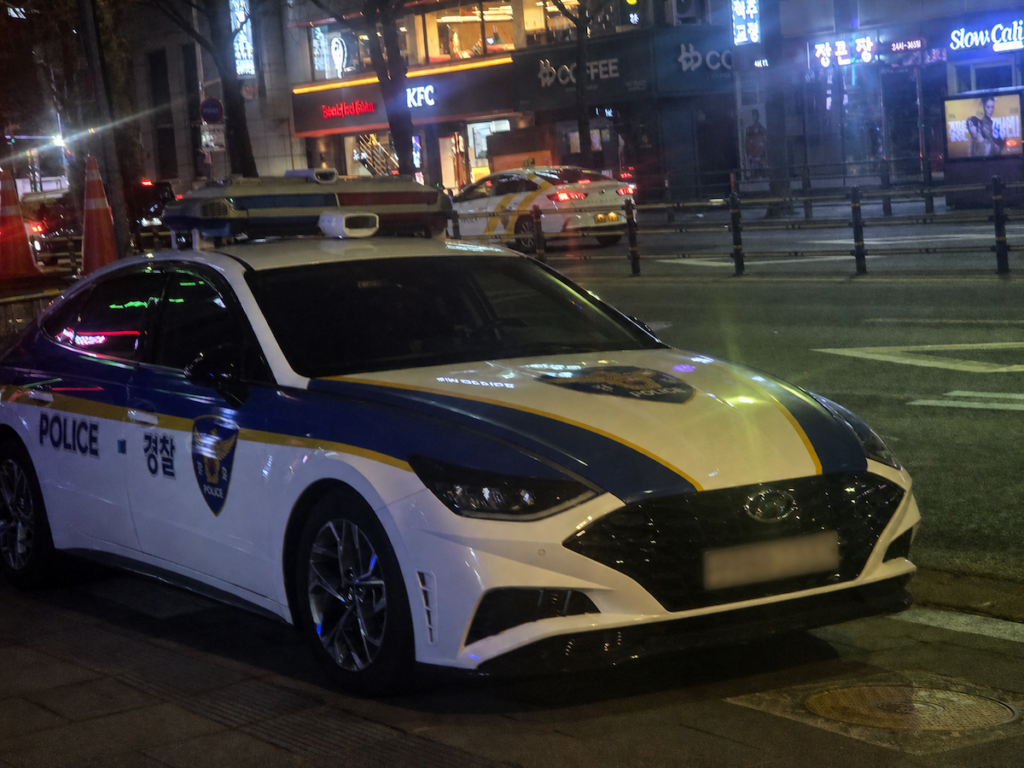
How to Describe Your Location in Korea
When using emergency numbers in Korea, your location is often the most important detail. Even if the operator understands the type of emergency, help cannot arrive quickly if they do not know where you are.
Do not rely only on GPS or assume your location will be automatically clear. Give the best landmark you can.
Use Subway Stations and Exit Numbers
In Seoul, subway stations and exit numbers are extremely useful.
Instead of saying:
“I’m in Gangnam.”
Say:
“I’m near Gangnam Station, Exit 10.”
This is much more specific and easier to understand.
Other examples:
“I’m near Hongik University Station, Exit 9.”
“I’m outside Seoul Station, Exit 1.”
“I’m near Myeongdong Station, Exit 6.”
Use Building Names and Branch Names
If you are near a store, café, restaurant, or hotel, give the full name if possible. Many chain stores have multiple branches in the same area, so the branch name can help.
Instead of saying:
“I’m near Olive Young.”
Try to say:
“I’m near Olive Young Gangnam Station branch.”
Useful landmarks include:
- hotel names
- café names
- convenience stores such as CU, GS25, or 7-Eleven
- restaurants
- department stores
- shopping malls
- subway station exits
- university gates
- apartment complex names
If you are inside a building, also say the floor.
“I’m on the third floor.”
“I’m in the basement level one.”
“I’m inside the food court.”
Look for the Blue Address Plate
Many buildings in Korea have a blue road-name address plate near the entrance. If you can safely check it, read or show the address from that plate.
You can also open Naver Map, KakaoMap, Google Maps, your hotel booking app, or a delivery app and read the address shown on the screen.
If reading Korean is difficult, you can say:
“I can show the address on my phone.”
“I will ask someone nearby to read it.”
“Please wait.”
Use a Nearby Business Phone Number If Needed
If you are inside a café, hotel, restaurant, shop, or clinic, staff may be able to help explain the exact location. In some cases, the business phone number or receipt can also help identify the place.
This is not always necessary, but it can be useful if the address is confusing or you are inside a large building.
Simple Location Script
If you panic, use this order:
“I don’t speak Korean.”
“My location is…”
“Near [station/building/store].”
“Exit number is…”
“Floor is…”
“Please send help.”
The goal is not perfect language. The goal is to give a clear enough location for help to find you.
🔗 Stay Protected: Essential Safety Guides
- [The Trust Network]Lost and Found in Korea Guide 2026: Why Your Wallet Will Come Home
- Lost something but no crime was involved? Learn how to use the Lost112 system to recover your valuables.
- [Health Logistics]Finding English-Speaking Doctors in Seoul: A 2026 Emergency Directory
- For non-emergencies that still require medical attention, find the best international clinics near you.
- [Digital Safety]Korean SIM Card for Foreigners in 2026: Keeping Your Phone Secure
- How to use your local number to ensure GPS tracking works perfectly during an emergency call.
30-Second Emergency Checklist in Korea
If something happens suddenly, you may not have time to read a full guide. Use this quick checklist to decide what to do first.
| Step | What to Do |
|---|---|
| 1 | Call 112 for police or 119 for fire, ambulance, or rescue |
| 2 | Stay on the line, even if you do not speak Korean |
| 3 | Say the emergency in simple words: “Police,” “Ambulance,” “Fire,” or “Help” |
| 4 | Give your location using a subway exit, hotel, store, building, or address |
| 5 | Say whether someone is hurt, unconscious, trapped, threatened, or in danger |
| 6 | Ask for English if needed: “English, please” |
| 7 | If safe, ask a nearby person, hotel staff, shop worker, or subway staff to help explain |
The most important thing is not perfect language. It is calling early, staying connected, and giving enough location detail for help to find you.
Simple Emergency Script
If you freeze, use this short script:
“I don’t speak Korean.”
“English, please.”
“I need help.”
“My location is…”
“Please send police.”
For medical, fire, or rescue situations, change the last line:
“Please send an ambulance.”
“There is a fire.”
“Someone is trapped.”
If you are with someone who speaks Korean, you can ask them to help. But do not wait too long for a translator if the situation is urgent. Call the emergency number first.
Final Thoughts: Know the Numbers Before You Need Them
Emergency numbers in Korea are not difficult once you remember the basic difference: 112 is for police, and 119 is for fire, ambulance, and rescue.
For foreigners, the hard part is usually not the number itself. It is the stress of explaining the problem, giving your location, and speaking in a country where you may not know the language. That is why it helps to prepare before anything happens.
Save your hotel address, know your nearest subway station exit, keep your passport or residence card accessible, and remember a few simple phrases like “English, please” and “My location is…”
Korea can feel safe in many everyday situations, but safety also depends on knowing what to do when something goes wrong. If you remember 112, 119, 1330, and 1339, you will be much better prepared to handle an emergency in Korea calmly and clearly.