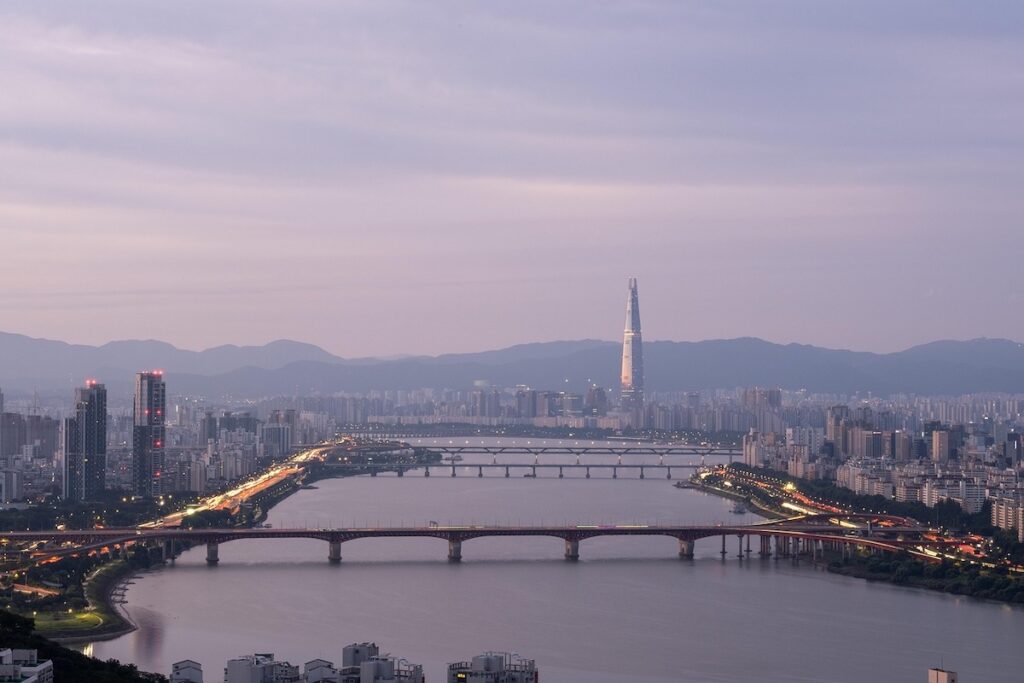
The Korean Restaurant Culture is often defined by its incredible attention to detail, starting with the immediate provision of a “Mul-ti-syu” (wet wipe).
When you sit down at a restaurant in Korea, the first thing you receive isn’t always the menu or a glass of water. More often than not, it’s a small, individually wrapped package containing a “Mul-ti-syu” (물티슈), or wet wipe. To an outsider, this might seem like a simple convenience, but it is actually a window into the deep-seated hygiene standards and social courtesy that define the Korean dining experience.
1. Beyond the Pizza: Why We Clean Before We Eat
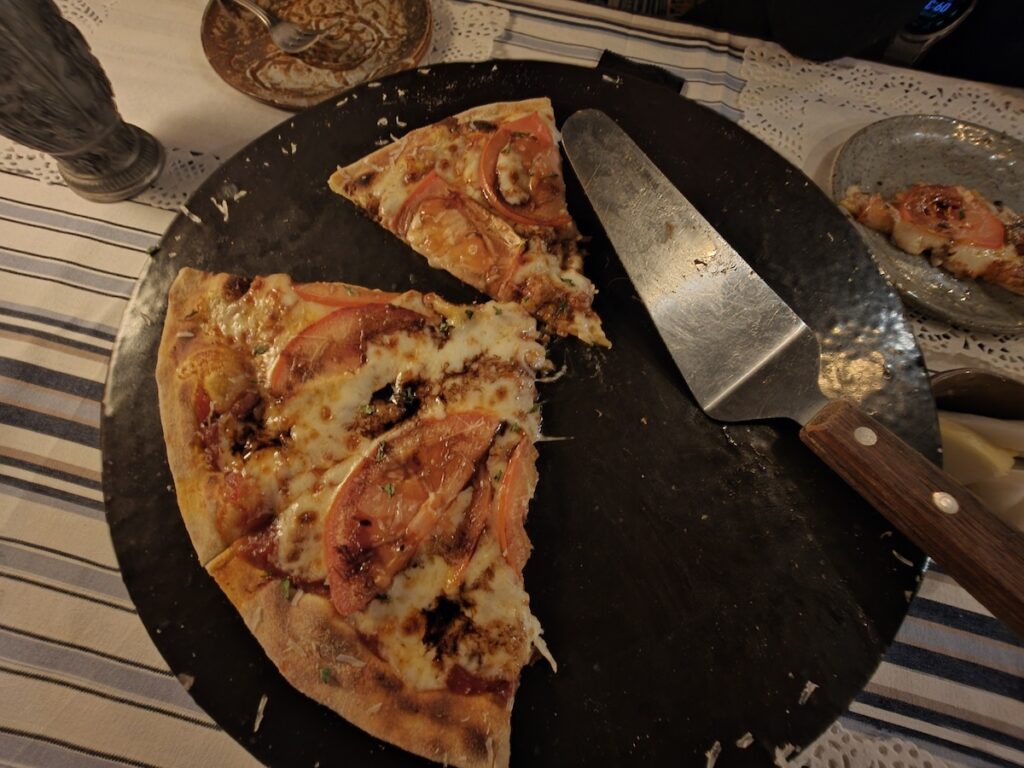
Today, I visited a local pizza shop with some friends. Although we were provided with the standard set of plates, forks, and knives, eating pizza is inherently a tactile experience. We naturally reached for the slices with our hands. However, in Korea, touching food with “outside hands” is culturally frowned upon.
This is where the wet wipe comes in. It’s not just for cleaning up after you get sauce on your fingers; it is a pre-meal ritual. Even if we are using chopsticks or spoons for a traditional stew, we wipe our hands first to ensure that everything we touch—from the communal side dish lids to our own utensils—remains sanitary. This proactive approach to hygiene is a hallmark of the Korean service industry.
2. The Hierarchy of Wipes: From Restaurants to Premium Baby Care
To truly understand how obsessed Korea is with wet wipes, you have to look beyond the restaurant table. Not all “Mul-ti-syu” are created equal, and Koreans are very discerning about the quality.
- Restaurant Grade: These are usually thin, functional, and designed for one-time use. They are effective for removing surface bacteria and oils before handling food.
- The “Premium” Standard (Baby Wipes): The highest level of wet wipe technology in Korea is found in the Baby Care sector. Korean parents are notoriously meticulous about ingredients. Premium baby wipes are significantly thicker, use embossed fabric for better cleaning, and are strictly regulated to exclude harmful chemicals or artificial fragrances.
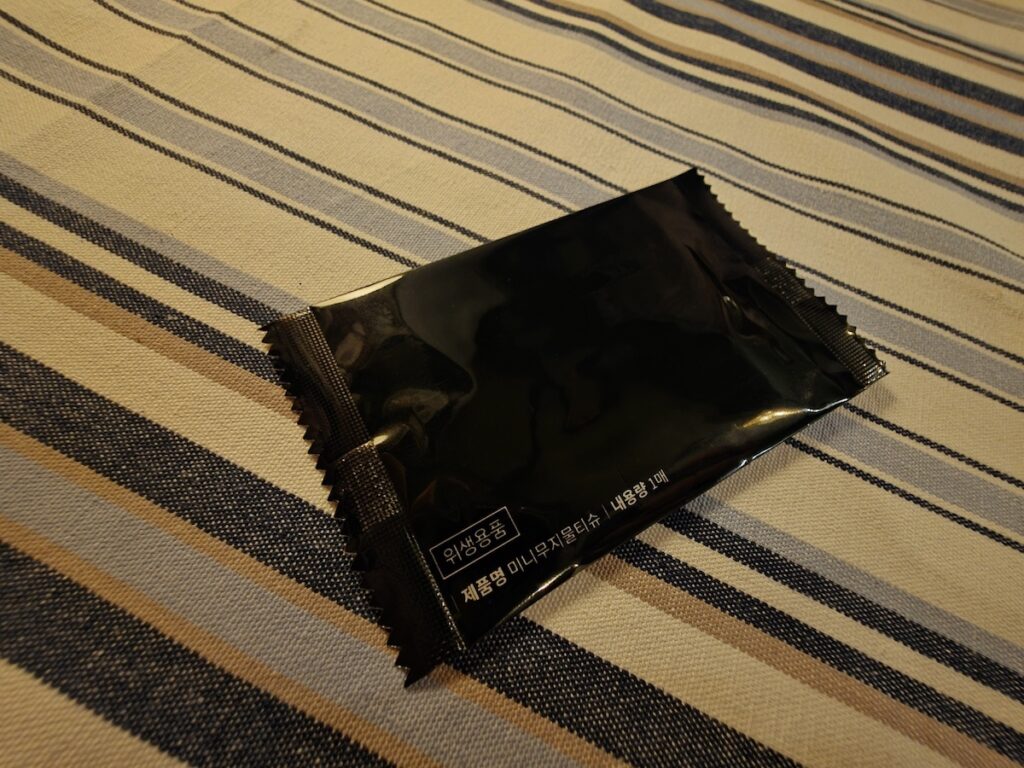
- A Cultural Obsession: Because Koreans are raised in an environment where high-quality baby wipes are used for everything, their expectations for “cleanliness” are very high. This demand has pushed even local restaurants to provide better, safer, and more durable wipes (like the sleek black-packaged ones in my photo) to satisfy a public that knows the difference between a cheap wipe and a quality one.
“This efficiency is a core part of the modern Korean Restaurant Culture that travelers appreciate.”
3. The Secret Science: From Premium Baby Wipes to Table Service
To truly understand the depth of Korean Restaurant Culture, one must look at the highly competitive wet wipe market in Korea. It’s not just about a wet piece of paper; it’s about a cultural obsession with purity.
- The Gold Standard of Baby Wipes: Korean parents are among the most discerning in the world when it comes to their children. High-end baby wipes in Korea are famously thick, embossed for better cleaning, and strictly free from harmful chemicals like parabens or artificial fragrances.
- The “Trickle-Down” Effect on Restaurants: This high consumer standard for baby products has forced the restaurant industry to keep up. Even local pizza shops now provide “premium-grade” wipes—like the thick, black-packaged ones I used today—to satisfy customers who are used to high-quality hygiene products at home.
- Safety as a Guarantee: Because these wipes are used directly on the hands before touching food, their ingredients are monitored with the same level of scrutiny as food additives. In Korean Restaurant Culture, providing a safe, high-quality wipe is a silent promise of the kitchen’s overall cleanliness.
4. Master the Local Etiquette: How to Ask for “Mul-ti-syu”
To truly immerse yourself in Korean Restaurant Culture, you should be able to communicate your needs like a local. While many places provide them automatically, you might need extra after eating a messy slice of pizza.
- “물티슈 좀 더 주세요” (Mul-ti-syu jom deo ju-se-yo): This translates to “Please give me more wet wipes.” Use this when you’ve finished your first one and need a fresh start for your second slice.
- “물티슈 어디 있어요?” (Mul-ti-syu eo-di it-eo-yo?): If you don’t see them on the table, use this to ask the staff for their location.
- Understanding “Self-Service”: If you spot a sign saying “물티슈는 셀프입니다” (Mul-ti-syu-neun self-im-ni-da), it means you can help yourself to as many as you need from a central dispenser. This is common in casual “Bun-sik” (snack) or fast-food-style restaurants.
5. Conclusion: A Small Package with Great Meaning
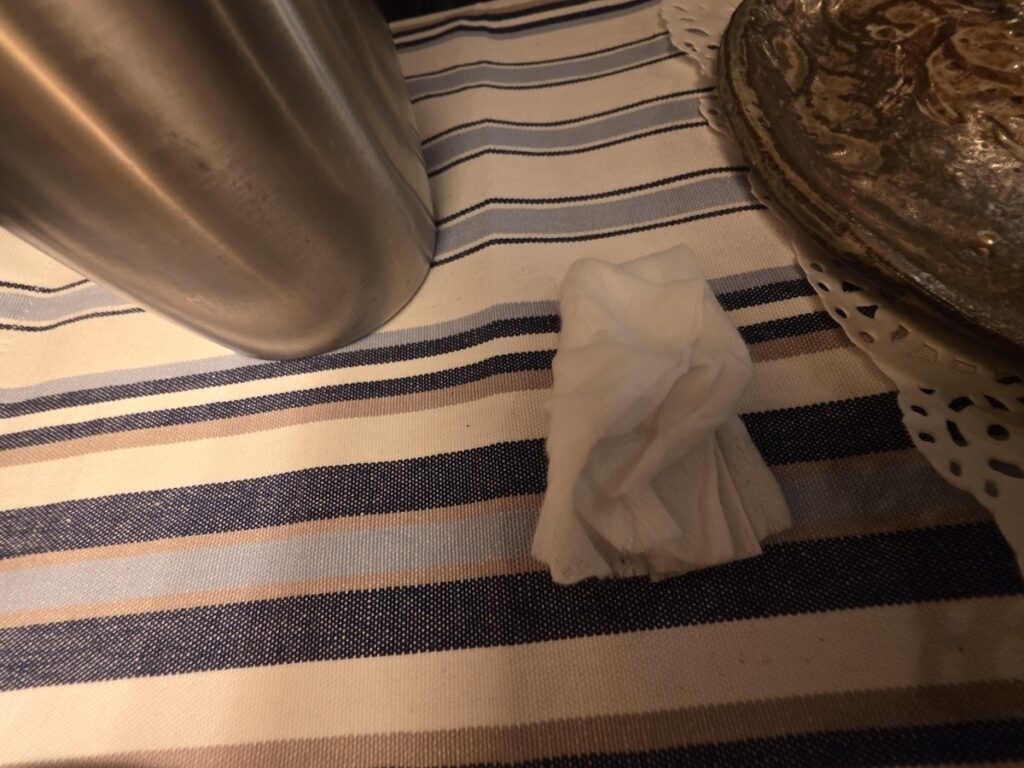
The next time you tear open a black or white plastic packet at a Korean table, take a moment to appreciate what it represents. It is a fusion of Korea’s high hygiene standards, its advanced manufacturing of consumer goods (like the premium wipes used for children), and a service culture that anticipates your needs before you even realize them. Whether you are eating a greasy pizza or a refined traditional meal, the humble wet wipe is your best friend in the Korean culinary world.
“Understanding this Korean Restaurant Culture will make your dining experience much smoother.”
“Now that your hands are clean, are you ready for a full meal? Check out our [Real Korean Office Lunch Guide] to see how this hygiene culture continues in the workplace.”