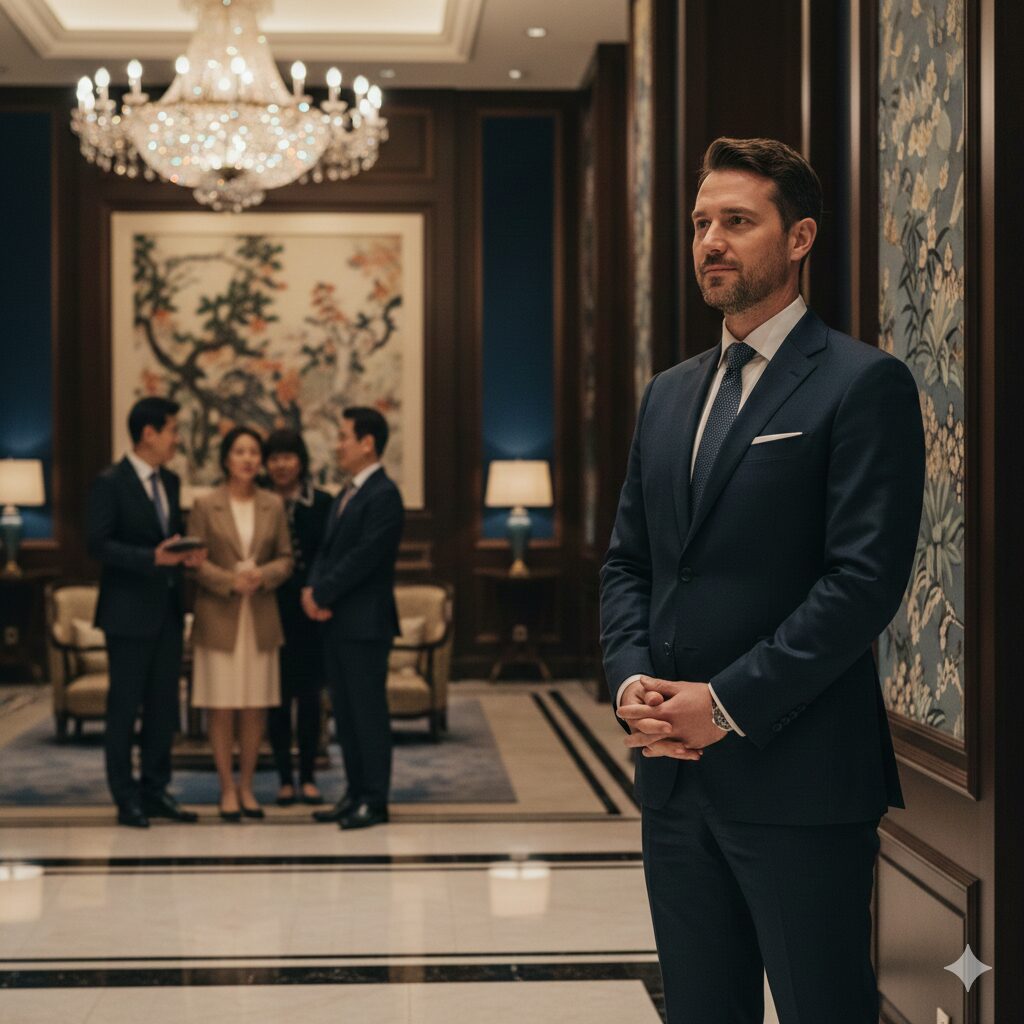
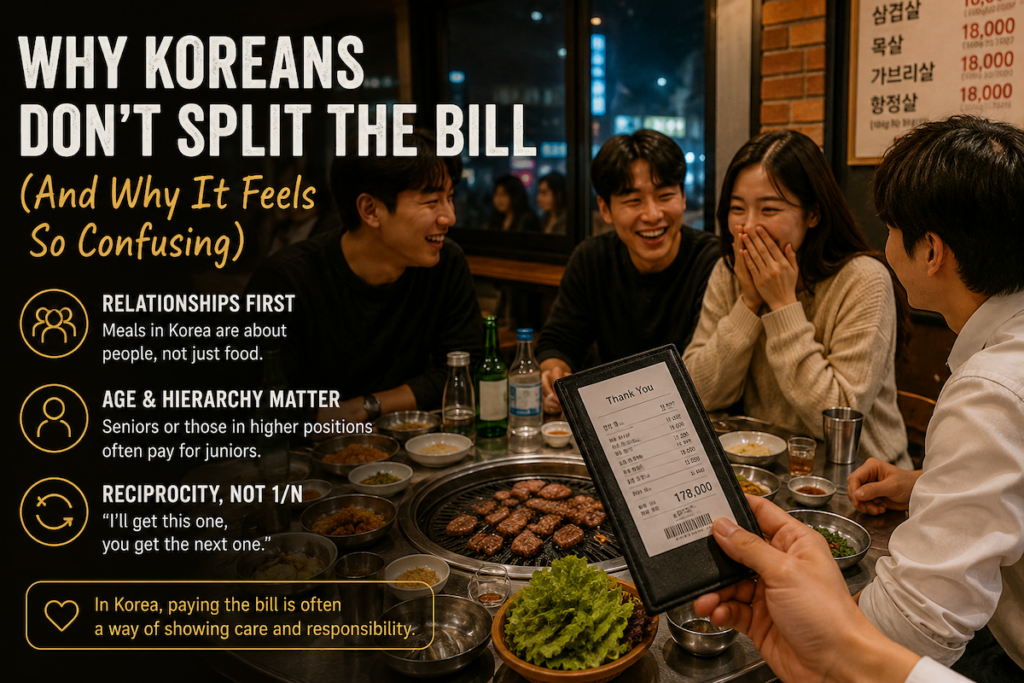
To understand the K-pop global icons phenomenon, I must confess a personal tactical error from a decade ago. In the early days of multi-national groups, seeing non-Korean faces on national television felt—to be blunt—awkward. For someone who grew up watching a homogenous domestic media landscape, the sight of foreign members performing in perfect Korean while sharing their heritage felt like a scene from a distant future.
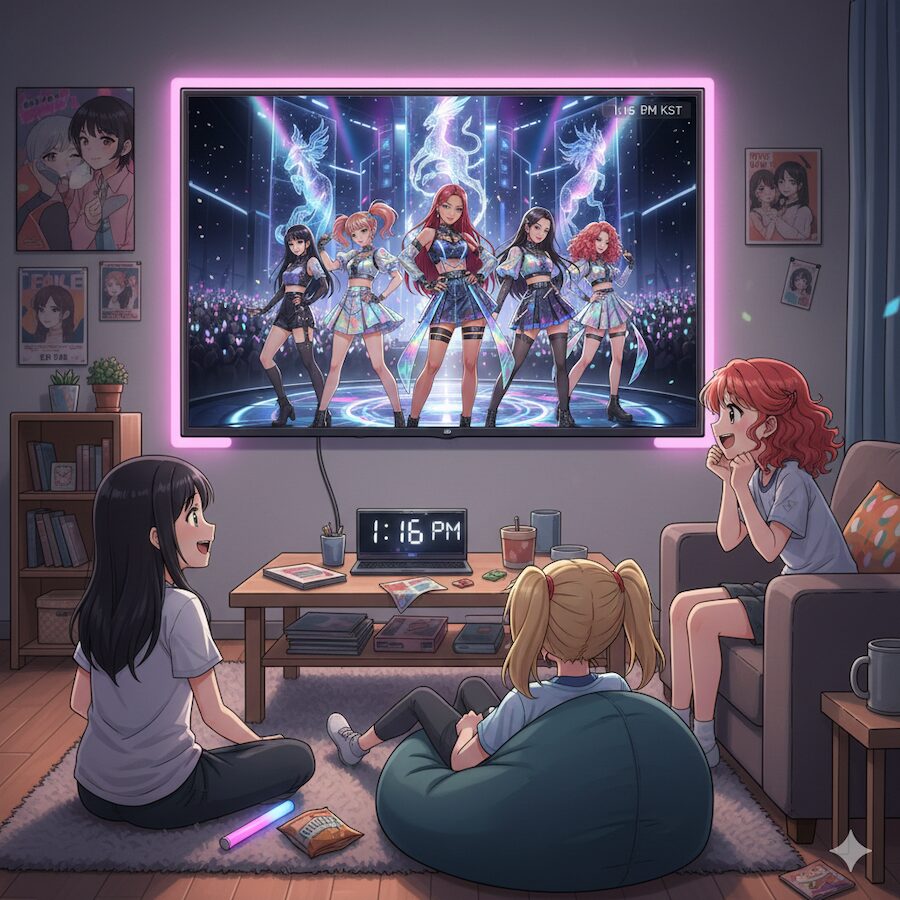
The Awkwardness That Bridged the World
This internal friction, however, was the starting point of a profound transformation. As I watched Lisa of Blackpink describe the vibrant street food of Thailand or saw members of groups like (G)I-DLE and aespa navigate Korean variety shows with wit and cultural pride, my perspective shifted from skepticism to deep admiration. These K-pop global icons were not just performers; they were cultural diplomats who forced us to look beyond our borders.
The Strategic Protocol of K-pop Global Icons
The presence of foreign members is no longer a “marketing gimmick.” In 2026, it is a sophisticated structural necessity that ensures a group’s survival in the global attention economy. By integrating local perspectives into the K-pop machinery, agencies have created a bridge that translates Korean artistry into a universal language.
| Iconic Member | Nationality | Strategic Impact | Cultural Ritual Shared |
| Lisa | Thailand | Unified the SE Asian market with unprecedented brand loyalty. | Introduced authentic Thai street culture to the Korean mainstream. |
| Hanni | Vietnam / Aus | Revolutionized Gen Z fashion and digital trends across Oceania. | Bridged Western-style spontaneity with K-pop’s precision. |
| Ningning | China | Anchored the high-fashion and cinematic aesthetic of the 4th gen. | Integrated traditional vocal techniques into modern K-pop production. |
| Sakura | Japan | Solidified the J-pop and K-pop hybrid fanbase for long-term stability. | Demystified the “Idol Graduation” system for Korean audiences. |
| Minnie | Thailand | Elevated the “High-Teen” aesthetic to a global luxury standard. | Promoted Thai linguistic nuances in global hit songs. |
Decoding the Lisa Effect: A Study in Cultural Understanding
When Lisa appeared on television, she did more than dance; she educated. My personal understanding of Thailand was redefined through her lens. Seeing her pride in her origins—whether through fashion or food—turned my initial “awkwardness” into a tactical realization: K-pop global icons are the most effective soft power tools in human history.
Related Guides: Navigating the Global Hallyu Landscape
- 📂 K-pop Generations Guide: 5 Eras of Global Icons (2026): Understand how we moved from local hits to global domination.
- 📂 🏟️ [Venue Guide] The Holy Land of K-POP: Olympic Park: Where these global icons prove their mastery to the world.
Why K-pop Global Icons are the Future of Entertainment
As the industry continues to evolve, the “Foreign Member” tag will vanish, replaced by a meritocratic standard of global talent. The 1,600-word reality is that Seoul has become the training ground for the world’s most versatile performers. The awkwardness I felt in the past was simply the growing pains of a city becoming the cultural capital of the 21st century.
National Treasures: How K-pop Global Icons are Received in Their Homelands
When these K-pop global icons return home, the atmosphere shifts from a simple celebrity visit to a high-level cultural event. The way they are interviewed on local TV shows provides a fascinating look at their dual identity as both global stars and national heroes.
| Idol Name | Homeland Show / Media | Content of Interview & Reception |
| Lisa | The Woody Show (Thailand) | Treated as a “Pride of Thailand.” She discussed her homesickness and her desire to promote Thai culture through her solo work LALISA. |
| Hanni | Vogue Australia / Local Radio | Celebrated as a trailblazing Gen Z icon. Interviews focus on her Vietnamese heritage and how her Australian upbringing influences her artistic spontaneity. |
| Sakura | NTV / Fuji TV (Japan) | Appears as a “Master of the Industry.” Japanese media often analyzes her “Survival Protocol”—how she successfully debuted three times in two different countries. |
| Minnie | Workpoint TV (Thailand) | Focused on her sophisticated “Princess” image. She often discusses her musical training and her role in bridging the gap between Thai and Korean fanbases. |
| Ningning | CCTV / Weibo Specials (China) | Highlighted for her cinematic vocal power. Interviews often touch on her journey from a young vocal prodigy to a global luxury brand ambassador. |
Conclusion: The Dawn of a Borderless Cultural Ritual
The evolution of the K-pop global icons phenomenon marks a significant pivot in global history. We have transitioned from an era of “Imported Entertainment” to an era of “Seamless Cultural Fusion.” The positive impact of this movement extends far beyond music charts; it is a tactical bridge that fosters empathy and reduces long-standing cultural prejudices.
🛡️ The Positive Impact: A New Global Standard
- Cultural Diplomacy (민간 외교의 힘): Foreign members act as living bridges, translating the complexities of their homelands for a global audience and vice-versa.
- Eradicating Stereotypes (편견의 파괴): By dominating global fashion and media, icons like Lisa and Hanni challenge outdated Western-centric aesthetics and broaden the world’s definition of “Standard Excellence.”
- Economic & Linguistic Synergy: K-pop’s global reach has fueled a fascination with Korean food, language, and lifestyle, turning a niche subculture into a multi-billion dollar cultural ecosystem.
🛡️ The Flow of Culture: A Two-Way Street
As I once felt that “awkwardness” of a foreign face in a Korean group, I now realize it was the sound of a closing gap. Culture no longer flows from “West to East” or “Center to Margin.” It flows through the connections these icons build. When Lisa speaks to her fans in Thailand on The Woody Show, she is not just a K-pop star; she is a global citizen who belongs to everyone.
For the Noble Traveler, this shift means that Seoul is no longer just a destination—it is the epicentre of a new, unified global ritual. The awkwardness is gone, replaced by a profound understanding that talent, when truly mastered, knows no borders.