The Seoul Midnight Transit Guide begins in the electric heart of Hongdae, where the neon-soaked streets and rhythmic bass of underground clubs create a sanctuary that defies the concept of time. As the undisputed number one nightlife epicenter of Seoul, this district attracts a global tribe of night owls and “Academic Nomads” who often find themselves lost in the energy of a spontaneous street performance or a late-night rock ritual.
While the massive infrastructure of the IT powerhouse connects this hub to satellite cities like Ilsan, Gimpo, Incheon, and Bucheon, the true challenge arises when the clocks strike midnight. We often surrender to the bright lights, forgetting that the subway has its own rigid ritual of closing its gates.
However, as this Seoul Midnight Transit Guide will prove, as long as you have the tactical knowledge of the city’s veins, the night in Hongdae does not end with an expensive taxi ride—it simply transforms into a bridge toward a resilient and cost-effective morning.
1. The Subway Protocol: Mastering the Last Call at Hongik University Station
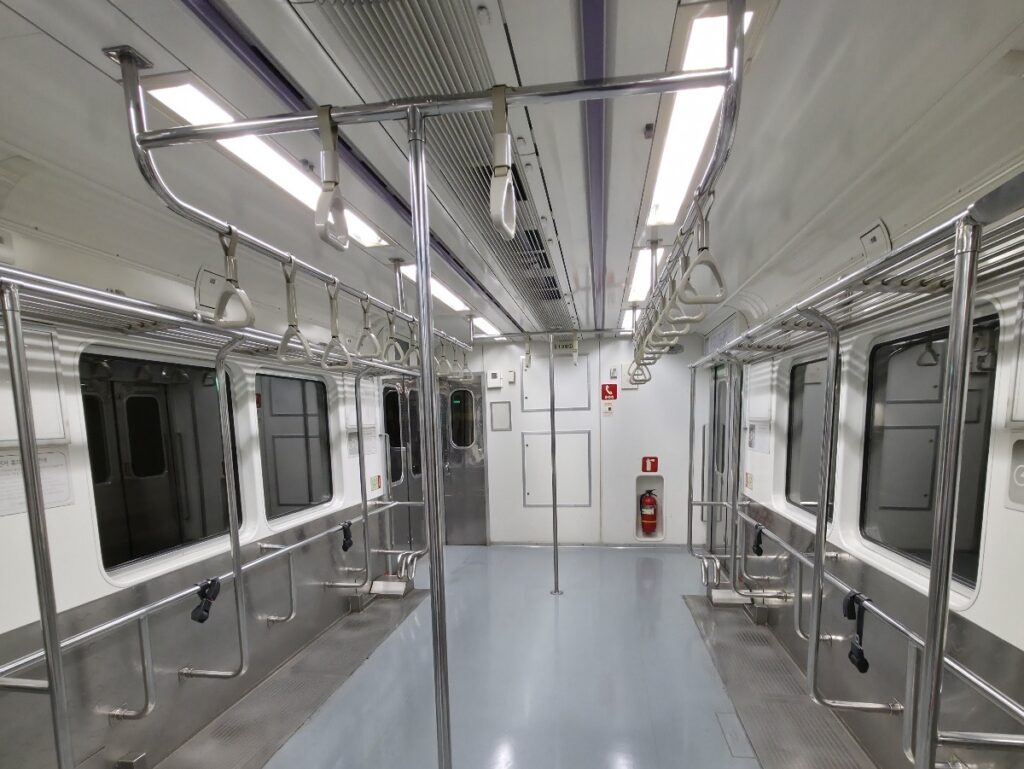
The transition from night to dawn begins at the ticket gates of Line 2, the Gyeongui-Jungang Line, and the Airport Railroad. Missing the last train is not a failure; it is merely the start of a new chapter.
| Subway Line | Direction | Weekday Last Train (Approx.) | Weekend Last Train (Approx.) | Final Tactical Destination |
| Line 2 (Inner) | Sinchon / Euljiro | 00:45 | 23:50 | Seongsu or Euljiro 1-ga |
| Line 2 (Outer) | Dangsan / Sindorim | 00:50 | 23:55 | Sindorim or Seoul Nat’l Univ. |
| Airport Railroad | Digital Media City | 00:05 | 00:00 | Geomam (Incheon) |
| Gyeongui-Jungang | Gongdeok / Yongsan | 23:45 | 23:30 | Yongsan or Deogyang |
Note: Always verify the “Seongsu” or “Sindorim” destination on the train’s display to ensure you aren’t stranded halfway through the circle.
2. The N-Bus Protocol: Navigating Seoul’s Midnight Arteries
When the subways sleep, the “Night Owl” buses (N-Bus) wake up. These are the lifebloods of Seoul’s late-night economy. We don’t just give you a route; we give you the stops that define the city’s geography.
N26 (The Western-Eastern Connector)
This route is a lifeline for those heading back to the heart of Seoul or the far eastern reaches.
- Key Stops: Hongik Univ. Station → Sinchon Station → Ewha Womans Univ. → Jongno 2-ga → Dongdaemun → Sinseol-dong → Cheongnyangni → Sangbong → Mangwoo → Jungnang-gu Depot.
N62 (The Cultural Bridge)
This bus connects the artistic rituals of Hongdae to the trendy hubs of the east.
- Key Stops: Yangcheon Depot → Mok-dong Station → Hongik Univ. Station → Sinchon → Seoul Station → Euljiro → Sindang-dong → Gunja Station → Konkuk Univ. Station → Myeonmok-dong.
The Red Bus Ritual (Gyeonggi Transit)
For those living in the satellite cities, these buses are the guardians of your return.
- Ilsan/Gimpo: Look for the 1000 or 1500 series buses near the central lane of Hongik Univ. Station.
- Incheon/Bucheon: The 1300 and 1600 series provide a direct “Home Protocol” even at 1:30 AM.
3. The Budget Sanctuary: The Jjimjilbang Survival Ritual
If the journey home feels too long, embrace the most authentic Korean “Safety Net”—the Jjimjilbang. It is more than a spa; it is a 15,000 KRW sanctuary where you can wash away the night’s exhaustion.
- The Essentials: You don’t need a suitcase. Upon entry, you are provided with a uniform (the “Jjimjil-bok”) and two small towels. Inside, you will find high-quality soaps, shampoos, and even skincare sets available for a few hundred won at the counter.
- The Ritual: Head to the Himalayan Salt Room to detox, then find a quiet corner on the heated floor. Your phone can be charged at the designated “Charging Stations” near the snack bar—just bring your cable.
4. The First Train Vigil: The 24-Hour Cafe Experience
For the “Academic Nomad” or the digital professional, the night doesn’t end; it just shifts to a different frequency. Hongdae’s 24-hour cafes are filled with a specific energy—the sound of typing, the hum of high-speed 5G, and the quiet camaraderie of those waiting for the 5:30 AM first train.
- The Hubs: Places like A Twosome Place or local independent cafes near the main gate of Hongik University offer endless power outlets and a generous “Stay Protocol”.
- The Energy: Order a strong caffeine boost and utilize the free “IT Powerhouse” infrastructure to process your night’s memories. It is a high-trust environment where people leave their laptops to grab a quick snack—a ritual of safety unique to Seoul.
Related Guides: Mastering the Citygram Seoul Ecosystem
If you found the Seoul Midnight Transit Guide essential for your nocturnal survival, explore these tactical masterclasses to further refine your life in the IT powerhouse.
Jongno 5-ga Pharmacy Street: 3 Strategic Reasons to Navigate Seoul’s Medical Mecca Late nights in Hongdae can be taxing on the body. Learn the “Medical Ritual” of Jongno 5-ga, where you can secure high-quality vitamins and emergency supplies at a fraction of the cost—the same ritual I use to keep my energy levels peaked for the midnight run.
Seoul Subway Kiosk Guide: 5 Rules to Save Your Money and Time Before you rush for the last train mentioned in this Seoul Midnight Transit Guide, ensure your T-money card is primed. Master the digital kiosk ritual to navigate the complex subway arteries without a second of wasted movement.
Seoul Express Bus Terminal: The Ultimate Survival Guide to Central City If your journey takes you beyond the satellite cities of Ilsan or Incheon, you need the Central City protocol. Discover the infrastructure that connects the heart of Seoul to the rest of the peninsula, ensuring your “Noble Traveler” status remains intact across all transit hubs.
Conclusion: The Resilience of the Hongdae Night
Missing the last train in Hongdae is not an ending; it is an invitation to witness the city’s “Electrical Generosity” firsthand. Whether you are resting on a heated floor in a Jjimjilbang or watching the sunrise from a 24-hour cafe, you are participating in a ritual that defines the resilience of Seoul. Taxis are a luxury, but the N-Bus and the First Train are the true stories of the city.