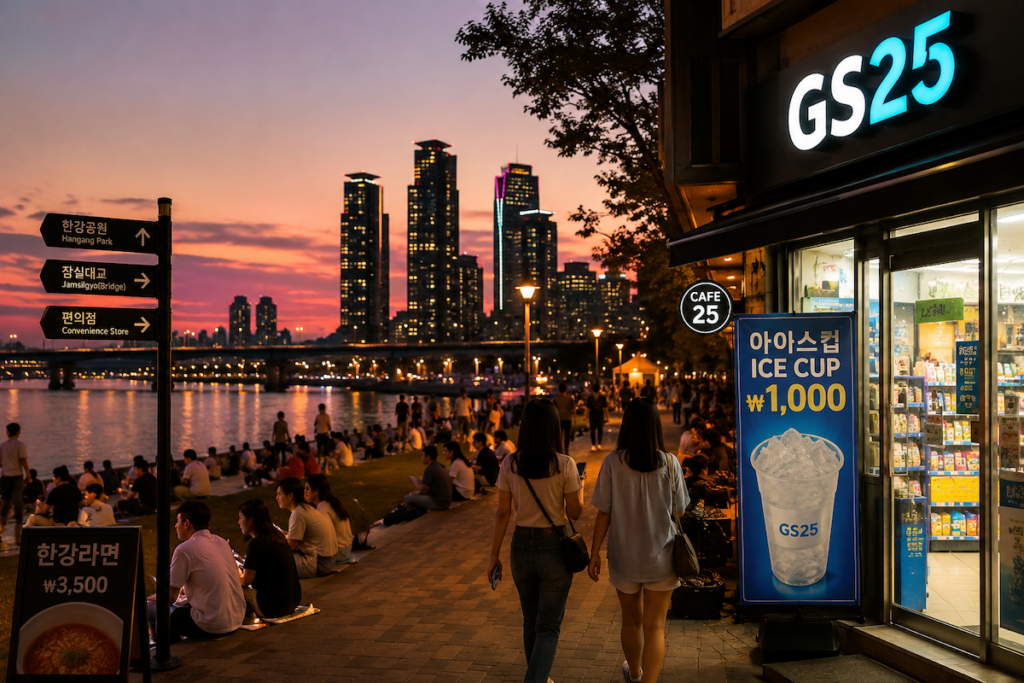
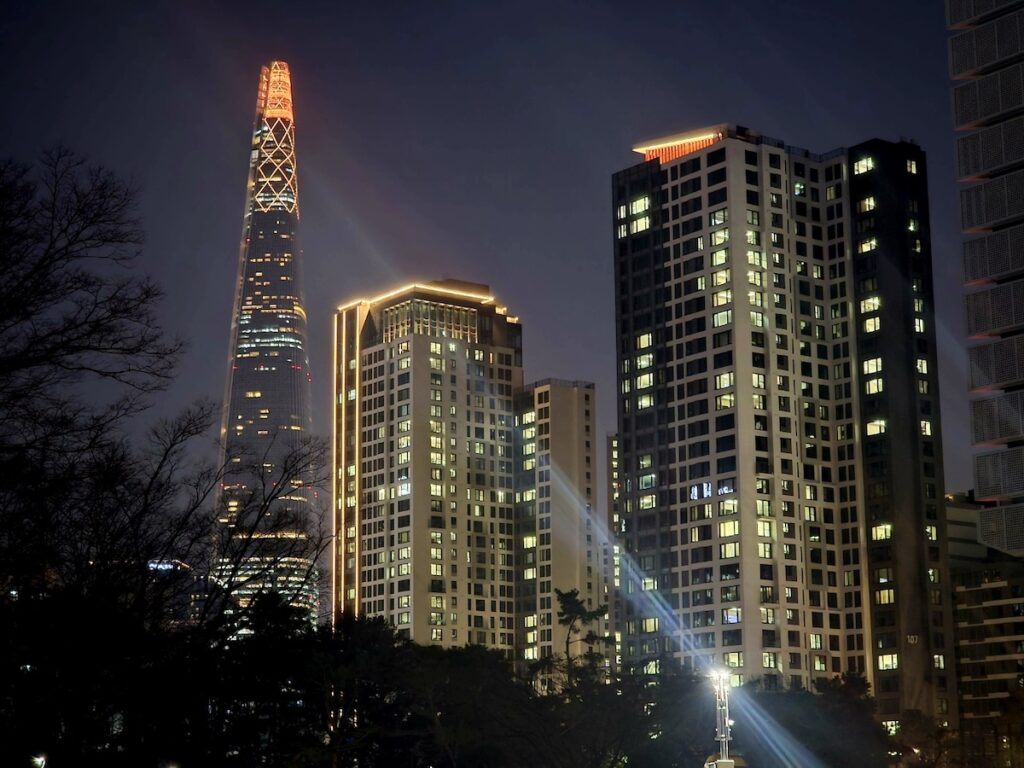
Traveling to Seoul with kids, especially with my first-grade nephew, is a constant lesson in perspective—literally. When we take the subway, I find myself constantly shielding him; at his height, a crowded train is a sea of swinging backpacks that can easily hit a child’s face. Yet, in that same crowded car, I often see the “Korean heart” in action when a stranger immediately stands up to offer him a seat.
This is the paradox of modern Korea: it’s a society caught between a deep-rooted cultural love for children and a modern, rigid desire for personal space. If you are planning on traveling to Seoul with kids, you need to understand this “chaos of hospitality and boundaries.”
The Reality of No-Kids Zones in Korea
A few years ago, before my nephew started elementary school, my sister’s family faced a dilemma. The rise of “No-Kids Zones” in trendy cafes and restaurants made dining out a stressful scouting mission. To avoid the awkwardness of being turned away, they simply started choosing luxury hotels and high-end restaurants. It cost more, but it guaranteed a “Yes.”
Why did this happen? It wasn’t about hating children. It was a collision of safety concerns—kids running in shops with hot soup—and a rise in customer complaints regarding parental supervision. For business owners, the legal liability of an accident led many to simply close their doors to minors.
The Survival Tip: Don’t take it personally. If a sign says “No-Kids,” it’s often about the physical safety of the layout. In 2026, many places are pivoting back to “Yes-Kids” zones, but luxury malls and hotel districts remain your safest, most welcoming bets when traveling to Seoul with kids.
Why Jamsil is the Ultimate Hub for Families
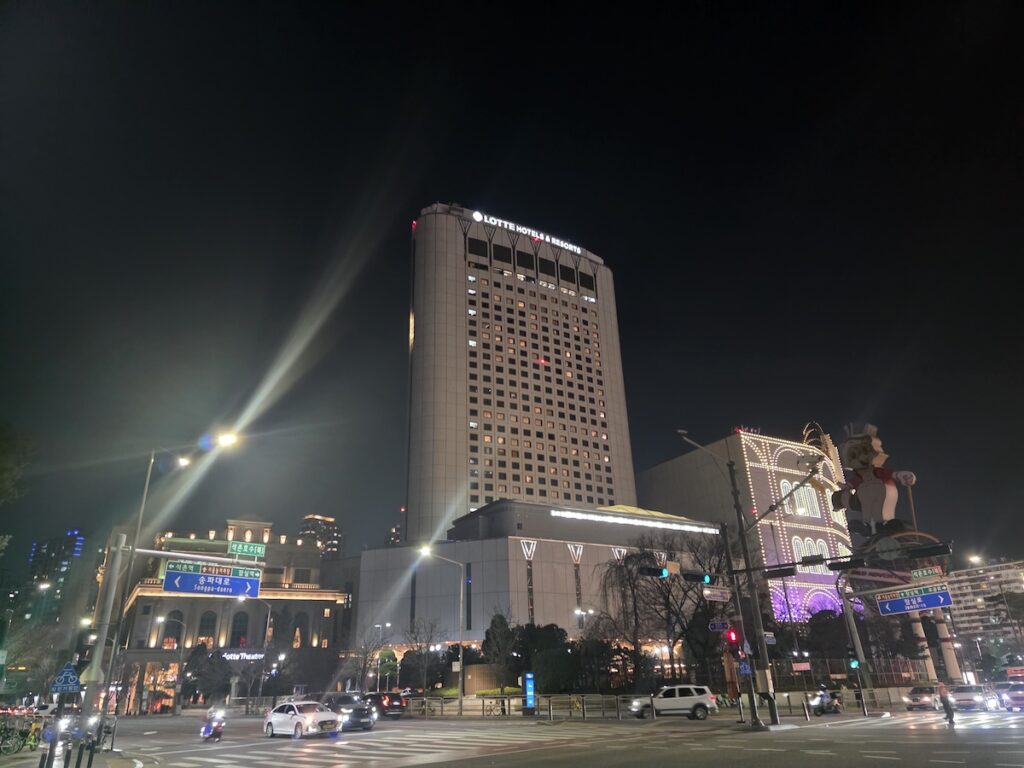
If you want to minimize travel time and maximize safety, Jamsil is the gold standard. You don’t need to cross the city; everything is connected through underground walkways and high-end infrastructure.
- Lotte World Adventure: An iconic indoor/outdoor theme park. Even on rainy days, the fun doesn’t stop.
- Lotte World Folk Museum: Located inside the mall, this is a quiet, educational escape where kids can see miniature models of ancient Korea.
- Seoul Sky (Lotte World Tower): The view from the top is breathtaking, and the facilities are world-class for families.
- The Infrastructure: From nursing rooms to stroller rentals, the Jamsil Lotte complex is designed for parents. You can stay in a nearby hotel and have everything—food, fun, and transport—within a 10-minute walk.
What to Do If You Lose Your Child in Seoul
This is every parent’s nightmare. But here is the good news: Koreans are fiercely protective of children.
1. Call 112 Immediately: This is the emergency police line. They provide foreign language services.
2. Be Specific: Don’t just say “my child is gone.” Describe their height, hair color, and specifically their clothing and shoes. Korean CCTV networks are incredible, and knowing the color of your child’s sneakers can help police track them through a crowd in minutes.
3. Ask for Help Locally: Point to your child’s photo and ask anyone nearby for help. In Korea, “losing a child” is considered a communal emergency. People will stop what they are doing to help you search.
Family Travel Comparison: High-Tech vs. Traditional
| Feature | Luxury Malls (Jamsil/Starfield) | Traditional Markets |
| Stroller Access | Perfect (Wide elevators) | Difficult (Crowded/Uneven) |
| Restrooms | Family rooms with changing tables | Standard (May lack facilities) |
| Vibe | Safe and Predictable | Authentic but Chaotic |
Traveling to Seoul with kids is a journey through a city that is still learning how to balance its fast-paced modern life with the needs of its youngest citizens. By choosing the right hubs like Jamsil and understanding the social “No-Kids” context, you can navigate this beautiful chaos with ease.
Mastering Transport: The Stroller vs. Carrier Dilemma
When traveling to Seoul with kids, your choice of mobility is your most important tactical decision. While the subway system is world-class, the “transfer mazes” in older stations can turn a 10-minute trip into a 40-minute search for a working elevator.
- Subway Strategy: Download the “Seoul Subway” app and look for the wheelchair/elevator icon. Avoid transfers at massive stations like Shindorim or Dongdaemun History & Culture Park during rush hour. If you’re pushing a stroller, always use the wide gate at the end of the turnstiles—it’s designed for wheelchairs and strollers.
- The Taxi Advantage: In 2026, many Seoul taxis are now SUVs or larger sedans. Use the “Kakao T” or “Uber/UT” app to call a “Venti” (Large Taxi) if you have a bulky stroller and multiple bags. It’s slightly more expensive, but the mental peace of not struggling with a trunk that won’t close is worth every won.
- Buses: Look for the “Low-Floor” (저상버스) buses. They have a kneeling function and a dedicated space for strollers. Just be prepared for the fast-paced driving; always lock your stroller wheels immediately.
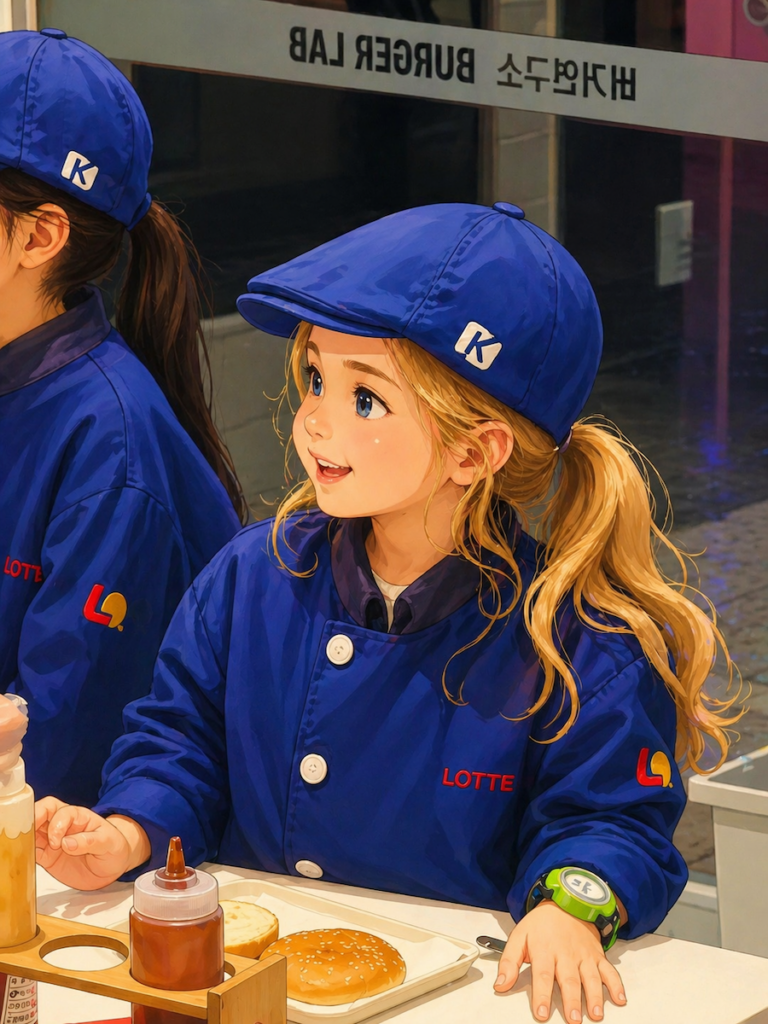
The “Kid-Cafe” Phenomenon: Your Sanctuary in Seoul
If you find yourself in an area with too many “No-Kids Zones,” look for a Kid-Cafe (키즈카페). This is a uniquely Korean solution where children can play in massive, safe, indoor playgrounds while parents sit nearby, enjoy a coffee, and actually breathe.
- Top-Tier Experiences: Chains like “Champion” or “Vaunce” are found in almost every major mall (like Lotte or Shinsegae). They offer everything from trampolines to digital interactive games.
- Cultural Tip: You will be asked to take off your shoes and often provide your phone number for registration. Some high-end Kid-Cafes in Gangnam or Hannam-dong even offer “tutor” services where staff play with your children, giving you an hour of true “me-time.”
- Pricing: Usually charged per hour (around 15,000 to 25,000 KRW). It’s the best investment you’ll make during your trip to burn off your child’s energy before a long flight or a nice dinner.
Pharmacy Hacks: Dealing with “Traveler’s Fever”
Beyond major hospitals, the Korean “Yak-guk” (Pharmacy) is your first line of defense for minor illnesses. Unlike some Western countries where you buy medicine at a supermarket, in Korea, you must go to a pharmacy for even basic children’s fever reducers.
- The “Convenience Store” Backup: If it’s late at night and pharmacies are closed, 7-Eleven or GS25 sell basic “Emergency Medicine” (상비약) including children’s Tylenol and fever patches (Cooling sheets).
- The Language of Symptoms: If you’re at a pharmacy, use these simple terms:
- “Hyeol-yeol” (Fever)
- “Gitchim” (Cough)
- “Sult-sa” (Diarrhea)
- Identification: Always carry a digital photo of your child’s passport on your phone. If you need a stronger prescription, the pharmacist will guide you to a nearby pediatric clinic (Sowa-gwa), which are incredibly efficient and affordable in Korea.
Cultural “Dos and Don’ts” to Avoid Friction
To make your journey of traveling to Seoul with kids smoother, keep these local social nuances in mind:
- Don’t Change Diapers in Public: Avoid changing diapers on restaurant benches or cafe chairs. Almost all subway stations and malls have dedicated nursing rooms (Suyuso).
- The “Quiet Rule” on Public Transport: While Koreans love children, they value silence on subways. If your child is watching a video, headphones are a must. A loud tablet in a quiet train car is the fastest way to get a “stink eye” from commuters.
- Accept the Treats: Don’t be surprised if an elderly person (Harabeoji or Halmeoni) hands your child a candy or a piece of fruit on the street. It’s an old-school way of showing affection. A simple “Gamsahamnida” (Thank you) from the child will make their day.
Emergency Contact Checklist
- Police: 112 (Foreign language support available)
- Fire/Ambulance: 119
- Medical Information (24/7): 1339
- Seoul Tourist Help Line: 1330 (Great for finding “Kids-friendly” spots in real-time)
Conclusion: Embracing the “Slow” in a Fast City
Traveling to Seoul with kids is undeniably a challenge of endurance. Between navigating the high-speed “Pali-pali” culture and deciphering the invisible boundaries of social etiquette, it’s easy for parents to feel like they are constantly on the defensive. Whether it’s shielding your child from swinging backpacks on the subway or strategically picking a luxury hotel to avoid the “No-Kids” debate, the mental load is real.
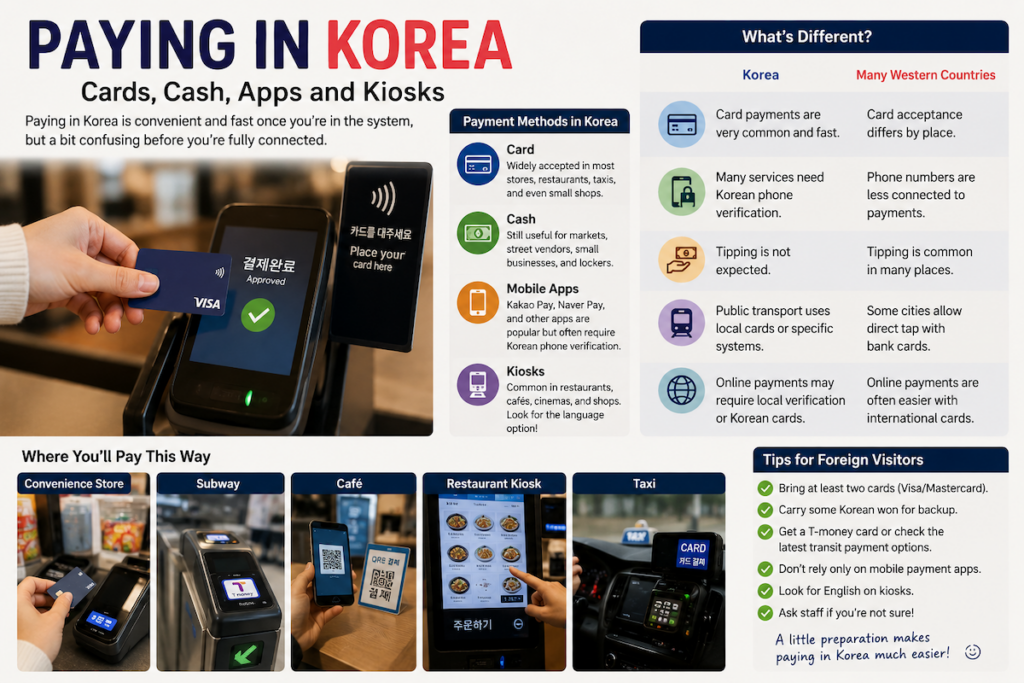
But beneath the glass skyscrapers and the digital efficiency of the kiosks, there is a core of communal warmth that still defines Korea. For every “No-Kids” sign you encounter, there will be a stranger who offers their seat to your tired child, or a pharmacist who spends ten extra minutes making sure you understand the dosage for a fever reducer.
The secret to a successful family trip in Seoul is to find your own rhythm. Don’t feel pressured to see every landmark in one day. Take the “strategic rests,” utilize the world-class infrastructure in hubs like Jamsil, and remember that for all its high-tech polish, Seoul is a city that still deeply values the next generation. Take a breath, hold your child’s hand, and enjoy the beautiful, chaotic, and ultimately rewarding journey of exploring Korea together.