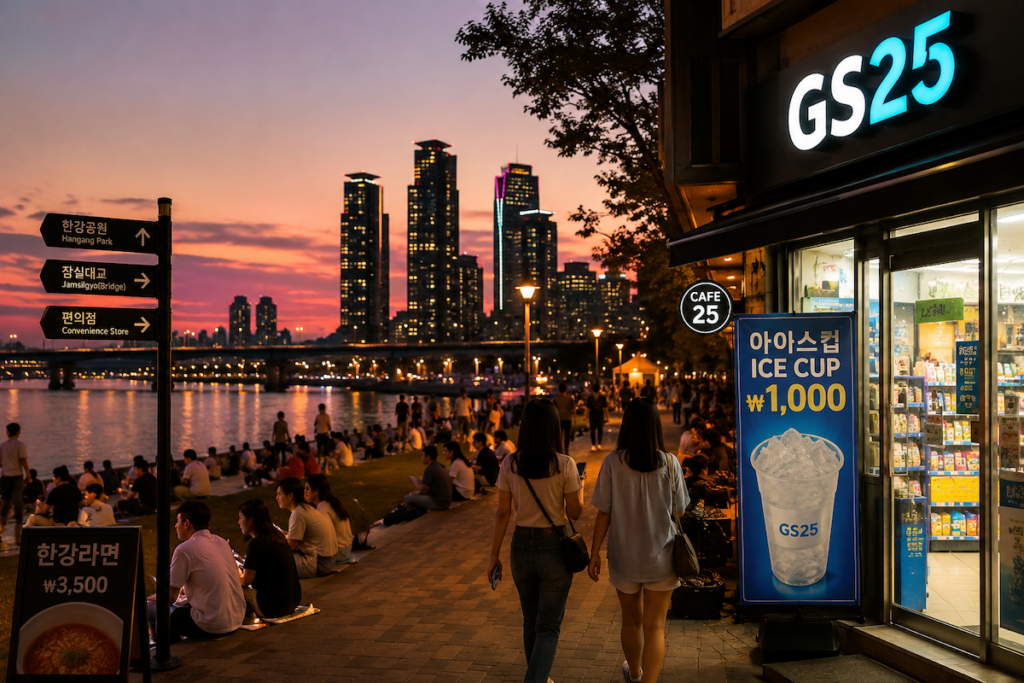
When you think of Seoul, the mind often goes to neon-lit skyscrapers, bustling night markets, and the high-tech pulse of Gangnam. However, the true essence of this city’s luxury lies in its “Vertical Nature.” Seoul is one of the few global megacities where you can step out of a world-class subway station and, within 15 minutes, find yourself on a granite peak overlooking a sea of green. As of spring 2026, the city has further integrated its natural elements with urban life, creating a “Green Network” that attracts everyone from digital nomads to Hollywood A-listers.
Why Nature in Seoul is the City’s Greatest Hidden Luxury
The world was captivated when stars like Andrew Garfield were spotted enjoying the serene, green corners of Seoul, proving that the city’s natural landscapes are just as attractive as its cultural ones. Even K-pop icons like RM of BTS have consistently shared his “Namjooning” moments—often involving quiet walks through Seoul’s lush forests and mountain trails. For these global icons, nature in Seoul isn’t just a backdrop; it’s a sanctuary for wellness. The juxtaposition of ancient mountains and futuristic architecture creates a visual aesthetic you simply cannot find in London or New York.
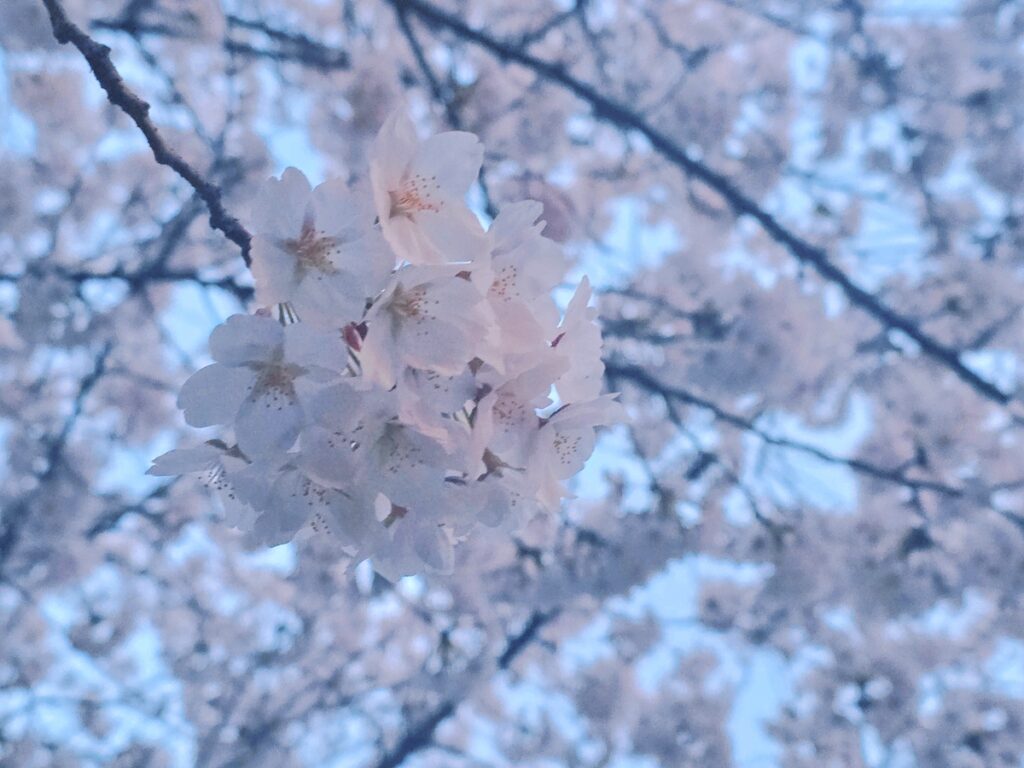
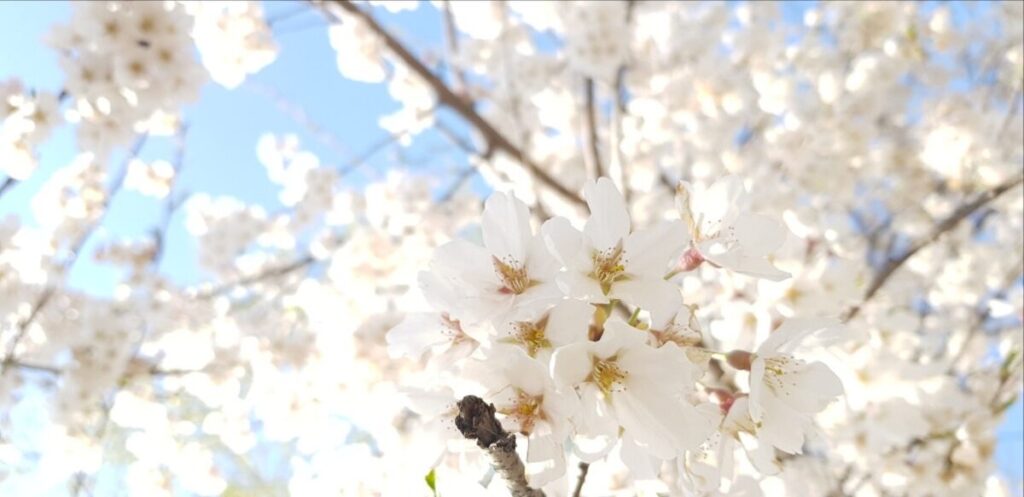
Spring Flowers in Seoul 2026: Beyond the Cherry Blossoms
While the world rushes for the brief cherry blossom window, the real magic happens in the weeks that follow. In 2026, the city’s flower management has reached a peak, with “continuous blooming zones” designed to transition from tulips to canola flowers and roses.
2026 Seoul Nature & Flower Guide Matrix
| Destination | Best Time | Key Floral/Nature Element | Celebrity/Idol Spotting Point |
| Seoul Forest | April – May | Tulips & Giant Poppies | Frequented by SM Entertainment idols |
| Bukhansan | All Seasons | Granite Peaks & Azaleas | RM (BTS)‘s favorite hiking trail |
| Banpo Hangang Park | May | Canola Flowers & Moon Rainbow | A favorite for K-drama “Picnic” scenes |
| Eungbongsan | April | Forsythia (Yellow Gold Hills) | Top spot for K-Pop Music Video backgrounds |
Vertical Nature: Mastering Bukhansan National Park Hiking
Seoul’s geography is dominated by mountains, a feature that travel experts call “Vertical Nature.” Unlike the flat parks of Western Europe, Nature in Seoul is three-dimensional. Bukhansan National Park, accessible via Line 3, is the crown jewel. It holds the Guinness World Record for the “Most Visited National Park per Unit Area,” and for good reason.
When Gwyneth Paltrow visited Korea, she marveled at the country’s approach to wellness, and nothing embodies this better than a morning hike up Inwangsan or Bukhansan. These trails offer a “Detox” from the digital saturation of the city. For the 2026 season, the trails have been upgraded with eco-friendly paths and better English signage, making the ascent to Baegundae Peak more accessible than ever for international hikers.
The “Zero-Effort” Nature: Seoul’s Best Green Spots Right Outside the Subway Station
The true genius of Seoul’s urban planning lies in its seamless integration with the natural world. For the international traveler, this means you don’t need a rental car or a complex bus itinerary to escape the concrete. In Seoul, the green lung of the city is often just a single turnstile away. This “Zero-Effort” access is what defines Nature in Seoul in 2026—making it possible to switch from a high-end coffee shop to a forest trail in under five minutes.
1. Gangbyeon Station (Line 2): The Riverside Gateway
While many know this station for the Dongseoul Bus Terminal, it is also the premier entry point to the Han River’s eastern ecological belt.
- The Experience: Directly exiting the station leads you to a sprawling riverside park that offers one of the widest views of the Han River. It’s a favorite for those who want to witness the “Golden Hour” without the crowds of Banpo or Yeouido.
- Pro Tip: This is the best spot to rent a bicycle and ride toward the Gwangjin Bridge, where the city’s skyline begins to blend into the greenery of the eastern suburbs.
2. Seoul Forest Station (Suin-Bundang Line): The Mirror of Manhattan
Exit 3 and 4 of Seoul Forest Station drop you directly into the heart of what many call the “Korean Central Park.”
- The Experience: You are immediately greeted by the towering metasequoia paths and the famous Mirror Lake. This station is a prime example of the Best Parks in Seoul being woven into the urban fabric. It’s where luxury high-rises like Acro Seoul Forest literally overlook the deer corrals and botanical gardens.
- Celebrity Connection: This area is the unofficial backyard for SM Entertainment artists, frequently used for spontaneous content shoots and low-key wellness walks.
3. Gupabal & Bukhansan Ui Stations (Line 3 & Ui-Sinseol): The Vertical Portal
If you are searching for Bukhansan National Park Hiking, these are your two primary portals.
- The Experience: Bukhansan Ui Station is particularly unique; as soon as you exit, the granite peaks of Bukhansan loom over you like a giant wall of stone. It’s an exhilarating transition from the metallic hum of the subway to the crisp mountain air.
- The Route: From Gupabal Station, a short 5-minute local bus connection (or a brisk 20-minute walk) brings you to the Jingwansa Temple entrance, a serene forest path that leads deep into the valley.
4. World Cup Stadium Station (Line 6): The Skyward Meadow
Exiting this station leads you to a cluster of five massive parks, most notably Haneul Park (Sky Park).
- The Experience: After a short walk from the station, you can take a “Z-shape” staircase or a small shuttle to reach a high-altitude meadow that offers a 360-degree view of Seoul.
- 2026 Update: In 2026, the silver grass fields have been enhanced with new observation decks, making it a premier spot for sunset photography that requires minimal hiking effort.
[Subway-to-Nature Access Matrix]
| Subway Station | Exit | Nature Destination | Walking Distance | Vibe |
| Gyeongbokgung (L3) | 1 | Inwangsan Mountain | 10 Mins | Historical & Panoramic |
| Ttukseom Resort (L7) | 2/3 | Han River Park | 1 Min | Active & Social |
| Oryun (L9) | 1 | Olympic Park | 2 Mins | Artistic & Vast |
| Seoul Nat’l Univ. (L2) | 3 | Gwanaksan Mountain | 15 Mins |
The Best Parks in Seoul for an Urban Escape
If you prefer a horizontal landscape, the Best Parks in Seoul offer a curated nature experience. Seoul Forest has become the “Central Park of Korea,” where art installations blend seamlessly with ancient trees. It’s not uncommon to see models and actors filming near the “Mirror Lake,” utilizing the natural light that filters through the dense canopy.
Further east, Olympic Park offers vast rolling hills that look like they belong in a European countryside. The “Lone Tree” in Olympic Park remains the most photographed natural landmark in the city, a testament to how Seoul has preserved its natural soul amidst rapid modernization.
Final Thoughts: The New Standard of Urban Travel
As we move through 2026, the definition of a “premium travel experience” has shifted. It is no longer just about 5-star hotels; it is about the accessibility of fresh air, mountain vistas, and seasonal blooms. Nature in Seoul provides a unique high-density luxury that allows you to be a city dweller and a mountain hiker all in the same afternoon. Stay sharp, pack your hiking boots, and discover why the world’s biggest stars find their peace in the green heart of Seoul.