Don’t Get Lost: Get Connected in 5 Minutes
You just landed at Incheon Airport. Your phone shows “No Service,” and you can’t even open Google Maps to find your hotel. Don’t panic. Whether you are here for a 3-day layover or a 3-year work visa, getting a SIM card in Korea is easier than you think—if you know exactly where to go.
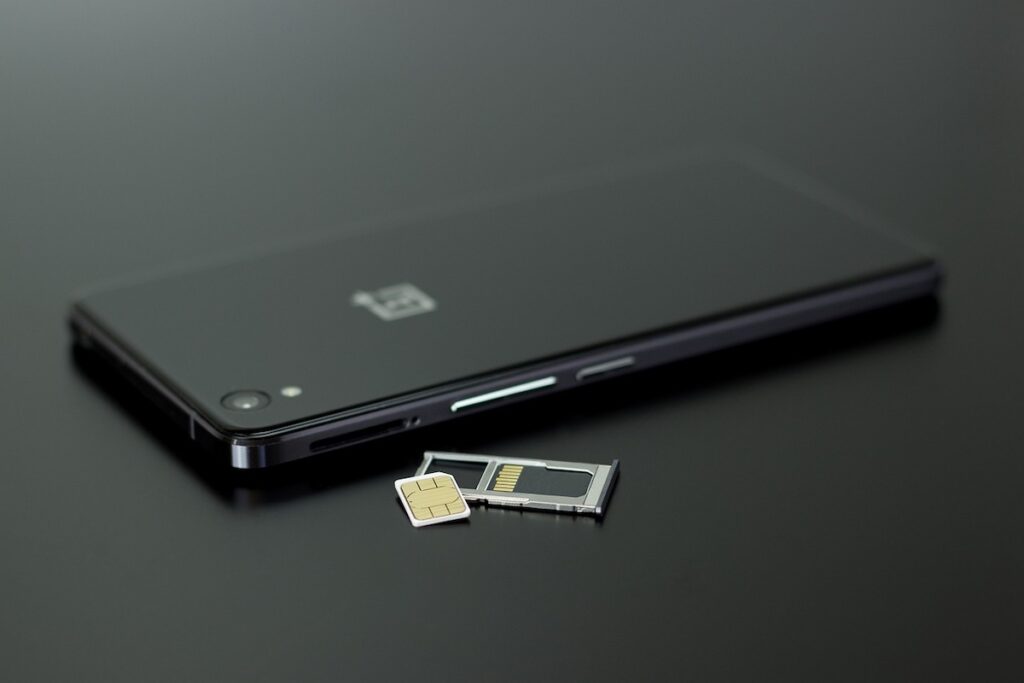
1. Fast-Track: Which SIM Fits Your Life?
Before you read the details, find your status here to save time:
| Your Status | Best Option | Requirement | Duration |
| Tourist (< 90 days) | Prepaid SIM / eSIM | Passport | 5 – 90 Days |
| Student / Expat | Postpaid Plan | ARC + Korean Bank Acc | 1 – 2 Years |
| Digital Nomad | eSIM (Airalo/Nomad) | Compatible Phone | Instant |
2. The Big 3 Carriers vs. MVNOs: Who Should You Choose?
South Korea has three major telecom giants, each with specific strengths for foreigners:
- KT (Korea Telecom): The King of Tourists. They have the most English-friendly kiosks at Incheon Airport (T1/T2) and 24/7 support.
- SK Telecom (SKT): The Reliability Leader. Offers the widest coverage, especially if you plan to visit remote islands or deep mountains.
- LG U+: The Data Specialist. Often provides the most aggressive “Unlimited Data” deals for short-term visitors.
- MVNOs (Chingu, EG SIM): Perfect for students on a budget. They use the same networks as the Big 3 but at nearly half the price.
3. Prepaid vs. Postpaid: Understanding the 2026 Market
📱 Prepaid SIM: The “Instant Fix”
- Pros: No contracts, no Korean bank account needed, instant activation at the airport.
- Cons: Slightly more expensive per GB, and your number expires if you don’t top up.
- Tip: If you don’t have your ARC (Alien Registration Card) yet, start with a 30-day prepaid SIM and switch later.
📞 Postpaid Plan: The Long-Term Choice
- Pros: Lowest rates, unlimited calling, and you can bundle it with home internet for huge discounts.
- Cons: Requires an ARC and a Korean bank account. Early termination fees apply if you leave Korea early.
4. ⚠️ 3 Critical “Traps” to Avoid in Korea
Most foreigners make these mistakes. Don’t be one of them:
- The “Locked” Phone: Before you leave home, call your carrier and ensure your phone is unlocked. If not, no Korean SIM will work.
- The Termination Fee: Never sign a 2-year contract if you are only staying for 1 year. The “free phone” isn’t free—the penalty will cost you more.
- ID Verification: Your Korean phone number is your Digital ID for everything (delivery apps, banking, KakaoTax). Ensure the name on your SIM matches your Passport/ARC exactly.
5. Where to Buy: Pro Tips for 2026
- At the Airport: Best for immediate use. Look for the KT or SKT Roaming Center near the arrival gates.
- In the City (Hongdae/Itaewon): These areas have the most English-speaking staff who understand expat needs.
- Online (Klook/Trazy): Pre-order your eSIM or physical SIM for a discounted price and pick it up at the airport.
6. Where to Buy a SIM Card: Pro Tips for 2026
✈️ At the Airport (Best for Immediate Use)
Incheon International Airport (T1/T2) is the easiest place to start. Look for the KT, SKT, or LG U+ roaming centers near the arrival gates. They offer 24-hour service and guaranteed English support.
- Step-by-Step eSIM Setup: If you choose an eSIM, the process is nearly instantaneous. After purchasing, you will receive a QR code via email. Crucial Tip: Connect to the airport’s free Wi-Fi before scanning. Go to Settings > Cellular > Add eSIM, and scan the code. Do not delete the profile if it doesn’t work immediately; try restarting your phone or toggling Airplane Mode to ‘wake up’ the network.
- The Convenience Store Alternative: If the carrier kiosks have long lines, don’t waste your time. Head to the CU or GS25 convenience stores in the arrival hall. They sell ready-to-use SIMs like EG SIM or Woori Mobile. These are often cheaper for those who only need a few gigabytes for a short stay. Just show your passport, pay, and you’re good to go.
🏙️ In the City & Digital Identity
- Why Identity Verification Matters: In Korea, your phone number is your Digital ID. You cannot use essential apps like Baemin (food delivery), KakaoT (taxi), or Coupang without a verified number. This is why you must ensure the name registered on your SIM matches the spelling on your Passport or ARC perfectly. Even a small typo can block you from these life-saving services.
- Foreigner-Friendly Areas: If you need help in person, head to Itaewon, Hongdae, or Gangnam. Stores in these areas are used to dealing with expats and usually have English-speaking staff.
🧭 Final Thoughts: Your Passport to Digital Life
In Korea, a SIM card isn’t just for calling; it’s how you pay, how you order food, and how you survive. Start with a simple prepaid option and upgrade once you are settled.
What’s Next?
Now that you’re connected, where should you go first?
- 📸 [Best Photo Spots in Seoul: The Ultimate 2025 Guide]
- 🕶️ [Beyond 15 Minutes: Why Korea is the World’s Holy Land for Eyewear]
- ⛰️ [Bukhansan vs. Ganghwa: Which Korean Nature is Right for You?]