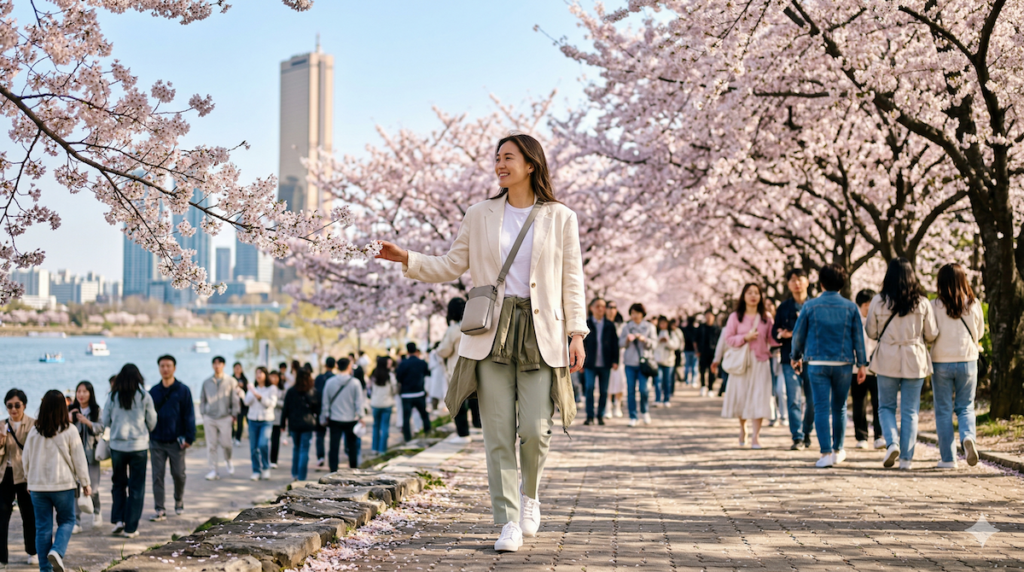
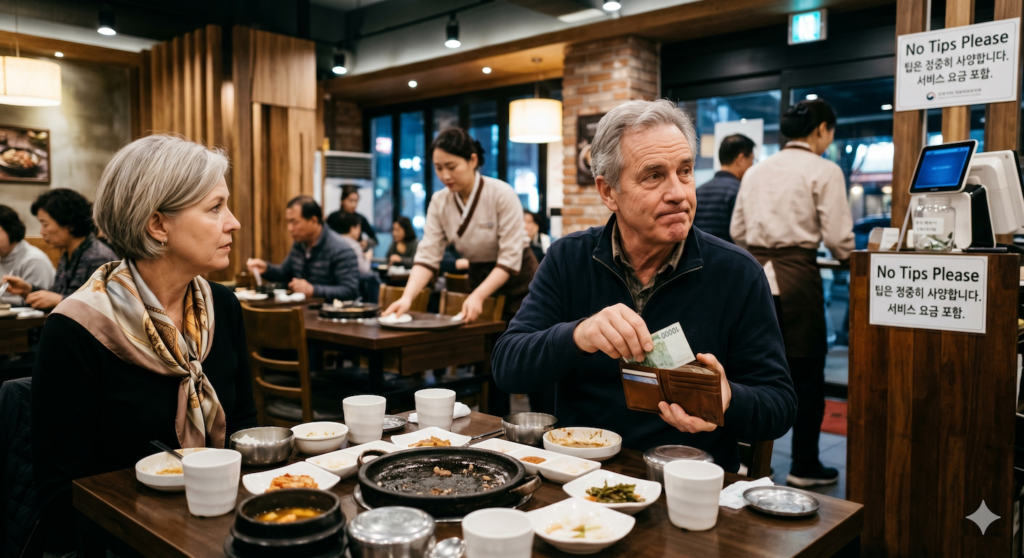
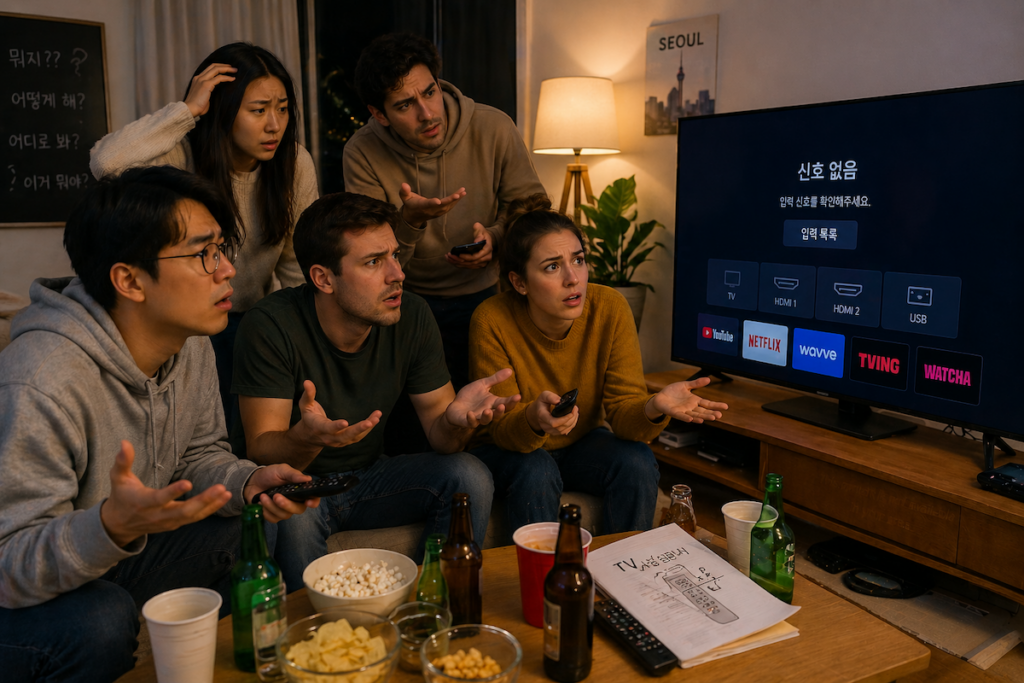
“If Seoul is a neon-lit sprint into the future, Jeonju is a slow, rhythmic exhale into Korea’s past. While your browser might show a 2025 URL, this Jeonju Travel Guide 2026 edition has been fully renovated to capture the city’s evolving soul. From the high-tech KTX-Eum arrivals to the timeless steam rising from a bowl of Kongnamul Gukbap, we’re exploring why this UNESCO City of Gastronomy remains the ultimate escape for every foreigner in Korea.”
## Jeonju 2026: What’s New for Foreigners?
| Feature | 2026 Update | Pro Tip |
| Mobility | KTX-Eum Speed Boost | 1hr 40m from Seoul (More seats available) |
| Digital ID | ARC Mobile ID Accepted | Use your smartphone for Hanok check-ins. |
| Nightlife | Expanded Drone Shows | Check Nambu Market for weekend night festivals. |
| Connectivity | Free Wi-Fi 6 in Hanok Village | Seamless streaming even in 100-year-old houses. |
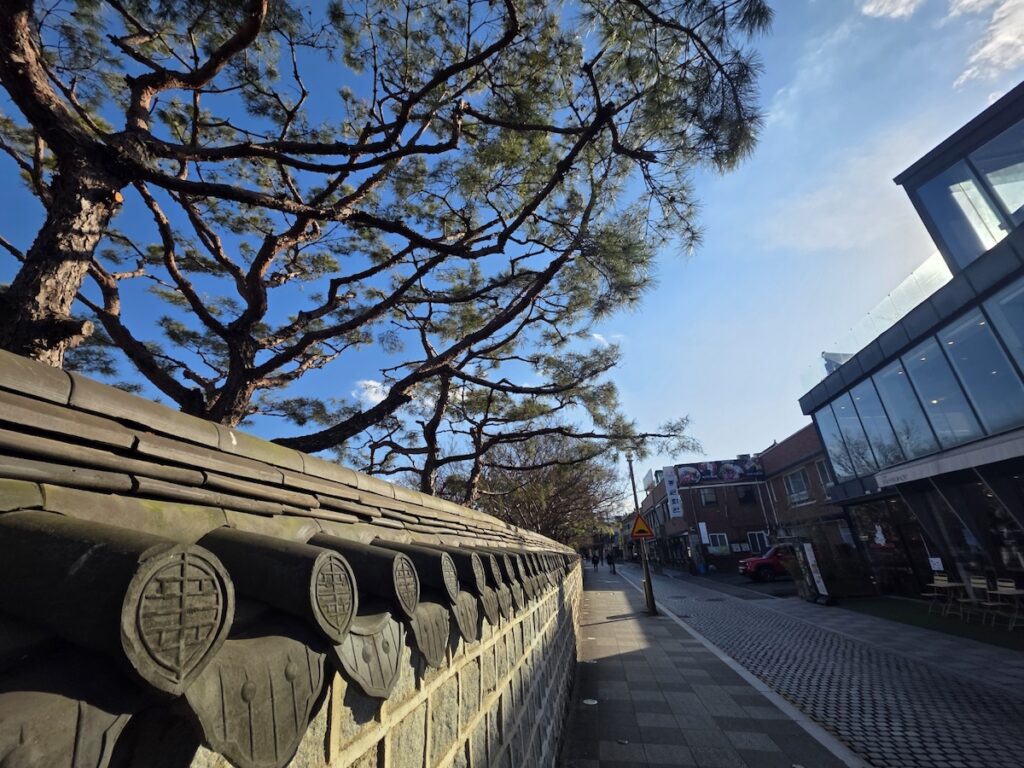
1. Jeonju Hanok Village – A Step Back in Time
The most famous attraction in Jeonju is undoubtedly Jeonju Hanok Village.
With over 700 traditional Korean houses clustered together, the village feels like an open-air museum where you can experience the beauty of the past.
- What to See:
- Gyeonggijeon Shrine: Houses the portrait of King Taejo, founder of the Joseon Dynasty.
- Jeondong Catholic Church: A stunning mix of Western and Korean architectural styles.
- Omokdae Pavilion: Offers panoramic views of the hanok rooftops.
- What to Do:
- Rent a hanbok (Korean traditional clothing) and stroll through the alleys.
- Join a tea ceremony and taste traditional Korean tea.
- Learn Korean crafts such as calligraphy or knot-making.
Travel Tip: Compared to Seoul’s Bukchon Hanok Village, Jeonju’s version is larger, less commercialized, and offers more hands-on activities.
2. Samcheon-dong Makgeolli Alley – The City’s Nighttime Flavor
If you think makgeolli (Korean rice wine) is just a drink, Jeonju will prove you wrong.
In Samcheon-dong, a single order of makgeolli comes with a table full of side dishes — from seafood pancakes to spicy stir-fried pork.
- Why It’s Unique:
- Makgeolli is served in a kettle, and one order can easily be shared by 3–4 people.
- Side dishes keep coming, often until your table is completely covered.
- The atmosphere is casual, friendly, and perfect for meeting locals.
- Foreigners’ Favorites: Kimchi pancakes (kimchijeon), seafood pancakes (haemul pajeon), spicy fish stew (maeuntang).
Travel Tip: If you can’t handle spicy food, let the staff know by saying “Maewoon geot jom juseyo” (Please make it less spicy).
3. Jeonju’s Food Paradise
Jeonju is often called the culinary capital of Korea. While bibimbap is the most famous dish, the city’s food scene is far more diverse.
- Jeonju Bibimbap: A colorful mix of rice, vegetables, beef, egg, and spicy gochujang sauce.
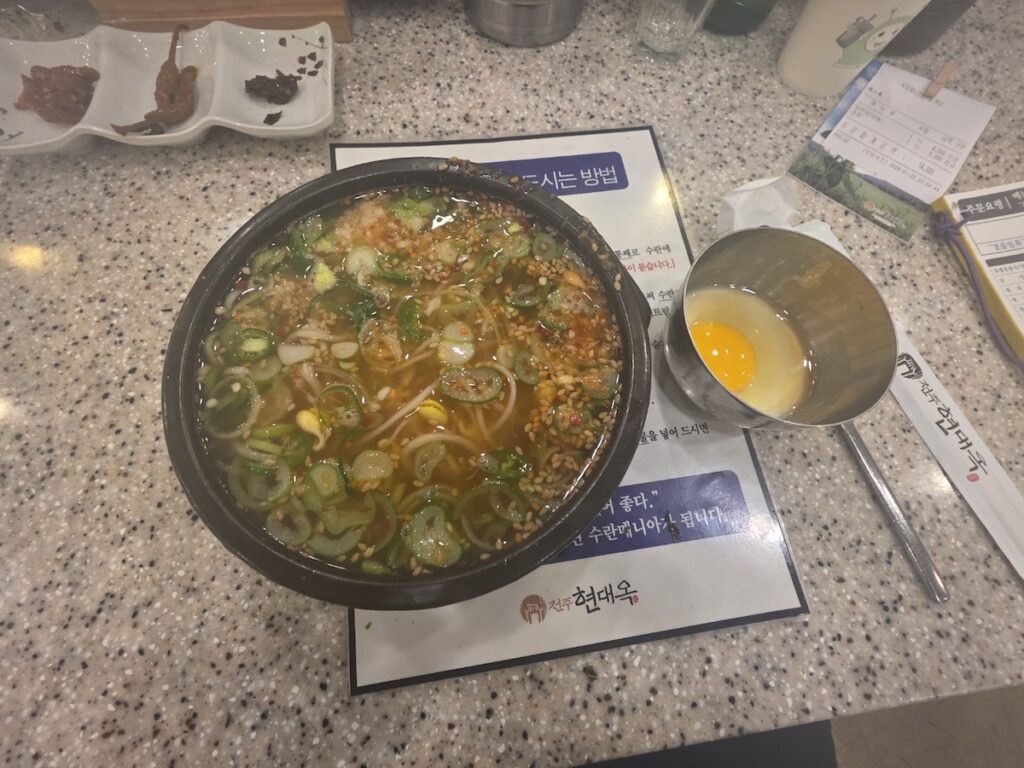
- Kongnamul Gukbap: Warm bean sprout soup with rice, often eaten for breakfast or as a hangover cure.
- Korean Full-Course Meal (Hanjeongsik): A dining table filled with 15–20 different side dishes.
- Jeonju Choco Pie: A sweet treat that is a local specialty, different from the mass-produced version.
Fun Fact: Jeonju is part of the UNESCO Creative Cities of Gastronomy network.

4. Other Must-Visit Spots
- Nambu Market & Youth Mall: A traditional market combined with modern, trendy shops run by young entrepreneurs.
- Deokjin Park: Famous for its lotus flowers in summer.
- Omokdae & Imokdae: Historical pavilions with ties to King Taejo.
5. The Vibe – How Jeonju Differs from Seoul
While Seoul moves at lightning speed, Jeonju invites you to slow down.
Cafes won’t rush you, market vendors will chat with you, and the streets are filled with the scent of traditional foods.
In Jeonju:
- You can spend an entire day just walking around Hanok Village.
- Meals are served with generosity — sometimes more food than you can finish.
- Locals are more likely to strike up conversations with foreign visitors.
6. Practical Travel Tips for Foreigners
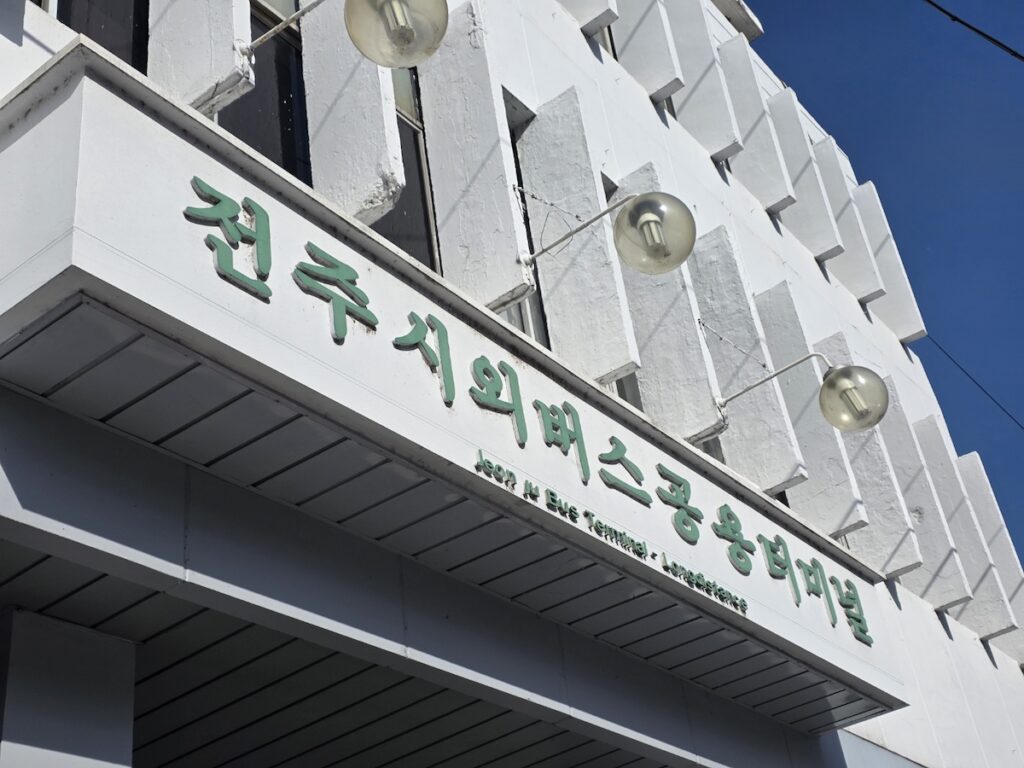
- Getting There: KTX from Seoul Station takes about 1 hr 40 min. Express buses take around 2 hrs 30 min.
- Language: Basic English is available at major attractions, but markets and small restaurants may require a translation app.
- Accommodation: Stay in a hanok guesthouse for a true Korean experience — heated floors (ondol) are especially cozy in winter.
- Money: Many small shops still prefer cash, though cards and mobile payments are becoming common.
7. Suggested 2-Day Itinerary
Day 1:
- Morning: Arrive in Jeonju, check in to your hanok stay.
- Late Morning: Explore Hanok Village and Gyeonggijeon Shrine.
- Afternoon: Enjoy tea and snacks at a traditional teahouse.
- Evening: Head to Samcheon-dong Makgeolli Alley for dinner.
Day 2:
- Morning: Visit Nambu Market for breakfast (try kongnamul gukbap).
- Midday: Explore Deokjin Park or rent a bike to see more of the city.
- Afternoon: Shopping for souvenirs at Youth Mall.
- Evening: Return to Seoul.
🔗 Deepen Your Jeonju Soul: Exclusive 2026 Night & Culture Guides
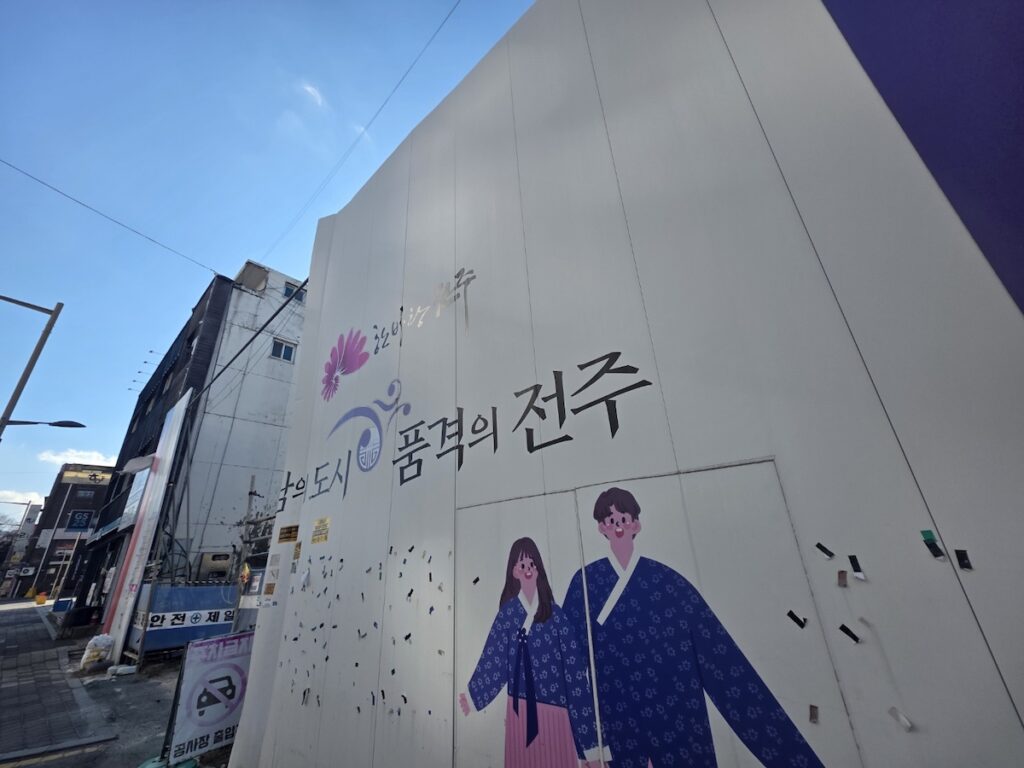
To truly understand why Jeonju is the “City of Dignity,” you must look beyond the bibimbap bowl. Explore these tactical deep-dives to master the city’s nocturnal rituals and noble traditions:
- Jeonju Hanok Village Experience: 5 Essential Tips for the Noble Traveler (2026)
- Why Read: Don’t just walk through the village; live it. Learn the etiquette of staying in a century-old house and how to dress in Hanbok like a Joseon aristocrat, not just a tourist.
- “Jeonju Makgeolli Street Guide: Kettle Service, Endless Anju, and How to Do It Right”
- Why Read: The “Kettle Service” is a tactical mission of endurance and flavor. Discover which alleys offer the best “Anju” (side dishes) and the secret to ordering your second kettle without losing your dignity.
- 4 Essential Jeonju Night Scenes: Decoding the Urban DNA of Korea’s Heritage Capital
- Why Read: When the sun sets, Jeonju’s DNA shifts from historical to cinematic. From the illuminated Omokdae to the neon-lit Nambu Market, find the 4 spots that define the city’s modern heritage.
Why Jeonju is Worth Visiting
For foreign visitors, Jeonju is the perfect mix of history, culture, and food.
It’s not just about sightseeing — it’s about experiencing the warmth of Korean hospitality.
Whether you’re wearing hanbok, sipping makgeolli, or sharing a meal with locals, Jeonju will leave you with memories that go beyond photos.