Seoul in 2026 is a city that never pauses, a luminous grid where every transaction is a heartbeat. For the foreigner stepping into this electric reality, the Debit Card Korea (the ubiquitous ‘Check Card’) is more than plastic; it is an initiation. It is the digital key that synchronizes your rhythm with the city’s cadence. Whether you are catching a late-night bus in a “Midnight Run” through Mapo or tapping into the quiet efficiency of a Gangnam café, this card is your most observant companion.
1. The Genesis: Defining the “Check Card” Ritual
In the cinematic sprawl of Seoul, credit is earned, but the Debit Card Korea is claimed. Unlike the debt-driven models of the West, the Korean Check Card is a reflection of present reality. It is directly tethered to your balance, ensuring that your financial flow remains as transparent as the glass facades of Lotte World Tower.
2. The Bank Visit: A Rite of Passage
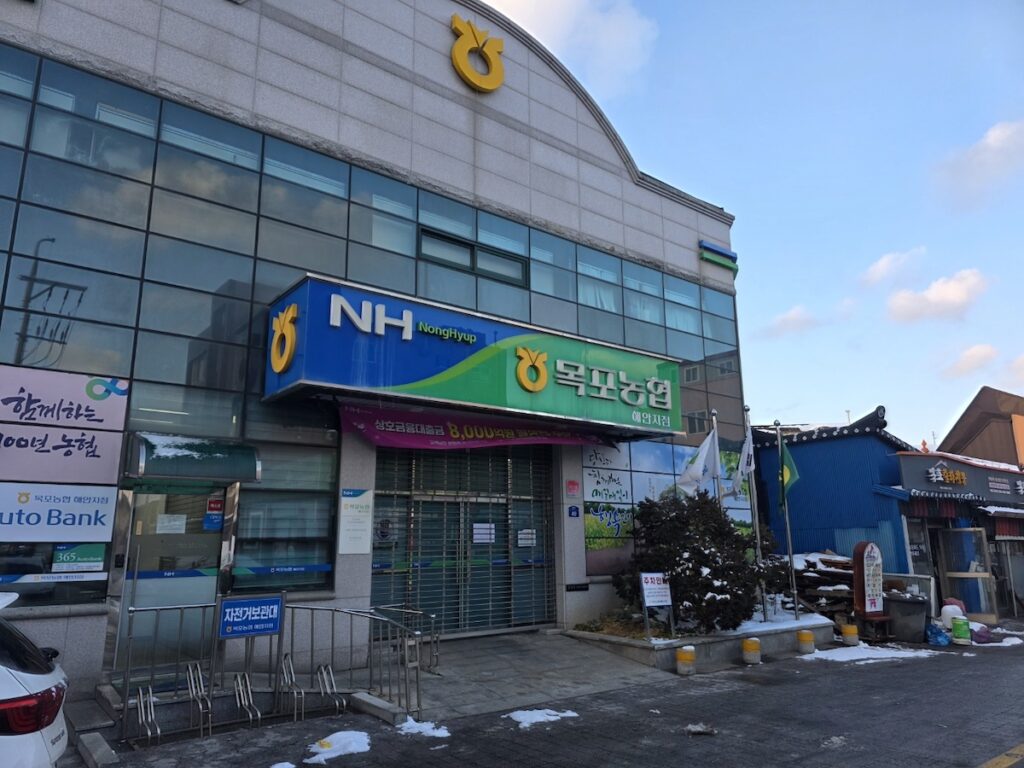
Entering a branch of Shinhan or KB Kookmin is the first true scene in your Seoul story. You are not just a customer; you are an architect of your residency. To avoid the “Oh My Card” moment—the realization of a missing document—ensure your satchel contains:
- The ARC (Alien Registration Card): Your physical anchor in the system.
- The Passport: The ghost of your global travels, meeting the reality of your local life.
- The Local Number: The bridge that connects your physical card to the ethereal world of mobile banking.
3. The Big Four: Choosing Your Financial Ally
Every bank in Seoul has a personality. Selecting your partner for Debit Card Korea issuance depends on your lifestyle:
- Shinhan Bank: The sleek, tech-forward choice with a robust English interface that feels like a scene from a sci-fi thriller.
- KB Kookmin Bank: The reliable, wide-reaching network that ensures you are never far from a withdrawal point, even in the city’s quietest corners.
- Hana Bank: The cosmopolitan’s favorite, long-tuned to the frequencies of international residents and cross-border flows.
- Woori Bank: Often the first love of exchange students, deeply embedded in university life and campus rituals.
4. The Transit Tap: T-money Integration
A Debit Card Korea without transit functionality is like a camera without a lens. Ensure your card is “K-Transit” enabled. As you step onto a blue bus during a “Midnight Run,” the ritual of tapping is your silent dialogue with the city. It tracks your transfers, protects your balance, and ensures you never face the “Oh My Card” frustration of a wasted fare.
5. Fintech Synergy: Kakao and Toss
In 2026, your physical card is merely the avatar. The true power lies in linking your Debit Card Korea to Toss or Kakao Pay. This synergy allows for the “One-Touch” life—paying for your late-night delivery or splitting the bill after a cinematic dinner in Itaewon with a single flick of the thumb.
Related Guides: Mastering the Citygram Lifestyle
- [2026 Guide: Private Health Insurance for Foreigners in Korea]: Protecting your journey in the “Medical Paradise.”
- [Best Car Insurance for Expats: Driving Korea’s Cherry Blossom Spots (2026)]: The ultimate cinematic road trip protection.
- [International Schools in Seoul 2026: The Ultimate Expat Education Guide]: Investing in the legacy of your residency.
6. The Convenience Store Confessional
In Korea, the GS25 or CU is more than a store; it’s a late-night sanctuary. Your Debit Card Korea is the currency of choice here. From the ritual of buying a morning “Hangover Drink” to the impulsive midnight snack, the transaction is instantaneous, discreet, and observant of your daily needs.
7. Online Shopping: Navigating the Digital Mall
Coupang and Gmarket are the engines of Seoul’s convenience. Setting up your Debit Card Korea on these platforms is a hurdle of authentication that, once cleared, rewards you with the magic of “Rocket Delivery.” It is the pinnacle of the Seoul “Fast-Life” (Pali-Pali) culture.
8. Security and the “Lost Card” Drama
Should you lose your card in the maze of Hongdae, the ritual of locking it via your banking app is your shield. Unlike credit lines that can be bled dry, your Debit Card Korea limits your exposure, protecting your hard-earned assets with a digital fortress.
9. The Salary Deposit: Reaping the Rewards
For those working in the city’s glass towers, your Debit Card Korea-linked account is where your efforts materialize. The monthly ping of a deposit notification is the most satisfying soundtrack to your Seoul residency.
10. Conclusion: The Card as Your Urban Compass
The Debit Card Korea is more than a financial tool; it is your urban compass. It guides you through the subways, feeds you in the dead of night, and secures your place in the most advanced digital society on earth. As you tap your card and hear that familiar beep, remember: you aren’t just paying a bill; you are participating in the grand, cinematic ritual of Seoul.
Conclusion: Mastering the Financial Rhythm of Seoul
Securing your Debit Card Korea is the final initiation into the rhythmic pulse of this city. It is more than a piece of plastic; it is a digital compass that synchronizes your frequency with Seoul’s sophisticated fintech ecosystem. In 2026, where data defines value, your spending habits via this card form the bedrock of your credit history and residency reliability.
The “Midnight Run” becomes a seamless experience when your card is ready. Whether you are catching the last bus or settling a bill at a quiet Gangnam café, the observant efficiency of the Debit Card Korea ensures you are never an outsider to the city’s flow. Your financial security is your freedom, and in Korea, this card is your primary partner in protecting that asset.
Action Plan: Your 2026 Financial Strategy
- Immediate Procurement: Visit a foreigner-friendly bank like Shinhan or Hana as soon as you receive your ARC to minimize your “unbanked” risk.
- Digital Integration: Sync your Debit Card Korea with apps like Toss or Kakao Pay for real-time wealth management.
- Transit Activation: Always request the “post-paid transit” (Hu-bul) feature to navigate Seoul’s veins without the need for constant recharging.