Introduction
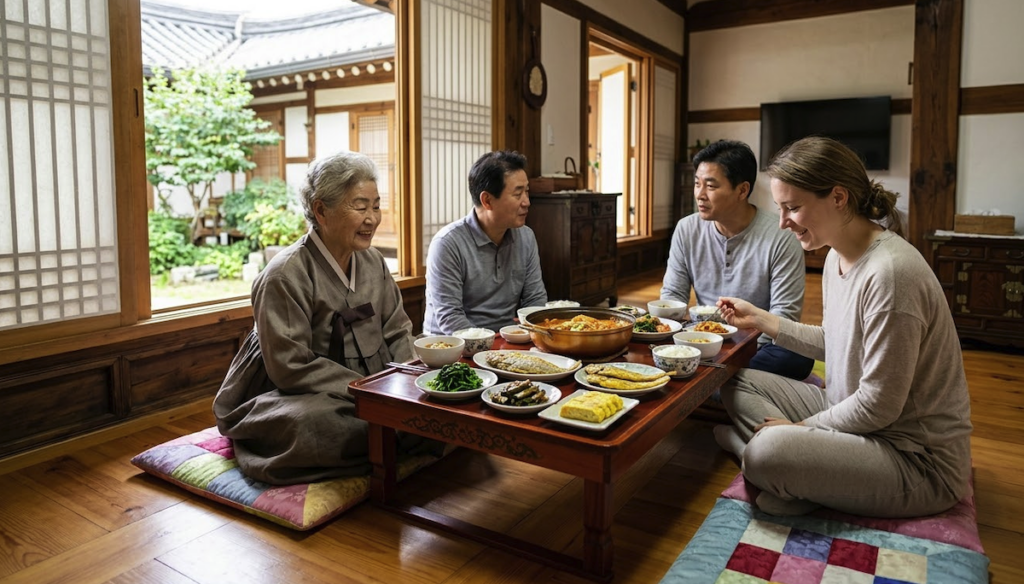
When foreigners visit Korea, one of the most surprising and intimate cultural experiences is the way meals are enjoyed. Unlike in many Western countries where dining always happens at a fixed table with chairs, the tradition of korean floor dining remains a cornerstone of the nation’s identity. This practice involves sitting on the floor and sharing a meal from a small, portable wooden table called a sang (상).
Even in today’s rapidly modernizing society, while high-rise apartments are filled with Western furniture, the culture of korean floor dining stays remarkably alive—especially during family gatherings, traditional holidays, and in the quiet of the countryside. For global professionals and travelers, this style of eating offers a direct, physical connection to Korea’s history and communal values. Although it may initially challenge one’s knees and back, mastering the art of korean floor dining is a window into the true heart of Korean hospitality and its unique lifestyle.
This article takes a deep dive into the historical roots of this practice, how the sang evolved as a cultural symbol, and practical tips for foreigners to appreciate the beauty of eating close to the ground.
1. Historical Roots of Floor Dining in Korea
Floor-based living has been central to Korean homes for centuries. Traditional Korean houses (hanok) are built with an ondol (온돌) system — underfloor heating using heated stones.
Because the floor was always warm in winter, Koreans naturally developed a lifestyle of sitting, sleeping, and eating on the floor. Unlike in Western cultures where chairs and high tables separated people from the ground, Koreans saw the floor itself as the most comfortable and hygienic space.
Meals were prepared in the kitchen and carried to the main room, where a low, portable table (sang) was set up. Families gathered around, sitting cross-legged or kneeling. This portable system made it easy to accommodate guests, rearrange space, and even clear the table quickly after meals.
2. The Role of Sang (Portable Table) in Daily Life
The sang is not just furniture — it’s a cultural symbol. Made of wood and often decorated with traditional patterns, it represents Korean hospitality.
- Everyday Use: In the past, each person might have their own small sang for solo dining.
- Family Dining: For larger meals, families used bigger versions where everyone could share dishes together.
- Guest Hospitality: When guests visit, Koreans often prepare food and spread out a beautifully decorated sang as a sign of respect.
Even now, in rural areas or during traditional holidays like Chuseok (추석) and Seollal (설날), families eat on these low tables as part of maintaining cultural heritage.
3. Modern Transition: From Floor to Dining Tables
In today’s Korea, urban apartments and Western-style furniture have shifted dining habits. Most younger families use dining tables with chairs for daily meals. However, floor dining has not disappeared:
- Countryside Homes: Many rural households still prefer floor dining.
- Special Occasions: During ancestral rites (jesa), weddings, or traditional gatherings, meals are always served on the floor.
- Cultural Restaurants: Korean restaurants abroad often replicate floor dining with low tables and floor cushions, offering foreigners an “authentic” experience.
This mix of old and new makes Korea unique — where both modern dining tables and traditional sang coexist.
Beyond the Meal: Mastering the Hidden Rituals of Seoul Dining
Your journey into korean floor dining is just the beginning of understanding the city’s complex culinary codes. To truly navigate Seoul like a local executive, you must master the high-speed lunch culture of the business districts and the specialized technical skills required for its most famous late-night comfort foods.
Gangnam Lunch Ritual: The 8,000 Won Survival and the Miracle of Free Banchan In the heart of Korea’s most expensive district, a unique economic ritual unfolds every midday. Discover how the city’s workforce sustains itself through the “Miracle of Free Banchan”—unlimited side dishes that transform a simple 8,000 won meal into a feast. Mastering this high-speed, high-value dining ritual is essential for anyone looking to understand the professional heartbeat of Gangnam.
The Dual Fork Ritual: Mastering Korean Fried Chicken without Dirty Hands If korean floor dining represents the tradition of the past, the “Dual Fork” technique represents the practical innovation of the present. Learn the surgical precision required to enjoy Korea’s world-famous fried chicken using two forks—a sophisticated ritual that allows you to maintain your professional poise (and clean hands) even in the most casual of social settings.
4. Foreigners’ Experience: Fascination and Discomfort
For many foreigners, floor dining is a memorable part of their Korean experience.
Common Reactions:
- Positive: “It feels authentic and cultural, like stepping into history.”
- Challenging: “My legs went numb after 10 minutes!”
- Socially Different: “It feels intimate to sit so close together on the floor.”
Tips for Foreigners:
- Try sitting cross-legged (anja style) or with one leg tucked.
- Don’t worry if you feel uncomfortable — locals understand.
- If it’s too difficult, politely ask if a chair can be provided (many restaurants now offer both options).
5. Symbolism of Hosting with a Sang
Korean hospitality is deeply tied to meals. Preparing food and spreading a low table for guests is a cultural ritual of care.
- It shows respect → guests are honored with abundant dishes.
- It shows community → eating together on the floor emphasizes equality.
- It shows continuity → traditions passed from grandparents to grandchildren.
For foreigners, being invited to eat at a sang is not just a meal, but a gesture of inclusion into Korean family life.
6. Comparison with Other Cultures
- Japan: Also practices floor dining (tatami rooms), but with a more formalized setting.
- China: Historically used low tables but shifted to high tables earlier than Korea.
- Western Countries: Dining tables separate people from the floor, reflecting different cultural views of hygiene and comfort.
Korea’s persistence in keeping floor dining alive makes it stand out globally.
7. Modern Aesthetic: Oriental Patterns on Tables
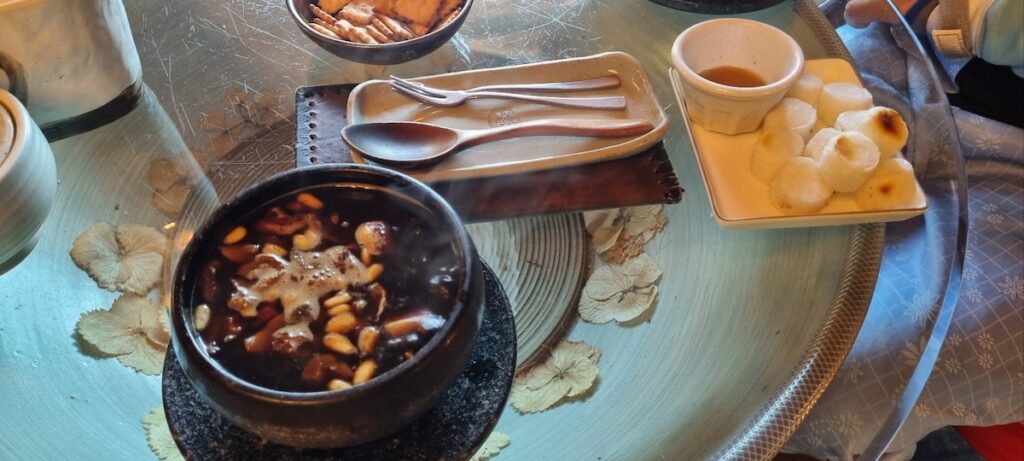
Today, many portable tables are decorated with traditional Korean art — lotus flowers, cranes, or geometric motifs. For foreigners, dining on such a table isn’t only about food, but also about immersing in Korean aesthetics. It transforms an ordinary meal into a cultural performance.
8. Practical Advice for Foreign Visitors
- Don’t be afraid of making mistakes — just follow locals’ lead.
- Avoid pointing your feet directly at elders.
- If invited to a countryside home, expect floor dining.
- If you struggle physically, smile and explain — hosts usually accommodate.
9. Why This Culture Matters Today
Even as Korea modernizes, the culture of floor dining continues to teach values:
- Humility → sitting on the ground connects people equally.
- Adaptability → portable tables reflect flexible living.
- Tradition → cultural roots are preserved in modern times.
For foreigners, embracing this tradition offers not just a new way to eat, but a deeper way to understand Korea.
Beyond the Sang: Expert Rituals for Your Seoul Journey
While mastering korean floor dining is the first step into the heart of local life, your integration into Seoul’s elite lifestyle requires a broader roadmap. From navigating the physical etiquette of traditional spaces to discovering the hidden luxury rituals of the city’s most iconic districts, these curated guides will elevate your 2026 residency.
The Truth About Korean Floor Seating: A Local’s Guide to Comfort, Tradition, and Shoe Safety (2026) The physical act of korean floor dining is only half the battle. To truly respect the space, you must master the unspoken laws of footwear and posture. This guide breaks down the essential “Shoe Safety” protocols and seating hacks that locals use to stay comfortable during long ancestral rites or traditional gala dinners.
3 Best Seoul Night View Spots 2026: Luxury Rituals for K-pop Fans After a serene traditional meal on the floor, transition to the heights of modern Seoul. For fans seeking the cinematic backdrops seen in global K-pop content, we’ve identified the top three luxury spots that combine high-end dining with the city’s most breathtaking night vistas.
Seoul East Guide 2026: Why Signiel Guests are Sneaking Out to Konkuk’s Back Alleys If you are staying at the ultra-luxurious Signiel, don’t miss the raw, authentic charm just a few subway stops away. Discover why the world’s elite travelers are trading their five-star dining rooms for the gritty, vibrant back-alley food stalls of Konkuk University’s “Lamb Skewer Street.”
Luxury Korea Travel for Seniors: 5 Elite Rituals of the Silver Path For the “Silver Generation” seeking a more refined and physically accessible experience, we’ve redesigned the Korean travel itinerary. This guide focuses on low-impact, high-luxury rituals that prioritize comfort—like premium hanok stays with elevated floor seating—ensuring a sophisticated journey through Korea’s cultural heritage.
Conclusion
Korean floor dining culture is more than just sitting on the ground to eat. It reflects history, hospitality, aesthetics, and identity. Whether it’s sharing kimchi and rice on a wooden sang, hosting guests with sincerity, or enduring the leg cramps of cross-legged seating, the experience leaves a lasting impression.
So next time you’re invited to sit on the floor for a meal in Korea, don’t think of it as discomfort — think of it as a window into the heart of Korean culture.
Your Action Plan for Authentic Dining
To truly master this ritual, start by practicing the “Half-Lotus” or “Anja” posture for 10-minute intervals at home before visiting a traditional countryside restaurant. Always observe the seating hierarchy—wait for the eldest to sit first—and embrace the proximity as a sign of deep social inclusion. By shifting your mindset from physical endurance to cultural appreciation, you transform a simple meal into a sophisticated residency milestone.