The Night I Realized BBQ Could Be a Symphony
I just got back from a local Dwaeji-galbi (Pork Ribs) restaurant, and my clothes still carry that sweet, smoky aroma that I wish I could bottle up. It reminded me of a conversation I had with a friend from Texas—a place where BBQ is a religion. He told me he thought he knew everything about grilled meat until he sat in front of a Korean charcoal brazier.
While many cultures enjoy grilled meat, the Korean approach to marinated pork ribs is less about the “meat alone” and more about a complex harmony of fermentation, fire, and a table full of “supporting actors” (the side dishes). If you think you’ve “been there, done that” with BBQ, let me tell you why Korean marinated pork ribs are a completely different league.
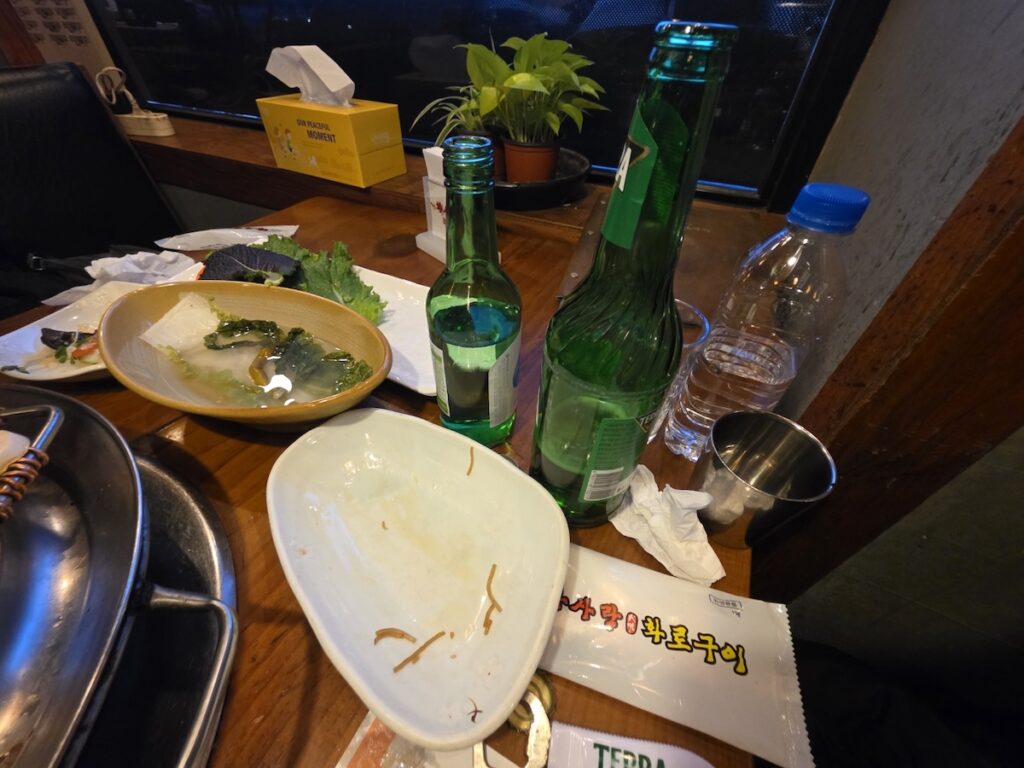
1. The Alchemy of the Soy-Based Marinade
Most Western-style BBQs rely on dry rubs or thick, tomato-based sauces applied toward the end of cooking. However, Korean Marinated Pork Ribs BBQ starts with a deep soak in a soy-based elixir.
The Secret Ingredients
The base is high-quality soy sauce, but the magic lies in the natural sweeteners. Koreans traditionally use:
- Korean Pear & Onion: These aren’t just for flavor; they contain natural enzymes that break down muscle fibers, making the pork incredibly tender.
- Garlic & Ginger: The backbone of Korean aromatics that removes any “gamey” smell from the pork.
- Plum Extract (Maesil): Adds a subtle acidity and aids digestion.
This isn’t just a sauce; it’s a chemical process that transforms a humble cut of pork into something that melts in your mouth.
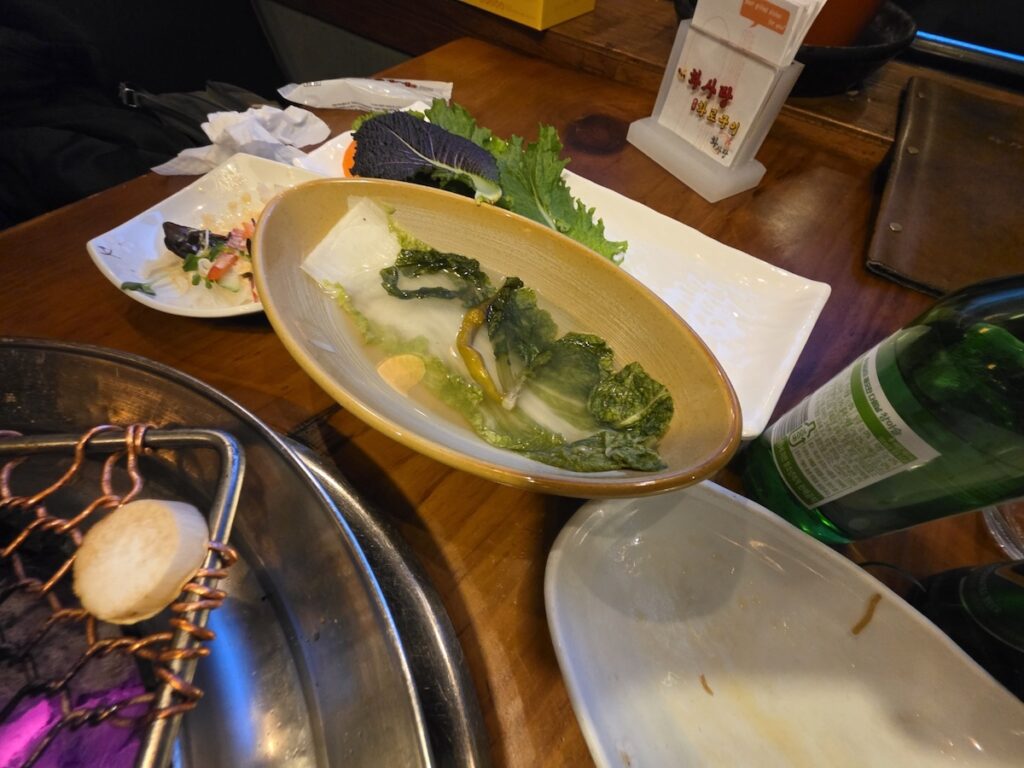
2. The Art of Aging: Patience Makes Perfection
In Korea, we don’t just dip the meat and throw it on the grill. The aging (숙성, Suksung) process is vital. Most premium restaurants age their ribs for at least 24 to 48 hours.
During this time, the osmosis process ensures the marinade penetrates deep into the bone. This is why when you bite into a piece of Korean pork rib, the flavor isn’t just on the surface—it’s infused into every fiber. In 2026, many trendy spots in Seoul are even experimenting with “wet-aging” in specialized low-temperature tanks to enhance the umami even further.
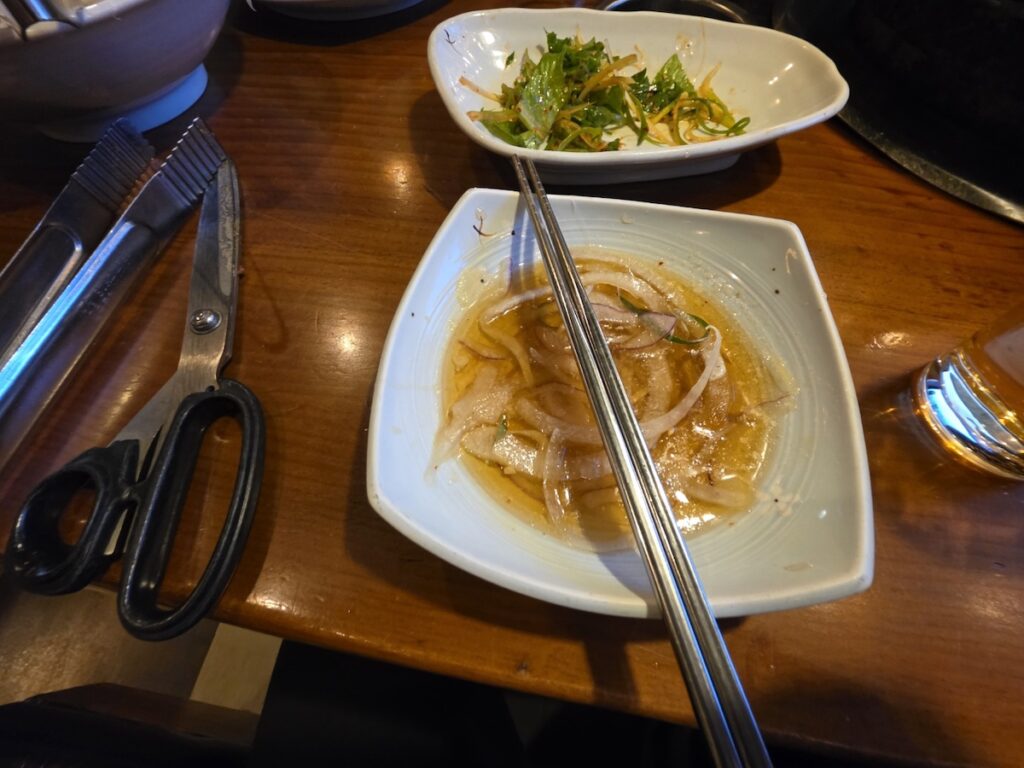
3. The Charcoal (Sutbul) Harmony: Why Fire is the Secret Ingredient
You can cook marinated pork on a gas stove at home, but in the world of professional Korean BBQ, doing so is considered a missed opportunity. The interaction between Sutbul (Traditional Charcoal) and soy-marinated meat is a masterpiece of organic chemistry.
- The Maillard Reaction & Caramelization: Unlike plain steak, marinated ribs contain sugars from pear puree and honey. When these sugars hit the intense, dry heat of charcoal (which can reach over $400^\circ C$), they undergo rapid caramelization. This creates a “candy-coat” char on the outside that traps the juices inside.
- The Flavor of Fat-Smoke: As the pork rib cooks, the rendered fat drips onto the glowing coals. This isn’t just waste; it’s a flavor generator. The fat vaporizes instantly, sending a plume of “charcoal-perfumed smoke” back up into the meat. This gives Dwaeji-galbi its signature deep, woody aroma that no electric grill can replicate.
- Temperature Control as an Art: In 2026, many high-end Korean BBQ spots use specialized copper grids. Copper has superior heat conductivity, ensuring that the meat cooks evenly and the marinade doesn’t burn too quickly. As a guest, you are part of this process—flipping the meat frequently is the “golden rule” to prevent the sugar-heavy marinade from scorching while the bone-in section cooks through.
4. The “Supporting Actors”: Side Dishes and the Powerful Table Landscape
What truly shocks global visitors is that the meat is often only 50% of the table’s surface area. In Korea, the table is “powerful” even before the main course arrives. This is the essence of Korean hospitality and nutritional balance.
- The Banchan (The Infinite Variety): You aren’t just served meat; you are served a garden. From spicy Baechu-kimchi to refreshing Dongchimi (cold radish water), these dishes are designed to reset your palate. The acidity of fermented vegetables cuts through the fattiness of the pork, allowing you to eat more without feeling “heavy.”
- The “Ssam” Science: Eating Dwaeji-galbi is a construction project.
- The Base: A fresh lettuce leaf or a perilla leaf (which has a unique minty, herbal punch).
- The Layer: A slice of pickled radish (Ssam-mu) for a sweet-and-sour crunch.
- The Protein: A thick piece of rib directly from the charcoal.
- The Catalyst: A dab of Ssamjang—a savory paste made of fermented soybeans and chili—and a slice of raw or grilled garlic.
- The Nutritional Harmony: This isn’t just about taste. The high fiber from the “unlimited” vegetables balances the protein intake, making Korean BBQ one of the healthiest ways to consume red meat. In 2026, many restaurants are even introducing “Eco-Banchan” systems where they serve locally sourced, organic sprouts and seasonal mountain herbs (Namul) that provide a bitter contrast to the sweet ribs.
5. Why It’s a Unique Experience for Global Travelers in 2026
While global travelers are often “Meat Experts”—having tasted Argentine Asado, American Brisket, or Japanese Wagyu—the Korean Marinated Pork Rib experience occupies a unique niche in the global culinary map.
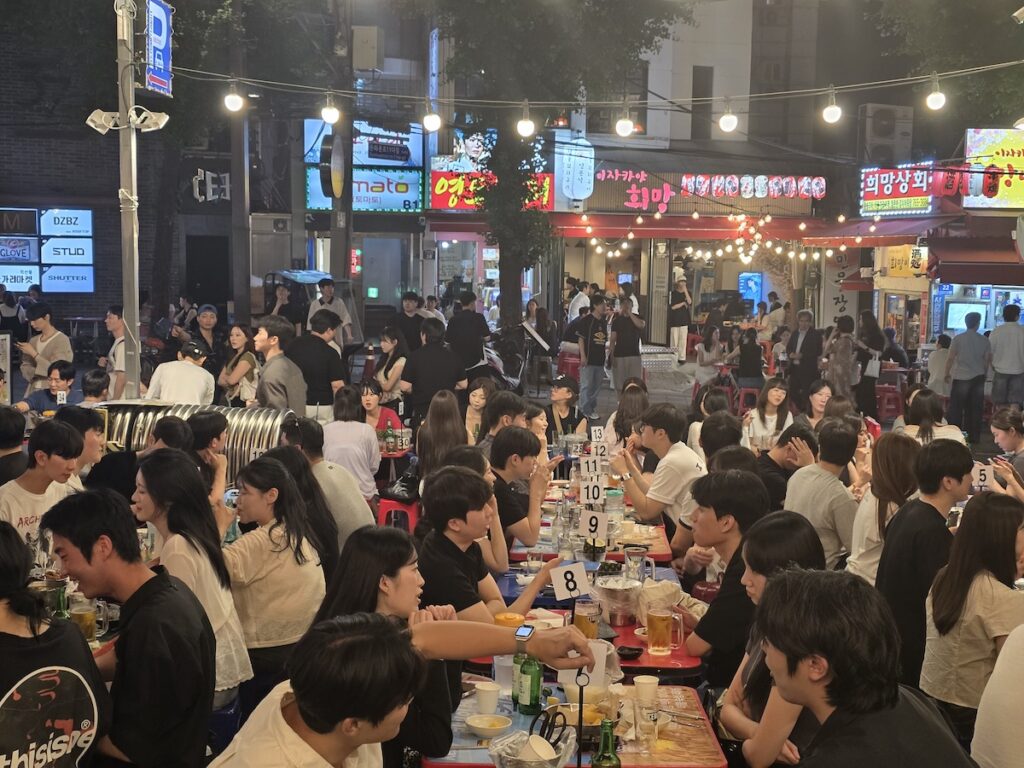
- Democratic Dining: Unlike high-end steakhouse culture which can feel stiff and formal, Dwaeji-galbi houses are the soul of Korean social life. It is loud, vibrant, and interactive. In 2026, these restaurants have become “cultural hubs” where you see everyone from office workers in suits to Gen-Z foodies filming content. It is a space where the barrier between the chef and the customer disappears because you are the one at the grill.
- The “K-Flavor” Profile: Most Western BBQ focuses on the “savory and salty” or “smoky and spicy.” The Korean profile adds a third dimension: Fruit-based Sweetness. Using Asian pears and apples as tenderizers creates a delicate sweetness that feels sophisticated rather than sugary. For many foreigners, this is a “flavor revelation”—learning that fruit can be the best friend of savory pork.
- The Ultimate Finale (K-Dessert): To eat like a local in 2026, you must understand the “Cold-Hot” philosophy. After finishing the hot, smoky ribs, Koreans order Naengmyeon (chilled buckwheat noodles). The pro-tip is to save two or three pieces of grilled meat and wrap them around the cold, tangy noodles. This contrast in temperature and texture is the true “Survival Skill” for anyone looking to master the Korean dining experience.
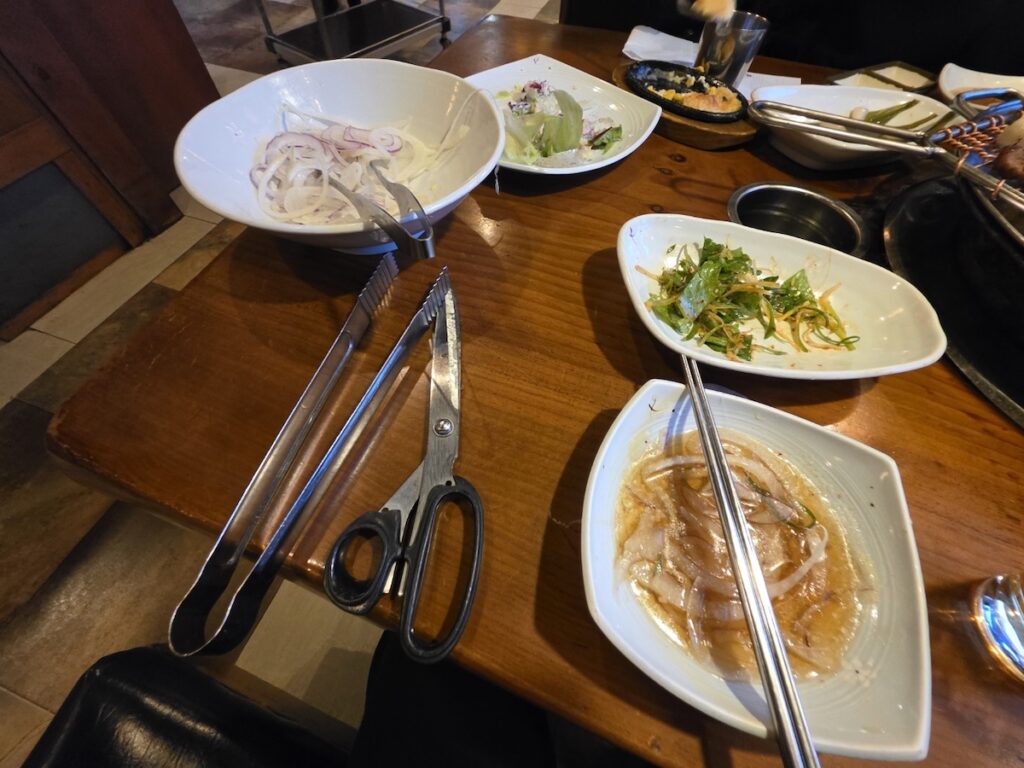
6. The “Magic Scissors” – Why Koreans Cut Meat at the Table
In most Western steakhouses, your meat is served either pre-sliced or you are given a serrated knife to tackle your own steak. However, in a Korean Dwaeji-galbi restaurant, you will be handed a pair of high-quality stainless steel scissors. This is often the first “culture shock” for global travelers, but it is actually the secret to the perfect BBQ experience.
- Precision and Speed: Marinated pork ribs have bones and varying thickness. Using scissors allows you to cut around the bone with surgical precision and slice the meat into “bite-sized” pieces (perfect for Ssam wraps) while it is still sizzling on the grill. This ensures every side of the small pieces gets exposed to the charcoal smoke simultaneously.
- The “Shared Meal” Philosophy: In Korea, BBQ is a communal experience. We don’t eat “my steak” and “your steak.” By cutting the meat into many small pieces with scissors, the meat is distributed across the grill for everyone to share. It transforms the meal from a solitary act of eating into a continuous flow of conversation and sharing.
- Safety and Texture: Because Dwaeji-galbi is marinated in sugar-based sauces, it can burn easily if left in large chunks for too long. Slicing it mid-way through the cooking process with scissors allows you to check the “doneness” of the center and move pieces to the cooler edges of the grill, ensuring the perfect texture without charring the outside.