Cheap SIM Cards in Korea 2026 are no longer a secret for savvy travelers; they are the essential digital ritual for anyone navigating the vibrant streets of Seoul. While major carriers like SKT, KT, and LG U+ dominate the skyline with their massive towers, a smarter, more cost-effective alternative has taken over the local market: the MVNO (Mobile Virtual Network Operator), or “Alteul-phone.” This guide will help you claim your digital sovereignty without the premium price tag.
1. The Myth of the Network: Same Signal, Half the Price
The most common “Fear of the Unknown” for foreigners is the quality of the connection. In Korea, MVNOs do not build their own towers; they rent them from the big three.
- The Reality: Whether you are in a deep subway tunnel or on a mountain peak, your signal strength on an MVNO SIM is identical to a premium user. You are simply opting out of the expensive TV commercials and luxury offline stores.
2. The Pros & Cons: The Social Contract of Savings
Before you dive in, you must understand the trade-offs of the MVNO ritual. In 2026, choosing an MVNO is not just a preference; it is a strategic financial decision.
The Massive Price Gap: Major Carrier vs. MVNO
The primary reason for the MVNO explosion in Seoul is the sheer cost-effectiveness. While a major carrier charges for premium storefronts and celebrity endorsements, an MVNO passes those savings directly to you. Here is the 2026 average cost comparison:
| Service Category | Major Carrier (SKT, KT, LG) | MVNO (Alteul-phone) | Monthly Savings |
| Unlimited 5G Data | ₩80,000 – ₩100,000 | ₩30,000 – ₩45,000 | Over 50% Off |
| Standard LTE (15GB+) | ₩50,000 – ₩65,000 | ₩15,000 – ₩25,000 | Save ₩40,000+ |
| Contract Obligation | 12 to 24 Months | None (Cancel Anytime) | Freedom |
- The Pros: Beyond the price, the “Freedom of Exit” is the greatest luxury. Unlike major carriers that bind you with heavy cancellation fees, MVNOs allow you to switch plans or carriers the moment a better deal appears.
- The Cons: You must trade off the “Membership Rituals.” Major carriers offer small discounts at bakeries like Paris Baguette or cinema chains. However, as local experts point out, the ₩50,000 you save every month on your bill far outweighs the occasional ₩1,000 discount on a croissant.
3. The Activation Ritual: How to Join in 5 Minutes
Joining an MVNO in 2026 has become a seamless street ritual.
- Pick Your SIM: Walk into any major convenience store like CU or GS25. Look for the “U+ Unmanned” or “kt M Mobile” USIM packages near the counter.
- The Digital Doorway: Scan the QR code on the package.
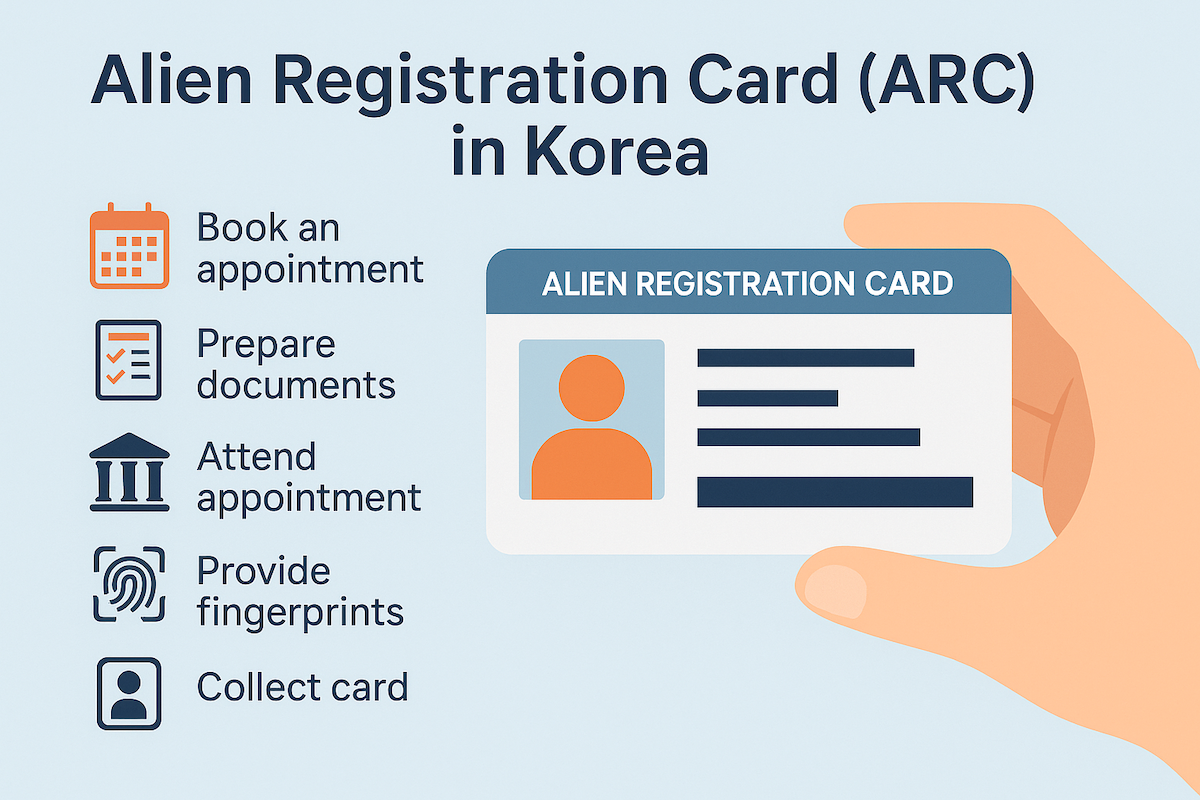
- The Credentials: You will need your ARC (Alien Registration Card) or a Valid Passport (for prepaid plans), and a credit card for verification.
- Self-Opening: Follow the English-guided mobile web page, and within 5 minutes, your phone will recognize the new network.
🏮 Citygram Seoul: Related Rituals in Seoul
- How to Get a SIM Card in Korea (2026): A Complete Guide for Foreigners If the MVNO world feels complex, start with this foundational manual. It breaks down the high-speed connectivity landscape of 2026 for every type of traveler.
- 10 Essential Tips: Korean SIM Card for Foreigners in 2026 and the Professional Survival Guide Go beyond the basics. This survival guide covers the hidden professional rituals of maintaining a Korean number for business and long-term residency.
- Korea Credit Card for Foreigners: 5 Elite Steps to Unlock Your Samsung Pay Ritual Your Cheap SIM Card is only half the battle. Complete your digital transformation by unlocking the elite ritual of Samsung Pay with the right financial credentials.
4. Global Connection: Can You Roam with an MVNO?
One of the most persistent myths in the digital traveler’s world is that a “Cheap SIM” leaves you stranded at the border. In Seoul 2026, this is entirely false. All major Korean MVNOs have matured to provide robust, high-speed international roaming services that rival the big three.
The Roaming Reality: Breaking the Silence
Yes, you can take your MVNO SIM anywhere. Whether you are heading back home for a visit or hopping over to Japan for a weekend, your Korean number remains your digital anchor. In 2026, the roaming ritual has shifted from “Is it possible?” to “How can I do it most efficiently?”
3 Golden Rituals of MVNO Roaming
To avoid “Bill Shock” and ensure seamless connectivity, you must master these three specific methods:
- The Carrier Pass Ritual (The Reliable Choice) Most MVNOs (like U+ Umobile, kt M Mobile, 7mobile) offer dedicated “Roaming Passes.” You don’t need to change your SIM.
- How to do it: Open your carrier’s app 24 hours before departure. Navigate to “Add-on Services” (부가서비스) and select a “Daily Data Pass” or a “Long-term Travel Pass.”
- The Benefit: You keep your Korean phone number active for essential 2-factor authentication (bank alerts, login codes) while using high-speed local partner networks.
- The eSIM Hybrid Ritual (The 2026 Standard) If your device supports eSIM (iPhone 13+ or Galaxy S22+), this is the most sophisticated way to travel.
- The Strategy: Keep your physical Korean MVNO SIM active for incoming texts (usually free to receive) and install a local travel eSIM for data.
- The Benefit: You get the local data rates of your destination while never missing a critical “K-OTP” or verification message from Korea.
- The Baro/Free Call Ritual (The Smart Voice Choice) Some MVNOs, especially those on the SKT or KT networks, allow you to use their proprietary VoIP apps to make calls back to Korea over Wi-Fi or data without the exorbitant per-minute roaming fees. Check if your provider supports “Wi-Fi Calling” or a dedicated roaming call app.
Step-by-Step: Activating Your Roaming before Incheon Airport
To ensure you aren’t met with a “No Service” sign upon landing, follow this pre-flight ritual:
- Step 1: Verify that “International Roaming” is NOT blocked on your account (some plans block it by default to prevent accidental charges).
- Step 2: Choose your package. A 1GB/day pass typically costs around ₩9,000 to ₩11,000 in 2026—comparable to major carriers but with more flexible durations.
- Step 3: Turn on “Data Roaming” in your phone settings ONLY after you have confirmed your package activation via SMS.
🏮 Citygram Seoul: Related Rituals in Seoul
- Incheon Airport Early Flight Guide: 10+ Best Hotels & Survival Rituals (2026) If your roaming activation ritual is for an early departure, ensure your stay is seamless. This guide covers the best sanctuaries near the runway for a stress-free takeoff.
- Seoul Subway Guide 2025: AREX from Incheon Airport to Hongdae & Subway Etiquette Tips Once your Cheap SIM is active, navigate the steel veins of Seoul like a local. Master the AREX and the silent etiquette of the Korean subway.
- ✈️ How to Get from Incheon Airport to Seoul 2025: Subway, Airport Bus, Taxi & More The final piece of the arrival ritual. Now that you are connected, choose the most efficient path from the terminal to the heart of the city.
Pro Tip: The Emergency “Automatic Roaming”
If you forget to buy a pass, don’t panic. Korean MVNOs in 2026 offer “Automatic Data Capping.” They will provide a small amount of emergency data at a set price (usually around ₩5,000) and then cut off the connection to protect your wallet. This ensures you can at least find a map or call a taxi without a ₩1,000,000 surprise on your next bill.
5. The Landscape: Which Carrier Should You Choose?
| Network Provider | Key MVNO Brand | Best For |
| SKT | SK 7mobile | Those seeking the “Premium” reliability perception. |
| KT | kt M mobile | High-data users and the largest MVNO community. |
| LG U+ | U+ Umobile / Hello Mobile | Best perks, diverse plans, and easiest eSIM support. |
6. The Brand Match: Best MVNO for Your Device
- The iPhone Ritual (iPhone 13 to 17): We highly recommend U+ Umobile. Their eSIM integration is the smoothest in Korea, allowing you to use your home SIM and a Korean MVNO SIM simultaneously.
- The Samsung Galaxy Ritual (S22 to S26): kt M mobile is the perfect partner. It ensures your Samsung Pay and “T-money” transportation rituals function without a single glitch.
- The Google Pixel / Global Phone Ritual: SK 7mobile offers the most stable frequency compatibility for international devices that aren’t officially released in the Korean market.
7. Conclusion: The Smart Citizen of 2026
Choosing a Cheap SIM Card in Korea 2026 is the first step to living like a local. It is a declaration that you understand the value of the network over the vanity of the brand. In a city as fast as Seoul, don’t let a 2-year contract slow you down. Get your SIM at a convenience store, activate it over a cup of Coffee Bean hazelnut latte, and start your Seoul journey with a full signal and a full wallet.