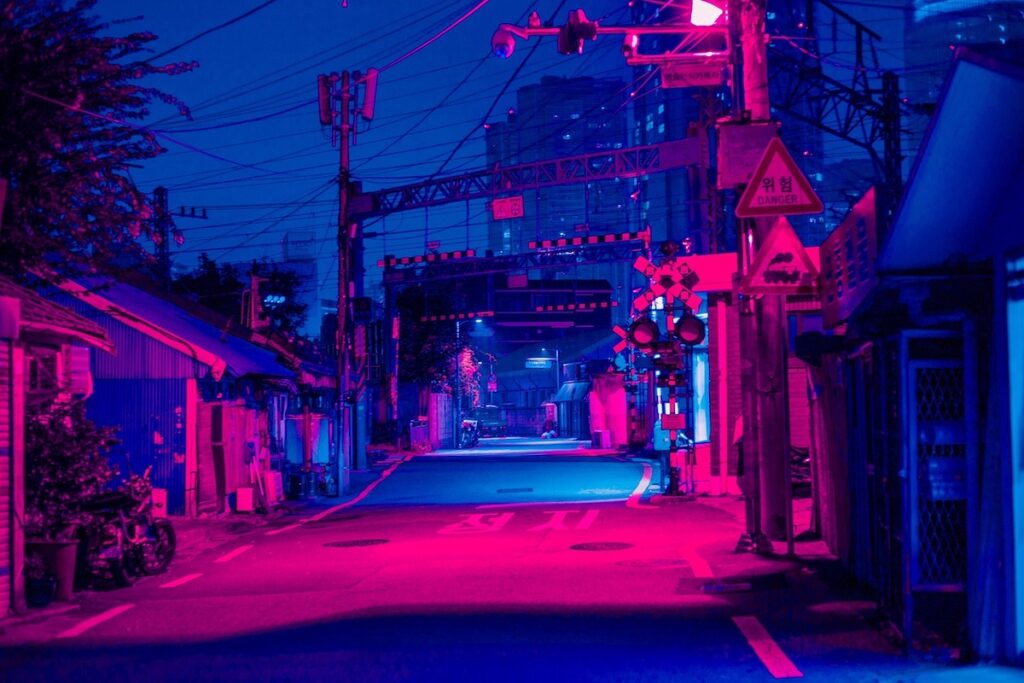
Gwanghwamun Saju Tarot 2026 is the most cinematic paradox of modern Seoul. While the sky is dominated by the cold, glass facades of the Four Seasons Hotel and the Kyobo Building, their digital billboards pulsating with the rhythm of the BTS Gwanghwamun Comeback, a different kind of light glows at their feet. Tucked away in the narrow alleys of Jongno and the corners of Gwanghwamun Square, the warm, flickering tents of the Saju (사주) and Tarot masters manage the flow of human anxiety beneath the heavy gaze of high-tech skyscrapers.
This is not a mere tourist attraction; it is the “Oracle Ritual“ of a hyper-digital society. While the skyscrapers above manage the flow of global finance, the small canvas tents below manage the flow of human anxiety. In 2026, the Gwanghwamun Saju Tarot Ritual has become a sophisticated survival kit for locals and travelers alike—a place where ancient “Big Data” meets modern vulnerability. To sit on a small plastic stool inside these muffled sanctuaries is to experience the rawest contrast of Seoul: a city that builds the most advanced semiconductors in the world but still seeks wisdom from the silent movements of the stars.
1. The Paradox of Data: Ancient Statistics in a Digital Age
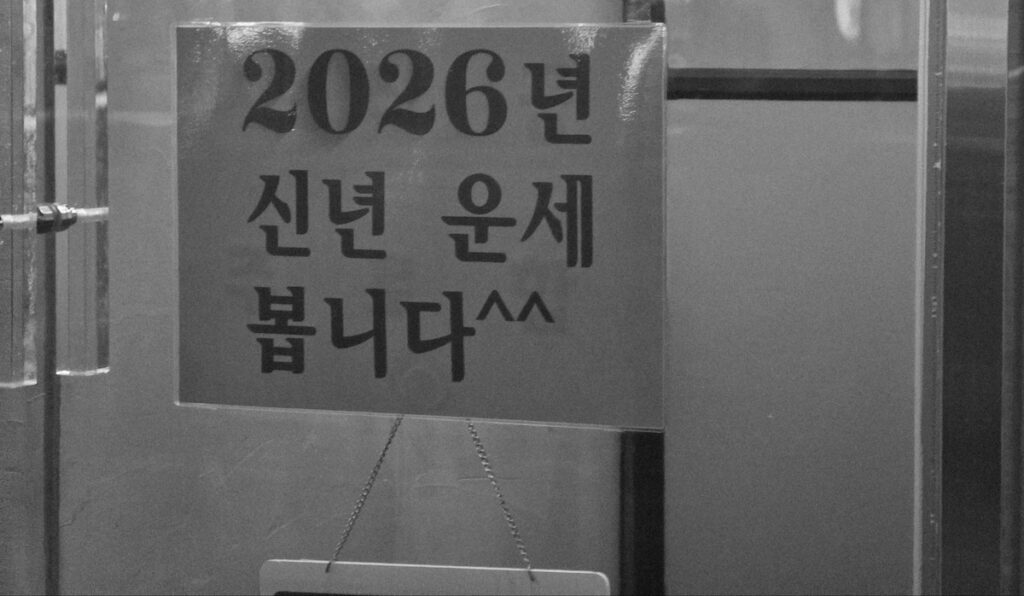
For many international visitors, the sight of a “Saju” tent next to a high-tech subway entrance is confusing. Is it a religion? A superstition? In the Citygram Seoul perspective, Saju is better defined as “Ancient Big Data.” Based on the Saju-palja (사주팔자)—the Four Pillars of Destiny—it calculates your life’s trajectory using the year, month, day, and hour of your birth.
In 2026, tech-savvy Koreans don’t visit these tents because they are unscientific. They visit them because Saju offers a personalized narrative that algorithms cannot replicate. It is a “Data Ritual” where your cosmic coordinates meet a counselor’s intuition, providing a roadmap through the “Kkot-saem-chu-ui” (bitter spring cold) of life’s challenges.
2. Gwanghwamun: The Oracle of the Six Ministries
The concentration of Saju and Tarot tents in Gwanghwamun is no coincidence. Historically, this area was known as Yukjo-geori (Street of Six Ministries), the administrative heart of the Joseon Dynasty where the nation’s destiny was decided.
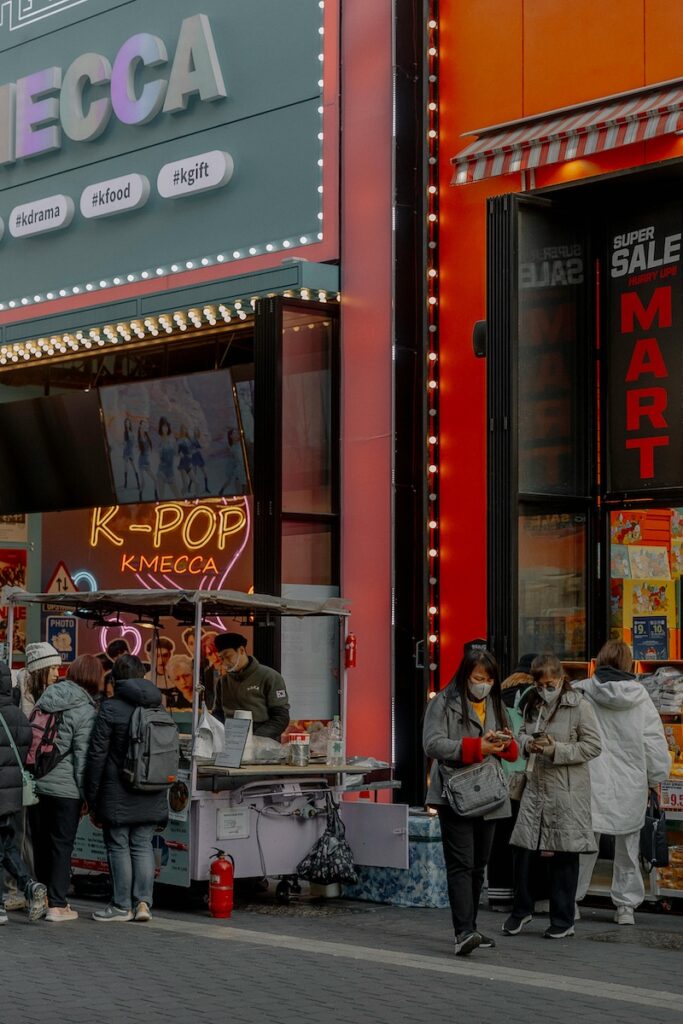
- The Jongno Corridor: Walking from Gwanghwamun Square toward Jonggak Station, you will find the “Alley of Youth.” Here, between the massive headquarters of global banks and tech firms, dozens of colorful tents offer a cinematic contrast.
- The Spiritual Geography: There is a collective belief that the “Qi” (energy) of Mount Bukak flows through Gwanghwamun. Consulting a Saju master here is seen as a way to align one’s personal energy with the powerful historical currents of the capital.
3. The “Counseling Ritual”: More Than Just Fortune Telling
In a society defined by “Pali-Pali” (hurry-hurry) culture and extreme competition, the Saju tent acts as a secular confessional. For Koreans, “going to see Saju” is often a sophisticated, low-barrier psychological ritual rather than a religious act. In 2026, where digital isolation is at its peak, these cramped canvas spaces offer a rare form of human-to-human resonance.
- The Architecture of Empathy: When a master looks at your birth chart and says, “You have carried a heavy burden on your shoulders since you were young,” it creates an immediate emotional bridge. It is a “Healing Ritual” where a stranger validates your past struggles using the language of the cosmos. This validation is often more therapeutic for locals than a formal clinical session.
- The 확언 (Affirmation) Ritual: The most powerful element of the Saju experience is the “Confirmation.” In a volatile world, hearing that your “luck” will change in a specific year provides a psychological anchor. It allows people to endure a difficult winter because they have been promised a “Spring Day.”
- The Idol Connection (The 2026 Synergy): During the BTS Gwanghwamun Comeback 2026, this ritual takes on a communal dimension. Global fans visit these tents to ask about their “Gunghap” (compatibility) with their bias. It’s not about literal belief, but a way to deepen their personal narrative with the artist. Masters in Gwanghwamun have even begun to study BTS’s birth charts to cater to the influx of fans, turning the tent into a site of shared fandom mythology.
4. How to Perform Your Destiny Ritual: A 2026 Practical Guide
To engage in this ritual like a sophisticated Seoulite, you must understand the “Invisible Protocol.” It is not a theme park attraction; it is a shared breath between two souls in a space no larger than two square meters.
- The “Four Pillars” Data Entry: You must prepare your “Four Pillars”—the Year, Month, Day, and exact Hour of your birth. In 2026, many fans use dedicated apps to convert their local birth time into the Lunar calendar before entering the tent. Without the “Hour” (Si), the reading loses 25% of its precision, often missing the nuances of your late-life luck or career peak.
- The Temporal Ritual (When to Go):
- The Weekday Sanctity: Avoid weekends at all costs. On Saturdays, Gwanghwamun is a whirlpool of tourists, and the readings can feel rushed. Aim for Tuesday or Wednesday between 4:00 PM and 6:00 PM. This is the “Golden Hour of Fate” when the masters are most alert, and the transition from daylight to twilight creates the perfect atmospheric tension for a reading.
- The Seasonal Alignment: March in Seoul is a season of transition. Consulting a master during the “Kkot-saem-chu-ui” (the cold that envies flowers) is symbolically powerful—it’s the perfect time to ask about new beginnings and “Blooming Rituals” for the year ahead.
- The Communication Strategy: In 2026, language barriers are collapsing. While many masters are masters of their craft but not English, they now utilize “Saju-Specific AI Translators.” However, the sophisticated traveler brings a written list of 3 specific questions (Career, Love, Health). Vague questions lead to vague destiny; precision in your inquiry yields a cinematic roadmap for your future.
- The “Bok-chae” (Fee) Protocol: Ensure you have physical cash or a local banking app ready. In 2026, while many accept digital transfers, the act of handing over “Bok-chae” in a white envelope is still considered a ritualistic sign of respect for the master’s mental energy.
The Hidden Hour of the Stars: Decoding the Idol’s Path
While global fans flock to Gwanghwamun to check their compatibility with their bias, a fundamental mystery remains: the “Si (시)” or the exact hour of birth. In the world of K-pop, an idol’s birth hour is a guarded secret, much like their private lives.
- The 25% Mystery: Without the birth hour, a Saju reading remains only 75% complete. However, in 2026, this missing 25% has become a canvas for fandom creativity. Some fans use “Rectification” rituals—inferring the birth hour based on major career milestones (like the 2026 BTS Gwanghwamun Comeback date).
- The Ethical Boundary: As a sophisticated observer in Seoul, remember that a Saju master’s reading of an artist is not a factual biography, but a spiritual interpretation. Respecting the “Hidden Hour” of your idol is the ultimate Fan Manner Ritual, ensuring their destiny remains their own, even as we celebrate it from the sidelines.
5. The Aesthetic of the Tent: Cinematic Contrast
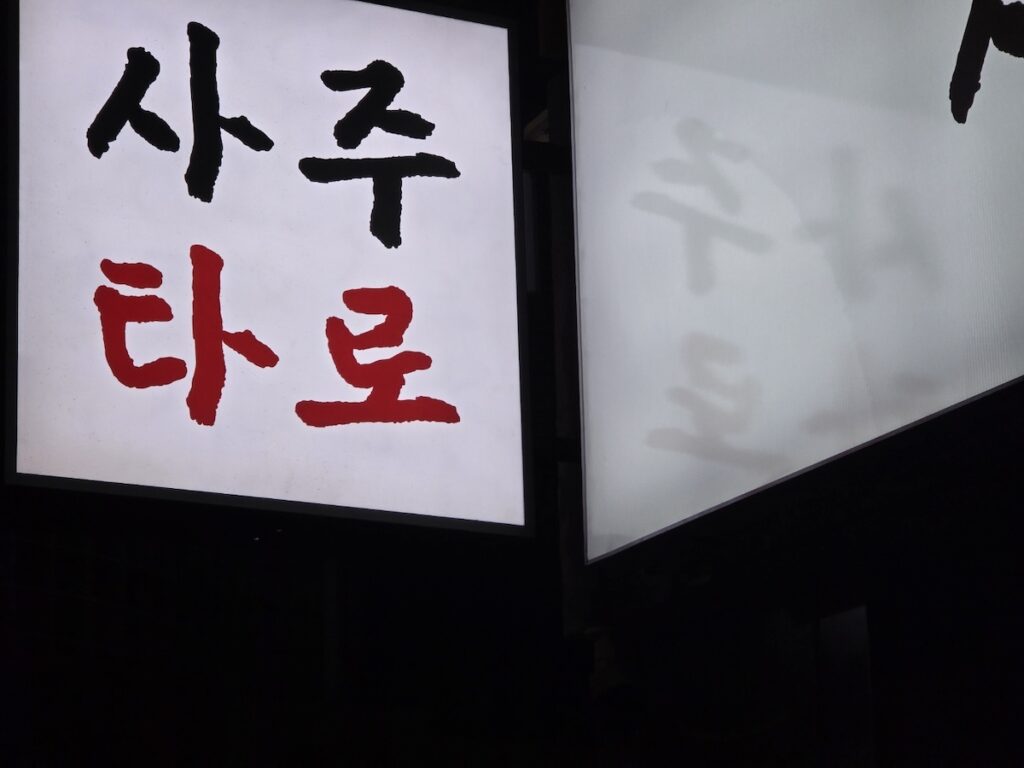
The visual ritual of Saju is defined by its extreme, almost surreal, juxtaposition. To understand the Gwanghwamun Saju Tarot Ritual 2026, you must stand at the threshold where a plastic canvas meets a wall of glass and steel.
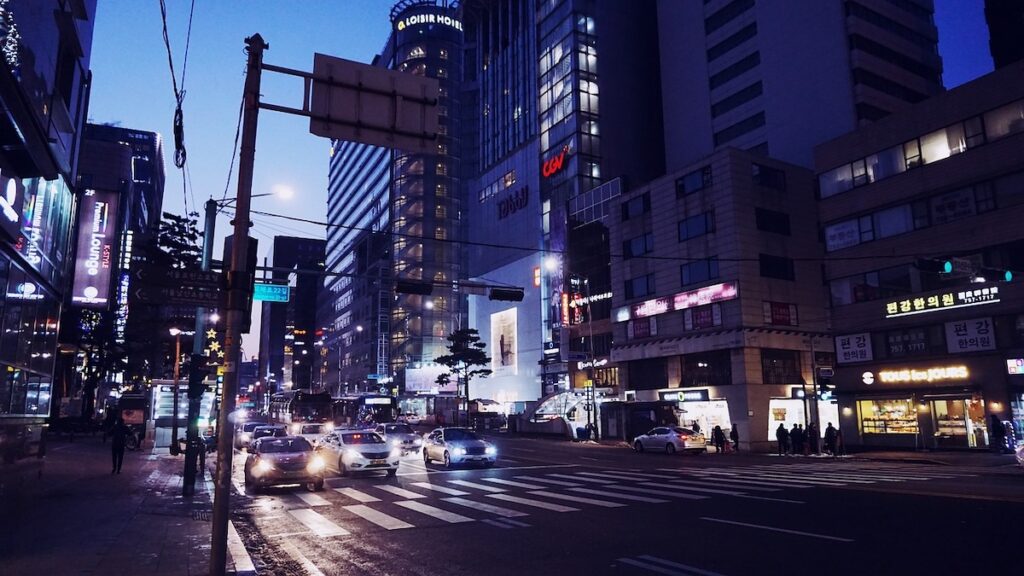
- The Vertical vs. The Humble: Imagine the scene: just meters above the tent, the hyper-modern glass facade of the Four Seasons Hotel or the Kyobo Building reflects the cold, white light of 2026’s digital billboards. These structures represent Seoul’s relentless climb toward the future—a world of stock markets and fiber optics. Yet, beneath their shadows, the Saju tent remains stubbornly analog. It is a space illuminated only by a single warm bulb or a flickering candle, smelling of old paper and incense.
- The Acoustic Tension: Inside the tent, the soundscape shifts. The roar of Gwanghwamun’s eight-lane traffic and the cheers from the BTS Gwanghwamun Comeback stage become a muffled, distant hum. All that remains is the sound of the wind rattling the heavy canvas and the rhythmic scratching of the master’s pen on a lunar calendar. This contrast is the essence of Seoul—a city that builds the most advanced semiconductors in the world but still seeks counsel from the movements of the stars.
- The “Jeong” in the Machine: While the skyscrapers outside communicate through cold data and luxury branding, the interior of the Saju tent is filled with the warmth of human vulnerability. It is the only place in the city where a stranger in a suit and a traveler from across the ocean can both sit on a small plastic stool and ask the same ancient questions about destiny. This aesthetic of “Hidden Warmth” amidst “Grand Coldness” is what makes the Seoul nightscape truly cinematic.
6. The 2026 Action Plan: Your Gwanghwamun Oracle Itinerary
To experience the Gwanghwamun Saju Tarot Ritual 2026 without getting lost in the sea of neon, you need a precise tactical roadmap. This is not just a walk; it is a transition from the hyper-digital surface to the analog soul of the city.
- Step 1: The Gwanghwamun Threshold (18:00): Start at the center of Gwanghwamun Square. Stand beneath the massive digital billboards announcing the BTS Gwanghwamun Comeback. Feel the vibration of the city’s ambition. This is your “Zero Point.”
- Step 2: The Jongno Transition (18:30): Walk toward the Jonggak Station intersection. As you leave the open square and enter the narrower corridors of Jongno, the scale of the buildings remains grand, but the street-level energy becomes more intimate. Look for the “Alley of Youth” (Cheongchun-geori). This is where the highest density of skilled Saju masters is found in 2026.
- Step 3: The Ritual of Selection: Do not enter the first tent you see. Observe the queues. Koreans have a “Ritual of Waiting”—if a tent has two or three people standing silently outside in the cold, it usually indicates a master with high “Yeom-ryeok” (spiritual insight).
- Step 4: The Digital-Analog Bridge: While you wait, have your birth data ready on your phone. In 2026, many Saju tents feature QR codes outside for quick payment or to download a translation guide. Use this time to silence your notifications. The ritual requires your full presence.
- Step 5: The Consultation (The Core Ritual): Enter the tent. The sudden drop in decibels is your cue to begin. Present your three prepared questions. Whether it’s about your career path or your 2026 travel luck, listen not just to the words, but to the rhythm of the master’s explanation.
- Step 6: The Post-Ritual Reflection: After paying your “Bok-chae” (approx. ₩30,000 – ₩50,000 for a full reading), do not rush back into the crowd. Walk toward the Cheonggyecheon Stream and let the water carry away your anxieties.
🏮 Related Rituals for the Global Voyager
- Can’t Ignore Korean Saju in 2026: The Psychology of Destiny Why does a nation of high-tech semiconductors still consult the stars? Dive deeper into the collective psyche of Koreans and discover why the ritual of Saju is an unavoidable cultural phenomenon in 2026.
- [K-Mysticism 2026] Saju and Tarot in Seoul: A Foreigner’s Guide to Korean Fortune-Telling Master the practicalities of the oracle. From translation tips to the “Bok-chae” etiquette, this guide ensures your first encounter with a Korean Saju master is a sophisticated and enlightening ritual.
- BTS Gwanghwamun Locations 2026: 7 Rituals to Find Your Spring Day After your fate has been decoded, walk the streets where destiny meets history. Explore the specific filming sites and symbolic locations in Gwanghwamun that mirror the “Spring Day” of your own birth chart.
- BTS Gwanghwamun Comeback 2026: The Ultimate Survival Guide for ARMY Your Saju might predict a lucky day, but you still need a tactical plan. Ensure your reunion with BTS is flawless with our definitive survival guide for the massive Gwanghwamun gathering.
7. Conclusion: Just Step Inside the Tent
At the end of the day, the Gwanghwamun Saju Tarot Ritual is not about predicting a fixed future; it is about finding the courage to face an uncertain one. In a city like Seoul, which moves at the speed of light, these small canvas sanctuaries offer the only place where time actually slows down.
You may be a skeptic, a believer, or a global fan waiting for a “Spring Day” reunion in the square. It doesn’t matter. When the wind of Gwanghwamun starts to bite and the weight of the skyscrapers feels too heavy, just step inside the tent. Put down your smartphone, sit on that small plastic stool, and listen to what the stars have to say about you. Whether the master’s words come true or not is secondary. The real ritual is the 20 minutes of absolute attention you give to your own soul amidst the chaos of the greatest city on earth.
Experience the contrast. Decode your destiny. And then, walk back out into the neon lights with a lighter heart.