1. The Night My Mother Couldn’t Turn Off the Heat
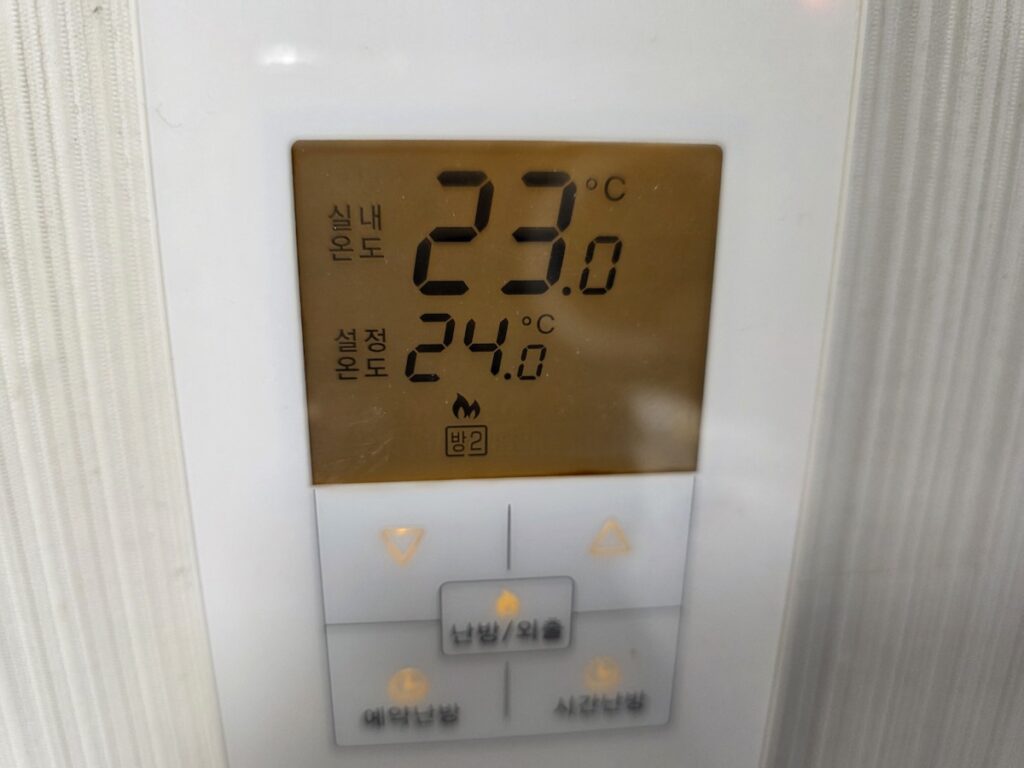
Last winter, my elderly mother was eagerly awaiting a visit from her granddaughter. Wanting to make the house as cozy as possible, she decided to turn on the boiler. However, to her, the digital controller on the wall looked more like a complex spaceship panel than a home appliance. “What if I press the wrong button and it explodes?” she worried, while also fretting about the potential gas bill.
She eventually managed to turn it on, but then came the crisis: she didn’t know how to turn it off. By the time I arrived, the house felt like a sauna, the floor was scorching, and the gas meter was spinning like a marathon runner. This is a story many Koreans—and almost all foreigners—can relate to. The heating system in South Korea is brilliant, but it can be intimidating if you don’t know the “language” of the boiler.
2. Why Korean Heating Feels Different: The Invisible Power of Ondol
Unlike Western homes that use radiators to heat the air, the heating system in South Korea relies on Ondol—traditional floor heating. Pipes filled with hot water run beneath your feet, radiating warmth upward.
- The Delayed Reaction: Because you are heating the floor structure first, it takes time to feel the warmth. Beginners often think it’s broken and crank the temperature to the max, only to wake up sweating at 3 AM with a massive gas bill waiting for them.
- The Safety Fear: Since these systems use gas to heat water, there is a psychological barrier for some, like my mother, who fear gas leaks or malfunctions. Modern systems are incredibly safe, but understanding the controls is the first step to peace of mind.
3. Decoding the Symbols: A Guide for You (and My Mom)
Let’s break down the most common buttons on a Korean boiler controller so you don’t end up in a “sauna” like my family did.
- Nan-bang (난방 – Heating): This is your main control. Some systems set the room temperature, while others set the water temperature inside the floor pipes. If your room feels cold but the floor is hot, check which mode you are in.
- On-su (온수 – Hot Water Only): Use this in summer or when you don’t need the floor heated but still want a hot shower. My mother often forgot to switch back to this, keeping the floor hot even when it wasn’t needed.
- Oe-chul (외출 – Away/Out): This is the most misunderstood button. It doesn’t turn the boiler off; it keeps it at a minimum temperature to prevent pipes from freezing while saving energy.
- Ye-yak (예약 – Timer): Great for saving money. You can set the boiler to run for 20 minutes every 3 hours, keeping the house consistently warm without running the gas 24/7.
4. Pro Tips to Outsmart Your Gas Bill
In 2026, gas prices are a concern for everyone. Here is how to keep your toes warm without breaking the bank.
- Never Turn It Completely Off: If the temperature drops too low, the boiler uses a massive amount of energy to reheat the cold floor. Use the “Away” mode instead.
- The Bubble Wrap Secret: You will see many Korean windows covered in bubble wrap (called ‘Ppyok-ppyok-ee’). It’s a local “life hack” that adds an insulation layer, keeping the heat inside and the freezing wind out.
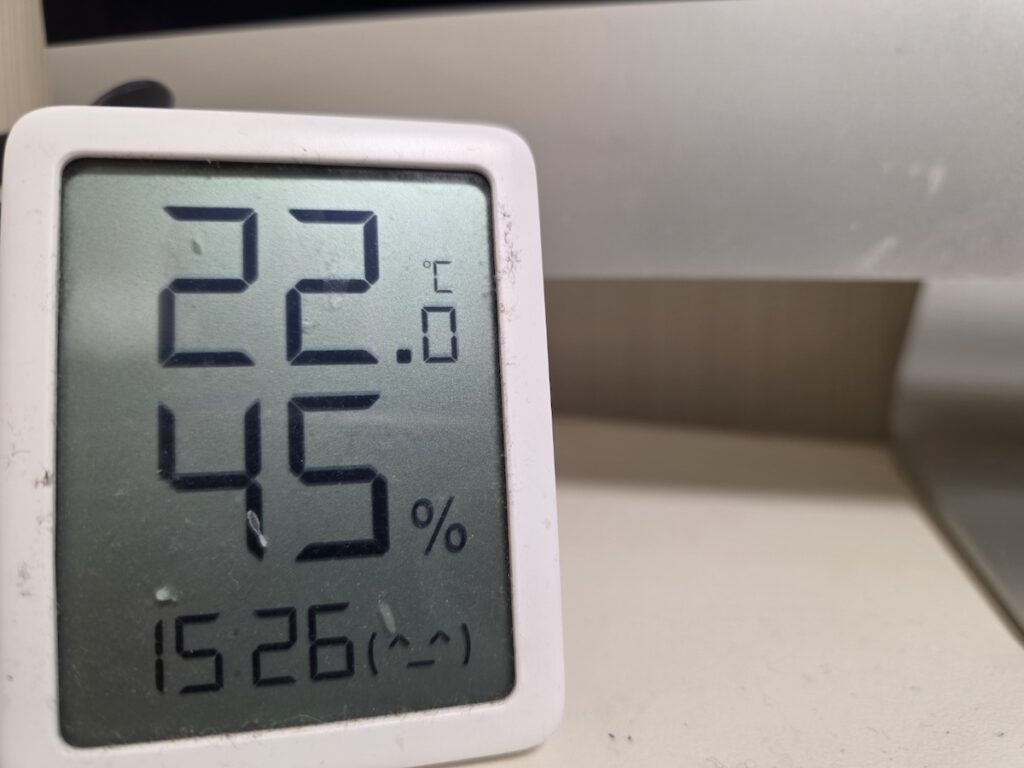
- Humidify Your Air: Dry air feels colder. Using a humidifier alongside your heating system in South Korea helps retain the heat and protects your throat from the dry winter air.
5. Looking Forward: Smart Boilers for Peace of Mind
If my mother had a smart-home connected boiler, I could have turned it off for her from my smartphone. As you look for where to stay in Seoul, check if your apartment has a modern smart system. It can save you from the stress my mother faced and ensure your granddaughter—or just yourself—stays perfectly warm.