How to buy Korean stocks as an expat is a question that often starts with a quiet moment of envy in a Hannam-dong cafe. My close American friend, who has built a remarkably stable life here in Seoul, recently started navigating the local bourses with a confidence that surprised me. Watching her eyes light up as she tracks the 2026 market boom—a historic rally that saw the KOSPI surge past the 5,500-point milestone—I found myself reflecting on a strange irony.
As a Korean, I have often remained a cautious observer of my own nation’s indices, yet seeing her thrive makes me realize that learning how to buy Korean stocks as an expat has become a vital ritual for elite Wealth Management. In 2026, the barriers have crumbled, and the window for ROI has never been wider for those who know how to move beyond the app and into the physical fortress of a Korean Bank.
1. The Era of Record Highs: Why the KOSPI is Soaring
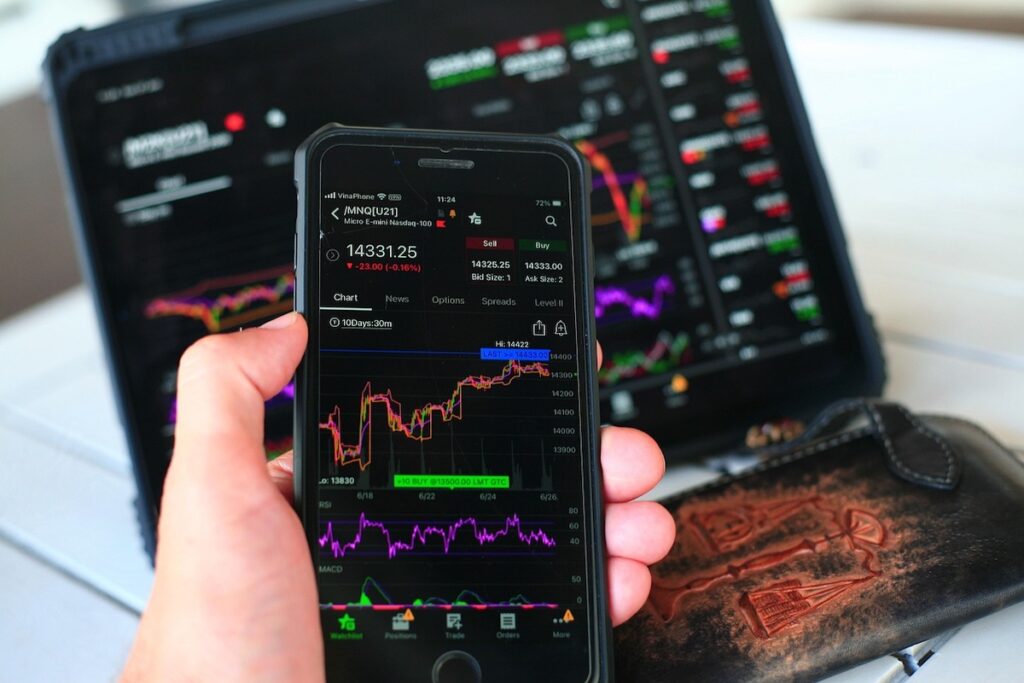
The 2026 rally is not merely speculative; it is grounded in a “Memory Supercycle” and aggressive corporate reforms. For my friend, the initial draw was the sheer momentum of the tech titans, but for the serious investor, the data tells a deeper story of structural change.
- The 5,400 Milestone: On February 12, 2026, the KOSPI shattered expectations by soaring past 5,400, driven by a 120% projected growth in corporate earnings for the year.
- Memory Dominance: Giants like Samsung Electronics and SK Hynix now account for nearly 35% of the index, fueled by an insatiable global demand for AI-driven hardware.
- The Death of the “Korea Discount”: Legislative amendments passed in late 2025 have forced companies to prioritize shareholder returns through higher dividends and buybacks, a move that has finally aligned the Korean Stock Market with International Standards.
Related Guides
- Korean Bank Strategy: The 2,700 Reasons Your Strategy Needs a Human Touch
- Discover why the physical presence of the Big 4 banks is the ultimate insurance policy for your assets. Master the “Wealth Corridors” that define Seoul’s financial elite.
2. The “Oh My Card” Ritual: Liquidity and the Korean Bank Fortress
For the expatriate investor, the “Oh My Card” ritual—the sudden need for liquidity or the realization of a missed opportunity—is resolved by the physical density of the Big Four banks. Managing a portfolio in the Korean Stock Market requires more than just an app; it requires a Korean Bank that acts as your physical fortress.
| Feature | Resident Expat Strategy | Non-Resident Global Strategy |
| Primary ID | Alien Registration Card (ARC) | Passport & LEI Number |
| Banking Pillar | Integrated Korean Bank & Brokerage | Custodian Bank & Standing Proxy |
| FX Advantage | 24-Hour Real-Time Won Trading | Global Omnibus Accounts |
| Tax Strategy | Domestic Tax Treaty Benefits | Withholding Optimization via Proxy |
In 2026, the abolition of the 30-year-old Investor Registration Certificate (IRC) has fundamentally changed the game. Whether you are a resident like my friend or a global player, you can now enter the market using only your passport or LEI, bypassing the bureaucratic “Shared Breath” of old-world notarizations.
3. How to Buy Korean Stocks as an Expat: The 2026 Blueprint
For the global elite, investing in the Korean Stock Market is not just about a single transaction; it is a meticulous Financial Strategy designed to secure a foothold in the 2026 economic renaissance. Transitioning from a casual observer to an active stakeholder requires navigating a clear sequence of “Financial Rituals” that guarantee the security of your assets.
The Elite Onboarding Sequence
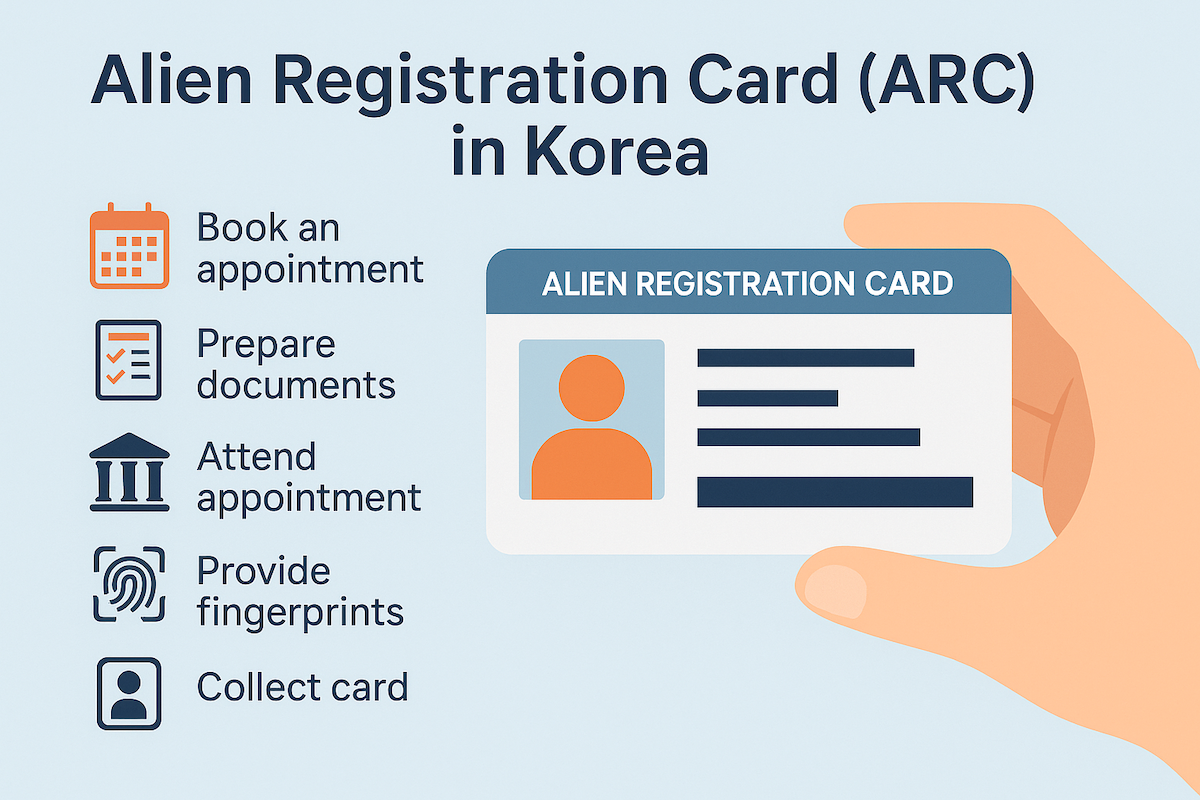
- Identity Solidification: If you are a resident, your journey begins by visiting a physical Korean Bank with your Alien Registration Card (ARC). For non-residents, ensure your Passport and Legal Entity Identifier (LEI) are ready to replace the defunct IRC requirement.
- Custodian Appointment (For Global Players): Non-resident investors must designate a “Standing Proxy”—typically one of the Big 4 banks—to manage everything from account opening to the collection of dividends and Tax Refund filings.
- Capital Remittance: Funds must be remitted through a designated foreign exchange bank. In 2026, the ease of repatriating capital through International Standard banking channels is a primary driver of high ROI.
- Brokerage Linkage: Open your dedicated trading account at a premier securities firm and link it to your Korean Bank fortress.
4. The Titans of Trade: Premier Brokerage Platforms for High ROI
To succeed in the Korean Stock Market, you need a partner that provides more than just a digital interface; you need institutional-grade infrastructure. The following firms are the preferred choices for elite investors seeking sophisticated Wealth Management services:
- Hana Securities: Renowned for its English-first global service, it is the ideal choice for those who value the “Global Desk” experience.
- Samsung Securities: The benchmark for high-net-worth individuals, offering Elite concierge services and advanced research tools for maximizing ROI.
- Mirae Asset Securities: A global powerhouse providing seamless connectivity between domestic and international markets.
- Korea Investment & Securities: Known for its robust underwriting and deep market expertise, serving institutional and high-tier individual traders alike.
- KB Securities: Leverages the massive network of KB Kookmin to provide an unmatched level of physical security and Asset Protection.
Related Guides
- Korea Banking: A Master Guide to Retail Finance Rituals (2025-2026)
- Navigate the essential rituals of local finance. The definitive blueprint for managing your daily liquidity with an international standard.
5. The Legacy of Exit: Managing Your Korean Assets from Abroad
For the global elite, the “Midnight Run” is not just a cinematic metaphor; it is a logistical reality of transitioning between nations. When the time comes to leave the neon-lit streets of Seoul, your relationship with the Korean Stock Market does not have to end. However, shifting from a resident to a non-resident status requires a strategic pivot in how you handle your Wealth Management.
The Transition Ritual: From Resident to Non-Resident
- Status Transformation: Before you board your flight, you must visit your Korean Bank to update your status. Your account will transition from a resident account to a “Non-Resident Won Account” (NRA). This is the essential bridge that allows you to continue trading from your home country.
- The Standing Proxy (The Human Fortress): You must appoint a standing proxy—typically your Korean Bank or a premier securities firm like Hana or Samsung Securities. They act as your physical representative in Seoul, managing your Identity verification, collecting dividends, and handling mandatory tax filings in your absence.
Repatriating Your ROI: Receiving Funds in Your Home Country
The ultimate goal of any Financial Strategy is the successful repatriation of capital. To receive your trading profits in your home country’s bank account, the following International Standard protocol applies:
- Designated Foreign Exchange Bank: All proceeds from the Korean Stock Market must be remitted through your designated Korean Bank.
- Proof of Origin: Your proxy will manage the “Confirmation of Remittance” documents, ensuring that the source of funds (stock sales or dividends) is verified for anti-money laundering (AML) compliance.
- The Final Wire: Once verified, your funds are converted from KRW to your local currency (USD, EUR, etc.) and wired directly to your overseas account. Thanks to the 2026 digital infrastructure, these high-limit transfers are now faster and more transparent than ever, securing your ROI across borders.
Action Plan for Departure
- Visit Your Branch: At least two weeks before departure, visit a Premium branch of your Korean Bank to designate them as your standing proxy.
- Update Tax Residency: Ensure your home country’s tax residency certificate is on file to avoid double taxation on your Korean Stock Market gains.
- Test Remote Access: Verify that your security card and digital OTP function seamlessly across international networks before you leave.
6. The Micro-Investor Ritual: Unlocking Small-Cap Assets in Korea
While the shimmering facades of the Korean Bank “Wealth Corridors” suggest high-stakes moves, the 2026 market is increasingly defined by the “Micro-Ritual”. For many global residents, the goal isn’t to move millions, but to plant small seeds in the local economy through accessible, low-barrier investments.
Fractional Trading: Owning the Titans for Pennies
In the past, the high price of blue-chip stocks like Samsung Electronics was a barrier to entry. However, the Korean Stock Market has fully institutionalized “Fractional Trading”.
- Fractional Shares: You can now purchase a fraction of a single stock—down to 0.1 or even 0.01 of a share—through major brokerages like Shinhan Securities and Korea Investment & Securities.
- Low Minimums: This allows you to start your Asset Management journey with as little as 1,000 KRW (less than $1 USD), making it perfect for those who want to test the waters without significant risk.
- The Shared Breath of Dividends: Even with fractional shares, you are entitled to a portion of the company’s dividends, allowing your ROI to grow incrementally alongside the market’s giants.
The ETF Advantage: Instant Diversification
For the cautious investor, Exchange-Traded Funds (ETFs) offer a cinematic view of the entire market at a fraction of the cost.
- The MSCI Korea 20/35 Index: By investing in ETFs that track major indices, you gain exposure to the top Korean Bank and tech stocks simultaneously.
- Cost-Efficient Strategy: These funds are managed at a low cost and can be traded as easily as a single stock, providing a stable foundation for your Financial Strategy even with a modest budget.
7. The Wealth Corridor: Selecting Your Investment Fortress
Navigating the Korean Stock Market necessitates a partner with the geographic and institutional weight to protect your ROI.
- Hana Bank & Securities: Often cited as the most “Global” pillar, Hana’s Jung-gu dealing rooms are the nerve center of the 2026 rally, offering premier English-language Financial Strategy sessions.
- Shinhan PWM: For the elite, Shinhan’s Private Wealth Management centers in Gangnam provide a “Human Touch” that transcends digital limits, focusing on high-net-worth Asset Protection.
- KB Kookmin (The Anchor): With over 800 branches, KB ensures that your Identity and your assets are always physically accessible, even in the provinces.
Action Plan: Your 2026 Investment Roadmap
- Identity Onboarding: Visit a Korean Bank with your passport or ARC to establish your foundational Won account—the entry point for all Korean Stock Market activity.
- Brokerage Linkage: Open a General Trading Account with a major securities firm (Hana, KB, or Samsung) and link it for real-time settlement.
- Custodian Setup (Non-Residents): If investing from abroad, appoint a Big Four Korean Bank as your standing proxy to manage Tax Refund filings and dividend repatriations.
- Quarterly Review: Visit a Premium branch in Seoul’s “Wealth Corridor” for a face-to-face audit of your Asset Management strategy to ensure maximum ROI.