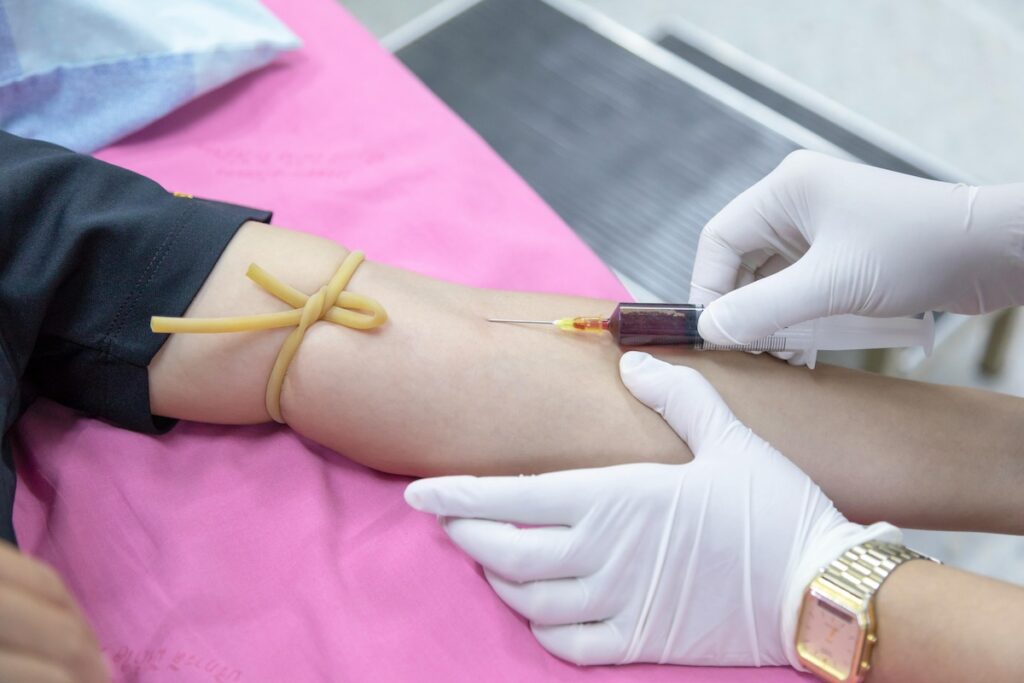
Imagine you are exploring a vibrant district in Seoul, and suddenly a friend collapses or you witness a fire in your accommodation. In these high-stress moments, knowing exactly how to navigate the Korean emergency system can be a lifesaver. While the number 119 is universal in Korea, the process for a non-Korean speaker involves specific steps to ensure rapid and accurate assistance.
This guide is a core component of our ** [Living in Korea 2026: Master Survival Hub]**, designed to provide expats and tourists with the legal and safety certainty they need while navigating the peninsula.
🏛️ 1. The 119 Ecosystem: Fire, Rescue, and EMS
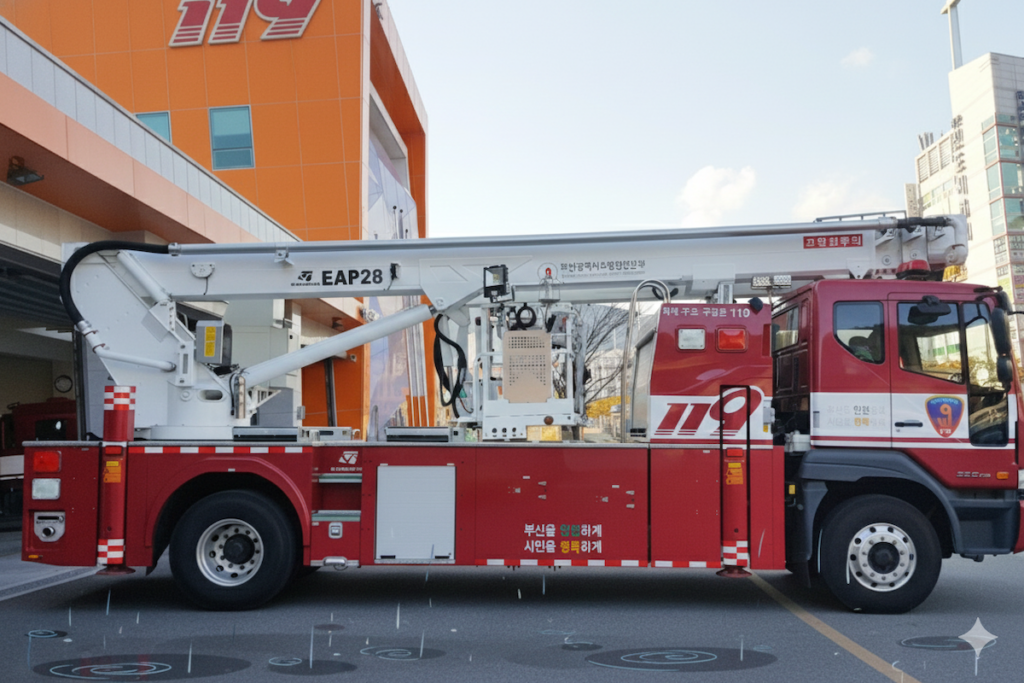
In South Korea, 119 is the consolidated hotline for the National Fire Agency. Unlike some countries where police and ambulance services are separate, 119 handles all fire and medical emergencies, while 112 is reserved for crime reporting.
- Medical Emergencies: Sudden cardiac arrest, severe allergic reactions, or major trauma.
- Fire & Hazards: Building fires, gas leaks, and chemical spills.
- Technical Rescue: Getting trapped in elevators, mountain rescue on peaks like Bukhansan, or water rescue.
- ⚠️ Crucial Distinction: For non-emergency medical consultations or finding an English-speaking pharmacy, dial 1339 instead of 119.
🚑 2. The Cost of 119: Free Transport vs. Hospital Billing
One of the most frequent questions for Living in Korea for Foreigners is the cost of emergency services.
- Ambulance Transport: In Korea, the 119 ambulance ride is completely free for both citizens and foreigners. There are no hidden “mileage” fees for the dispatch.
- ER Treatment Costs: While the ride is free, the hospital treatment is not. Foreigners without National Health Insurance (NHI) may face high out-of-pocket costs.
- Financial Shield Tip: Always carry a digital copy of your Travel Insurance. Most Korean ERs will require payment upfront via credit card before insurance reimbursement.
📌 Next Step for Your Safety: Are you covered for an emergency? Read our deep dive on ** [Health Insurance for Expats: NHI vs. Private Travel Coverage]** to avoid massive hospital bills.
📞 3. Communication Strategy: Master the Language Barrier
Many expats feel a paralyzing fear when dialing 119, worried that their limited Korean will delay life-saving help. However, the 2026 Korean emergency response system is designed with multiple fail-safes for non-Korean speakers.
- The Triple-Interpretation System: When you call 119 and speak English, the dispatcher will initiate a three-way conference call involving a professional interpreter from the “BBB Korea” (Before Babel Brigade) or the Korea Tourism Organization’s 1330 service. Do not hang up if you hear a brief period of music or silence—this is the system connecting the translator.
- Location Precision without Language: If you are calling from a smartphone with a Korean SIM card, the system automatically uses LBS (Location-Based Service) to pinpoint your GPS coordinates. Even if you cannot say a word, stay on the line.
- Visual 119 (Video Call Service): Did you know you can make a video call to 119? By showing the dispatcher the patient’s condition or the scale of the fire through your camera, you bypass language entirely. This is a crucial “Bio-Available” information strategy for 2026.
- The “Landmark” Rule: Street addresses in Korea can be confusing (Road name vs. Lot number). Always look for a Convenience Store (CU, GS25, 7-Eleven). Each store has its specific branch name written on the sign or entrance, which gives the dispatcher an instant, 100% accurate location.
🏥 4. Step-by-Step: The “Golden Hour” Protocol in Korea
Understanding what happens behind the scenes will help you manage the high-stress environment of a Korean Emergency Room (ER).
- The “Pre-Arrival” Triage: While the ambulance is racing toward you, the paramedics are already communicating with the National Emergency Medical Center (NEMC). They are checking which nearby “Level 1” trauma center has an available specialist for your specific injury (e.g., neurosurgeon vs. cardiologist).
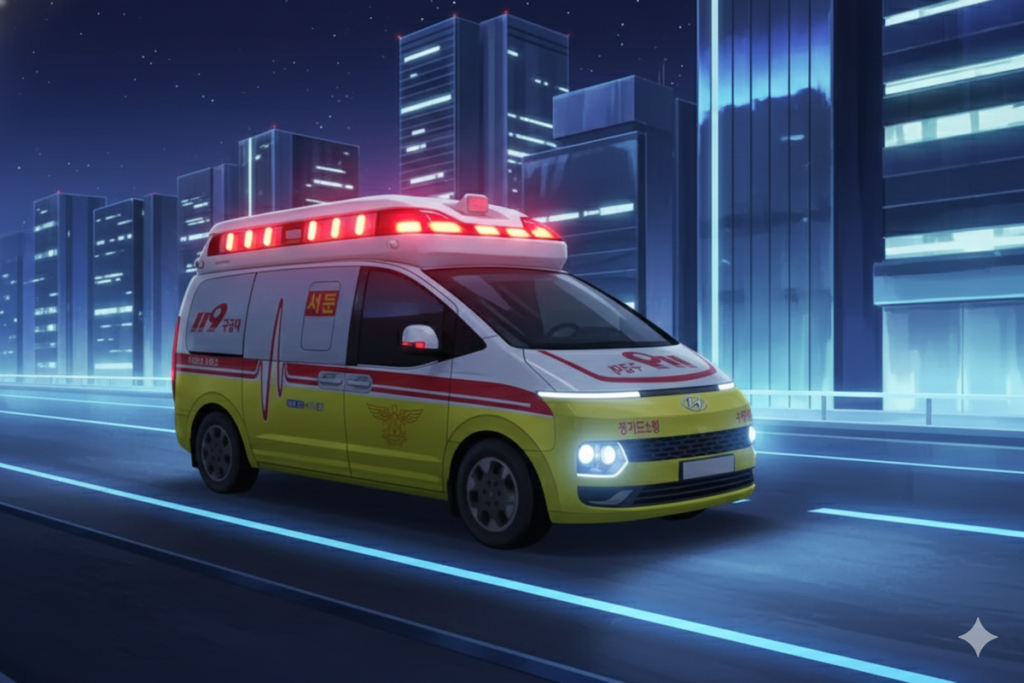
- On-Board Medical Technology: Korean ambulances are moving ERs. In 2026, many are equipped with AI-driven diagnostic tools that transmit your ECG and blood oxygen levels directly to the hospital in real-time. This ensures the medical team is scrubbed in and ready the moment you arrive.
- The ER Waiting Reality: Be prepared—Korean ERs operate on a strict Triage Scale (KTAS). Even if you arrived by ambulance, if your condition is categorized as “Non-Urgent,” you may wait several hours while critical patients are treated. This is where having an English-speaking “Patient Advocate” or 1339 translator on your phone is vital.
- Transferring Hospitals: If your condition requires specialized equipment not available at the first hospital, 119 will coordinate a secondary transfer. Note that secondary transfers between hospitals may incur a fee, unlike the initial emergency dispatch.
🛡️ 5. Financial Shield: Navigating ER Bills and Insurance
This is the most critical section for your Financial Safety and our CPC strategy. Emergency medical costs in Korea can be a “bill shock” if not managed correctly.
- The “Non-Benefit” Cost Trap: In the Korean medical system, treatments are divided into “Benefits” (covered by NHI) and “Non-Benefits” (uncovered). Many advanced ER tests fall into the “Non-Benefit” category, meaning a single night in the ER could cost between ₩500,000 and ₩1,500,000 for uninsured foreigners.
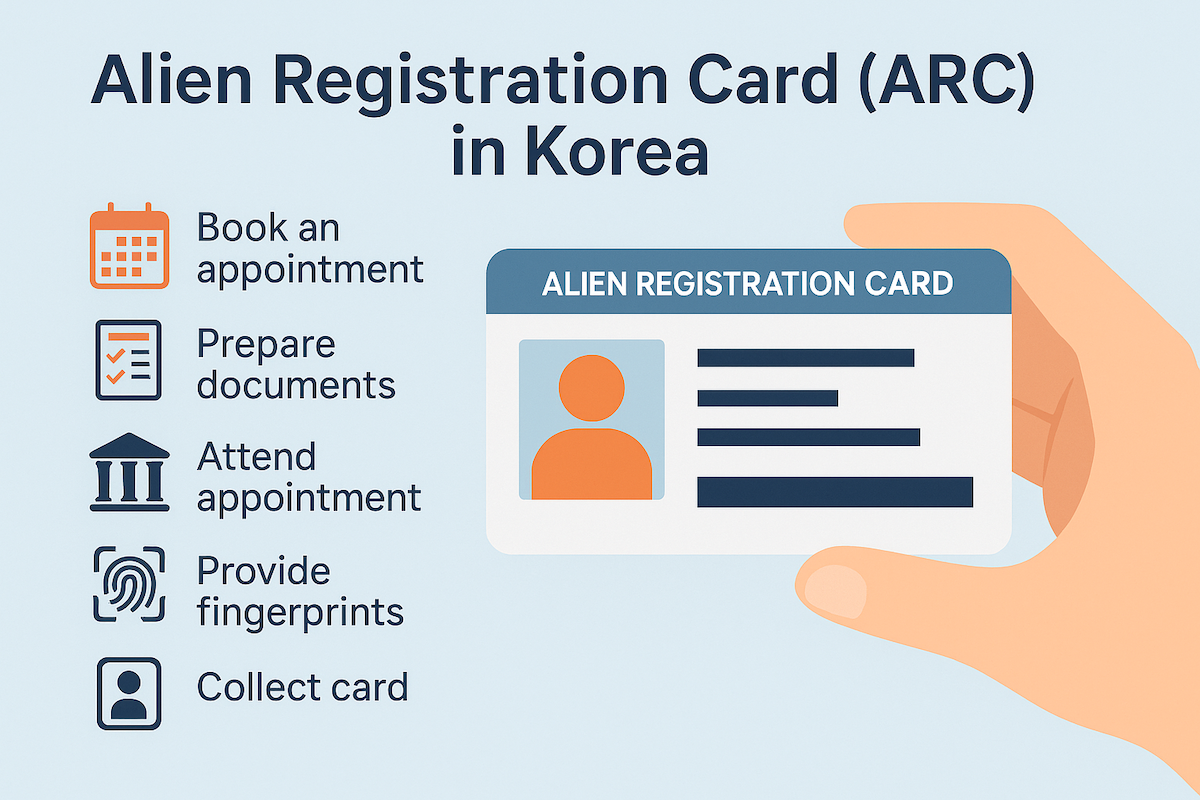
- NHI (National Health Insurance) Advantage: If you are an expat living in Korea for more than 6 months, you are likely enrolled in NHI. This reduces your ER bill by 50-80%. Ensure your ARC (Alien Registration Card) is always with you, as hospitals verify your insurance status via your ID number instantly.
- Travel Insurance Claim Strategy: For tourists from the US or Australia, most Korean hospitals will not bill your foreign insurance company directly. You must pay the full amount via credit card, then request three essential documents for reimbursement: 1. Medical Report (in English), 2. Detailed Receipt, and 3. Proof of Payment.
- The “Emergency Medical Fee” (응급의료관리료): Every ER visit in Korea includes a mandatory flat fee (approx. ₩30,000-₩70,000) just for entering the ER, regardless of treatment. This is a legal requirement to prevent the overcrowding of emergency facilities.
💰 Financial Expert Tip: > Before your trip, check if your credit card (like Amex Platinum or Chase Sapphire) provides Emergency Medical Evacuation coverage. This can save you over $50,000 if you need to be flown home after a Korean ER visit.