1. Introduction: Why I Traded the Seoul Subway for a Jeju Bicycle
Living in Seoul for over 10 years, I’ve become accustomed to the “Palli-Palli” (hurry-hurry) culture. The subway is efficient, the taxis are fast, and life moves at lightning speed. However, last week, I decided to break that cycle. I headed to Jeju Island with one goal: to see the coast not through a car window, but over the handlebars of a bicycle.
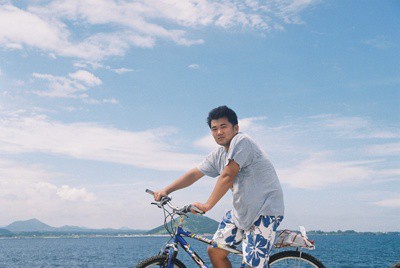
In this comprehensive guide, I will share my personal experience and all the technical details you need to navigate the Jeju Fantasy Bike Path. Whether you are a weekend warrior or a slow-traveler, this is how you master Jeju on two wheels.
2. Understanding the Jeju Fantasy Bike Path (제주 환상 자전거길)
The Jeju Fantasy Bike Path is a 234km-long dedicated cycling route that circles the entire island. It is divided into 10 official sections, each with its own certification center (red booths where you can stamp your cycling passport).
- Total Distance: 234 km (approx. 145 miles).
- Difficulty: Moderate. While mostly flat along the coast, the wind is your biggest enemy.
- The Blue Line: Look for the literal blue paint on the road. This is your “yellow brick road.” As long as you follow the blue line, you are on the right path.
3. The Logistics: Renting, Cost, and Equipment
For most expats in Seoul, bringing a personal bike to Jeju is a hassle. Here is the breakdown of how to rent and what it costs.
Where to Rent?
Most rental shops are concentrated near Jeju International Airport. Look for shops that offer “One-way rentals” (pickup in Jeju City, drop-off in Seogwipo) if you don’t plan to do a full circle.
What is the Cost? (Estimated for 2025)
- Standard Road/Mountain Bike: 15,000 – 20,000 KRW per day.
- Electric Bike (E-Bike): 25,000 – 35,000 KRW per day.
- Marcus’s Advice: Rent an E-bike. Jeju’s coastal winds can be incredibly strong. An e-bike ensures you actually enjoy the scenery rather than fighting for your life against the wind.
Essential Gear Checklist
- Helmet (Mandatory): It is illegal to ride without one in Korea.
- Panniers: Most shops provide bags that attach to the bike rack. Don’t wear a heavy backpack; it will ruin your center of gravity.
- Portable Charger: Using GPS (KakaoMap) drains your battery fast.
4. Step-by-Step Navigation for Foreigners
Don’t rely on Google Maps; its cycling data in Korea is often outdated or inaccurate.
- Download KakaoMap or Naver Map: Set the mode to “Bicycle.” It will show you the elevation and estimated calories burned.
- The Clockwise vs. Counter-Clockwise Debate: Most people recommend riding Counter-Clockwise. This keeps you on the side of the road closest to the ocean, giving you unobstructed views and easier access to coastal rest areas.
5. Marcus’s Insider Survival Tips (The “Real” Experience)
The Secret of the Wind
Before you start, check the “Windy” app. If the wind is blowing harder than 5m/s, it will feel like you’re pedaling uphill even on flat ground. Plan your rest days according to the wind.
Safety on the Road
While most of the path is dedicated, some sections merge with rural roads. Watch out for:
- Tour Buses: They move fast and have large blind spots.
- Farm Tractors: In areas like Daejeong-eup, you’ll share the road with local farmers. Give them plenty of space.
6. Where to Eat: Fueling Your Journey
You can’t cycle 234km on an empty stomach.
- Haenyeo Shacks: Look for small, orange-roofed shacks. For 10,000 KRW, you can get a bowl of Seafood Ramen or Abalone Porridge (Jeonbok-juk).
- Convenience Stores (CU/GS25): These are your “Oases.” They always have clean bathrooms, water refills, and high-protein snacks.
7. FAQ: Everything You’re Wondering About
- Q: Can I do this alone? * A: Absolutely. Jeju is one of the safest places in the world for solo travelers.
- Q: What about my luggage?
- A: There are “Luggage Delivery Services” (like ZimCarry) that will move your bags from your hotel to your next destination while you cycle.
- Q: When is the best time?
- A: May and October. The heat in August is dangerous, and the winter winds in January are brutal.
8. Conclusion: A Journey of Connection
Citygram Seoul is about more than just finding a good restaurant; it’s about belonging. Cycling Jeju allowed me to connect with the island in a way a car never could. I spoke with local grandmothers, felt the change in air temperature as I moved south, and realized that the best way to see Korea is at 15 kilometers per hour.
If you’re living in Seoul and feeling the pressure of city life, take a flight to Jeju, grab a bike, and follow the blue line. You won’t regret it.