Korea Pharmacy Guide 2026 is the essential manual for navigating health concerns while exploring the vibrant peninsula. While Korea’s street food and neon-lit nights are intoxicating, the physical toll of travel can sometimes lead to unexpected illness. Understanding the sophisticated Professionalism of the Korean pharmaceutical landscape is not just about buying a pill; it is about recognizing a cultural Social Contract of care. Whether you are dealing with a sudden fever at midnight or a persistent cough, the Korea Pharmacy Guide 2026 ensures you are never more than a few steps away from relief.
The Cultural Hospitality of the “Yakguk”
In the context of Korea Travel 2026, the local pharmacy, or Yakguk, serves as a cinematic sanctuary. It is a place where professional expertise meets the “Scent of Romance”—often characterized by the kind pharmacist who hands you a warm herbal tonic along with your medicine. To truly utilize the Korea Pharmacy Guide 2026, one must understand that medicine in Korea is divided into three distinct categories of accessibility, ensuring that your specific needs are met with the appropriate level of medical oversight.
Step 1: The Midnight Saviors (24/7 Convenience Stores)
The first tier of the Korea Pharmacy Guide 2026 focuses on “Safety Home Medicines” (Anjeon-sangbi-uiyakpum). For a traveler, this is the most accessible level of care, available at any branded convenience store like CU, GS25, or 7-Eleven.
Immediate Relief Without a Pharmacist
These stores are authorized to sell a limited selection of the most common over-the-counter (OTC) drugs. This system was designed as a Social Contract to prevent medical emergencies during late-night hours when pharmacies are closed.
- Antipyretics & Painkillers: Acetaminophen (Tylenol) and Ibuprofen for sudden fevers or headaches.
- Digestive Aids: Liquid and tablet forms of digestive enzymes to combat the intensity of a spicy food tour.
- Medicated Patches (Passeu): Essential for those experiencing muscle aches after hiking Bukhansan or navigating Seoul’s extensive subway stairs.
Step 2: The Pharmacist’s Consultation (General Pharmacies)
The second tier of the Korea Pharmacy Guide 2026 involves the Yakguk. In Korea, pharmacists possess a high degree of Professionalism and can act as primary health consultants for non-emergency symptoms.
Professional OTC Drugs
Unlike convenience stores, pharmacies carry “General Medicines” that are more potent and specific. You do not need a doctor’s note, but you do need to speak with the pharmacist.
- Symptom-Specific Cold Meds: Formulas categorized by “Kkot-gam-gi” (nasal cold) or “Mok-gam-gi” (sore throat).
- Advanced Ointments: Antibiotic creams and hydrocolloid patches for skin irritations.
- The “Ritual” Tonic: It is a professional custom for pharmacists to suggest a small bottled drink (like Bacchus or Vita500) to help swallow the tablets and boost energy—a small but significant Scent of Romance in Korean healthcare.
Step 3: The Doctor’s Mandate (Hospital Prescriptions)
The final tier of the Korea Pharmacy Guide 2026 deals with “Ethical Drugs” (Cheobang-uiyakpum). Korea maintains a strict separation between prescribing and dispensing (Ui-yak-bun-eop), meaning a pharmacist cannot give you certain medicines without a physical prescription from a doctor.
Why You Need a Hospital Visit
If your condition requires more than basic relief, you must visit a local clinic (Uiwon).
- Antibiotics & Stronger Painkillers: To prevent the misuse of medication, these are strictly controlled.
- The Professional Speed: Visitors are often shocked by the efficiency of Korean clinics. A consultation usually takes less than 15 minutes and is remarkably affordable, even without local insurance.
- The Prescription Ritual: Once you receive the paper prescription, you take it to any pharmacy nearby—usually located in the same building—to have it filled.
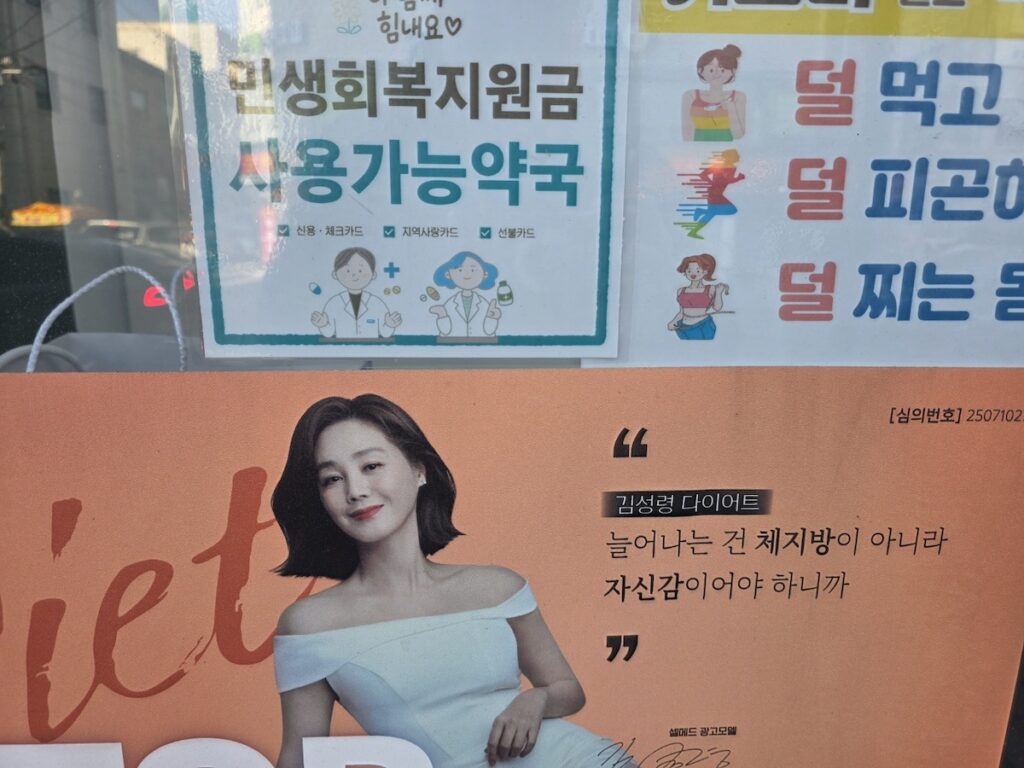
🗺️ The Triple-Layer Accessibility Table
| Category | Location | Availability | Key Items |
| Tier 1: Safety Home Meds | Convenience Stores | 24/7 | Tylenol, Digestive aids, Passeu |
| Tier 2: General OTC | Pharmacy (Yakguk) | Daytime/Select Nights | Cold meds, High-dose vitamins |
| Tier 3: Ethical Drugs | Pharmacy (with Prescription) | Pharmacy Hours | Antibiotics, Hormone treatments |
The Strategic Shopping Ritual: Jongno 5-ga and Warehouse Pharmacies
While convenience stores offer immediate relief, seasoned travelers and locals engaging in the Korea Pharmacy Guide 2026 often perform a more strategic ritual. If you are looking to stock up on household essentials or specific high-dose vitamins, you must look toward the “Heavyweights” of the Korean pharmaceutical market.
1. Jongno 5-ga: The Historic Mecca of Medicine
For decades, the Jongno 5-ga district has been the undisputed epicenter of the Korea Pharmacy Guide 2026. This street is lined with massive, high-volume pharmacies like Boryung and Jongno.
- The “Wholesale” Advantage: Because these pharmacies operate at an immense scale, they can offer prices that are often 20% to 30% lower than neighborhood pharmacies.
- The Professional Speed: The pharmacists here move with a cinematic efficiency, handling thousands of customers a day. It is the perfect place to buy “Family Size” packs of digestive aids, premium vitamin complexes (like Bicom-B), or high-quality medicated patches in bulk.
2. The Rise of the Warehouse Pharmacy (Chango-hyeong Yakguk)
A new trend dominating the Korea Pharmacy Guide 2026 is the emergence of the “Warehouse-style” pharmacy. Often located in major transport hubs or large suburban districts, these facilities function like a “Costco for Medicine.”
- Why the Trend? In 2026, the Social Contract of healthcare has evolved toward cost-efficiency. These pharmacies cut overhead costs and focus on volume, providing a transparent, low-margin pricing model that has become an “Issue” or a hot topic among price-conscious MZ generations.
- The Bulk Ritual: They are characterized by wide aisles and a professional atmosphere where you can find everything from plant-based vegan supplements to professional-grade skin treatments in bulk quantities.
3. Comparison of Shopping Rituals
| Ritual Type | Best For | Typical Savings | Professional Vibe |
| Neighborhood Yakguk | Immediate, personal consultation | Standard Pricing | Warm, intimate, 1:1 care |
| Jongno 5-ga Street | Massive bulk buying & historic aura | 20-30% Discount | Fast-paced, high-volume, iconic |
| Warehouse Pharmacy | Trendy, low-margin bulk shopping | Deep Discounts | Modern, efficient, self-service feel |
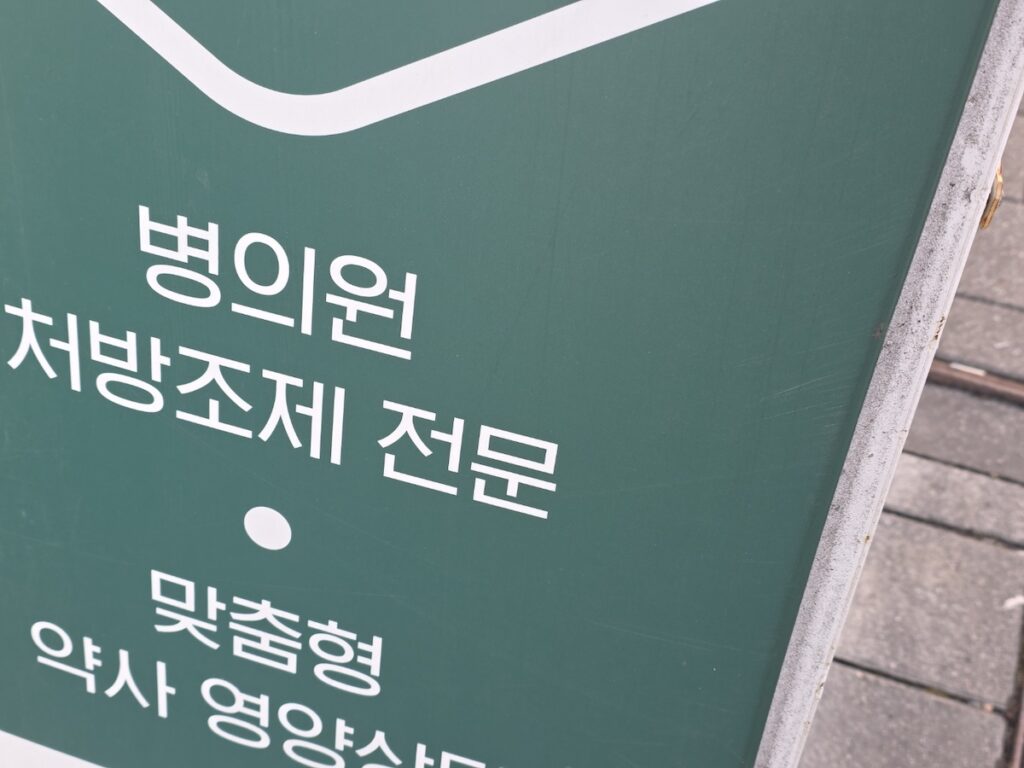
The Shared Peace of Mind: Inclusivity in Care
A unique feature of the Korea Pharmacy Guide 2026 is the increasing inclusivity for international travelers. Most pharmacies in major tourist hubs now utilize digital translation tools or have staff trained in basic medical English. This ensures that the Social Contract of safety extends to everyone, regardless of their native tongue.
Whether you are a vegan traveler concerned about the gelatin in capsules (always ask for “Plant-based capsules”) or a family needing pediatric care, the Professionalism of the Korean system is designed to embrace and protect you.
Action Plan: Staying Healthy in 2026
- Locate Your 24/7 Savior: Identify the nearest convenience store to your hotel for emergency painkillers.
- Use the “Yak” Map: Use KakaoMaps or Naver Maps and search for “Pharmacy” or “Yakguk” to see real-time opening hours.
- Carry a Symptom Card: If you have allergies or chronic conditions, have them translated into Korean on your phone to show the pharmacist.
- Embrace the Tonic: When the pharmacist offers a small bottled drink, accept it. It is part of the Korea Pharmacy Guide 2026 ritual for a faster recovery.
The Global Export Protocol: Carrying Korean Medicine Abroad
A common question within the Korea Pharmacy Guide 2026 is whether these high-quality medicines can be taken across borders. While Korea allows the purchase of bulk quantities at Jongno 5-ga, the “Social Contract” of international travel requires you to follow specific protocols to ensure your health ritual doesn’t turn into a legal hurdle at customs.
1. Quantity and Personal Use Limits
Most countries, including the US, EU, and Australia, allow you to bring in a 90-day supply of medication for personal use.
- The Bulk Buying Strategy: Even if you bought a year’s worth of vitamins at a Warehouse Pharmacy, carrying more than a 3-month supply may trigger “Commercial Intent” suspicions at customs.
- The Integrity Tip: Always keep the medicine in its original professional packaging. This proves the Professionalism of the manufacturer and clearly lists the active ingredients.
2. Forbidden Ingredients and Regional Variations
What is an over-the-counter (OTC) miracle in Korea might be a controlled substance elsewhere.
- Codeine and Stimulants: Some Korean cold medicines contain ingredients that are strictly regulated in countries like Japan or the UAE.
- The “Grey Zone” Awareness: Before exporting your haul, check the “Active Ingredients” list on the box against your home country’s customs website.
3. Action Plan: What to Do If You’re Unsure
If the complexities of international drug laws feel overwhelming, follow this Professional Safety Protocol:
- The Pharmacist Consultation: Ask the pharmacist for a “Professional Receipt” (Yeongsu-jeung) that lists the English names of the drugs. Most Jongno 5-ga pharmacies can provide this upon request.
- The Doctor’s Note: For prescription-only Tier 3 medicines, always carry the original Korean prescription along with an English medical certificate if possible.
- The Embassy Check: If you are carrying a significant quantity of specialized medicine, a quick check with your home country’s embassy in Seoul is the ultimate act of Professionalism.
💡 🗺️ Customs Quick-Check Table
| Item Type | Quantity Limit | Requirement | Risk Level |
| Vitamins & Supplements | 90-day supply | Original Packaging | Low |
| OTC Cold/Pain Relief | 90-day supply | Ingredient check required | Medium |
| Prescription Meds | Exact prescribed amount | Original Prescription | High (Requires Paperwork) |
Related Guides
- Jongno 5-ga Pharmacy Street: 3 Strategic Reasons to Navigate Seoul’s Medical Mecca – Deepen your understanding of the Korea Pharmacy Guide 2026 by exploring the historic heart of Korean medicine. Discover how this district balances ancient apothecary traditions with the high-volume Professionalism of modern wholesale pharmacies to offer the best value in the city.
- The Last Train Ritual: Why Taxis are Not the Only Answer in Hongdae (2026) – Health and safety extend beyond the pharmacy. Learn the sophisticated navigation rituals of Seoul’s nightlife districts. Understand why mastering the midnight transit system is a vital Social Contract for every traveler seeking a seamless and safe journey home.
- The Londoner’s Antithesis: Why Seoul is the Best Winter Escape for Londoners in 2026 – While London grays, Seoul glows. Explore why the crisp, sunny winters of Korea provide a therapeutic Scent of Romance for those escaping the damp gloom of the UK, supported by a world-class healthcare infrastructure that keeps you moving.
Conclusion: Mastering the Korean Health Ritual 2026
The Korea Pharmacy Guide 2026 is a testament to a nation that has perfected the balance between accessibility, cost-efficiency, and professional care. Navigating this system—from the 24/7 convenience store safety net to the high-volume strategy of Jongno 5-ga and the modern convenience of Warehouse Pharmacies—is a vital part of the contemporary Korean travel experience.
By understanding these tiers, you are not just a passive traveler hoping not to fall ill; you are an active participant in a sophisticated Social Contract. Whether you are looking for immediate relief at midnight or seeking the professional “Wholesale Alchemy” of Jongno to stock up on world-class wellness products, Korea provides a sense of security that is both cinematic and practical.
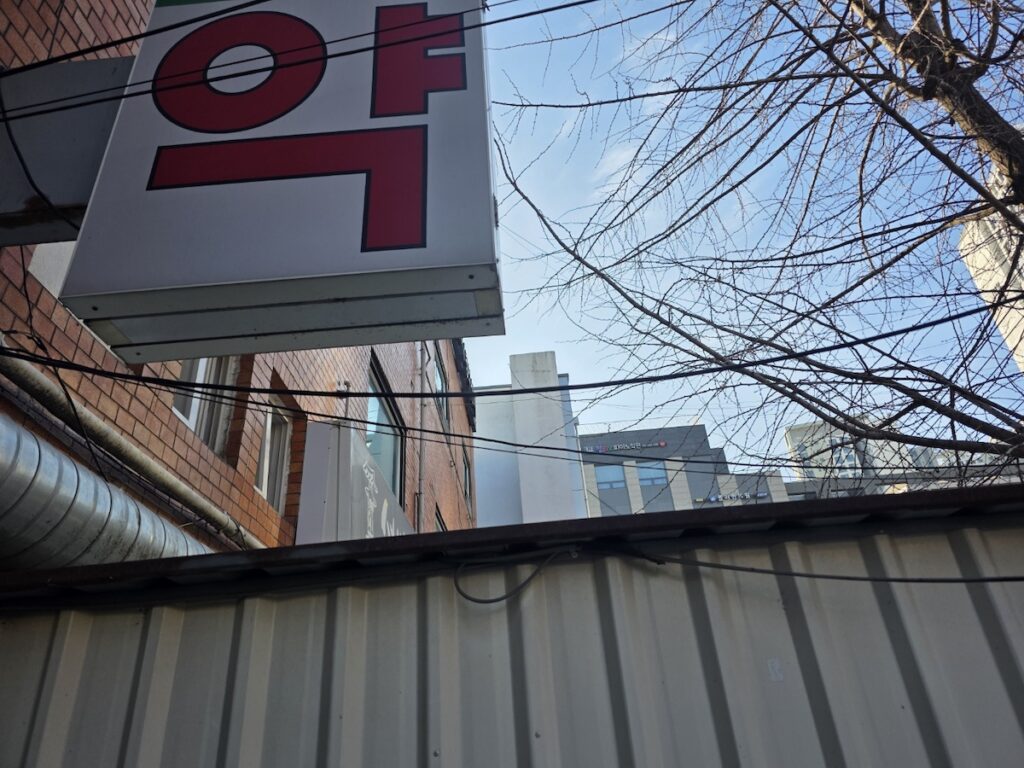
As you navigate your Korea Travel 2026, let the green and red signs of the Yakguk be your lighthouse. They represent a culture that is ready to protect your health with the same intensity and professionalism it brings to its cuisine and technology. Walk into a pharmacy with confidence, embrace the pharmacist’s ritualistic tonic, and know that in this country, your well-being is always the priority.