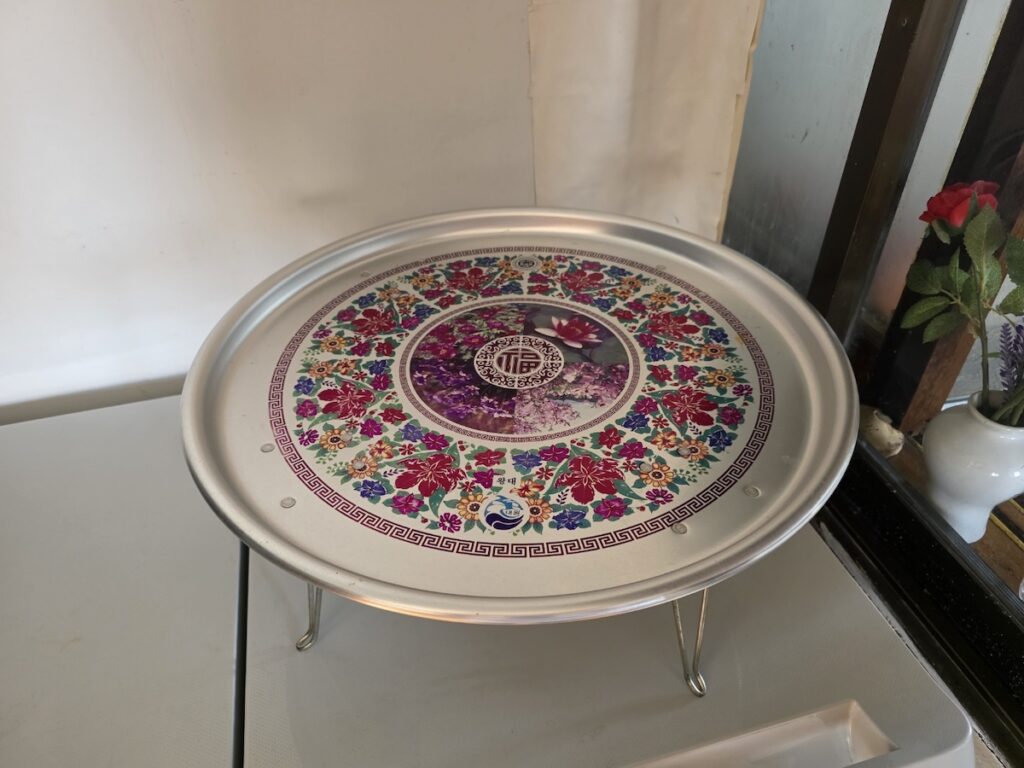
1. Introduction: The Heart of the Korean Table
If you’ve ever walked into a Korean restaurant in Seoul, you’ve likely seen a vibrant basket of fresh greens sitting on every table. This is the foundation of Korean Ssam Culture—the traditional and communal way of wrapping meat, rice, and sauces in leafy vegetables. In this guide, we will explore how to eat like a local and why this “one-bite wonder” is the secret to a healthy, balanced Korean meal.
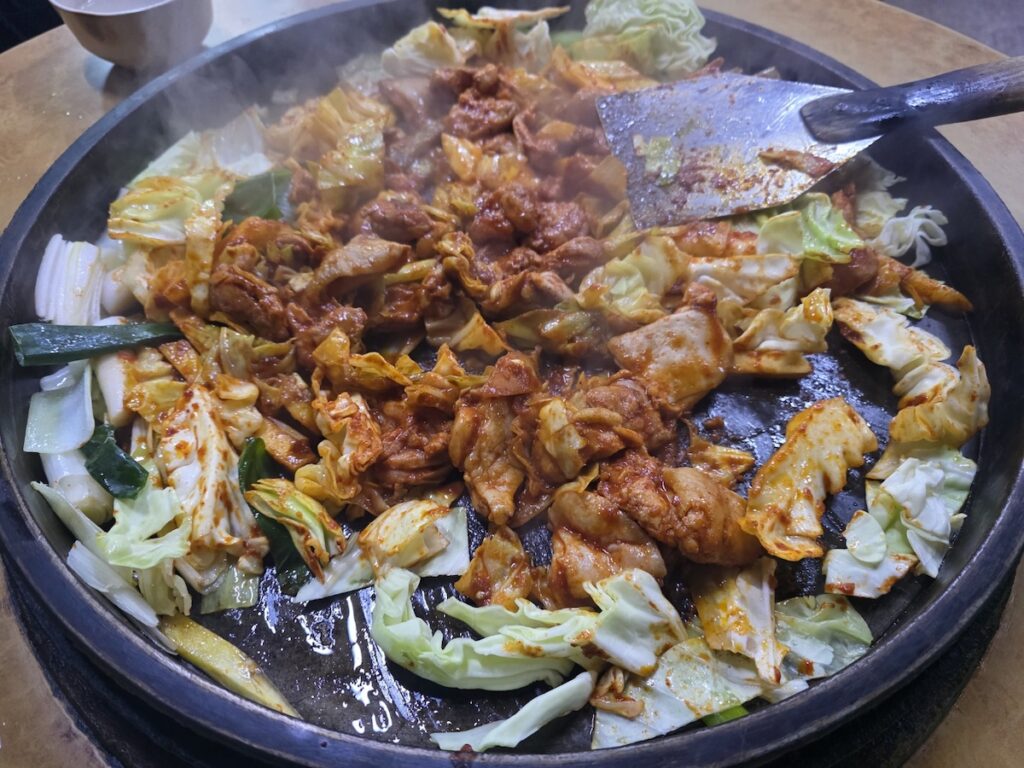
2. The Star Fillings: Why Dakgalbi and Jeyuk-bokkeum are Perfect for Ssam
To master Korean Ssam Culture, you need a filling that packs a punch. While BBQ beef is popular, locals often turn to these two spicy favorites:
- Dakgalbi (Spicy Stir-fried Chicken): Originally from Chuncheon but a staple in every Seoul neighborhood, Dakgalbi is a flavorful mix of chicken, cabbage, and rice cakes (tteok) stir-fried in a sweet and spicy gochujang sauce. When wrapped in a cool leaf, the heat of the chicken is perfectly balanced by the crisp vegetable.
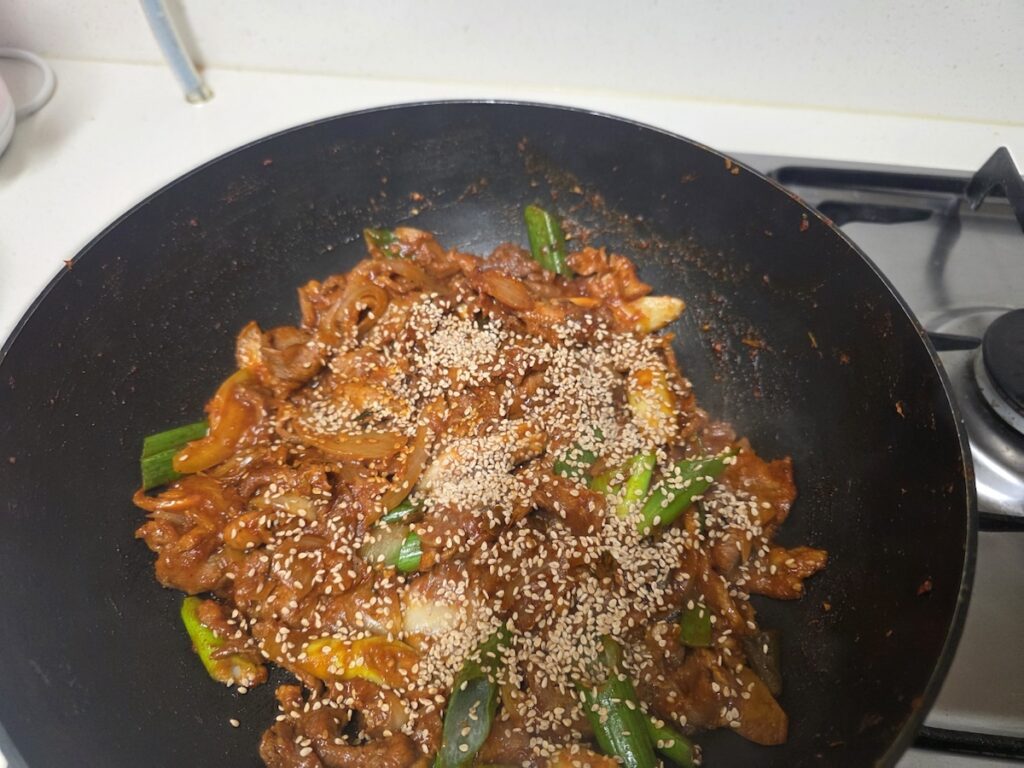
- Jeyuk-bokkeum (Spicy Pork): This is the ultimate comfort food. Thinly sliced pork is marinated and stir-fried over high heat, creating a smoky, savory flavor. As seen in our Citygram Seoul photos, the addition of sesame seeds and scallions adds a layer of nuttiness that shines when wrapped in a fresh lettuce leaf.
3. Advanced Layering: Beyond the Simple Lettuce Leaf
Most beginners only use one piece of lettuce, but true masters of Korean Ssam Culture know the secret is in the layers.
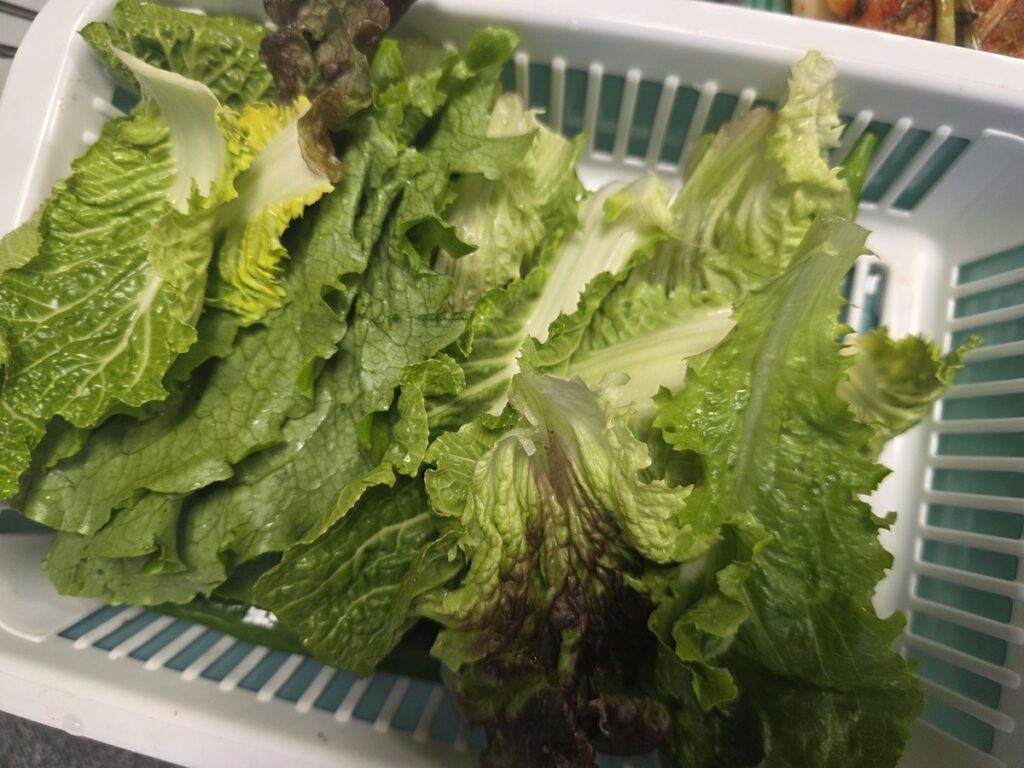
- The Double-Layer Strategy: Start with a large, soft piece of Red Leaf Lettuce (Sangchu). Then, place a jagged Perilla Leaf (Kkaet-nip) on top. The perilla leaf provides a unique, minty, and herbal aroma that cuts through the fat of the meat.
- The Umami Bomb (Ssamjang): Never skip the sauce. Ssamjang is a thick paste made of fermented soybeans and chili. For the best experience, add a small dollop to the center of your wrap. It acts as the “glue” that brings the meat and vegetables together in a harmonious explosion of flavor.
- The Crunch Factor: Add a slice of raw garlic or a green chili dipped in paste. This adds a sharp “kick” that keeps the palate excited throughout the meal.
4. The One-Bite Etiquette: A Cultural Gold Rule
In Korean Ssam Culture, how you eat is just as important as what you eat.
- The One-Bite Rule: A Ssam is meant to be consumed in a single bite. Biting into a wrap and putting the other half back is considered messy. The challenge (and fun) is making a wrap that is large enough to be satisfying but small enough to fit in your mouth comfortably.
- Sharing the Love: Giving a hand-made Ssam to someone else is a deep sign of affection and friendship in Korea. If a Korean friend makes one for you, it is a high compliment—be sure to accept it with both hands!
5. Conclusion: Your Mission at the Korean Table
Now that you’ve learned the secrets of Korean Ssam Culture, it’s time for action.
- The Challenge: On your next visit to Seoul, find a restaurant serving either Dakgalbi or Jeyuk-bokkeum. Don’t just eat the meat with rice; pick up that lettuce, layer it with perilla, add a slice of garlic, and try the “One-Bite Challenge.”
- Final Tip: If you find a place with particularly fresh greens, don’t forget to take a photo and tag #CitygramSeoul. Mastering the Ssam is your first real step toward becoming a Seoul insider. Go forth, wrap well, and eat healthy!