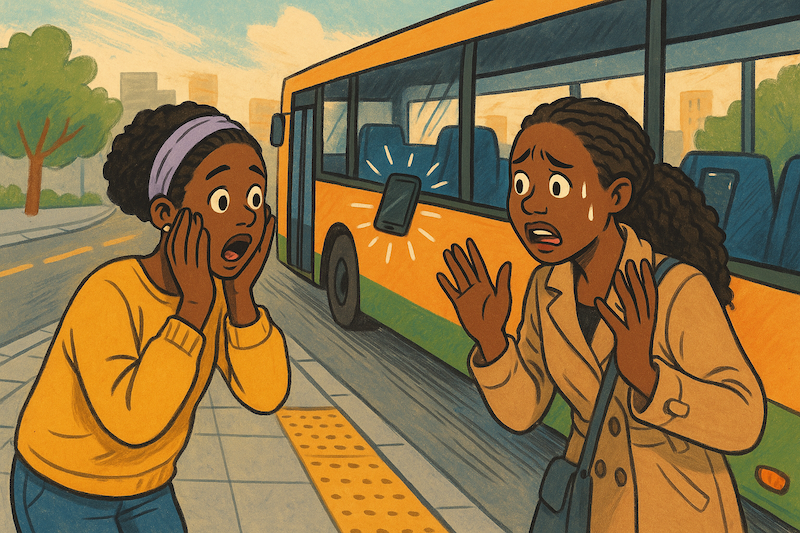
“Searching for a reliable lost and found in Korea guide 2026? Despite the changing digital landscape, the core of Korea’s social trust remains the same.”
Lost and found in Korea guide 2026 is not just a manual for recovery; it is a profound lesson in social trust. In many global megacities, a wallet left on a subway seat is considered gone forever within seconds. However, in Seoul, that same wallet often triggers a nationwide network of honesty. It is common to see laptops left unattended in Gangnam cafés for hours—a visual testament to the social integrity and the high-tech surveillance grid that defines this nation. If the unthinkable happens and you lose a personal item, do not panic. Korea’s recovery system is arguably the most efficient in the world.
The Invisible Safety Net: Why Opening a Lost and Found in Korea Guide 2026 Leads to Success
The high recovery rate in South Korea isn’t merely a stroke of luck; it’s a sophisticated combination of cultural integrity and a pervasive digital eye.
- The CCTV Grid: Every subway car, bus, and taxi in Korea is part of a massive digital archive. When you lose an item, you aren’t just searching for an object; the authorities are tracing the exact time and space where it disappeared.
- The Honest Reward: Under the Korean “Lost Articles Act,” finders are legally entitled to a small reward (5-20%), but most locals refuse it, viewing the act of returning lost property as a fundamental civic duty.
- The “Midnight Run” Ritual: Many travelers realize they’ve lost an item late at night. In Korea, the Dasan 120 center works around the clock to bridge the gap between frantic foreigners and honest finders.
🚇 Subways and Taxis: The “Golden Hour” Strategy
If you realized you lost your item within the last 60 minutes, speed is your greatest ally.
Subway Recovery
Don’t just walk into the station office. Check the Train Number—usually a 4 to 6-digit ID found on the floor near the doors or on the outside of the car. Providing this ID to the station master increases your recovery rate from 10% to 90%, as they can radio the exact train immediately.
Taxi Recovery (The Smart Grid)
In 2026, every taxi in Korea is a “Smart Taxi.” If you paid with a credit card or T-money, call the Dasan 120 Call Center (Press 9 for English). They can use your payment timestamp to identify the exact vehicle and contact the driver directly. If you have the receipt (Yeong-su-jeung), the driver’s personal phone number is often printed right there.

🚓 The Digital Brain: Why the Lost and Found in Korea Guide 2026 Recommends Lost112
The Lost112 system (www.lost112.go.kr) is the central brain of Korea’s lost and found network. Everything found in police stations, malls, and public transport eventually ends up here.
- Pro-Tip for Searching: Do not just search by the name of the item (e.g., “Phone”). Instead, use filters for Color and Location. Translation nuances might list your “iPhone” as a “Black Handheld Device,” so searching by visual attributes is far more effective.
- The Passport Protocol: If you lose your passport, search Lost112 first. If it isn’t found within 24 hours, contact your embassy in Yongsan or Jongno-gu immediately.
🧸 Family Safety: When the “Item” is a Person
Losing sight of a child or a companion in a crowded place like COEX Mall or Myeongdong is a unique terror.
- The Broadcast System: Large Korean malls and parks have high-quality broadcast systems. Find any staff member in uniform and say the person’s age and clothing.
- The Police Response: Dial 112 immediately. Korean police patrol units are remarkably dense in urban areas; a patrol car will often arrive at your location within 3 to 5 minutes to begin a coordinated search.
🔗 Navigating the Capital: Essential Seoul Transport Guides
- [The Airport Connection]✈️ How to Get from Incheon Airport to Seoul 2025: Subway, Airport Bus, Taxi & More
- Lost your luggage at the gate or on the bus? Start here to understand the primary transport routes from Incheon to the heart of the city.
- [The Commuter’s Bible]Seoul Subway Guide 2025: AREX from Incheon Airport to Hongdae & Subway Etiquette Tips
- Master the subway grid to recover your items faster. Understanding line transfers and exit numbers is the key to successful lost-and-found tracking.
- [The Complete Logistics]Seoul Transportation Guide 2025: Subway Fares, Bus Routes, KTX & Travel Costs
- A comprehensive breakdown of Korea’s transit infrastructure. Secure your T-money card and learn the cost-effective way to navigate the “Honest Kingdom.”
✅ [Action Plan] The Emergency Lost & Found Checklist
If you have just realized something is missing, follow these steps in order:
- [ ] Call the 120 Dasan Center: Dial 120 (within Seoul) or 02-120 (outside Seoul) and press 9 for English. They are the best first point of contact for taxis and buses.
- [ ] Check the “Golden Hour” ID: If it was a subway, find the Train Number or the last station you were at.
- [ ] Visit Lost112.go.kr: Register your lost item on the national portal. This creates a “Waitlist” that alerts you if a matching item is turned in.
- [ ] Contact Your Bank: If your wallet was in the bag, use your banking app to “Temporarily Freeze” (not cancel) your cards.
- [ ] Trust the System: Stay near your phone. It is very likely that a local will attempt to call your “ICE” (In Case of Emergency) contact or the last number dialed.
Conclusion: Trusting the System One Step at a Time
Losing a personal item while traveling can be a deeply isolating experience, but the lost and found in Korea guide 2026 proves that you are never alone in this country. The efficiency of Seoul’s recovery network is a direct reflection of a culture that values shared responsibility and honesty.
Whether you are retracing your steps through the maze of the subway or searching the digital archives of Lost112, this lost and found in Korea guide 2026 aims to give you more than just a phone number—it gives you peace of mind. Remember that the “Golden Hour” is crucial: report your loss immediately, use the official smart-tracking tools, and stay connected to the local networks.
As you move forward with your journey, keep this lost and found in Korea guide 2026 bookmarked on your phone. In the Honest Kingdom, even the things you think are gone forever have a remarkable way of finding their way back to your hands. Your Korean adventure is defined not by what you lose, but by the incredible connections and honesty you discover along the way.