The thermometer in Seoul hit nearly 30°C last weekend, and the heat rising from the asphalt was enough to make even the most dedicated urbanite retreat indoors. But for my friend’s family and their massive, cloud-like Samoyed, the city had become a furnace. We packed the car with coolers, towels, and one very excited dog, heading toward the lush valleys of Gapyeong. Our destination? One of the premier pet-friendly stays Korea has developed over the last decade. Watching that giant white floof leap into a crystal-clear swimming pool with a look of pure, unadulterated happiness was more than just a weekend highlight; it was a front-row seat to the incredible evolution of South Korea’s “Petconomy” and the deep emotional bond we now share with our “Gang-aji” companions.
Quick Answer: What are the best pet-friendly stays Korea offers?
For the ultimate experience, you should look specifically for “Pet-friendly Stays Korea” or “Pet Resorts.” Locally, these are most commonly called “Pensions” (펜션)—private vacation villas or boutique boutique resorts. In the pet-centric market, these are not just hotels that “allow” pets; they are specialized sanctuaries designed with the dog as the primary guest. You can expect high-tech amenities like professional dog drying rooms, salt-water pools, and massive fenced playgrounds. Regions like Gapyeong, Yangpyeong, and Pocheon are the epicenters of this culture, offering a “Pet-vacance” (Pet + Vacance) that allows your furry friend to be a VIP (Very Important Pet) alongside you.
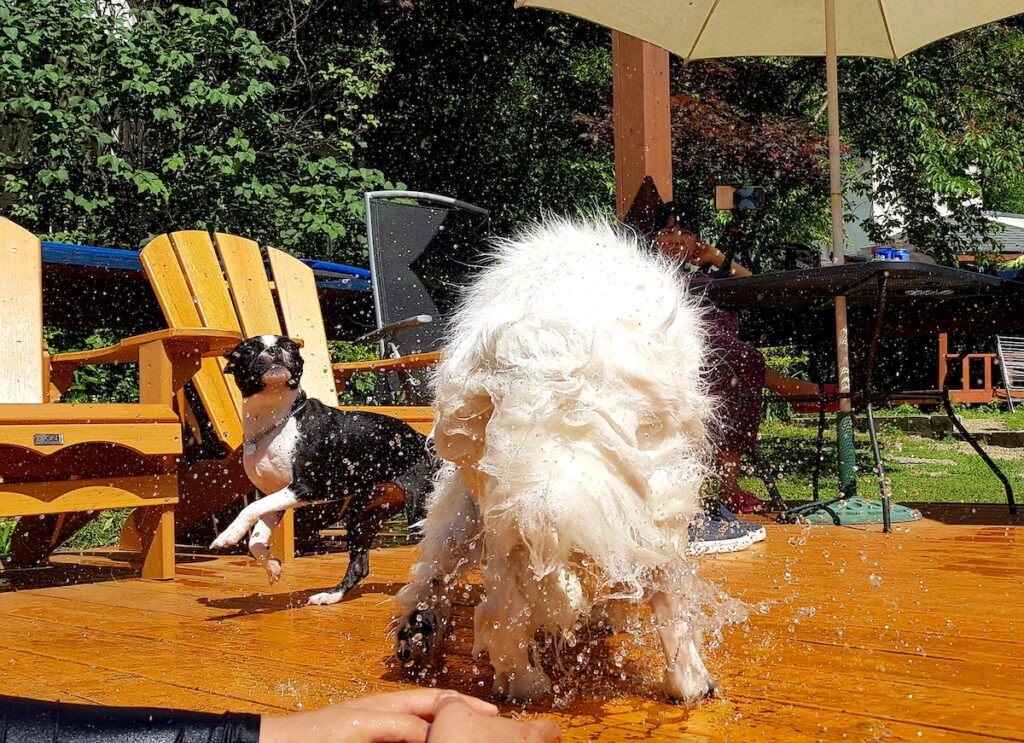
Understanding the K-Pet Language: From “Gae” to “Gang-aji”
To truly navigate pet-friendly stays Korea, one must first understand the linguistic and cultural shifts that have occurred in the country. If you are learning Korean, you likely know the word Gae (개) for dog. However, as you walk through the streets of Seoul or check into a resort, you will rarely hear this word used to describe a pet.
Historically, Gae was a functional, somewhat harsh term. Today, using it can feel cold or even derogatory. Instead, Koreans almost exclusively use the word “Gang-aji” (강아지). While it technically translates to “puppy,” it has become the standard term of endearment for dogs of all ages. Whether you have a tiny Maltese or a massive 40kg Samoyed, calling them a Gang-aji signals that they are a beloved member of the family—an eternal child who deserves protection and pampering.
In official travel guides and government statistics, you will encounter the term “Ballyeo-gyeon” (반려견), meaning “Companion Dog.” This shift from “animal” to “companion” is the engine driving the boom in luxury pet-friendly stays Korea. As of 2026, over 15 million citizens—roughly 30% of the population—now own pets. This massive demographic, often referred to as “Pet-fam” (Pet + Family), has turned what was once a niche hobby into a multi-billion dollar industry that treats dog welfare as a top priority.
The Evolution of the “Pet-vacance” Market
Why have pet-friendly stays Korea become so sophisticated? The answer lies in the unique urban density of the country. Most Koreans live in apartments where large dogs, or even active small dogs, are often restricted by space or noise concerns. This urban confinement has created a desperate need for weekend escapes.
The “Pet-vacance” is the solution. It is a dedicated vacation where every activity is built around the dog’s happiness. For owners of large breeds like Samoyeds, these stays are the only places where their dogs can truly “be dogs”—off-leash, in the water, and running free. This demand has pushed pension owners to invest in infrastructure that would be considered overkill in many other countries.
When we checked into the resort in Gapyeong, it was clear that we weren’t just renting a room; we were gaining access to a private dog kingdom. The market for these experiences is projected to continue its double-digit growth as the “Pet Humanization” trend reaches its peak, with millennials and Gen Z opting for fur-babies over traditional family structures.
The High-Tech “Wow” Factors: Drying Rooms and Beyond
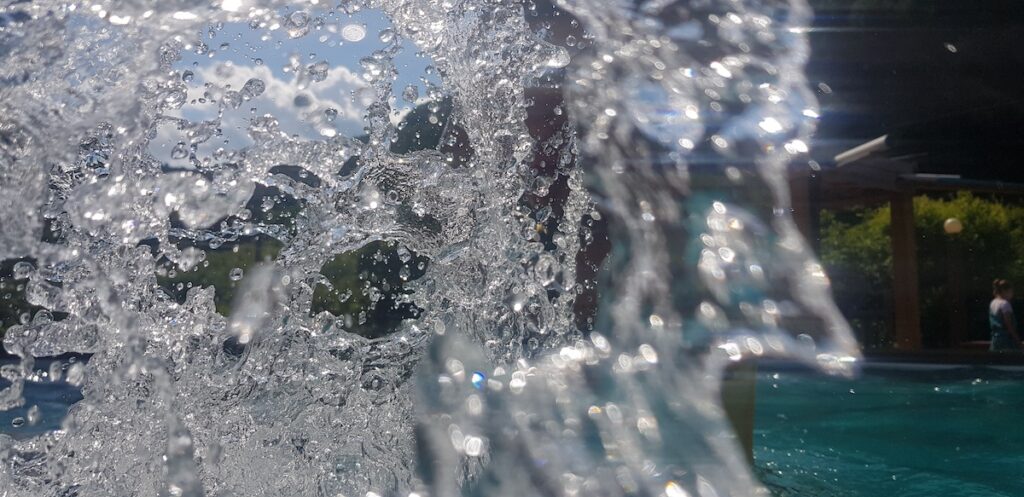
If you are booking pet-friendly stays Korea for the first time, you might be surprised by the level of technical equipment provided. These facilities are designed to solve the biggest headaches of traveling with a dog—namely, the cleanup.
1. The Industrial Pet Drying Room
Drying a double-coated breed like a Samoyed after a swim can take hours with a standard hairdryer. Top-tier Korean resorts provide “Pet Drying Rooms.” These are comfortable, glass-walled cabins where your dog can sit relaxedly while warm, filtered air circulates to dry their undercoat thoroughly. It prevents “wet dog smell” and skin issues, making the post-pool transition back to the bedroom seamless.
2. Salt-Water Filtration Pools
Most pet-friendly stays Korea boast dedicated swimming pools. However, the best ones use salt-water filtration rather than heavy chlorine. This is much gentler on a dog’s sensitive skin and prevents the fur from becoming brittle. These resorts also provide life jackets in every conceivable size, recognizing that even the bravest Samoyed might need a little extra buoyancy on their first swim.
3. Fenced-In Security and “Petiquette”
The greatest luxury for a Seoulite is the freedom to take the leash off. These properties are 100% enclosed with high, sturdy fences and double-locking gates. This allows for a safe, off-leash environment where dogs can socialize. But this freedom is maintained by a strict code of “Petiquette.” Owners are expected to be hyper-vigilant about picking up waste and managing their dog’s energy levels. In Korea, being a responsible owner is seen as a point of pride.
The Experience: A Day in the Life of a Samoyed at a Gapyeong Resort
Our day started at 10:00 AM, loading the car with a dog who seemed to know exactly where we were going. The drive to Gapyeong is a rite of passage for many Seoul residents. Once we arrived at the pet-friendly stays Korea resort, the transformation in the Samoyed was instant.
The afternoon was spent in the pool. For a large dog, the weightlessness of the water is a huge relief for their joints, especially in the 30-degree heat. After the swim, we moved to the grooming station, where the “Air Shower” and “Drying Room” turned a soggy, heavy mess back into a fluffy white cloud in less than 40 minutes.
The evening culminated in a “Dog BBQ.” Most of these pensions provide private decks where you can grill meat, and they often offer specialized “dog steaks” or unsalted treats so your Gang-aji doesn’t feel left out of the feast. It is this level of inclusive hospitality that makes these stays so addictive for pet owners.
Recommended Pet-friendly Stays Korea (2026 Selection)
To help you plan your journey, I have curated a list of the top-rated resorts near Seoul that exemplify the “Pet-vacance” culture.
| Stay Name | Location | Notable Feature | Best For |
| Highmong Resort | Gapyeong | Massive 3-star resort with 24-hour dog playgrounds. | Families with high-energy breeds. |
| Happy Dog Stay | Yeoncheon | Individual private pools and spa units in every room. | Owners seeking maximum privacy. |
| Arumdri Resort | Pocheon | Professional-grade grooming spa and air-shower systems. | Large, double-coated breeds (Samoyeds, Huskies). |
| Lucerne Pet Villa | Yangpyeong | Modern architectural design with private fenced yards. | Couples with small to medium dogs. |
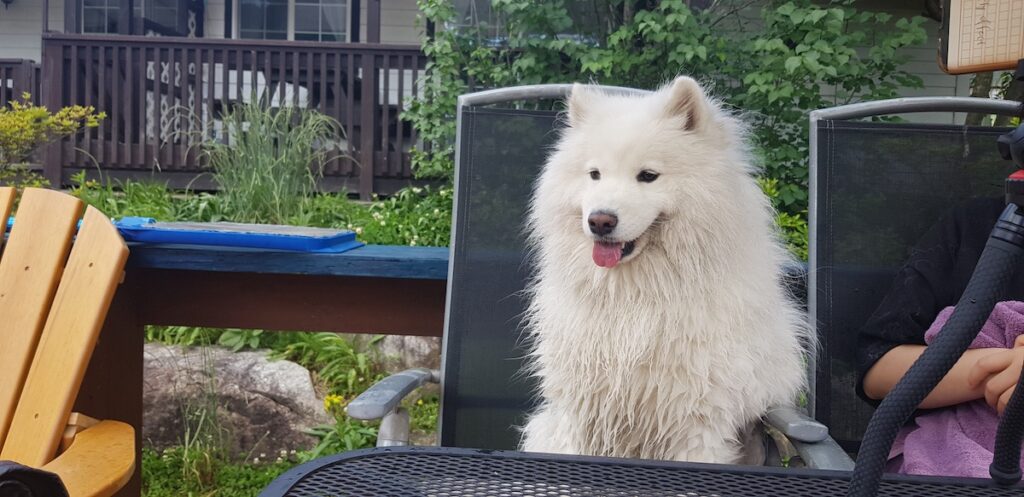
The Unspoken Rules: Navigating K-Petiquette and Social Harmony
While pet-friendly stays Korea offers a liberating experience for your dog, it is crucial to understand that these sanctuaries operate on a foundation of strict social rules. South Korea is a society that deeply values Gonyong (public order) and Baeryeo (consideration for others). Because most Koreans live in high-density apartments, their approach to pet ownership is governed by a high level of self-restraint and etiquette, often referred to as “Petiquette.”
If you are an expat or a traveler visiting these resorts, falling foul of these unspoken rules can lead to uncomfortable social friction. Here is what you need to know about the intersection of Korean culture and pet travel:
1. The Silence of the “Gang-aji”
In many Western cultures, a dog barking in a playground is seen as a sign of playfulness. However, in Korea, barking is often viewed as a “noise nuisance” (Cheunggan Soeum). Even at a specialized pet resort, Koreans strive to keep their dogs as quiet as possible. If your dog is a “vocal” player, you might notice other owners subtly moving away or giving cautious looks. While a certain level of barking is allowed in these off-leash zones, excessive barking is expected to be managed immediately by the owner. Bringing a “calming treat” or knowing how to redirect your dog’s focus is a sign of a highly respected owner in the K-pet scene.
2. The “Cleanliness First” Doctrine
Korea is a country where you can see someone cleaning a public park at 6:00 AM. This obsession with cleanliness extends to pet resorts. While these stays provide waste bags, the cultural expectation is that you leave zero trace. It’s not just about picking up the “big mess”; it’s about ensuring that urine is washed away with water (many high-end pensions provide water spray bottles for this purpose). If your dog marks a pillar or a piece of outdoor furniture, a responsible Korean owner will immediately spray it down. This level of meticulous care is why these resorts can maintain five-star cleanliness despite hosting dozens of dogs every weekend.
3. The “Big Dog” Stigma and Safety Gear
If you are traveling with a large breed like a Samoyed, Husky, or Golden Retriever, you must be aware of the Daehyeong-gyeon (Large Dog) stigma. Until recently, large dogs were rarely kept as indoor pets in Korea. Many people, especially the elderly or those with young children, may feel genuine fear when seeing a large dog off-leash, even in a designated pet zone.
- Muzzle Laws: By Korean law, five specific breeds (Tosa, American Pit Bull Terrier, American Staffordshire Terrier, Staffordshire Bull Terrier, and Rottweiler) must wear muzzles in all public spaces. While a Samoyed isn’t on this list, having a muzzle on hand for public transport or crowded lobbies is a sign that you are a “safe” and “prepared” owner, which can de-escalate tension instantly.
- The Yellow Ribbon: Some owners in Korea use a “Yellow Ribbon” on the leash to signal that their dog needs space (due to anxiety or training). Recognizing this sign shows that you are a culturally literate pet owner.
4. Respecting the “Kids-Free” vs. “Kids-Ok” Zones
Korea has seen a rise in “No-Kids Zones,” and this trend has leaked into the pet resort market. Some pet-friendly stays Korea are “Adults Only” to ensure a quiet environment for dogs that might be intimidated by children. Conversely, “Kids-Pet” pensions are designed for families with both. Always check the specific policy of the resort. Entering an “Adults-Only” pet stay with a toddler—or vice versa—is considered a major breach of the booking “Petiquette.”
5. Interaction Etiquette: “Can I Pet?”
In Korea, it is polite to ask “Manjyeo-bwado doelkkayo?” (May I pet your dog?) before any interaction. Unlike the more casual “dog park culture” in the US or Europe, Korean owners often treat their dogs as private family members. Some may be in the middle of a strict training regimen. Always wait for an explicit “Yes” before letting your dog or yourself approach another Gang-aji. This boundary-setting is what keeps these high-density resorts functioning smoothly even during peak summer weekends.
Cultural Tips for International Pet Owners in Korea
When visiting pet-friendly stays Korea, there are a few cultural norms you should be aware of:
- Leash Laws: While the pension is off-leash, the rest of Korea is not. Public parks require a leash at all times, and certain breeds may be required to wear a muzzle in public transport.
- The “Zero-Won” Transfer: If you take your dog on the subway (in a carrier), remember that transfers are often free for your pet as long as they are properly secured.
- No Tipping: Like all of Korea, you do not need to tip the staff at these resorts. The service is included in the premium price you pay for the specialized facilities.
Conclusion: Why the “Pet-vacance” is Worth Every Won
Watching that Samoyed float in the pool, I realized that these pet-friendly stays Korea are about more than just a place to sleep. They are about acknowledging that our dogs experience the world with us. In a country that is moving as fast as Korea, these resorts provide a vital pause—a space where the stress of urban life for both humans and dogs can melt away.
Choosing a specialized resort over a standard “dog-allowed” hotel makes a significant difference. In a standard hotel, you are often restricted to certain elevators or floors. In a dedicated pet pension, the entire world belongs to the dog. It is a place where a bark is greeted with a smile rather than a complaint, and where every corner of the property is a playground.
The maze of Seoul is vast, but the green valleys of Gapyeong and the salt-water pools of Pocheon are where the city’s heart truly beats for its four-legged citizens. Trust the “Pet-vacance” culture, follow the pink signs to Line 8 or the GPS to Gapyeong, and enjoy the ride. Your Gang-aji has earned it.
Pet-friendly stays Korea, dog friendly resorts Seoul, Korean pet culture, Gapyeong pet stay, Petconomy Korea, Samoyed travel Korea, petiquette Korea, pet swimming pool Seoul, 2026 Korea pet guide, Pet-vacance Korea, Gang-aji vs Gae, luxury dog pensions Korea.