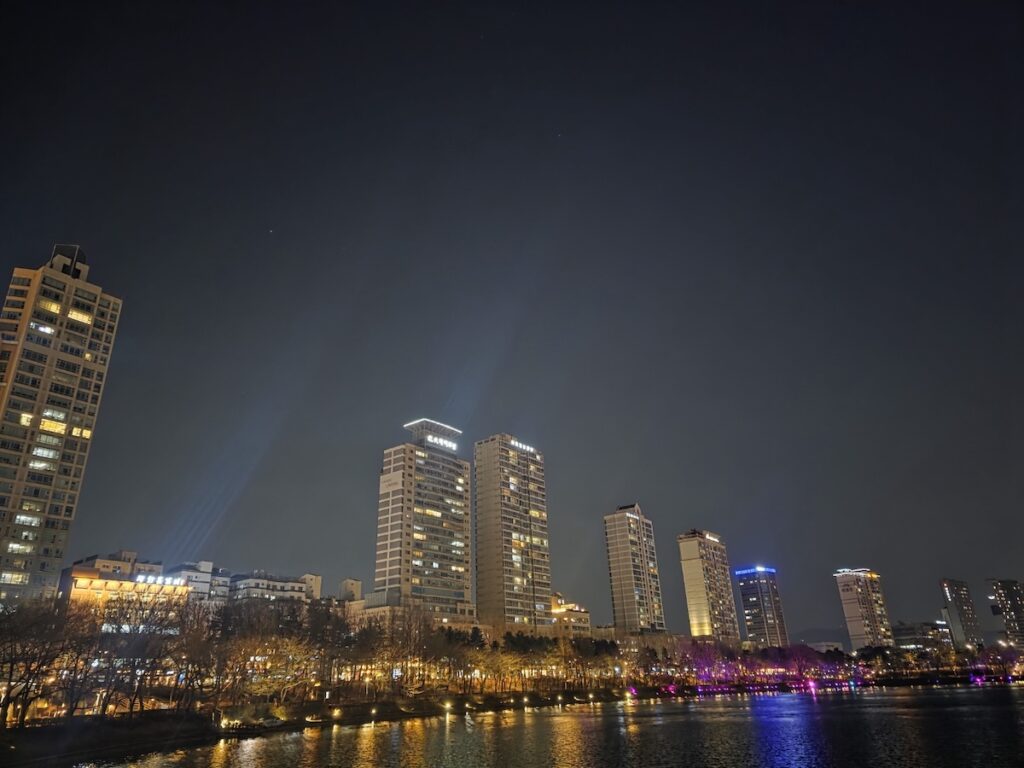
Renting an apartment in Seoul can feel confusing for foreigners because Korea does not use only one simple rental system.
Before you even visit a room, you may see words like wolse, jeonse, banjeonse, officetel, villa, maintenance fee, and deposit. Some of these ideas may feel familiar. Others may feel completely different from renting in the United States, Europe, Australia, Singapore, or other countries.
The biggest difference is usually the deposit system.
In many Western countries, renting means paying one or two months of deposit and then paying monthly rent. In Korea, the deposit can be much larger. Sometimes it is several million won. Sometimes it is tens or hundreds of millions of won. This is why understanding the Korean rental system matters before you sign anything.
This guide explains how renting an apartment in Seoul works for foreign residents, especially the difference between jeonse and wolse, common housing types, fees, documents, and safety checks you should not skip before signing a contract.
Quick Answer: Jeonse vs Wolse in Seoul
If you are renting in Seoul for the first time, wolse is usually easier to understand because it works more like monthly rent. You pay a deposit, then pay rent every month.
Jeonse is more unusual for foreigners. Instead of paying high monthly rent, you pay a very large refundable deposit to the landlord, usually for a one- or two-year lease. Seoul’s official housing guide explains jeonse as a system where the tenant entrusts a large deposit to the landlord and receives it back after the contract ends.
| Rental Type | How It Works | Best For | Main Risk |
|---|---|---|---|
| Wolse | Deposit + monthly rent | New arrivals, students, short-term residents | Higher monthly cost |
| Jeonse | Very large refundable deposit + little or no monthly rent | Long-term residents with large savings | Deposit return risk |
| Banjeonse | Larger deposit + lower monthly rent | People who want lower rent but cannot afford full jeonse | Still needs deposit safety checks |
| Short-term rental | Monthly fee, often furnished | Temporary stays | Higher price, fewer tenant protections depending on contract |
For most foreigners renting an apartment in Seoul for the first time, wolse or banjeonse is usually more realistic than full jeonse. Jeonse can make sense for long-term residents, but only if you understand the contract, check the property carefully, and know how to protect your deposit.
Why Renting in Seoul Feels Different for Foreigners
The Deposit Can Be Much Larger Than Expected
The first shock for many foreigners is the deposit.
In Seoul, even a small studio or officetel may require a deposit that feels much higher than what renters are used to in other countries. A wolse contract may ask for a deposit of several million won, while jeonse can require a much larger amount.
This is not just a “Seoul is expensive” problem. It is part of how the Korean housing system works.
The deposit is not only a security deposit for damage. In jeonse especially, it becomes the central part of the lease. That is why deposit safety is one of the most important parts of renting an apartment in Seoul.
The Words Are Different
Foreigners often struggle because Korean housing terms do not translate perfectly.
A “villa” in Korea does not usually mean a luxury house. It often means a low-rise residential building.
An “officetel” is not exactly an office and not exactly a regular apartment. It is a compact mixed-use building that many single residents use as housing.
A “maintenance fee” may include building management, cleaning, elevator, security, internet, or other shared costs, but what it includes depends on the building.
So the problem is not only language. It is that the housing categories themselves are different.
Wolse: Monthly Rent With a Deposit
Wolse is the rental system that feels most familiar to many foreigners.
You pay a deposit first, then pay monthly rent. The deposit is returned when the lease ends, assuming there are no unpaid bills, damages, or contract issues.
How Wolse Usually Works
A wolse listing may look like this:
| Deposit | Monthly Rent |
|---|---|
| ₩10,000,000 | ₩700,000 per month |
| ₩5,000,000 | ₩850,000 per month |
| ₩20,000,000 | ₩600,000 per month |
In many cases, a higher deposit can reduce the monthly rent. This is why two rooms that look similar may have different rent structures.
Why Wolse Is Easier for Foreigners
Wolse is often easier for foreigners because the upfront deposit is usually lower than jeonse. It can be more realistic for students, English teachers, office workers, and new arrivals who do not want to lock up a huge amount of money.
It is also easier to understand psychologically. You pay rent every month, just like in many other countries.
What to Watch Out For
Even with wolse, you still need to protect your deposit.
Do not assume a smaller deposit means no risk. You should still check the contract, confirm the landlord, understand the maintenance fee, and keep proof of payment.
Before signing, ask:
- How much is the deposit?
- How much is monthly rent?
- What is included in the maintenance fee?
- Are utilities separate?
- Is internet included?
- When is rent due?
- How is the deposit returned?
- Are there cleaning or restoration fees when moving out?
Jeonse: Large Deposit With Little or No Monthly Rent
Jeonse is one of the most distinctive parts of renting in Korea.
Instead of paying monthly rent, the tenant pays a large deposit to the landlord. At the end of the lease, the landlord is supposed to return the full deposit.
This can sound attractive because monthly housing costs may be very low. But for foreigners, jeonse requires serious caution because the deposit is large.
Why Koreans Use Jeonse
Jeonse has historically been popular because tenants can reduce monthly rent, while landlords receive a large sum of money during the lease period.
For a tenant with enough savings, jeonse can lower monthly housing costs. For a landlord, the deposit can be used financially during the lease.
But this also creates risk. If the landlord cannot return the deposit when the contract ends, the tenant may face a serious financial problem.
Why Jeonse Can Be Risky
The main risk is not living in the home. The main risk is getting your deposit back.
Before signing a jeonse contract, you need to check whether the property has existing debt, whether the landlord is truly the owner, and whether the deposit can be protected.
This is especially important because Seoul housing deposits can be very large.
If you are not fluent in Korean or not familiar with Korean real estate documents, full jeonse can be risky without professional help.
When Jeonse Might Make Sense
Jeonse may make sense if:
- you plan to live in Korea long term
- you have enough savings
- the property passes legal and financial checks
- you can obtain deposit protection if eligible
- you understand the contract
- you have support from a reliable real estate agent, Korean-speaking helper, or legal professional
Jeonse should not be chosen only because it has low monthly rent. The deposit risk matters more.
Banjeonse: The Middle Option
Banjeonse sits between wolse and jeonse.
You pay a larger deposit than ordinary wolse, but not as large as full jeonse. In exchange, your monthly rent is lower.
For many foreign residents, banjeonse can feel like a compromise.
How Banjeonse Works
A banjeonse structure may look like this:
| Deposit | Monthly Rent |
|---|---|
| ₩50,000,000 | ₩400,000 per month |
| ₩80,000,000 | ₩250,000 per month |
| ₩100,000,000 | Lower monthly rent depending on property |
The exact numbers vary widely depending on location, property type, building age, and market conditions.
Who Banjeonse Is Good For
Banjeonse may work for people who have some savings but do not want to commit to full jeonse.
It can reduce monthly rent while keeping the deposit lower than full jeonse. But the deposit is still significant, so safety checks are still necessary.
Housing Types in Seoul: Officetel, Villa, and Apartment
When renting an apartment in Seoul, the rental type is only one part of the decision. You also need to understand the building type.
Officetel
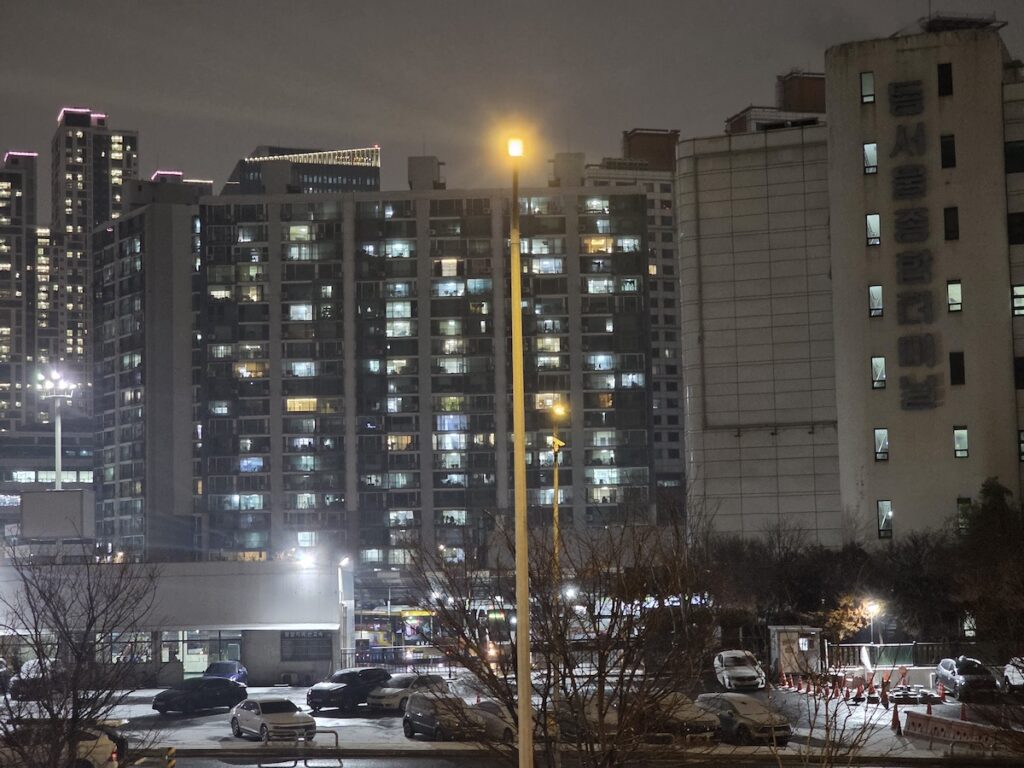
An officetel is a mixed-use building designed for office or residential use. Many foreigners, students, and single workers live in officetels because they are often located near subway stations and business areas.
Officetels are common in areas like Gangnam, Yeouido, Mapo, Jongno, Sinchon, and near major office districts.
Pros:
- convenient location
- often near subway stations
- sometimes furnished
- good for single residents
- building management may be organized
Cons:
- small space
- higher maintenance fees
- less suitable for families
- cooking or ventilation may be limited in some units
Villa
In Korea, a villa usually means a low-rise residential building. It does not necessarily mean luxury housing.
Villas can offer more space for the money compared with officetels or large apartment complexes. They are common in many Seoul neighborhoods.
Pros:
- often more space
- sometimes lower rent than officetels
- more residential feeling
- good for people who want quiet streets
Cons:
- building management may vary
- fewer amenities
- older buildings may have maintenance issues
- parking can be difficult
Apartment
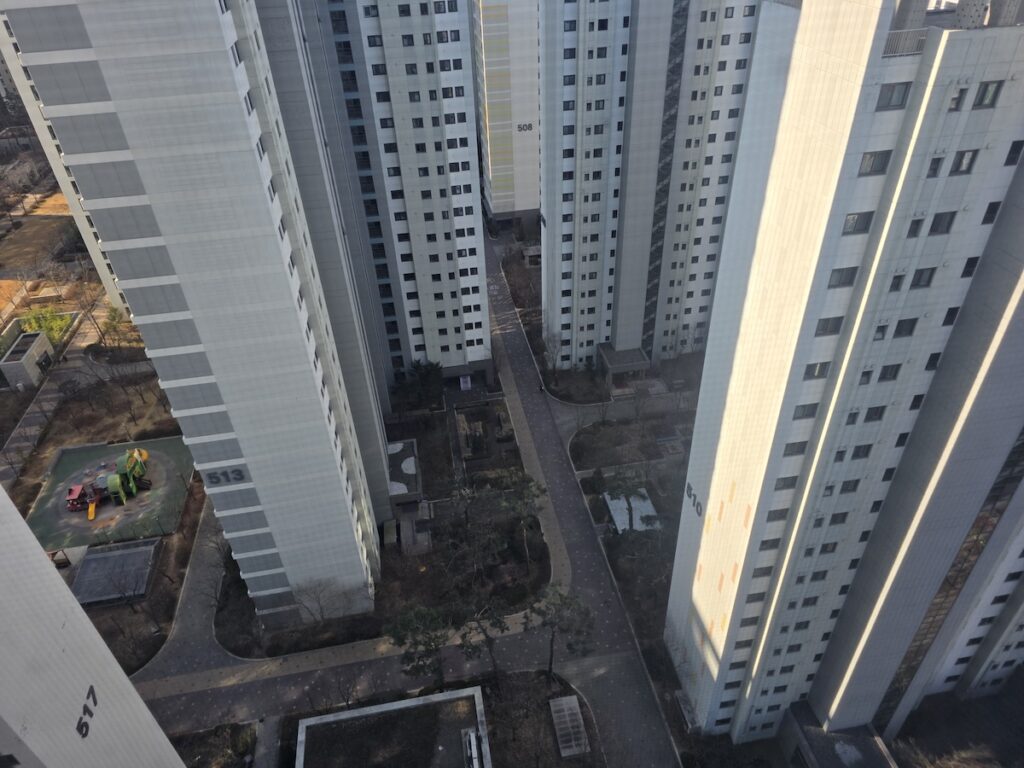
In Korea, “apartment” often refers to large residential complexes with multiple towers. These are common for families and long-term residents.
Pros:
- organized management
- elevators, parking, security, and shared facilities
- better for families
- strong neighborhood infrastructure
Cons:
- higher deposits
- harder for short-term foreigners
- unfurnished units are common
- contracts may feel more formal
Safety Checks Before Signing a Korean Housing Contract
This is the most important section of the guide.
Renting an apartment in Seoul is not only about finding a nice room. It is also about protecting your deposit and making sure the contract is safe.
Korea has a Housing Lease Protection Act, which provides special protections for residential tenants, but those protections depend on the correct legal steps and your situation.
Check the Property Registry
Before signing, ask to check the property registry document, often called 등기부등본.
This document can show:
- who owns the property
- whether the landlord’s name matches the contract
- whether there is a mortgage
- whether there are other financial claims on the property
If you do not understand this document, ask a trusted Korean speaker, real estate professional, or legal advisor to review it before you send money.
Confirm the Landlord
Make sure the person signing the contract is the real owner or has legal authority to sign.
Check that the landlord name on the contract matches the property registry and payment account. Be careful if someone asks you to transfer money to a different person’s account.
Understand Fixed Date and Move-In Registration
In Korea, tenants often protect their deposit through steps such as obtaining a fixed date on the lease and completing move-in or residence registration. Local government guidance also notes that lease or monthly rental contracts should be reported within 30 days after signing.
For foreign residents, residence reporting can be especially important because your address is tied to your legal stay.
Do not treat this as a small administrative detail. Ask your real estate agent or local community center what steps apply to your situation.
Ask About Deposit Return Guarantee
For jeonse or large deposits, ask whether deposit return guarantee insurance is available for the property and your contract type.
Not every property qualifies, and eligibility can depend on property value, deposit amount, existing debt, and other conditions. Do not assume a deposit is protected just because the contract looks normal.
Do Not Pay Too Much Before Checking
Be careful before sending a large deposit or contract payment.
Before paying, confirm:
- property registry
- landlord identity
- contract terms
- real estate agent registration
- deposit amount and payment schedule
- move-in date
- refund conditions
- maintenance fee
- contract cancellation terms
A good room is not worth risking your deposit without proper checks.
Costs Foreigners Often Forget
Monthly rent is not the only cost.
When renting in Seoul, you may also need to pay:
| Cost | What It Means |
|---|---|
| Deposit | Refundable amount paid to landlord |
| Monthly rent | Paid every month in wolse or banjeonse |
| Maintenance fee | Building management fee |
| Utilities | Electricity, gas, water, heating |
| Internet | Sometimes included, sometimes separate |
| Realtor fee | Brokerage commission |
| Moving cost | Moving truck or service |
| Furniture | Many units are unfurnished |
| Cleaning or repair | Depends on contract and move-out condition |
Always ask what is included in the maintenance fee. A cheap rent can become less attractive if the maintenance fee is high.
Where Foreigners Usually Search for Apartments in Seoul
Foreigners usually find housing through several channels.
Real Estate Offices
Local real estate offices, called 부동산, are still very common in Korea. They know nearby listings and can arrange viewings quickly.
The advantage is local knowledge. The disadvantage is that English ability varies.
Apps and Online Platforms
Many Koreans use real estate apps to search for rooms. Foreigners may also use online platforms, Facebook groups, expat communities, relocation services, or company support.
Apps are useful for getting a rough sense of price, but listings can change quickly. Always confirm details before visiting.
University or Employer Support
Students should ask their university international office. Employees should ask HR if housing support or relocation assistance is available.
Some universities and companies have experience helping foreigners find housing, register addresses, or understand contracts.
Viewing Checklist Before You Pay Any Deposit
When you visit a room, do not only look at the view or furniture.
Check practical details.
Inside the Room
Look for:
- water pressure
- hot water
- heating system
- air conditioning
- mold or moisture
- window condition
- noise from roads or neighbors
- sunlight
- smell
- floor condition
- bathroom drainage
- kitchen ventilation
Take photos before moving in so you have proof of the original condition.
Building and Neighborhood
Check:
- elevator
- entrance security
- CCTV
- trash disposal area
- parking
- nearby subway station
- convenience stores
- late-night street atmosphere
- slope or stairs
- delivery access
A place that feels fine in the afternoon may feel different late at night, especially in quiet alleys.
Contract Questions
Ask:
- Is the unit registered for residential use?
- Who is the landlord?
- What is included in the maintenance fee?
- Are pets allowed?
- Can I register my address here?
- Is the deposit protected?
- When will the deposit be returned?
- What happens if I leave early?
- Are there repair responsibilities?
- Is the realtor licensed?
Step-by-Step: From Searching to Moving In
Here is a simple process for foreigners renting an apartment in Seoul.
Step 1: Decide Your Budget
Separate your budget into:
- maximum deposit
- monthly rent
- maintenance fee
- utilities
- moving cost
- emergency savings
Do not use all your cash for the deposit. Keep enough money for moving, furniture, bills, and unexpected costs.
Step 2: Choose Rental Type
If you are new to Korea, wolse may be easiest.
If you have savings and plan to stay longer, banjeonse may be possible.
If you are considering jeonse, treat it as a serious financial decision and do full safety checks.
Step 3: Choose Housing Type
Choose based on lifestyle.
| Priority | Better Fit |
|---|---|
| Central location | Officetel |
| More space | Villa |
| Family living | Apartment |
| Short-term stay | Furnished studio or serviced housing |
| Lower monthly rent | Banjeonse or jeonse, if safe |
Step 4: Visit in Person
Do not rely only on photos. Visit the property if possible.
If you are overseas, ask for a live video tour, full address, building information, and clear contract terms before paying anything.
Step 5: Check Documents
Before signing, check the property registry, landlord identity, contract terms, and deposit conditions.
If you do not read Korean well, do not sign alone.
Step 6: Sign and Register Properly
After signing, ask what steps you need for lease reporting, fixed date, and address registration.
For foreign residents, also make sure your immigration address record is updated when required.
Step 7: Keep All Records
Save:
- signed contract
- payment receipts
- bank transfer records
- landlord contact
- realtor contact
- photos of room condition
- maintenance fee details
- utility bills
- messages about repairs
These records can help if there is a dispute later.
Common Mistakes Foreigners Make
Choosing Based Only on Monthly Rent
A low monthly rent can hide a high deposit, high maintenance fee, poor location, or old building condition.
Always compare the total monthly cost.
Not Checking the Deposit Risk
This is especially dangerous with jeonse or large deposits.
Do not assume the landlord can return the money just because the property looks nice.
Signing a Contract You Do Not Understand
A bilingual summary is helpful, but the Korean contract is usually the legally important document. Get help before signing if you are not confident.
Forgetting Address Registration
For foreign residents, your registered address matters. It can affect immigration, banking, phone service, and tenant protection.
Moving Out Before Deposit Return Is Clear
Be careful about moving out before your deposit return is properly arranged. Seoul Global Center’s legal information has warned that moving out without receiving the deposit can make recovery more difficult because certain tenant protection requirements may be lost.
Final Thoughts: Renting in Seoul Is Manageable If You Slow Down
Renting an apartment in Seoul can feel overwhelming at first, especially because the Korean rental system uses deposit structures that many foreigners have never seen before.
But the basic idea becomes clearer once you separate the main choices.
Wolse is monthly rent with a deposit.
Jeonse is a large refundable deposit with little or no monthly rent.
Banjeonse sits in the middle.
Officetels, villas, and apartments are different housing types with different lifestyles and costs.
For most foreigners, the safest first step is not chasing the lowest monthly rent. It is understanding the full cost, checking the contract, protecting the deposit, and making sure the home fits your actual life in Seoul.
A good apartment in Seoul is not just about location or price. It is about whether you can live there comfortably, understand what you signed, and leave later with your deposit safely returned.