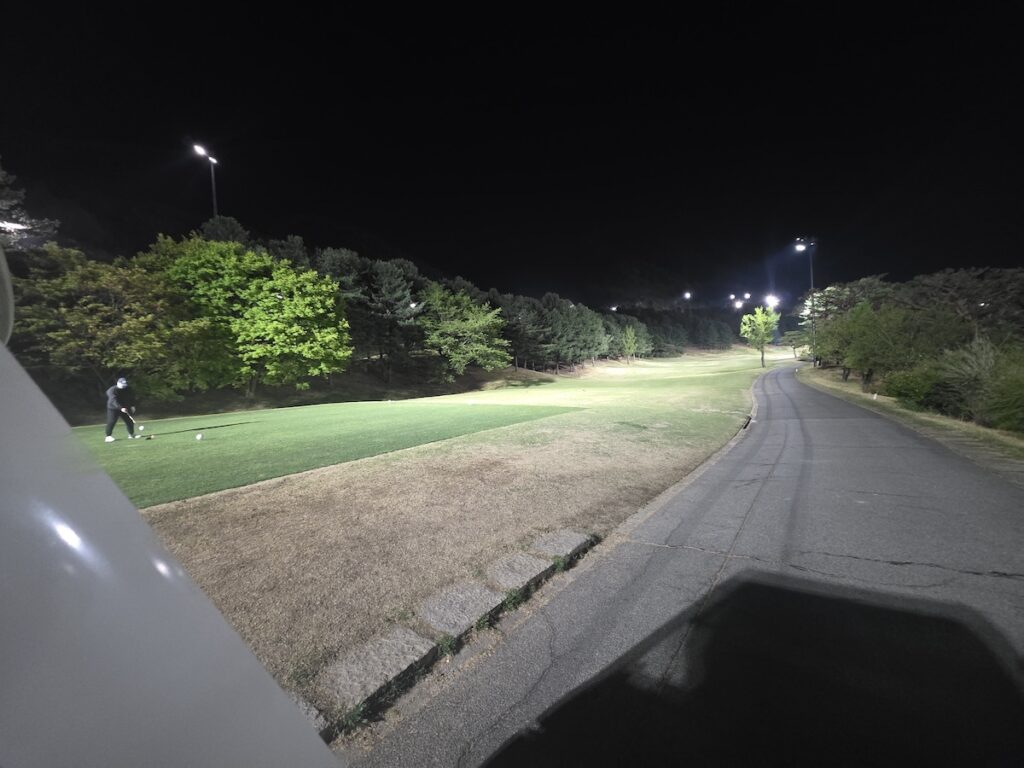
South Korea golf prices reflect a unique, high-energy sports culture that turned my quiet Saturday morning into a high-speed, 7-minute interval dance across the fairway. Coming from the West, where a round of golf is often a slow, five-hour stroll with a couple of friends and a relaxed attitude toward the clock, stepping onto a tee box near Seoul was a total system shock. In Korea, golf isn’t just a game; it’s a beautifully choreographed, incredibly efficient operation that makes you feel like you’re part of a professional convoy.
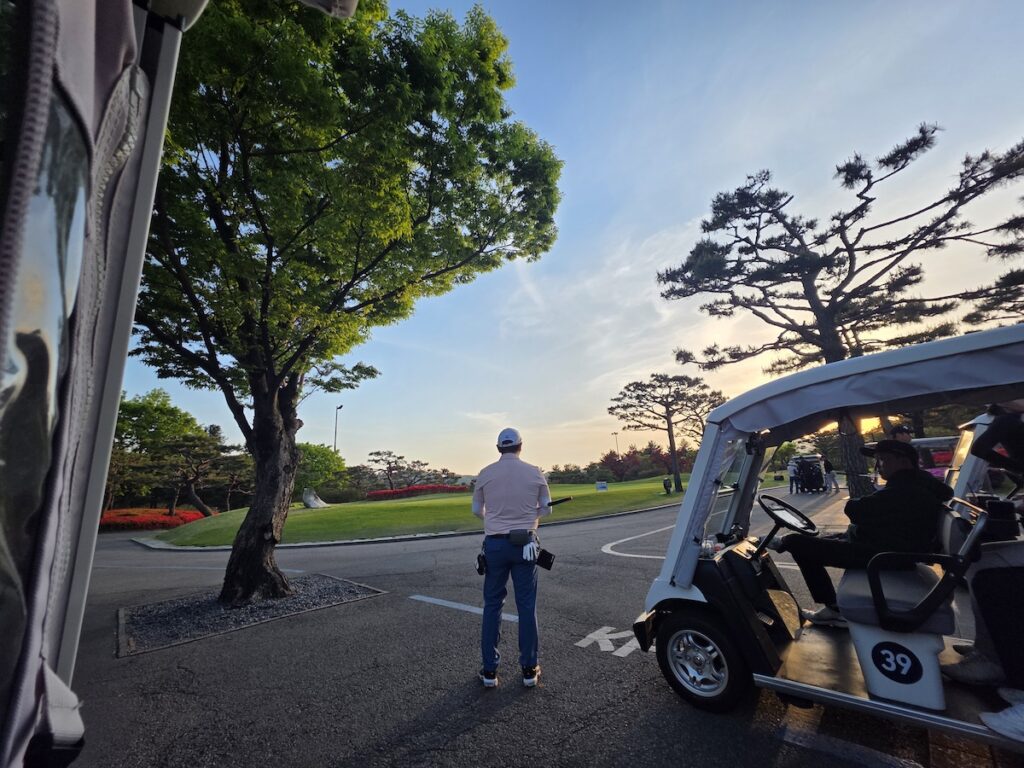
I remember my first experience near the Gyeonggi-do area. I was still adjusting my glove when the caddie—dressed in a full sun-shielding visor and matching uniform—politely gave me the “nod.” That nod meant it was exactly 7:05 AM, and my ball needed to be in the air. If you’re planning to play here, you’ll quickly learn that the “pali-pali” (hurry-hurry) culture is alive and well on the greens, but once you get into the rhythm, it’s surprisingly addictive.
Understanding the Structure of South Korea Golf Prices
When I first looked at a booking site, I was confused by why the “Green Fee” seemed so lonely. In Korea, the price you see on the front page is almost never the total price you pay. The billing is split into three distinct categories: the Green Fee, the Cart Fee, and the Caddie Fee.
The Green Fee covers your grass time and varies wildly depending on the day and season. On a weekday morning, you might find spots for 170,000 KRW, but prime weekend times at popular courses like Konjiam or SKY72 can easily soar to 300,000 KRW or more. Then there is the Cart Fee—usually around 100,000 to 120,000 KRW per team—and the Caddie Fee, which is typically 150,000 KRW. The catch? You pay the caddie fee in cash, directly to the caddie, after the 18th hole.
Why the Caddie System is Mandatory
In the US or UK, a caddie is a luxury. In Korea, a caddie is your tactical commander. One caddie manages all four players in the group. They drive the cart, read the putts, clean your clubs, and—most importantly—keep the group perfectly on that 7-minute interval. While it sounds intense, it actually makes the game move faster and more smoothly than any round I’ve played in California or Florida.
Comparing the Experience: Korea vs. The West
| Feature | South Korea | Western Countries (US/UK) |
| Typical Tee Interval | 7–8 Minutes | 10–12 Minutes |
| Caddie System | 1 Caddie per 4 players (Standard) | Optional / Individual |
| Pace of Play | 4 – 4.5 hours (Strict) | 4.5 – 5.5 hours (Variable) |
| Average Total Cost | $250 – $450 USD | $60 – $180 USD |
| The “Turn” (9th Hole) | 20-min sit-down meal | Quick snack or hot dog |
How to Save Money on Your Round
If you are looking to lower your South Korea golf prices, there are a few “local hacks” I discovered. Almost every golf course in Korea offers a 10,000 KRW to 20,000 KRW discount if you register as a member on their official website before you arrive. It’s a simple “digital membership” that takes two minutes to set up but pays for your post-round coffee.
Another game-changer is the “Join” system. If you’re traveling solo or as a duo, you don’t need to find a full foursome. Apps like Golfmon or Kakao Golf Reservation allow you to search for groups that are missing a third or fourth player. It’s a fantastic way to meet locals; I once ended up playing with a retired Samsung executive who gave me better swing tips than my actual coach.
Seasonality and “No-Caddie” Trends
South Korea has four very distinct seasons, and the prices reflect them perfectly. May and October are the “Golden Months” with the highest demand and prices. However, if you can brave the humidity of August or the crisp cold of February, you can find significant discounts—sometimes up to 40% off the peak rates.
Recently, “No-Caddie” (노캐디) courses have started popping up to attract younger golfers and budget-conscious travelers. These allow you to drive the cart yourself and manage your own clubs, saving you that 150,000 KRW caddie fee.
Helpful Insights for First-Time Visitors
The most important thing to remember is the etiquette at the “turn.” Between the 9th and 10th holes, you don’t just grab a hot dog. You sit down in the clubhouse restaurant for about 20 minutes to share a plate of pajeon (seafood pancake) or sundae (blood sausage) with your group. It’s a social ritual that even celebrities and K-pop stars like BTS’s V or actor Hyun Bin—both known golf enthusiasts—participate in when they hit the links.
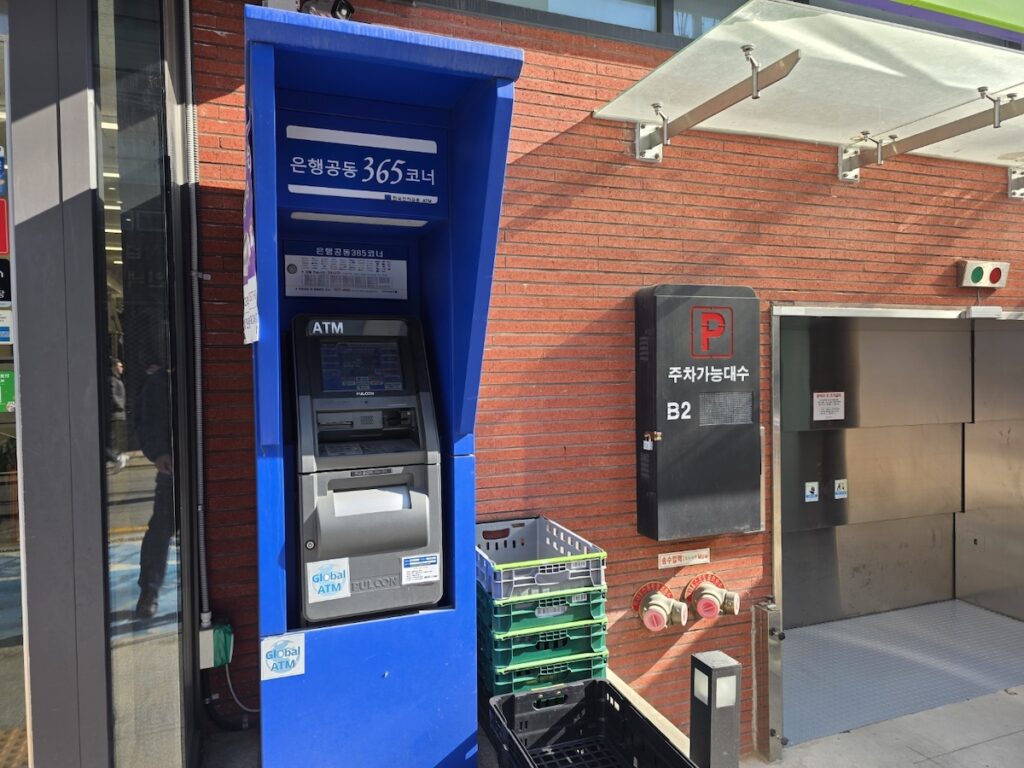
Also, be sure to carry some physical cash. While you can pay for your green fee and cart with a credit card at the front desk, the caddie fee is strictly cash-only. I made the mistake of forgetting this once and had to scramble for an ATM at the clubhouse—don’t be that person.
Conclusion
Playing a round of golf in Korea is a high-speed, high-service experience that feels like a premium version of the sport. While the cost is higher than what you might find at your local municipal course back home, the sheer quality of the facilities and the efficiency of the system make it worth trying. By using booking apps to find “joins” and signing up for website memberships, you can navigate the costs and enjoy a side of Korean culture that is both traditional and modern. If you want to see how Korea blends sports with social ritual and military-grade efficiency, the golf course is exactly where you need to be.