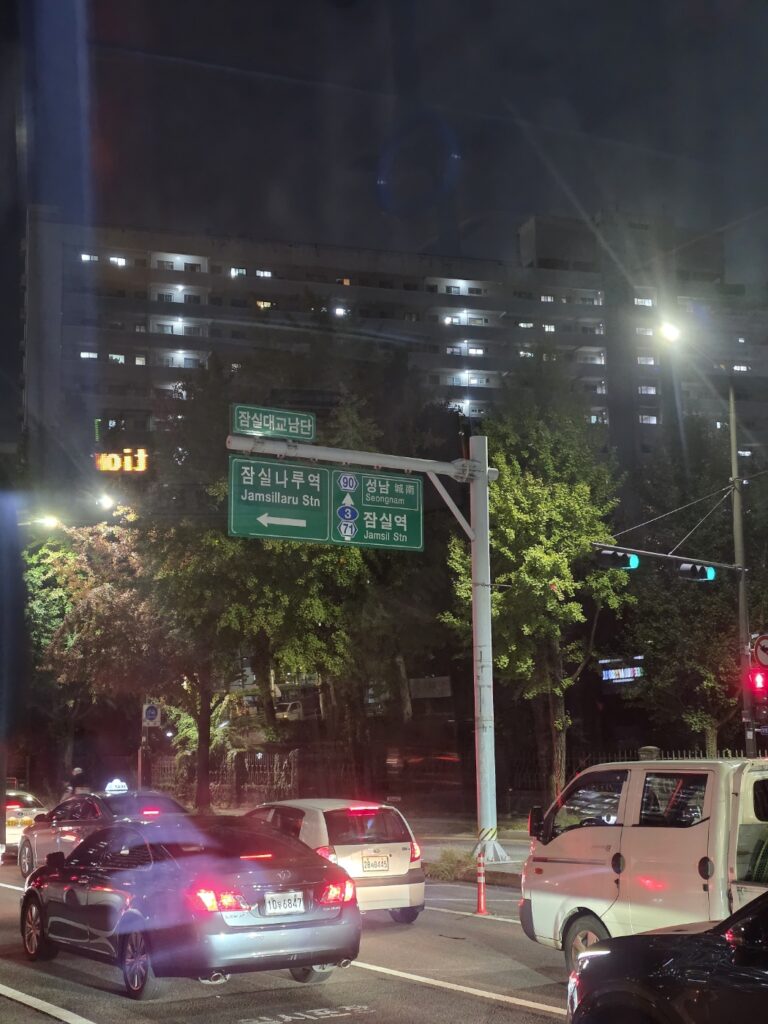
1. Introduction: Stepping Off the ‘Ppalli-Ppalli’ Treadmill
South Korea moves fast. Its energy is infectious, driven by the relentless ‘Ppalli-Ppalli’ (Hurry-hurry) culture that built a nation. But where do Koreans go when they need to hit the pause button? Hidden just outside the chaotic rush of Seoul lies a quiet sanctuary: Sujongsa Temple (수종사).
Perched halfway up Ungilsan Mountain in Namyangju, Sujongsa is more than just a millennium-old Buddhist site. It is a destination for the soul—a place where the noise of the city is replaced by the gentle rustle of wind, and the reward is arguably the most spectacular view of the Han River (한강) available near the capital. If you seek genuine Korean healing and cultural insight beyond the tourist path, this is where your journey begins.
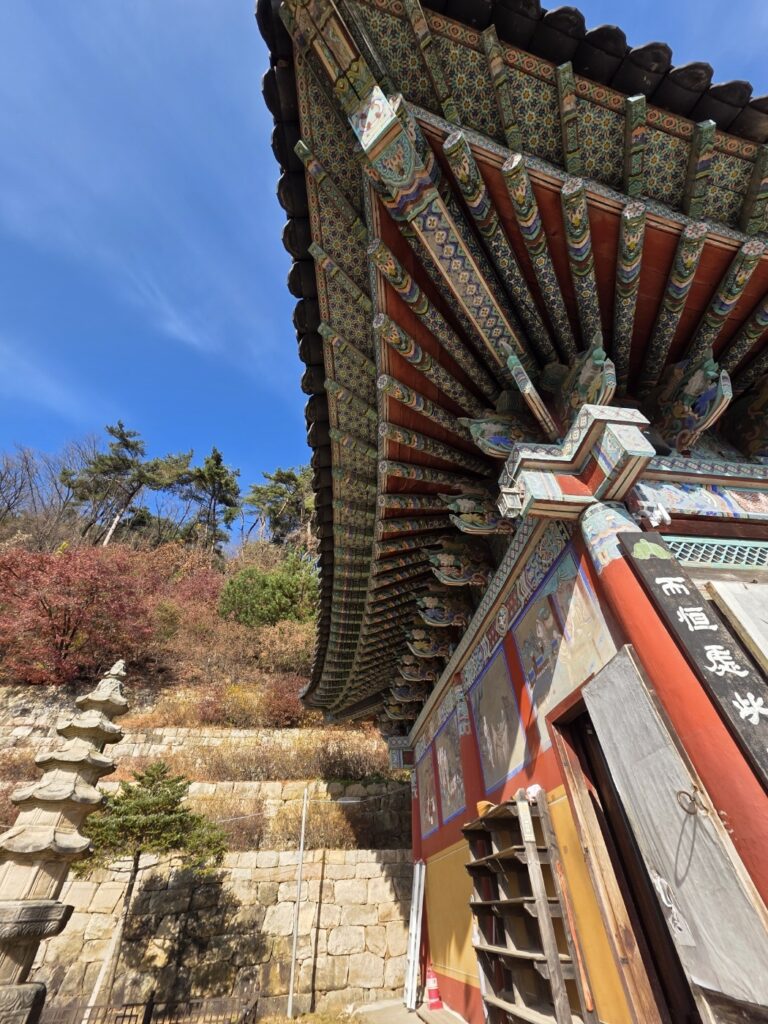
2. A Thousand Years of Serenity: Introducing Sujongsa Temple
Sujongsa Temple, whose name means “Temple of the Water Bell,” is one of Korea’s most historically significant yet lesser-known temples. Legend says the temple was first established over a thousand years ago, but it gained prominence in the 15th century thanks to King Sejo (조선 세조) of the Joseon Dynasty.
The Royal Connection and the Water Bell
The story goes that while King Sejo was recovering from an illness, he stopped near the mountain and heard a mysterious bell sound coming from a nearby cave. Upon investigating, he found a clear spring and a statue of the Bodhisattva. Inspired by this divine sign, he ordered a temple to be built here, dedicating it to the “Water Bell.”
Today, the temple is famed for two major reasons: its unrivaled panoramic view and its deeply embedded tea culture.
3. The Backdrop: Ungilsan Mountain’s Gentle Embrace
Sujongsa isn’t just floating in the air—it’s anchored firmly to Ungilsan Mountain (운길산, 610m). This peak, nestled in the scenic boundary of Namyangju, plays a crucial role in framing the temple’s unique cultural and visual appeal. While many tourists focus on Korea’s rugged, famous national parks, Ungilsan offers something different: a perfect blend of accessibility, spiritual depth, and stunning riverine landscapes.
A Geographical and Historical Anchor
Ungilsan is significant not because of its height—at 610 meters, it is a modest climb—but because of its strategic geographical position. The mountain overlooks the confluence of the Bukhangang (North Han River) and Namhangang (South Han River), an area known locally as Dumulmeori (두물머리).
- The Power of the Confluence: This meeting point is not only visually spectacular but holds symbolic importance in Korean culture, representing the harmony and flow of life. Sujongsa Temple, by its placement, is therefore not just a mountain temple, but a guardian of the Two Rivers. The views from the temple often encompass vast stretches of water, which is a rare and highly sought-after vista in Korean mountain temples.
- The Seoul Buffer: Historically, Ungilsan served as a natural barrier and observation point for the capital city. Today, it functions as a natural “buffer zone,” offering instant respite from the urban pressures of the massive Seoul Metropolitan Area. It is close enough for a morning trip, yet feels worlds away.
The Hiking Experience: Accessible Paths to Spiritual Views
For travelers interested in a genuine, yet manageable, Korean hiking experience, Ungilsan provides excellent options. The trails are generally well-marked and maintained, making them suitable for most fitness levels.
- The Temple Route (Direct Path): The most popular path ascends directly from Ungilsan Station towards the temple. While it is steadily uphill, it offers shade and clear signage. This path is generally considered a moderate walk rather than an arduous climb. It is the quickest way to access the spiritual rewards of Sujongsa.
- The Summit Challenge: For those desiring a full hiking experience, a further hour or so beyond Sujongsa will take you to the Ungilsan Peak. From the summit, the river views expand even further, rewarding hikers with a true 360-degree panorama of the surrounding mountains and waterways.
The great advantage of hiking Ungilsan is the constant reward: the anticipation of the view from Sujongsa motivates every step. Unlike climbs where the view is reserved only for the top, here, the spiritual and visual centerpiece awaits you halfway up, providing a unique and highly satisfying journey. The entire experience encapsulates the Korean spirit of finding profound beauty within reach.
4. The Path to Peace: How to Get to Sujongsa
One of the great appeals of Sujongsa is its surprising ease of access via Seoul’s public transportation network, making it an ideal solo day trip.
Getting There by Public Transit
- Take the Gyeongui-Jungang Line (경의중앙선): Board the line heading towards Yangpyeong/Yongmun and get off at Ungilsan Station (운길산역).
- From the Station:
- Taxi: This is the quickest and easiest option. Taxis are usually waiting outside the station. The ride up to the temple’s parking lot takes about 10–15 minutes.
- Hike: For those feeling energetic, the hike from the station up to the temple takes roughly 1.5 to 2 hours. It’s a beautiful, well-maintained trail, but it is uphill!
Local Tip: While the temple complex is well-maintained, the final stretch of the road up to the main parking area can be steep and narrow. Drive or take a taxi carefully.
5. The Temple Through the Seasons: Capturing the Best Moments
Sujongsa holds a unique charm in every season, but certain times of the year offer visually spectacular experiences.
- Spring & Summer (New Growth & Mist): The air is fresh and the surrounding mountains are vibrant green. This is the best season for seeing the famous Un-Hae. If conditions are right (cool, clear morning following a rainy night), you may witness the ‘Sea of Clouds’ (운해) filling the valleys below the temple, making the landscape look like an ethereal ink painting.
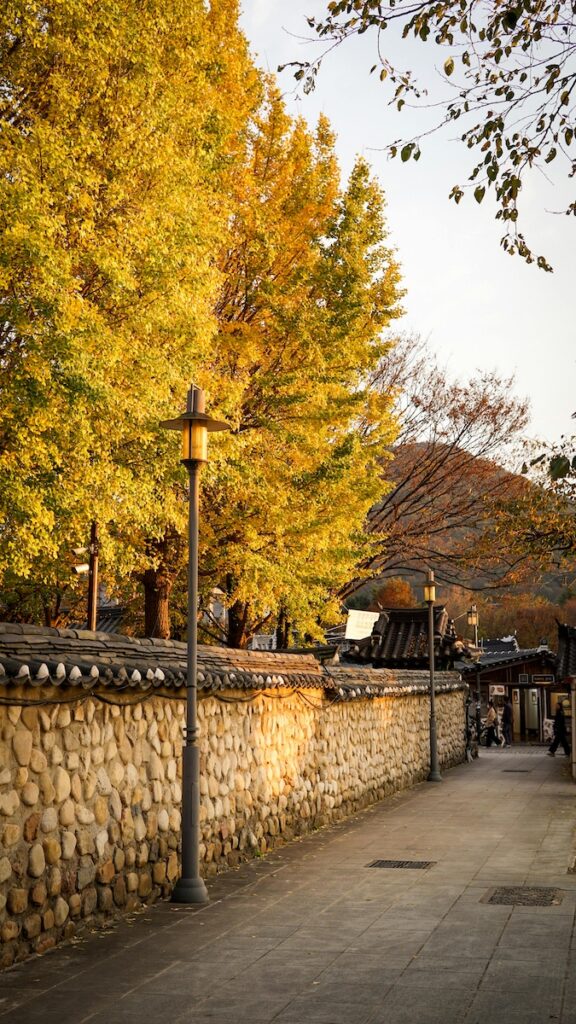
- Autumn (The Golden Canvas): The mountain slopes explode in crimson and gold foliage. The rich colors provide a breathtaking contrast against the deep blue of the Han River below. This is arguably the most popular time for photographers.
- Winter (Zen Silence): When the snow falls, Sujongsa becomes an ultimate haven for meditation. The snow-covered giwa (traditional roof tiles) and the silence create a powerful, Zen-like atmosphere, perfect for quiet contemplation.
6. The Sentinel of Time: Sujongsa’s Ancient Ginkgo Tree
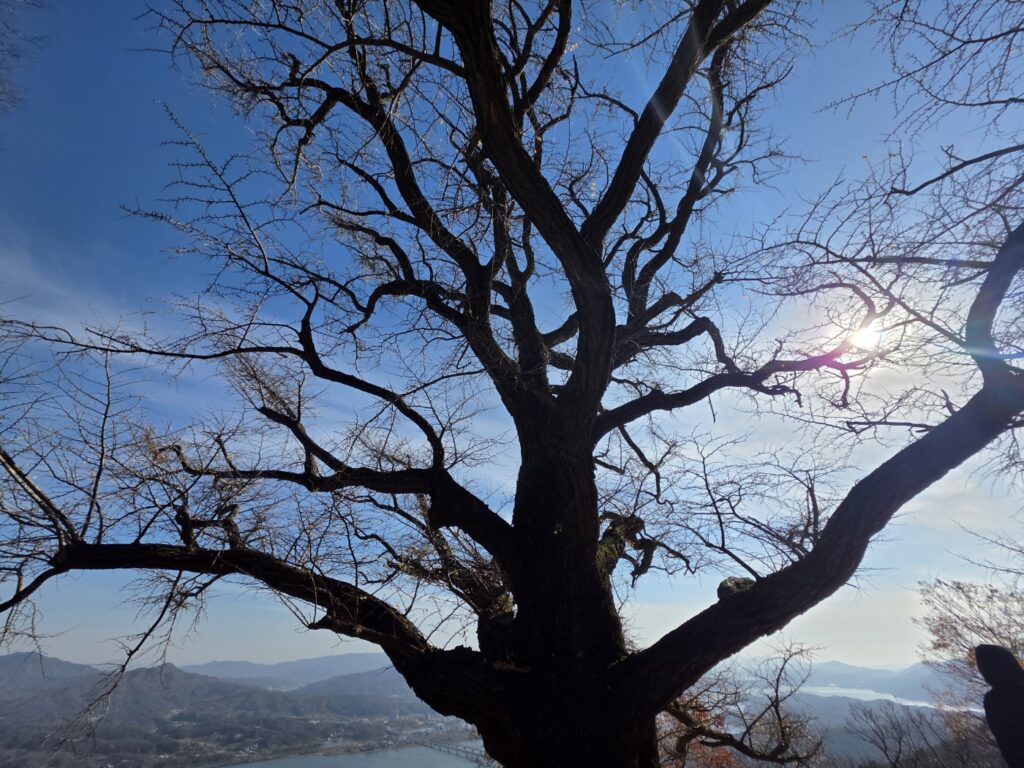
A majestic symbol of the temple’s age and resilience stands proudly in the courtyard: the Sujongsa Ginkgo Tree (수종사 은행나무). This massive, venerable tree is not just a part of the landscape; it is a living historical monument and a spiritual anchor for the entire site.
A Natural Monument and Historical Witness
Estimated to be over 500 years old, this giant Ginkgo is one of Korea’s most important natural assets, officially designated a Natural Monument. Its sheer size and age link the viewer directly to the deep history of the mountain and the temple.
- The Legend of Sejo: The ginkgo is often associated with the temple’s key historical figure, King Sejo. While it may not have been planted by the King himself, its centuries-long presence has witnessed much of the temple’s history, standing silent guard through dynastic changes, wars, and restorations. It serves as a powerful, enduring symbol of the continuity of Korean Buddhist culture.
The Golden Spectacle: An Autumn Photography Hotspot
While Sujongsa’s view is breathtaking year-round, the ancient Ginkgo creates an annual spectacle that draws photographers and nature lovers from across the country.
- The Timing: Usually in late October to early November, the leaves turn a brilliant, uniform, fiery yellow, creating a magnificent contrast with the temple’s gray stone and the blue backdrop of the river valley.
- The Light: The tree is strategically positioned to catch the morning sun, making the courtyard appear as if it is showering in gold. This lighting effect is highly sought after by photographers seeking to capture the ultimate ‘Zen’ autumn mood.
The Cultural Significance
In Korean tradition, the Ginkgo tree holds deep meaning. It symbolizes longevity, resilience, and hope. At Sujongsa, the tree’s massive canopy offers cool shade in the summer, shelter in the winter, and a profound sense of stability year-round. It reminds visitors that true peace, like the tree itself, is achieved through silent endurance and connection to a long, unbroken tradition. To stand beneath its sprawling branches is to feel a tangible connection to the past, grounding the modern visitor in the temple’s centuries of serenity.
7. Temple Etiquette: Respecting Korean Sanctuary Culture
Korean Buddhist temples are not merely historical sites; they are living, active places of worship and spiritual practice for millions. Visiting Sujongsa is a privilege—an invitation into a deep, centuries-old spiritual space. By understanding and honoring the basic etiquette, foreign visitors demonstrate respect, enrich their own experience, and gain a deeper insight into the local culture.
1. Dress and Demeanor: Before Entering the Premises
- Modest Attire: While temples generally do not enforce strict dress codes, modesty is essential. Avoid overtly revealing clothing (such as tank tops, short shorts, or mini-skirts), especially when visiting the main prayer halls. Dressing respectfully is a silent gesture of honor toward the space and its practitioners.
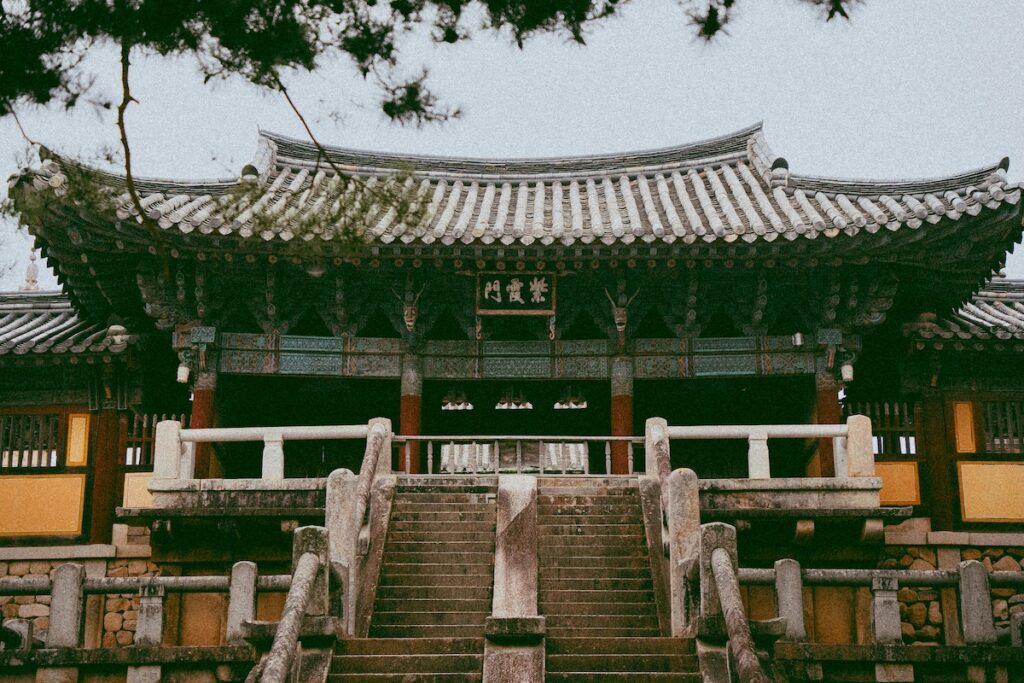
- The Threshold Rule: When entering the main prayer halls (like the Daeungjeon), you must remove your shoes and leave them outside. Critically, the high wooden threshold at the entrance is a symbolic boundary separating the secular world from the realm of the Buddha. Do not step on the threshold—step over it.
2. Etiquette Inside the Halls: Sacred Space
- The Center Aisle (Forbidden Path): Inside the main halls, the central aisle is reserved exclusively for the Buddha and the residing Monks. Visitors should always walk and stand along the side aisles, leaving the center path clear. Moving or lingering in the middle lane is considered a serious breach of etiquette.
- Silence and Photography:
- Photography is strictly forbidden for the Buddha statues inside the halls. These statues are objects of profound faith, not merely art pieces.
- Maintain absolute silence inside the halls. Refrain from using cell phones, talking loudly, or taking photos during service or meditation times.
3. Interacting with Monks and Fellow Visitors
- Greeting Monks: If you encounter a Monk, it is courteous to offer a slight bow with your head or perform a Hapjang (합장)—placing your hands together, palm-to-palm, at chest level. Pointing at a Monk or calling out loudly to them is considered highly disrespectful. If you need to speak to them, approach quietly and respectfully.
- Respecting Privacy: Be mindful that many visitors are present for personal prayer, contemplation, or memorial services. Do not interrupt their acts of devotion, stare, or stand too close while they are kneeling or bowing.
- Public Affection and Noise: Temples are shared spaces for spiritual practice. Avoid excessive public displays of affection (PDA) or loud conversations, which can disturb the tranquil atmosphere cultivated by the monks and other visitors.
4. Time, Sounds, and Movement
- The Temple Bells: Do not be alarmed by the loud sounds of the temple instruments—the great Bell (종), Drum (법고), and Wooden Fish (목어)—which are rung during morning and evening ceremonies. These sounds are a crucial part of the monastic life and practice. When these instruments are being played, you should pause your activity and quietly appreciate the significance of the moment.
- Visiting Hours: While the grounds are often open, respect the general visiting hours (usually ending around sunset). Avoid visiting late in the evening or extremely early in the morning unless you are participating in a dedicated temple stay program, as these times are reserved for the monks’ deep private practice.
- Food and Drink: Eating is generally restricted to designated areas, such as the Gongyanggan (temple kitchen/dining hall) or specific resting spots. Do not consume food or drinks in the main courtyards or near the altars.
These courtesies are not merely rules; they are the fundamental expressions of respect for the history, the faith, and the people who maintain this thousand-year-old sanctuary. By adhering to this unspoken contract, your experience at Sujongsa will be much more profound and meaningful.
8. Sujongsa’s Unique Allure: Tea, View, and Tranquility
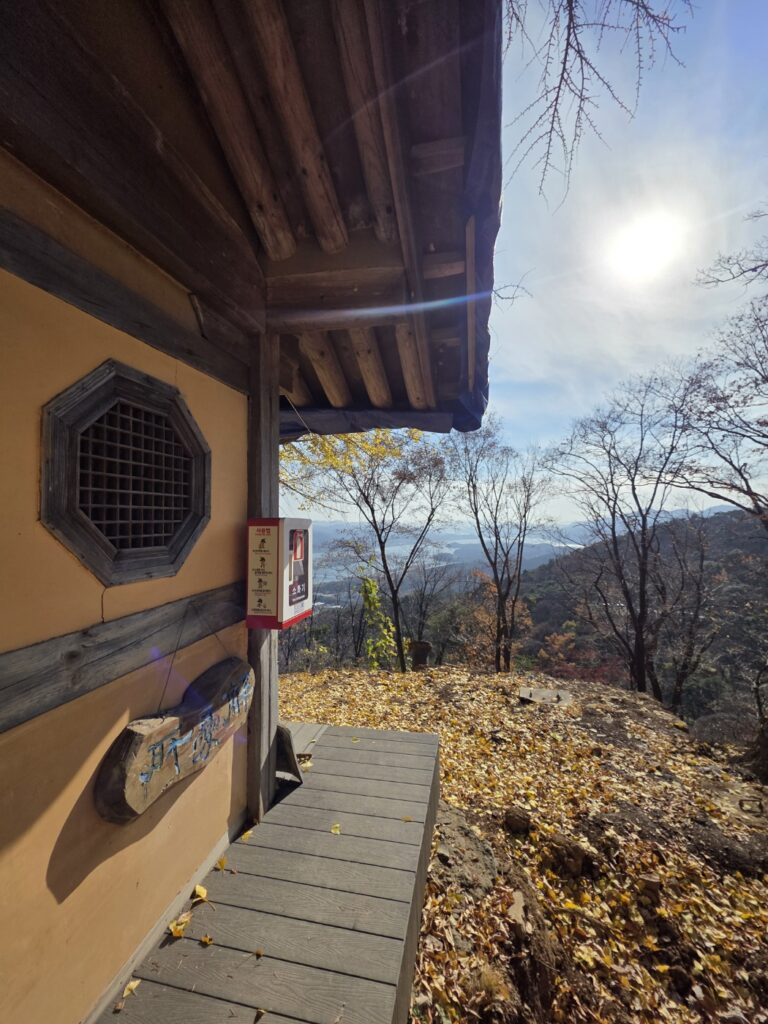
The temple is famous for providing free, simple temple tea (차, Cha) to visitors in a dedicated viewing area, which often features large windows overlooking the river.
This culture of tea and view epitomizes Sujongsa’s charm:
- Meditation, Not Tourism: You’re encouraged to sit, warm your hands on the cup, and simply gaze at the horizon. It’s a mandatory pause, a moment of unhurried existence that is rare in modern life.
- Connecting with Nature: The experience links the senses—the warmth of the tea, the cool mountain air, and the panoramic sight of the majestic river—into one unifying moment of peace.
9. More Than Religion: Why Koreans Seek Out the Sanctuary
To an outsider, it may seem curious that non-religious Koreans or those of other faiths frequently visit Buddhist temples. This speaks volumes about the Korean psyche:
Koreans often visit temples not just for religious piety, but as a place to hit the cultural reset button.
- The Escape Valve: In a high-pressure society, the temple serves as an ‘escape valve’—a place where the demands of the hyper-competitive world are suspended. It’s a space for ‘Gong-bu-ui Jung-dan’ (공부의 중단, “stopping the study/work”) without guilt.
- Seeking Jeong (정): It provides comfort, quiet reflection, and a deep sense of ‘Jeong’—a uniquely Korean feeling of belonging and spiritual connection—to the land and tradition.
Foreign visitor, you should go. Sujongsa offers you the opportunity to share this essential Korean experience: a moment of collective quietude, breathing in the mountain air, and understanding the profound need for stillness in a nation defined by its speed. Go, sit, drink the tea, and watch the clouds drift over the Han River. You’ll understand Korea a little better.