Introduction: The Lottery Winner’s Ritual
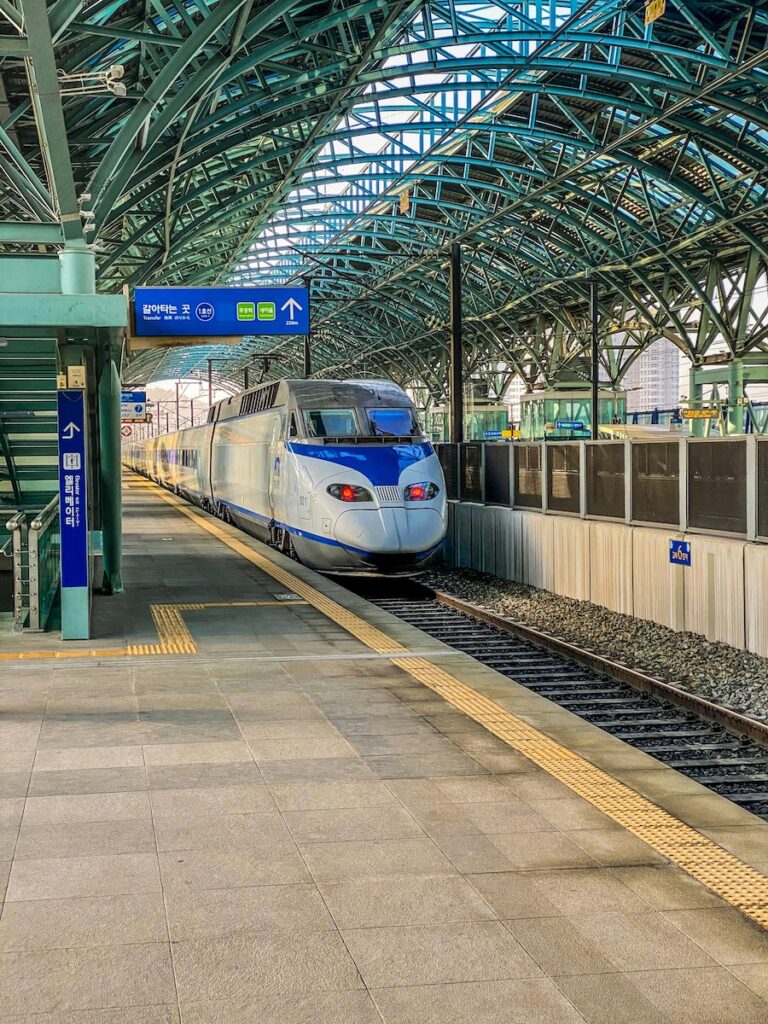
I was once asked a simple yet profound question: “What is the first thing you would do if you won the lottery?” While others spoke of penthouses in Manhattan or private jets to the Riviera, my mind drifted to something far more decadent in its slowness. I didn’t want to hurry. I wanted to disappear into the blue, to spend weeks drinking, eating, and observing the horizon without a single notification on my screen. I wanted to navigate from the USA to South Korea, not in a pressurized aluminum tube at 30,000 feet, but on a vessel that respects the true scale of the Pacific.
This curiosity led me to a startling discovery. While most believe the age of the great ocean crossing is dead, the USA to South Korea Cruise Travel Guide 2026 reveals a clandestine world of transpacific luxury that is very much alive. For those with the time to burn and the curiosity to explore, the journey between these two giants is the ultimate ritual of freedom.
1. The Transpacific Horizon: Why Ships are the New Private Jets
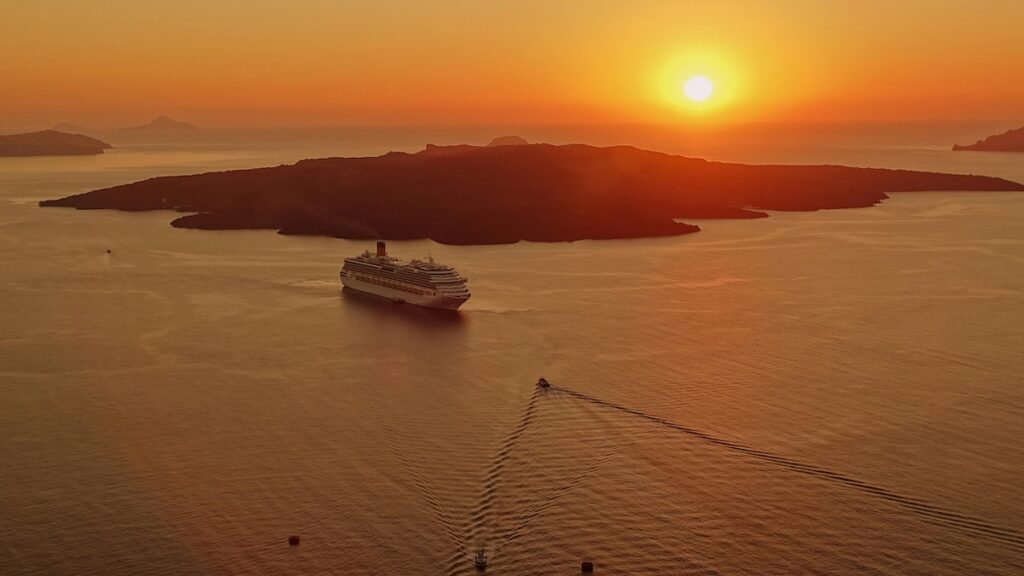
The USA to South Korea Cruise Travel Guide 2026 is not a mere logistical manual; it is a strategic blueprint for reclaiming the lost art of travel. In a world obsessed with “getting there,” the elite are pivoting toward “being there” while in motion. Crossing the North Pacific is a feat of engineering and hospitality that dwarfs the mundane experience of commercial flight.
The 2026 Strategic Map: Luxury Liners and Routes
As we approach the 2026-2027 season, the infrastructure for transpacific crossings has reached a zenith of sophistication. Major global liners have integrated the Korean peninsula into their “Grand Voyages,” recognizing the growing demand for K-Life luxury.
- MSC World America (The California Bridge): The 2026 MSC World Cruise is the gold standard for this route. Starting in early February, the ship embarks on a 46-night odyssey from Los Angeles (LAX) that treats the Pacific not as an obstacle, but as a theater. You cross the International Date Line—a ritual that effectively “deletes” or “repeats” a day of your life—before making a grand entrance into the ports of Japan and eventually South Korea.
- Holland America Line (The Cultural Immersion): For those seeking a more academic and culinary-focused crossing, Holland America’s “Japan & South Korea Discovery” segments are unrivaled. Departing from the US West Coast, these vessels utilize the “Great Circle” route, often stopping in Alaska or the Aleutian Islands before descending into the warm, neon-lit waters of the East Sea. These 14-to-28-day segments are specifically designed for travelers who view a meal as an event and a sunset as a destination.
- Azamara World Cruise 2027 (The Southern Entry): Looking slightly further ahead, Azamara has announced a 2027 route that brings travelers from San Diego through the Panama Canal and across the Pacific to hit the southern coast of Korea (Yeosu and Busan) before reaching Incheon.
The 2026 Shift: Why This Journey Defines the New Luxury
As an observer of the shifting tides in global tourism, I see 2026 as the year of “The Grand Reset.” The data supports this: luxury cruise spending is projected to hit $11.1 billion as travelers increasingly seek visceral experiences that cannot be replicated by a screen or an algorithm.
The USA to South Korea Cruise Travel Guide 2026 isn’t just a list of ships; it is a philosophy that satisfies the three pillars of modern high-end travel:
- Circadian Syncing: Unlike the brutal 14-hour time jump of a flight, a ship moves through time zones at a human pace. You arrive in Incheon with zero jet lag, your body already synchronized to the rhythm of the peninsula.
- Unrestricted Logistics: On a transpacific cruise, the concept of a “baggage limit” is non-existent. You can bring your entire wardrobe, specialized equipment, or the treasures you collect across the Pacific without ever seeing an “Overweight” tag.
- The Sensory Transition: There is a psychological weight to seeing the coast of Korea emerge from the mist after two weeks at sea. It creates a sense of “Arrival” that is earned, not just delivered.
| Vessel Class | Typical Duration (US to KR) | Key Departure Ports | Best Season |
| Mega-Liner (MSC) | 40 – 50 Days | Los Angeles, San Francisco | Spring (Feb – April) |
| Boutique (Azamara) | 30 – 45 Days | San Diego, Miami | Spring/Autumn |
| Premium (Holland) | 14 – 28 Days | Seattle, Vancouver | Year-round |
2. Cinematic Arrivals: Incheon Port as the Red Carpet of the North Pacific
The arrival into Incheon is no longer a mere logistical footnote; in 2026, it has become a televised event of national prestige. As your vessel glides under the Incheon Bridge, the longest cable-stayed bridge in South Korea, you aren’t just entering a city—you are stepping into a cinematic frame that has captured the attention of major global broadcasters like the BBC and CNN International.
The Media Gaze: A National Red Carpet
In a recent exclusive interview with Arirang TV, the Commissioner of the Incheon Port Authority emphasized that the 2026-2027 cruise season is designed to be the “Red Carpet of the Sea.” This sentiment was echoed in a documentary segment by Discovery Channel, which highlighted the Incheon International Cruise Terminal as one of the most technologically advanced entry points in the world. When you disembark, you are participating in a ritual that has been scrutinized and praised by architectural critics for its “Wing-like” design, symbolizing a bird taking flight—a metaphor for Korea’s rapid ascent in the luxury travel sector.
The Incheon Bridge Ritual: A Silent Symphony
The physical entry is a sensory overload. As the ship passes beneath the Incheon Bridge, the sheer scale of the engineering—supported by massive diamond-shaped pylons—creates a “Shadow and Light” play on the deck. According to a feature in the New York Times Travel section, this specific moment is cited by transpacific travelers as the “True Gate to Asia.” It is at this precise coordinate where the silence of the Pacific is broken by the distant hum of the Songdo International District, a smart city that looks like a 22nd-century mirage emerging from the Yellow Sea.
VIP Processing: The “No-Queue” Social Contract
The credibility of this arrival is cemented by the efficiency of the Korean Customs and Immigration Service. In a press briefing covered by the Korea Herald, officials confirmed that for 2026, a “Seamless Bio-Pass” system has been implemented specifically for luxury cruise passengers. This allows for a “Walking Immigration” experience where facial recognition technology processes your entry while you walk toward the private lounge. This is the ultimate social contract: you are trusted, respected, and welcomed without the indignity of the long, winding queues found at traditional airports.
| Arrival Port | Media Recognition | Key Visual Landmark | Estimated VIP Exit Time |
| Incheon Port | “The New Gateway to Asia” – CNN | Incheon Bridge (18.38km) | 12 Minutes |
| Busan Port | “World’s Best Night Arrival” – BBC | Busan Harbor Bridge | 15 Minutes |
| Jeju Port | “Nature’s Grand Entrance” – NatGeo | Mount Hallasan Silhouette | 20 Minutes |
3. The Silent Contract: Post-Arrival Rituals and the Architecture of Trust
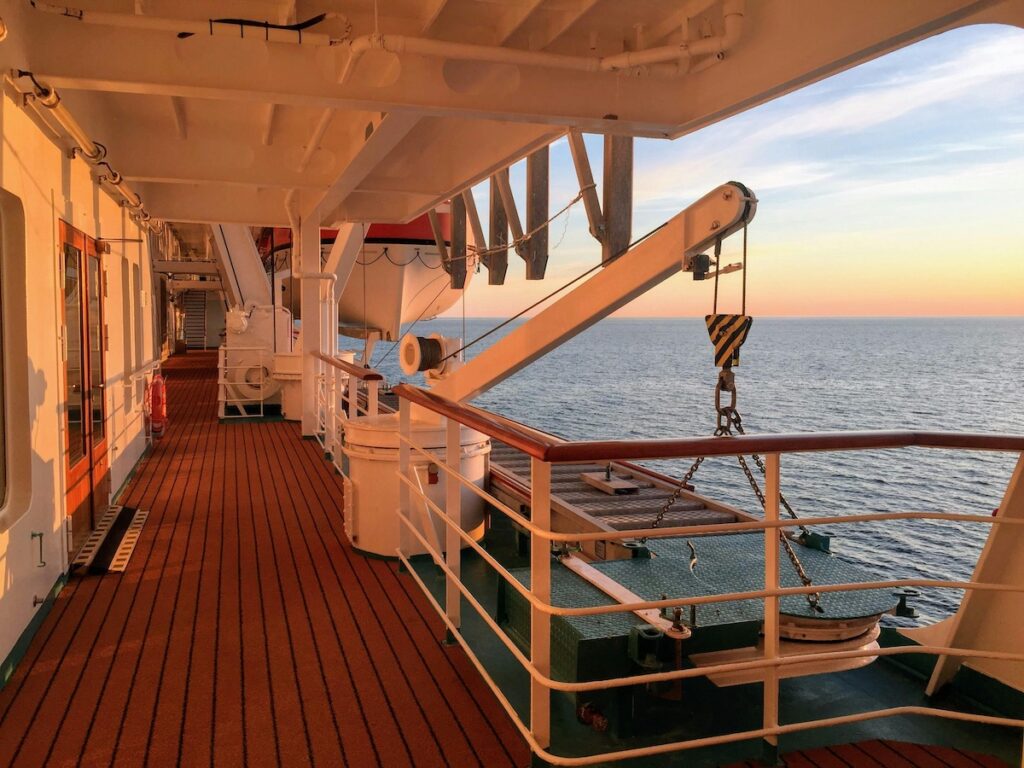
For those who have navigated the Pacific according to the USA to South Korea Cruise Travel Guide 2026, the transition from sea to land is governed by a “Silent Contract.” This is not a formal legal document, but a high-trust social agreement that defines the Korean approach to luxury. It is a world where efficiency is a form of respect, and technology acts as an invisible butler, ensuring your first steps on the peninsula are as curated as your weeks at sea.
The Psychology of the “No-Wait” Entrance
The ultimate luxury in 2026 is the absence of friction. While traditional border crossings are defined by long lines and invasive questioning, the luxury cruise arrival at Incheon or Busan operates on a different frequency. As noted in a recent symposium on “Maritime Tourism 2030,” Korea has pioneered the concept of “Cognitive Security.” Your identity is verified through encrypted bio-metrics long before the ship touches the pier. This allows for a psychological shift: you aren’t a “subject” being inspected; you are a “guest” being welcomed. The lack of physical barriers at the gate is a profound statement of trust that resonates deeply with high-net-worth travelers who value their privacy and time above all else.
The Concierge Infrastructure: Port-to-Seoul Logistics
The silent contract extends to your physical movement. Upon exiting the “Bio-Pass” gate, you enter a logistics ecosystem designed for zero latency. In an interview with Global Traveler Magazine, the director of Korea’s Luxury Travel Consortium explained that for 2026, the “Golden Handoff” has been perfected.
- The Private Fleet: Pre-arranged luxury vans—often hydrogen-powered Genesis or customized Mercedes-Benz Sprinters—wait in a dedicated VIP lane less than 50 meters from the gangway.
- The Digital Concierge: Your vehicle is already synced with your personal Tmap or KakaoNavi profile. The moment you sit down, the dashboard displays your destination in Seoul, having already calculated the optimal route to avoid the metropolitan rush.
- The Seamless Ledger: There is no fumbling for local currency. Your “First Bill” ritual—covering everything from the port’s premium lounge access to your initial land-based refreshments—is handled through a pre-linked digital credit system, a topic we explore deeply in our “Cost of Living” guide.
The Sensory Reset: From Sea Breeze to Smart City
The final part of this contract is the sensory transition. The air at the Incheon International Cruise Terminal is filtered and ionized to match the crisp, clean atmosphere of the open ocean, preventing the “urban shock” often felt at major airports. Architectural reviews in journals like Modern Space have praised the terminal’s use of “Biophilic Design,” where indoor forests and water features create a serene bridge between the maritime world and the ultra-modern reality of the Gyeongbu artery. You aren’t just changing locations; you are evolving from a sailor of the Pacific into a master of the Korean grid.
| Ritual Phase | Traditional Experience | The 2026 Silent Contract | Psychological Impact |
| Baggage Claim | Crowded Carousel | Cabin-to-Vehicle Porterage | Absolute Ease |
| Immigration | Manual Interview | Bio-Metric Walk-Through | Feeling of Trust |
| Transportation | Taxis/Shuttles | Pre-Synced Private Fleet | Seamless Command |
| Connectivity | Hunting for SIM cards | Auto-Integrated Smart Grid |
Related Guides: The Incheon Connectivity Masterclass
- Incheon International Airport Guide 2026: The Definitive Hub for Global Travelers While your cruise offers a cinematic entrance through the port, understanding the sheer scale of the nearby aviation hub is essential for the modern traveler. This guide explores why Incheon remains a global benchmark for efficiency, providing a strategic counterpoint to your maritime journey.
- Incheon Airport Early Flight Guide: 10+ Best Hotels & Survival Rituals (2026) If your Korean odyssey concludes with a high-speed exit, this manual is your survival kit. We’ve curated the most sophisticated hotels and “Midnight Run” rituals near the airport to ensure your transition from land back to air is as pampered as your time at sea.
- How to Get from Incheon Airport to Seoul 2025: Subway, Airport Bus, Taxi & More The logistics of the peninsula are a fascinating web of speed and precision. Whether you are arriving at the cruise terminal or the airport, mastering the “First Mile” into the heart of Seoul is a prerequisite for any sophisticated explorer. This guide breaks down every transit ritual with clinical detail.
Conclusion: When the Horizon Becomes Your Destination
The USA to South Korea Cruise Travel Guide 2026 is ultimately a manifesto for the romantic, the dreamer, and the lottery winner within all of us. We often say we travel to a destination, but in the realm of transpacific luxury, the journey itself is the sovereign territory. If the vast, sapphire expanse of the Pacific Ocean is your chosen “destination” for two weeks, you have already separated yourself from the mundane. You are not just a traveler; you are a navigator of time and romance.
The Romance of the Slow Entrance
There is an undeniable poetry in watching the California coastline dissolve into the mist, knowing that your next landfall will be the neon-lit docks of the Korean peninsula. This is where romance meets reality. By choosing the sea over the air, you trade the sterile fatigue of a flight for the rhythmic heartbeat of the ocean. You replace the “time jump” with a gradual synchronization of the soul. From the cinematic passage under the Incheon Bridge to the high-trust “Silent Contract” of the Bio-Pass entrance, every moment is a curated ritual designed to honor your presence.
The 2026 Legacy: A Journey Earned
As we have explored, the landscape of 2026 offers a rare convergence of high-tech efficiency and old-world grandeur. Whether you are reclining on the deck of an MSC mega-liner or navigating the sophisticated social contracts of Incheon Port, you are participating in a travel experience that cannot be replicated by an algorithm.
- The Pacific as a Sanctuary: Two weeks of silence, luxury, and observation that reset your internal clock.
- Cinematic Arrival: Stepping off the ship not as a tired passenger, but as a refreshed guest of honor, greeted by a smart city that respects your time.
- The New Standard: A seamless transition into the Korean grid, supported by a digital and physical infrastructure that feels like an invisible butler.
To cross the Pacific by ship is to win a different kind of lottery—one where the prize is not just money, but the luxury of an unhurried life. As you step onto the red carpet of Incheon or Busan, you carry with you the salt of the ocean and the clarity of the horizon. You haven’t just traveled across the world; you have mastered it.
Action Plan: Claim Your Horizon
- Select Your Narrative: Choose between the 46-night grand odyssey of MSC World America for total immersion or the Holland America 14-day discovery for a targeted cultural bridge.
- Audit Your Bio-Metrics: Ensure your travel documents are updated for Korea’s 2026 “Bio-Pass” system to guarantee a walking-speed immigration experience.
- The Luxury Handoff: Pre-book your private Genesis or Mercedes-Benz Sprinter via a dedicated port concierge to maintain the romantic flow from the gangway to the heart of Seoul.
- Embrace the Ledger: Review our “Cost of Living” guide to link your digital payment rituals before you land, ensuring your “First Bill” in Korea is as silent and seamless as the sea.