[Introduction: Standing in the Middle of the Han River]
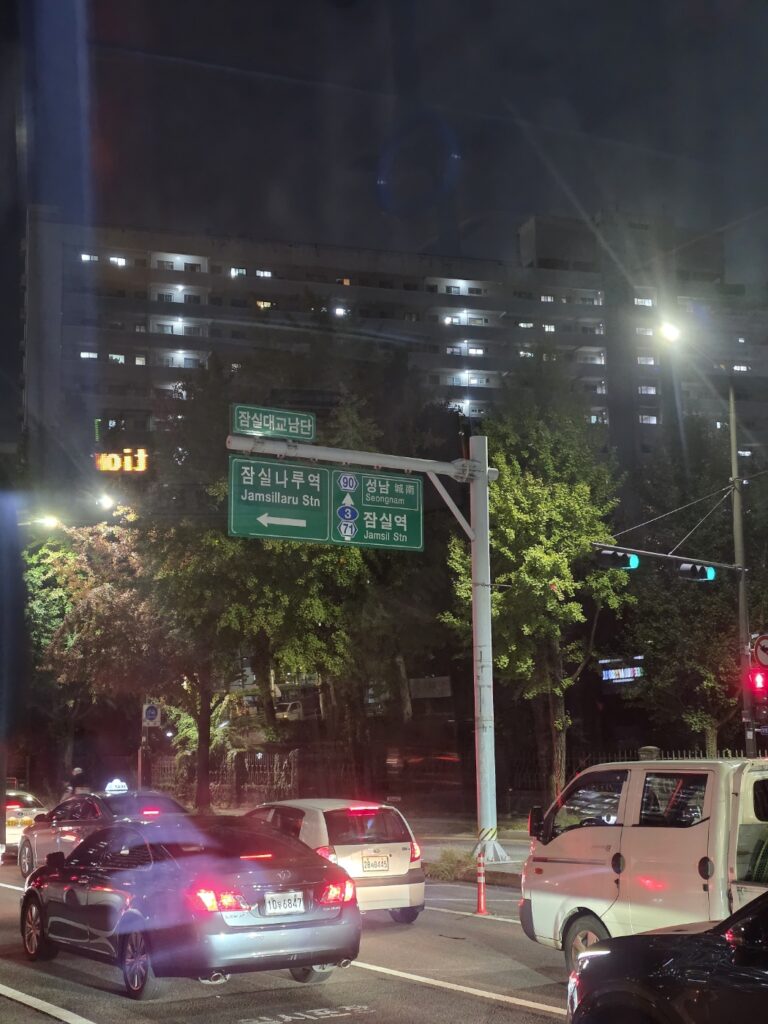
Walking Across Jamsil Bridge was my choice on a cold January evening in Seoul. It was a cold January evening, and the sky began to shed thick, white snowflakes over Seoul. While most people hurried into the warmth of the subway, I decided to do something different: I walked across Jamsil Bridge.
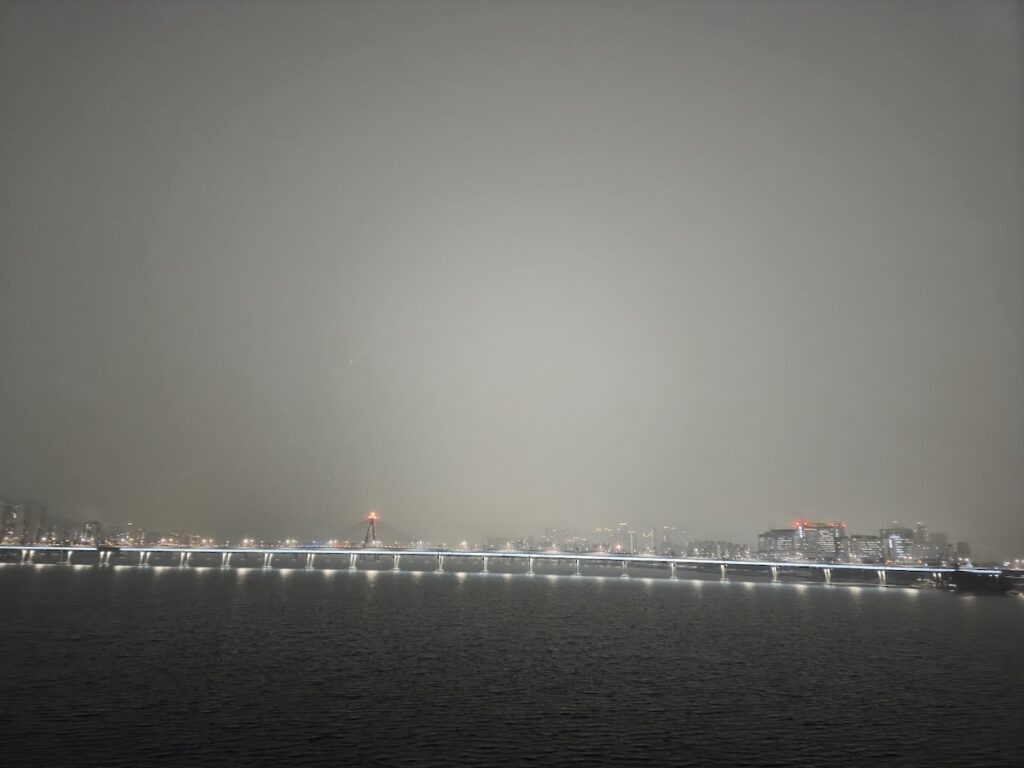
As I trudged through the settling snow, I encountered a young foreign couple standing near the railing. They were gazing toward the Cheongdam Bridge, mesmerized by the city lights flickering through the winter mist. They told me they were staying at the Lotte Hotel Jamsil and found the bridge to be a perfect, manageable walking distance for a scenic stroll.
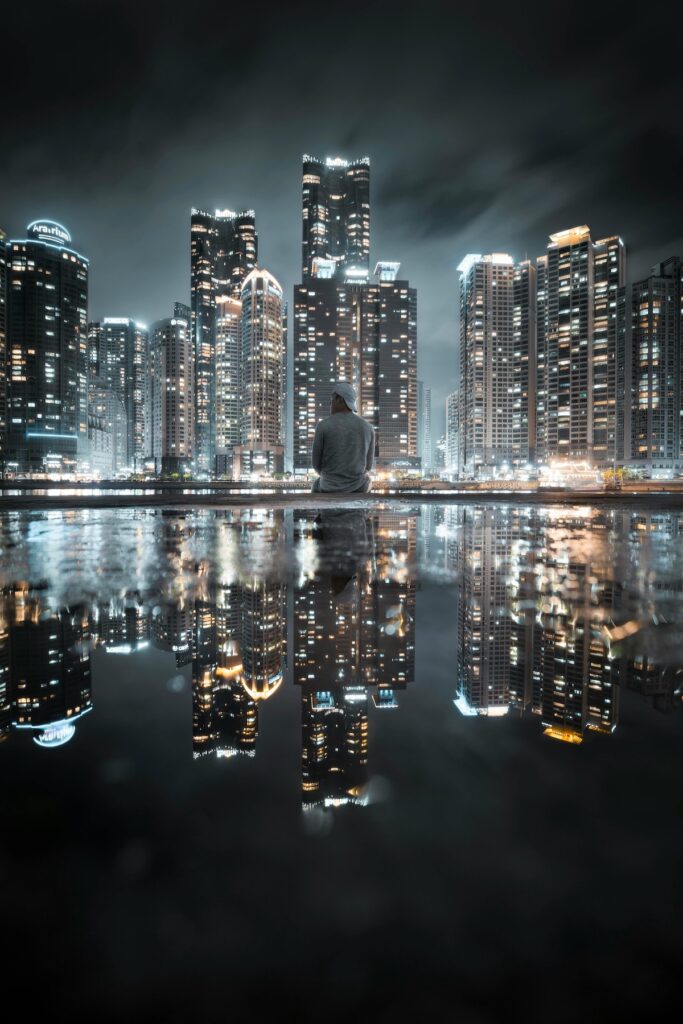
Looking the other way toward the Jamsil Railway Bridge, I watched the Line 2 subway train gliding across the river, its windows glowing warmly against the snowy backdrop. In that moment, it hit me: Jamsil Bridge isn’t just a transit route; it is a spectacular, yet underrated, tourist destination. Here, you aren’t just looking at Seoul; you are standing right in the middle of its heartbeat, suspended between the north (Gangbuk) and the south (Gangnam). Let me introduce you to this unique way to experience the soul of Seoul.
1. Walking Across Jamsil Bridge: The Strategic Connection: Bridging Gangnam and Gangbuk on Foot
Walking across a Han River bridge is a symbolic act in Seoul. Jamsil Bridge serves as a vital artery connecting the traditional charms of the north with the modern skyscrapers of the south.
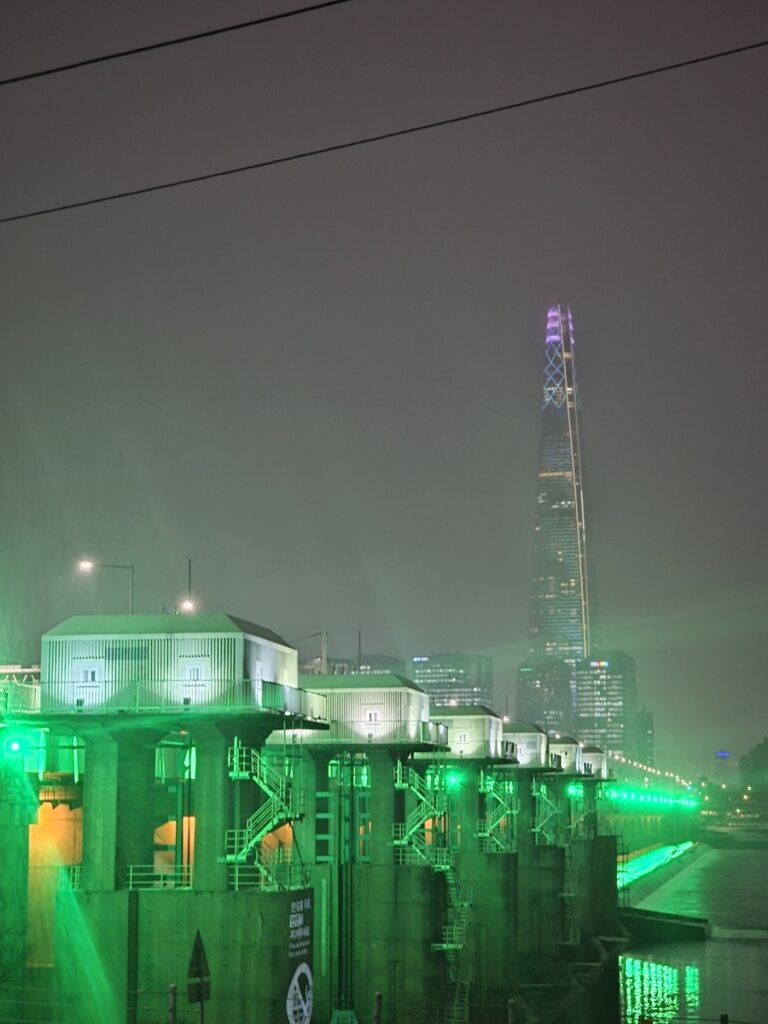
While cars rush past, the pedestrian path offers a slow-motion view of the city’s evolution. To your south, the towering Lotte World Tower acts as a lighthouse, guiding you toward the heart of Jamsil. To the north, the mountains of Seoul frame the horizon. For a traveler, this walk provides a sense of scale and geography that no subway ride can offer. It is a 1.2-kilometer journey that lets you feel the vastness of the Han River beneath your feet.
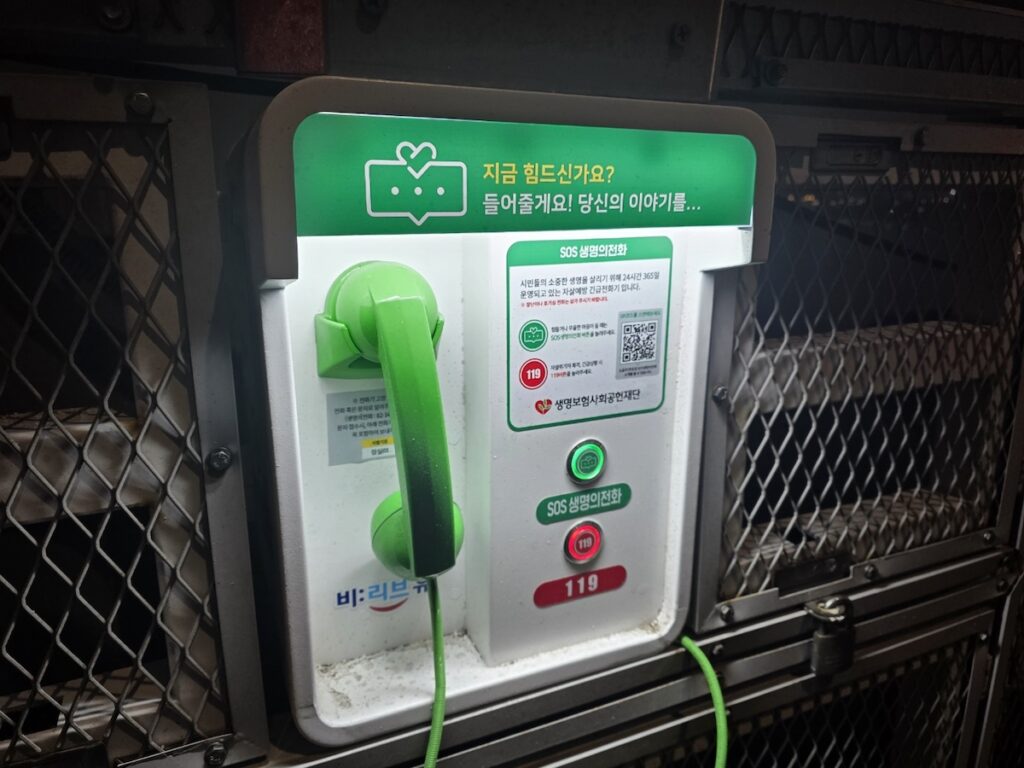
2. A Lesson in Care: The SOS Life Phone and Public Welfare
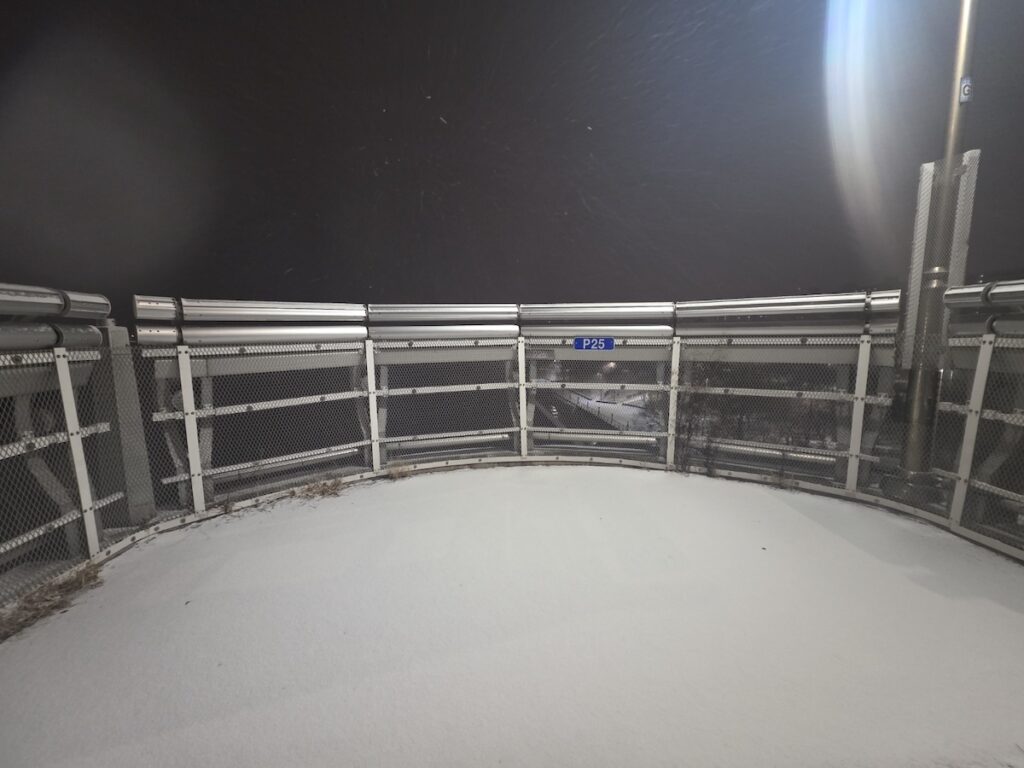
As you walk, you might notice the high safety fences lining the bridge. While they are a practical safety measure, they also carry a deep social significance. Seoul has integrated a unique public safety and mental health welfare system right into its infrastructure.
You will come across the “SOS Life Phone”—a bright, recognizable telephone designed to provide immediate, anonymous counseling for those in emotional distress. In a fast-paced metropolis, these phones represent a quiet commitment to human life and care. Seeing these facilities firsthand gives travelers a profound insight into Korea’s social support systems, moving beyond the shiny exterior of K-pop and skyscrapers. It is a side of Seoul that is rarely mentioned in glossy brochures but is essential to the city’s identity.
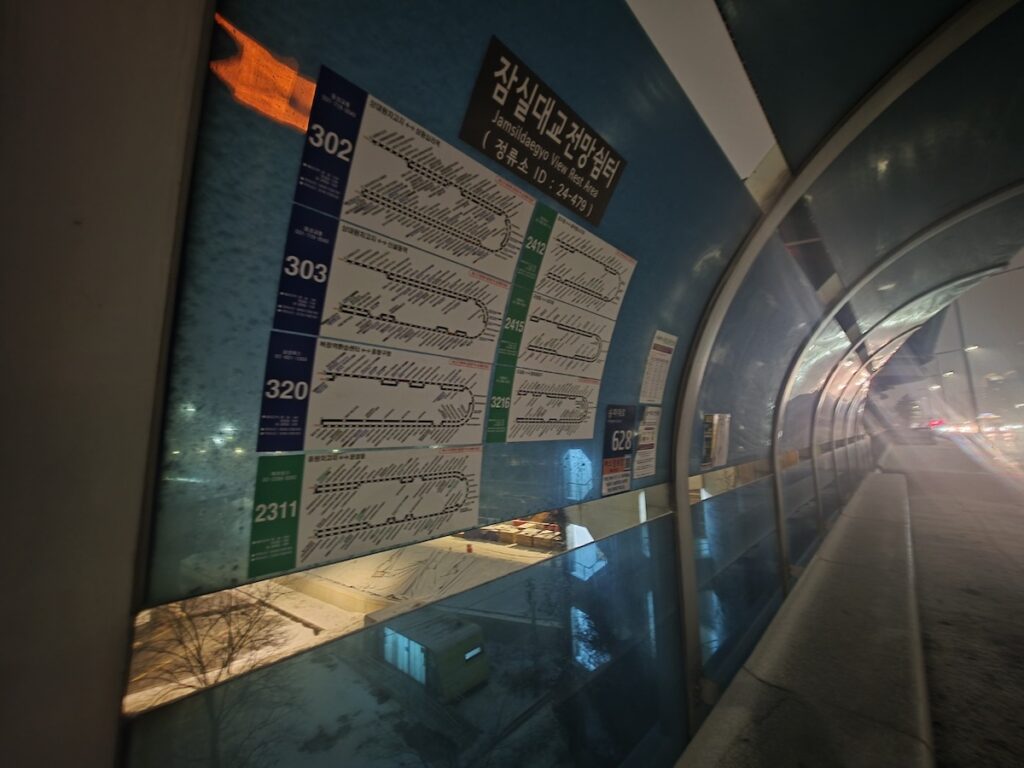
3. Efficiency on the Water: The Mid-Bridge Bus Stop
One of the most surprising features for any first-time visitor is the bus stop located in the middle of the bridge. This isn’t just a quirk; it is a masterpiece of Smart City public transport planning.
Imagine hopping off a bus halfway across the river, taking in the panoramic snowy views, and then hopping back on another bus to reach your final destination. This level of connectivity is what makes Seoul one of the most accessible cities in the world.
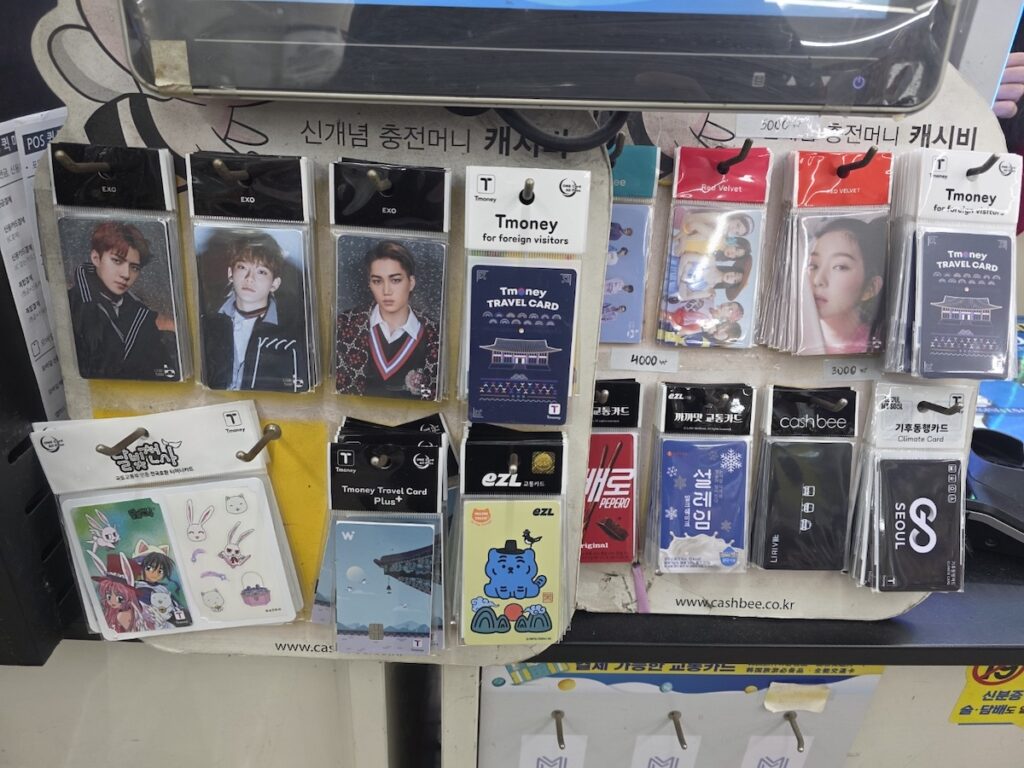
- Travel Tip: To make the most of this system, ensure you have a Climate Card (Gihoo Donghaeng Card) or a T-money card. These cards allow for seamless transfers between buses and subways, making your “bridge trek” both affordable and flexible. You can purchase or top up these cards at any convenience store near Jamsil Station before you start your walk.
4. Safety, Comfort, and Luxury: The Jamsil Hub
Ending your walk on the southern side brings you into the vibrant Jamsil district. Because the bridge is so close to major landmarks, it is an ideal outing for those staying in the area.
If you are staying at a luxury accommodation like Signiel Seoul or the Sofitel Ambassador, Jamsil Bridge is essentially your backyard. You can enjoy a world-class dinner at the Lotte World Mall and then walk off the calories while enjoying the river breeze. The proximity to high-end shopping, entertainment, and nature makes this specific bridge walk a “must-do” for travelers who want to balance urban luxury with a bit of outdoor adventure.
5. Practical Guide for Your Snowy Stroll
To help you plan your visit, here is a quick summary of what to expect:
| Feature | Details |
| Walking Time | Approximately 20–30 minutes at a steady pace. |
| Best View | Looking west toward Lotte World Tower and Cheongdam Bridge. |
| Accessibility | Easily accessible from Jamsil Station (Line 2 & 8) or Gangbyeon Station (Line 2). |
| Essential Item | A charged T-money card or Climate Card for the mid-bridge bus stop. |
| Weather Tip | In January, the wind over the river is much colder than on the streets. Wear a windbreaker! |
[Internal Links: Don’t Stop Your Journey Here!]
If you enjoyed the snowy charm of Jamsil Bridge, you’ll love exploring these other winter wonders and cultural hotspots in Korea:
- [South Korea Winter Travel 2026: The Ultimate January Survival & Magic Guide]
- Why read this? Now that you’ve mastered the walk across Jamsil Bridge, get the full survival kit for January 2026. From essential gear to hidden snowy spots, this is your master manual for a Korean winter.
- [Link: Click here to read]
- [Snowy Donghae Travel: A Complete Winter Guide to Korea’s East Coast (2026)]
- Why read this? Craving more snow? Head east! Discover the breathtaking winter coastline where the deep blue sea meets pure white snow. It’s the perfect follow-up to your Seoul winter stroll.
- [Link: Click here to read]
- [Jeonju Makgeolli Street Guide: Kettle Service, Endless Anju, and How to Do It Right]
- Why read this? After a cold walk across the bridge, nothing beats a warm, lively Korean night. Learn how to enjoy the ultimate comfort food and rice wine experience in the historic city of Jeonju.
- [Link: Click here to read]