7 Essential Tips for Vegetarians in Korea are becoming a vital compass for the modern traveler arriving from the UK or US. While Seoul is a city of gastronomic wonder, it presents a unique challenge: the “Invisible Meat” hidden within its deep, umami-rich broths. For the sophisticated traveler using Revolut or Wise, navigating this landscape requires more than just an appetite—it requires a strategic approach to cultural nuances and digital payment sovereignty.
The Invisible Meat: Why Your Soup Base Matters
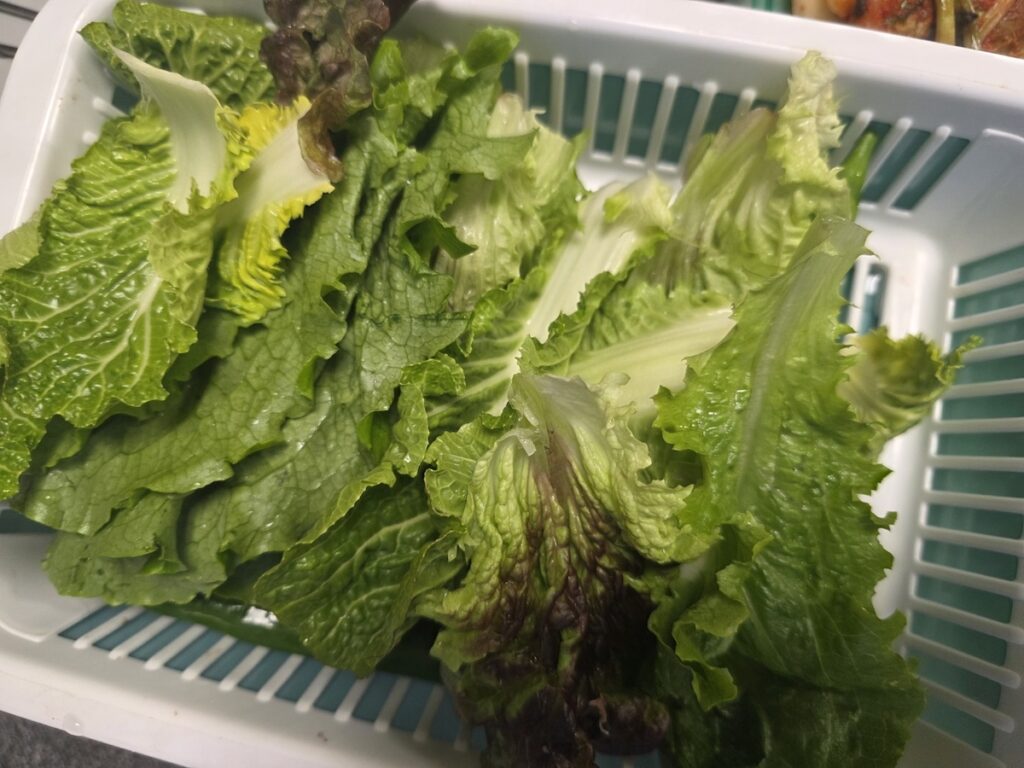
The most significant hurdle for any vegetarian in Korea isn’t the absence of vegetables; it’s the invisible foundation of the flavor profile. In Western cuisines, a vegetable soup is typically transparent about its origins. In Korea, the soul of a stew (Jjigae) or soup (Guk) is often a complex decoction of anchovies (Myeolchi), dried shrimp, or beef bones (Sagol).
Even a dish that appears entirely plant-based, such as Doenjang-jjigae (Soybean Paste Stew), is traditionally simmered with a base of dried anchovies to provide that essential umami depth. For the strict vegan or vegetarian, this “Hidden Dashi” is the most common point of accidental consumption.
Common “Safe-Looking” Dishes and Their Hidden Bases
| Dish Name | Visual Appearance | Typical Hidden Ingredient |
| Doenjang-jjigae | Tofu and Vegetables | Anchovy or Beef Stock |
| Sundubu-jjigae | Soft Tofu | Shrimps or Minced Pork |
| Kimchi-jjigae | Cabbage and Tofu | Pork or Anchovy Stock |
| Kalguksu | Wheat Noodles | Anchovy or Clam Broth |
The Banchan Bonanza: A Sanctuary of Plant-Based Diversity
While the soup base requires caution, the Korean Banchan (side dish) culture is a vegetarian’s greatest triumph. Unlike Western dining, where a meal is centered around a single protein, a Korean table is an ecosystem.
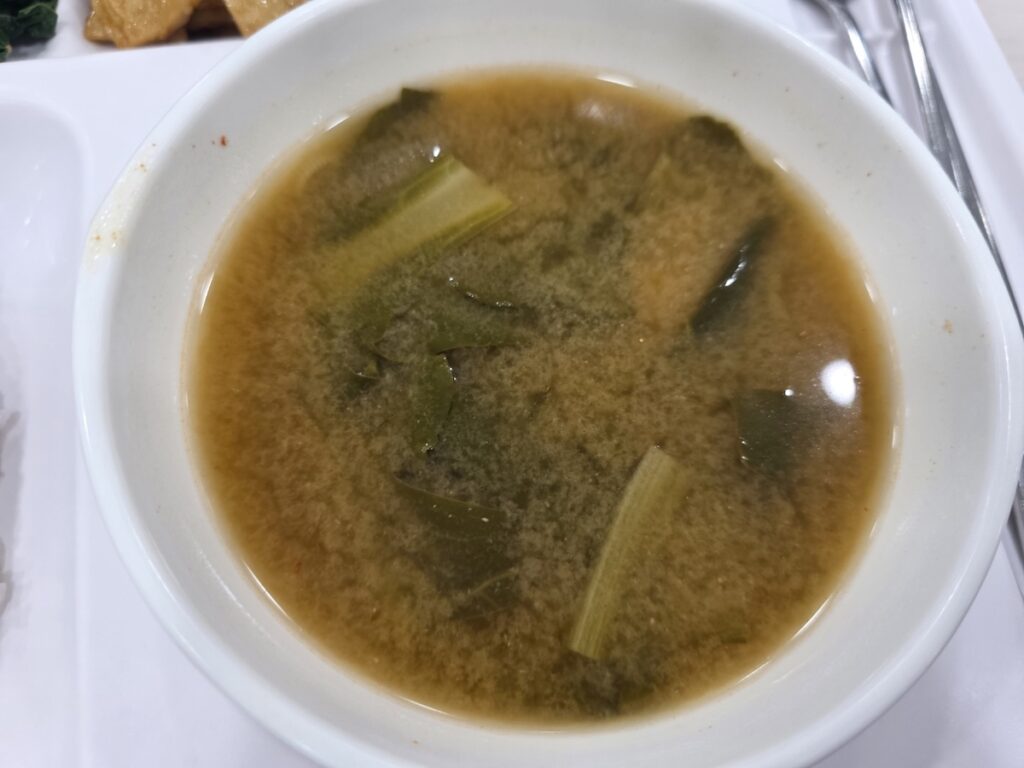
When you sit down at a traditional Hanjeongsik restaurant, you are greeted by a “Garden on a Table.” From Sigeumchi-namul (blanched spinach with sesame oil) to Gosari (seasoned bracken ferns), the majority of these side dishes are inherently vegan. The beauty of this system is that even if the main dish is meat-centric, the sheer volume and variety of the plant-based Banchan can constitute a full, nutritious meal.
Ritual of the Table: I once watched a traveler from London use their Revolut card at a small mountain-side eatery. They were worried about the menu, but as 15 different types of mountain roots and seasoned greens filled the table, the anxiety vanished. “It’s not just food,” they remarked, “it’s an inventory of the forest.”
Premium Sanctuaries: Where Ethical Dining Meets Luxury
For those seeking absolute certainty, Seoul offers premium dining experiences where the concept of “Hidden Meat” is non-existent.
1. Balwoo Gonyang: The Michelin-Starred Temple Food
Owned and operated by the Jogye Order of Korean Buddhism, this is the gold standard for Vegetarians in Korea. Temple food (Sachal-eumsik) strictly forbids meat and the “Five Pungent Spices” (garlic, green onions, etc.). Every dish is a meditation on seasonal purity. Using your Revolut card here is seamless, and the premium price point reflects the artisanal labor behind every fermented jar of paste.
2. Maji: The Art of the Vegan Hanjeongsik
Located near the historic Insadong district, Maji specializes in recreating the royal Hanjeongsik experience without a trace of animal products. Their lotus leaf-wrapped rice (Yeonip-bap) provides a sensory experience that rivals any meat-heavy banquet.
Deciphering the Menu: The Linguistic Shield
To protect your dietary borders, you must master the art of the “Vegetarian Inquiry.” While many younger Koreans in areas like Seongsu or Hannam-dong understand the term “Vegan,” traditional owners may need more specific guidance.
- “Chaesik-juuija-imnida” (I am a vegetarian).
- “Gogi-yuksu-eopsi ganeunghaeyo?” (Is it possible without meat broth?).
- “Jeotgal-ppaego juseyo” (Please remove the fermented fish sauce—essential for Kimchi).
[Related Guides: Optimized Internal Linking]
Deepen Your Journey: Related Guides for Mindful Travelers
If you found our 7 Essential Tips for Vegetarians in Korea helpful, you may want to explore the spiritual and scenic origins of these plant-based traditions. From hidden tea houses overlooking the water to immersive overnight retreats, these guides will help you navigate the soul of Korea.
- [The Best View Near Seoul: Find Zen and Tea at the Han River View Temple] Discover the most tranquil spots where you can enjoy a bowl of traditional tea with an unparalleled view of the Han River, perfect for after a vegetarian feast.
- [Temple Stay Near Seoul 2025: Best Buddhist Retreats for Foreigners & First-Timers] Ready to take the next step? This comprehensive 2025 guide helps you book the best English-friendly temple stays where vegetarianism is not a choice, but a way of life.
- [Yongmunsa Temple in Yangpyeong: Complete Day Trip Guide from Seoul 2025] Take a day trip to witness the thousand-year-old ginkgo tree and experience a sacred meal of mountain herbs in the heart of Yangpyeong’s lush forests.
The Language of Luxury: Why High-End Hotels are Your Safest Bet
For many 7 Essential Tips for Vegetarians in Korea, the greatest anxiety isn’t the food itself, but the communication of their needs. This is where Seoul’s premium hotel infrastructure becomes an essential asset for the Revolut or Wise traveler. In five-star establishments located in Gangnam, Myeongdong, and Yeouido, English proficiency is a standard, and dietary restrictions are treated with the utmost gastronomic seriousness.
1. The Seamless Communication Shield
In a local neighborhood joint, explaining that you cannot eat Myeolchi-yuksu (anchovy broth) can lead to a confusing exchange. However, at a luxury hotel’s signature Korean restaurant—such as Mugunghwa at Lotte Hotel Seoul or On Main at The Grand Hyatt—your server acts as a culinary translator. They understand the nuances of “Vegan” vs. “Ovo-Lacto Vegetarian” and can guarantee that your meal is prepared in a cross-contamination-free environment.
2. Curated Hanjeongsik: The Royal Treatment
Luxury hotels often house high-end Hanjeongsik (Korean Full-course) restaurants that specialize in “Modern Heritage.” These venues are accustomed to international palates and frequently offer pre-set vegetarian courses that highlight seasonal delicacies like grilled Deodeok (mountain root) or pine nut porridge. You aren’t just eating “the meatless option”; you are experiencing a curated masterpiece designed for the global elite.
3. Strategic Payment: The Revolut Advantage
Using a global fintech card like Revolut at these premium venues is a frictionless experience. There are no “declined card” embarrassments, and the receipts are detailed enough for any expense tracking. The higher price point of hotel dining—often ranging from $80 to $200 per person—is offset by the total peace of mind regarding your dietary integrity.
Why Revolut and Wise are Essential for the Ethical Diner
Navigating the niche world of premium vegetarian and temple food requires a payment tool that matches your global lifestyle. Many high-end vegan bistros and temple food restaurants in Seoul are located in historic or business districts where international cards are expected, but exchange rates fluctuate.
By using Revolut or Wise, you can lock in favorable KRW rates, ensuring that your investment in an ethical $150 Michelin-starred temple meal isn’t inflated by hidden bank fees. It allows you to focus on the philosophy of the food, rather than the logistics of the transaction.
Action Plan for the Conscious Traveler
- Download ‘HappyCow‘: This app is the lifeline for finding verified vegan spots in Seoul.
- Order “Sanchae Bibimbap”: This is your safest bet in any traditional restaurant. It consists of mountain vegetables and rice. Just ask to skip the minced beef (Gogi-ppaego).
- Visit a Temple: Beyond dining, experience a ‘Temple Stay’ to understand the spiritual roots of Korean vegetarianism.
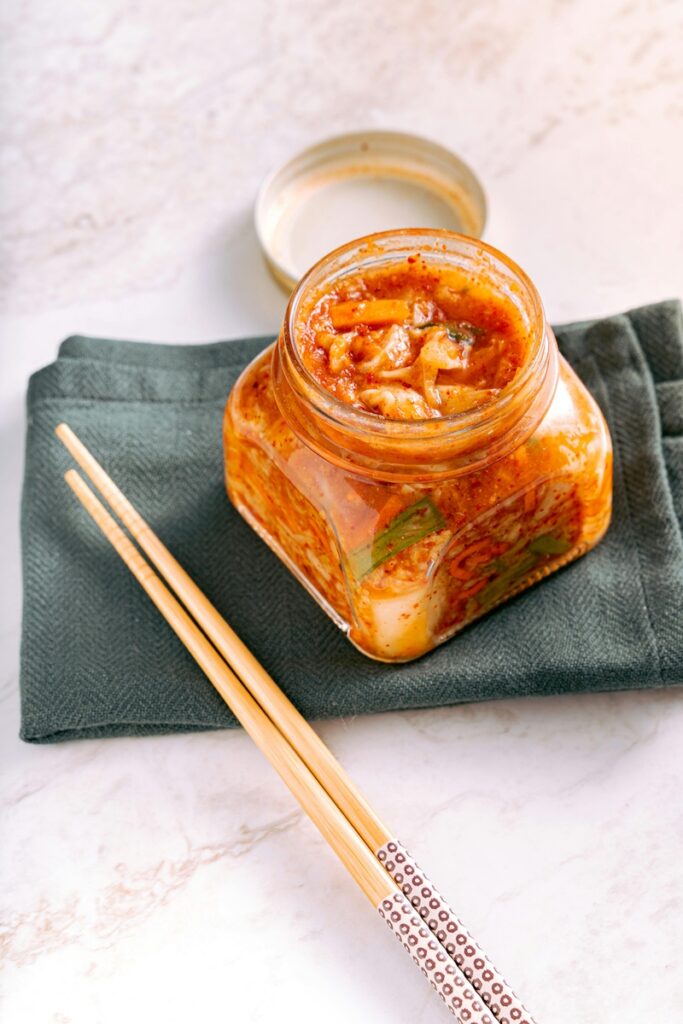
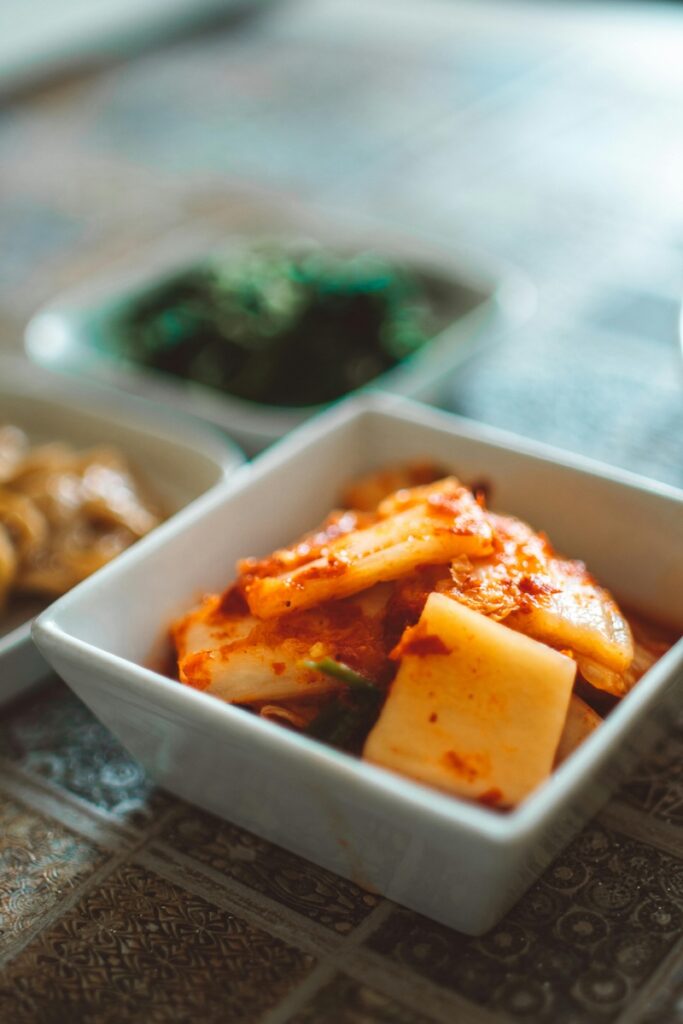
- Check the Kimchi: Always ask if the Kimchi contains Jeotgal (salted seafood). Many premium spots now offer “Vegan Kimchi” using kelp broth instead.
Conclusion: The Silent Agreement Between Guest and Table
Navigating Korea as a vegetarian is ultimately a journey of trust. It is about understanding that a meal is not just a plate of food, but a silent agreement between the guest and the hands that prepared it. For the traveler from London or New York, your Revolut card is more than a financial tool; it is your passport to these sanctuaries of integrity—be it a sun-drenched corner of a 5-star hotel or the hushed halls of a mountain temple.
The 7 Essential Tips for Vegetarians in Korea are not just rules to avoid “Hidden Meat.” They are an invitation to see the Korean table for what it truly is: a garden of resilience. When you sit before a table filled with twelve bowls of mountain herbs, you are witnessing a culinary philosophy that honors the earth. By choosing the safety of premium havens where language is no longer a barrier, you allow yourself to finally put down your guard.
In this quiet space between the silver chopsticks and the steam rising from a bowl of pine nut porridge, you discover the true essence of Seoul. It is a city that, if approached with the right wisdom, will always find a way to feed you without compromising who you are.