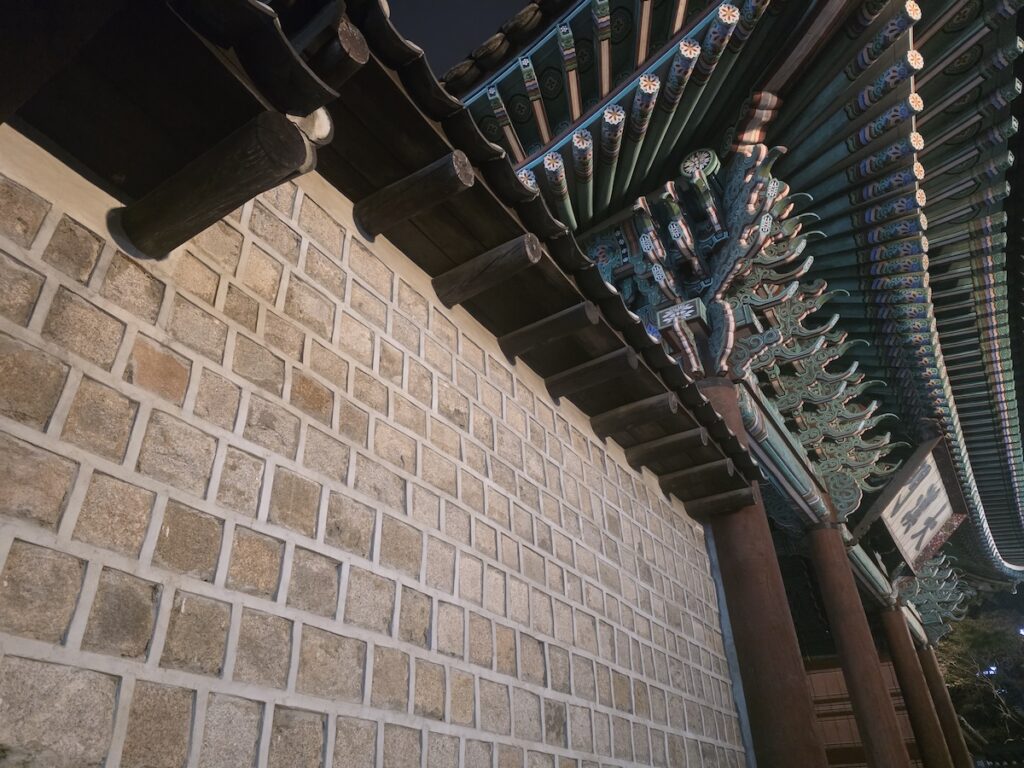
A temple stay near Seoul is one of the easiest ways to step out of the city’s noise without actually traveling very far.
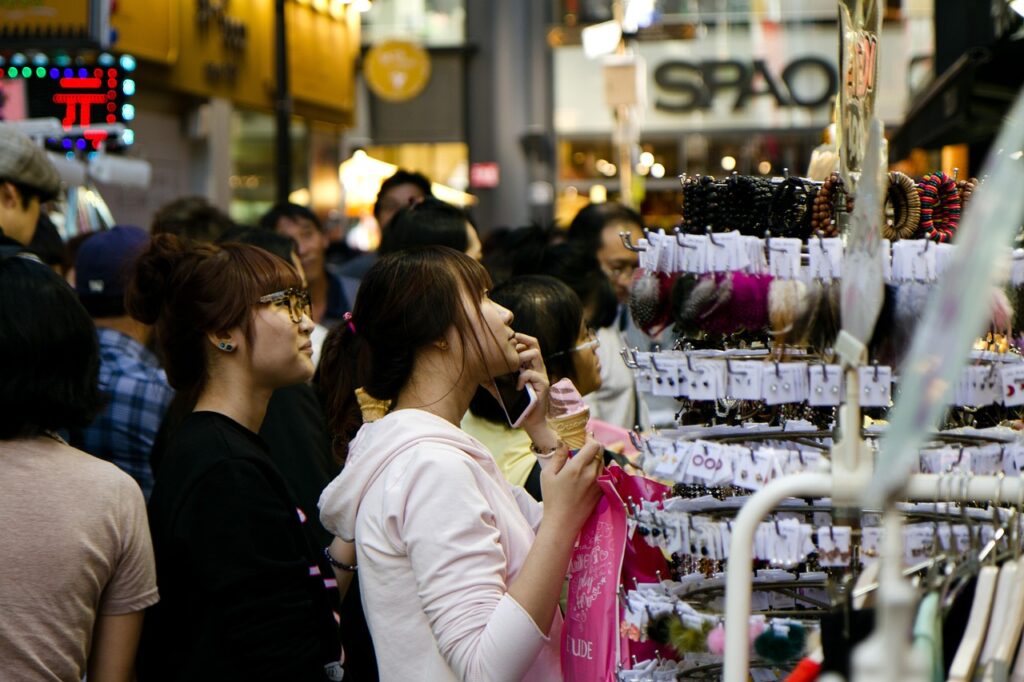
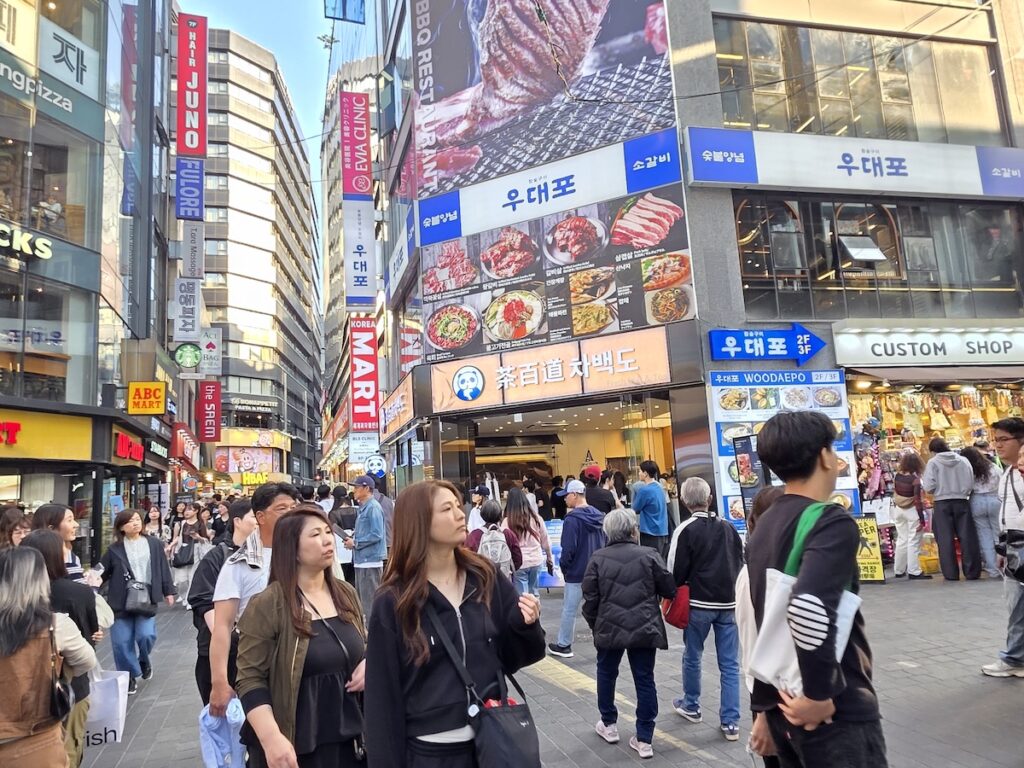
Seoul can be fast, bright, and exhausting. The subway moves constantly, cafés stay crowded, phones keep buzzing, and even a short weekend can disappear before you notice it. That is why a Korean temple stay can feel surprisingly different. It is not a luxury spa, and it is not a hotel retreat. It is a simple cultural program inside a Buddhist temple, where the schedule may include quiet walking, meditation, temple meals, tea, chanting, or basic Buddhist etiquette.
For foreigners, the appeal is not only “relaxation.” It is also a chance to experience a side of Korea that does not usually appear in shopping streets, K-pop tours, or café guides.
The good news is that you do not need to travel deep into the mountains to try it. Several temples in and around Seoul offer temple stay or temple experience programs, and official Seoul tourism resources list Seoul temples with English temple stay options for foreigners. Program availability changes by date and temple, so the official Templestay reservation site should always be checked before making plans.
Quick Answer: Best Temple Stay Near Seoul for First-Timers
If this is your first temple stay near Seoul, start with a temple inside Seoul or very close to the city. It will be easier to reach, easier to plan, and less stressful if you are not used to Korean transportation or temple culture.
| Temple | Best For | Why It Works |
|---|---|---|
| Bongeunsa | Short cultural experience in Gangnam | Easy access near COEX and Samseong area |
| Geumsunsa | Nature and meditation | Traditional temple near Bukhansan National Park |
| Myogaksa | Urban temple stay | Central Seoul location near Jongno and Naksan area |
| Jingwansa | Quiet scenery and temple food culture | Near Bukhansan and Eunpyeong Hanok Village |
| Hwagyesa | Northern Seoul meditation atmosphere | Known as a Seoul temple with international interest |
For most first-time foreign visitors, Bongeunsa is the easiest to approach because it is in Gangnam near COEX. Geumsunsa and Jingwansa feel more connected to nature. Myogaksa is useful if you want a city-based temple stay without leaving central Seoul.
The most important rule is simple: do not rely only on blog lists. Check the official Templestay website for current dates, language support, price, overnight availability, and reservation rules. The official Templestay site lists programs, temple information, addresses, and reservations by temple.
What Is a Temple Stay in Korea?
It Is a Cultural Program, Not Just Accommodation
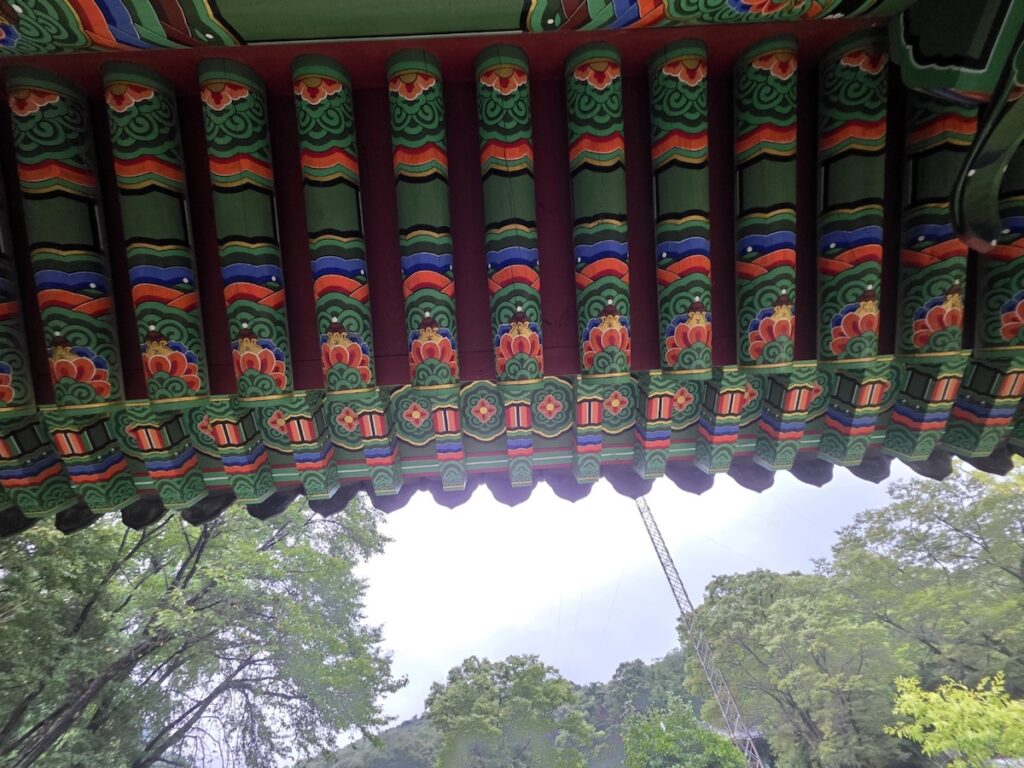
A temple stay in Korea is a program that lets visitors experience Korean Buddhist temple life for a short time. According to the official Templestay website, the program is designed to help people understand Korean traditional culture and Korean Buddhism through activities such as temple tours, meditation, chanting, tea, and Buddhist meals.
This means a temple stay is not the same as booking a quiet hotel room.
You may be expected to follow a schedule. You may eat simple vegetarian temple food. You may join chanting or meditation. You may sleep in a modest room. You may need to be quiet in certain areas. You may be asked to follow temple etiquette even if you are not Buddhist.
That structure is part of the experience.
It Can Be Simple, Quiet, and Surprisingly Strict
A temple stay near Seoul may feel peaceful, but it can also feel more structured than visitors expect.
Depending on the program, you may need to wake up early, eat at set times, follow group instructions, remove your shoes, bow respectfully, avoid loud talking, and keep your phone use discreet.
For some people, that is exactly the point. The experience creates a break from normal travel habits. Instead of choosing the next restaurant, café, or shopping area, you follow the rhythm of the temple.
Who Should Try a Temple Stay Near Seoul?
Good for Travelers Who Want a Slower Weekend
A temple stay near Seoul is a good fit if you want:
- a quiet weekend outside the usual tourist route
- a cultural experience beyond palaces and markets
- simple vegetarian temple food
- meditation or reflection
- a break from screens and shopping
- a low-key retreat without leaving Seoul too far
It can be especially meaningful for people who have already seen the major Seoul attractions and want something slower.
Not Ideal If You Want Hotel Comfort
A temple stay may not be right for everyone.
It may not be ideal if you strongly dislike early mornings, shared spaces, simple rooms, quiet schedules, vegetarian meals, or rules around dress and behavior.
This does not mean the experience is uncomfortable. It simply means you should understand what you are booking. A temple stay is closer to a cultural retreat than a regular weekend hotel.
Best Temple Stay Options Near Seoul
Bongeunsa: Easiest Short Experience in Gangnam
Bongeunsa is one of the most accessible temples for foreigners because it is located in Gangnam, near COEX and Samseong-dong. The official Templestay reservation page for Bongeunsa lists programs such as one-day cultural experiences and regular temple stay options, with the temple address shown as 531 Bongeunsa-ro, Gangnam-gu, Seoul.
This makes Bongeunsa a strong choice if you want a temple experience without leaving central Seoul.
It is especially good for:
- first-time visitors
- people staying in Gangnam or Jamsil
- travelers who want a short experience
- visitors who feel nervous about going to a remote temple
- people who want to combine COEX, Samseong, and a temple visit
Bongeunsa may not feel as remote or quiet as a mountain temple, because it sits in one of Seoul’s busiest business districts. But that contrast is also part of its charm: a traditional temple standing near modern Gangnam buildings.
Geumsunsa: Nature and Meditation Near Bukhansan
Geumsunsa is a traditional Buddhist temple in Seoul near Bukhansan National Park. The official Templestay page describes it as a 600-year-old traditional Korean Buddhist temple surrounded by nature in Mt. Bukhansan National Park and accessible from Seoul.
This is a better fit if you want a more nature-oriented temple stay near Seoul.
It is especially good for:
- meditation
- mountain atmosphere
- quieter surroundings
- travelers who want Seoul access but less city noise
- people interested in a more traditional setting
Compared with Bongeunsa, Geumsunsa may require more planning, but it can feel more like a retreat.
Myogaksa: Urban Temple Stay in Central Seoul
Myogaksa is located in Jongno-gu, Seoul. The official Templestay listing for Myogaksa shows a 2 days 1 night program called “Where is your mind?” and lists the temple address as 31, Jongno 63ga-gil, Jongno-gu, Seoul. The same official listing showed a price of ₩95,000 for adult, teenager, and child categories at the time checked, but prices and availability can change.
Myogaksa is useful for people who want a temple stay in the city rather than a remote mountain setting.
It is especially good for:
- central Seoul access
- Jongno or Dongdaemun-based travelers
- first-time temple stay participants
- people who want an overnight option without leaving Seoul
Because program details change, check the official page before mentioning a specific schedule or price in your plans.
Jingwansa: Temple Food and Quiet Scenery
Jingwansa is located near Eunpyeong Hanok Village and Bukhansan. Seoul’s foreign-language city information describes Jingwansa as one of Seoul’s leading temples, located by the hanok village in Eunpyeong-gu and surrounded by Bukhansan Mountain.
Jingwansa is a strong option if you are interested in a calmer northern Seoul atmosphere, temple food culture, and a setting that connects well with Eunpyeong Hanok Village.
It is especially good for:
- quiet scenery
- temple food interest
- northern Seoul exploration
- combining a temple visit with Eunpyeong Hanok Village
- slower weekend travel
Check the official Templestay website or the temple’s current program page before assuming overnight availability or English support.
Hwagyesa: Northern Seoul Temple Atmosphere
Hwagyesa is located in Gangbuk-gu, Seoul. The official Templestay reservation page lists Hwagyesa with the address 117 Hwagyesa-gil, Gangbuk-gu, Seoul.
Hwagyesa can be a good name to check if you are interested in northern Seoul and Buddhist meditation culture. However, as with every temple, program type, language support, and dates should be confirmed directly through the official booking page.
It is especially good for:
- northern Seoul stays
- people interested in meditation
- travelers who want a less commercial atmosphere
- those comfortable checking program details in advance
What to Expect During a Temple Stay
A Simple Schedule
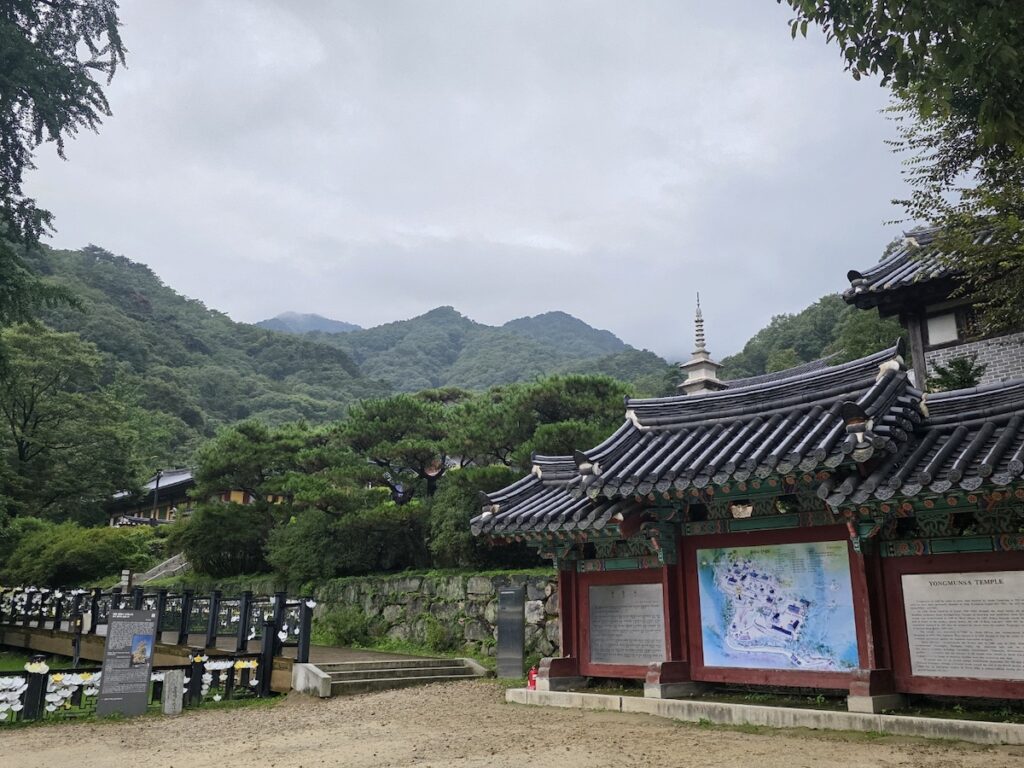
A temple stay schedule depends on the temple and program, but common activities may include:
- temple tour
- orientation
- meditation
- chanting or Buddhist ceremony
- tea conversation
- simple temple meals
- walking meditation
- Buddhist culture activity
- quiet rest
Not every program includes every activity. A one-day program may be very different from an overnight temple stay.
Early Mornings May Be Part of the Experience
Some overnight programs may include early morning activities. This can surprise foreigners who imagined the program as a relaxing sleep-in weekend.
A temple stay is often peaceful, but it may not be lazy.
If you are not comfortable waking up early, choose a one-day program or check the schedule carefully before booking.
Temple Food Is Usually Simple and Vegetarian
Temple food is one of the memorable parts of the experience. Visit Korea describes Templestay as a way to experience Korean Buddhist daily life and notes that it has drawn attention as a way to experience Korean-style vegetarian temple food.
Do not expect rich restaurant food. Temple meals are usually simple, seasonal, and quiet. For some visitors, this becomes the highlight. For others, it may feel unfamiliar.
If you have allergies or dietary restrictions, contact the temple before booking.
How Much Does a Temple Stay Near Seoul Cost?
Prices vary by temple, program type, season, and whether the stay is one-day or overnight.
A one-day experience may cost less than an overnight program. An overnight temple stay may cost more depending on meals, activities, and accommodation. Myogaksa’s official listing, for example, showed ₩95,000 for a 2 days 1 night program at the time checked, while special foreigner discount events have also appeared in past official Templestay notices.
Use the table below only as a general planning guide.
| Program Type | Typical Duration | What to Expect |
|---|---|---|
| One-day experience | A few hours | Temple tour, tea, meditation, cultural activity |
| Overnight temple stay | 1 night / 2 days | Meals, sleeping at temple, morning/evening schedule |
| Weekend retreat | Usually 1 night or longer | More structured rest, meditation, and temple life |
| Special event | Limited dates | May have discounted prices or seasonal programs |
Always confirm the final price on the official booking page before making plans.
How to Book a Temple Stay in Korea
Use the Official Templestay Website
The safest place to start is the official Templestay website. It allows users to search programs, check temple details, and make reservations.
Before booking, check:
- program date
- language support
- whether it is one-day or overnight
- check-in time
- price
- cancellation rules
- meals
- what to bring
- whether the program is suitable for foreigners
- whether the temple is easy to reach by public transportation
Do Not Assume Every Temple Has English Support Every Day
Some temples may offer English-friendly programs, but that does not mean every date, every monk, or every activity will be fully in English.
If English support is important, check the program description carefully and contact the temple if needed.
Book Early for Weekends
Weekend programs can fill up, especially during spring, autumn, holidays, and special events.
If your schedule is fixed, book early rather than waiting until the last minute.
What to Bring
For an overnight temple stay near Seoul, bring simple and practical items.
Useful items include:
- comfortable clothes
- socks
- personal toiletries
- small towel if needed
- phone charger
- light jacket
- reusable water bottle
- any medication you need
- passport or ID
- quiet attitude
Avoid bringing too much luggage. Temple rooms are usually simple, and storage may be limited.
Etiquette Tips for Foreigners
Dress Modestly
A temple is a religious space, not just a tourist attraction. Avoid clothing that is too revealing or flashy.
Comfortable pants, simple tops, and modest layers are usually better than fashion-focused outfits.
Keep Your Voice Low
Many temples are quiet spaces. Speak softly, especially near prayer halls, meditation areas, and residential areas.
Follow the Schedule
If the program starts at a certain time, arrive early. Temple stays are usually group-based, and being late can affect others.
Ask Before Taking Photos
Some temple areas may allow photos, while others may not. Avoid taking photos during ceremonies unless clearly allowed.
Respect the Food
Temple food is part of the experience. Take only what you can eat and try not to waste food.
Is a Temple Stay Near Seoul Worth It?
A temple stay near Seoul is worth trying if you want a slower and more reflective Korean experience.
It is not the best choice if you only want comfort, nightlife, shopping, or luxury. But if you want silence, structure, temple food, Buddhist culture, and a short break from the speed of Seoul, it can be meaningful.
The best part is that it does not require a complicated trip. You can choose an urban temple like Bongeunsa or Myogaksa, or a more nature-connected temple like Geumsunsa or Jingwansa.
For many foreigners, the value is not only in meditation or Buddhism. It is in seeing how Korea can be quiet, restrained, and deeply traditional even near one of Asia’s busiest cities.
Final Thoughts
A temple stay near Seoul can be one of the most memorable ways to experience Korea beyond the usual travel route.
It gives you a chance to slow down, eat simply, follow a quiet schedule, and enter a religious space with respect. It also reminds you that Seoul is not only cafés, shopping streets, subway crowds, and skyscrapers. Within or near the city, there are still temples where time feels different.
For first-timers, choose a temple that is easy to reach, check the official program page, read the schedule carefully, and keep expectations realistic.
A Korean temple stay is not designed to entertain you every minute. That is exactly why it can stay with you longer than another busy weekend in Seoul.