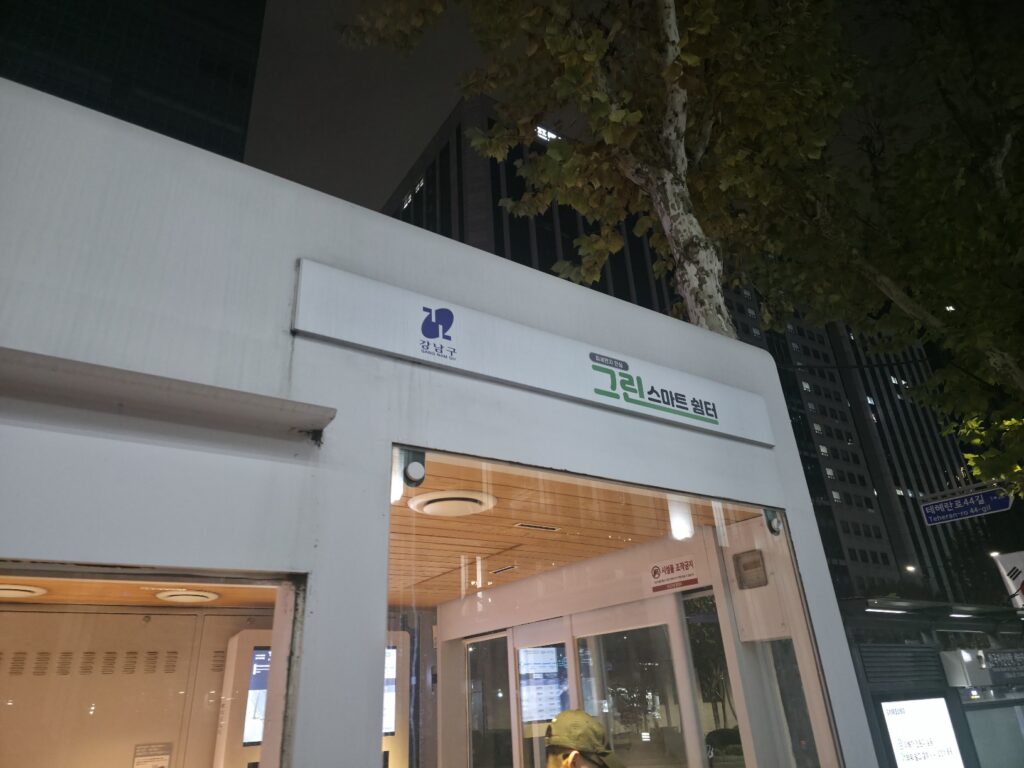
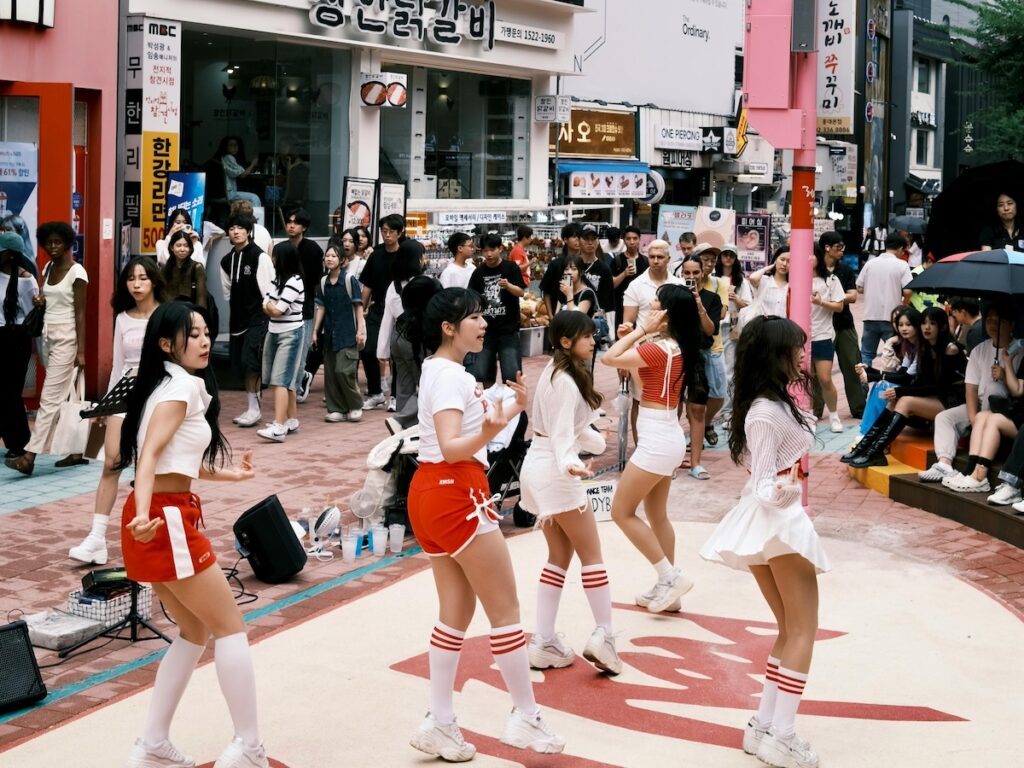
Preparing for Seoul summer travel means bracing yourself for a unique kind of urban heat that defines the city from late June through August. The moment you step out of your accommodation, the air hits you not just as a temperature, but as a physical weight. It is thick, heavy, and intensely humid, wrapping around you the second you hit the pavement.
For anyone visiting South Korea during these months, the climate can feel like an entirely different beast compared to neighboring East Asian capitals. While Tokyo often feels like a coastal, tropical swamp and Beijing radiates a punishing, dry furnace heat from its massive concrete expanses, Seoul sits in a peculiar sweet spot. It combines a intense humidity with sudden, dramatic monsoon downpours that can turn a bright morning into a tropical deluge within minutes. Walking down the streets of Hongdae or Gangnam in July requires a strategy, an understanding of the local infrastructure, and a willingness to adopt the daily survival habits of the millions of people who navigate this metropolis every single day.
Quick Answer: Is Summer a Good Time to Visit Seoul?
While the intense humidity makes outdoor exploration challenging, summer is an incredible time for Seoul summer travel if you know how to navigate the city like a local. The entire city is engineered to combat the heat, offering seamless transitions from scorching streets to arctic-level air conditioning. By utilizing the incredibly chilled public transit system, buying a ubiquitous portable handheld fan, and mastering the convenience store ice-cup ritual, you can stay perfectly comfortable. Summer also brings unique cultural experiences, from late-night river hangouts to a peak in the city’s vibrant iced coffee culture, making it a memorable and dynamic season to experience the capital.
The Transit Sanctuary: The Miracle of the Seoul Subway and Buses
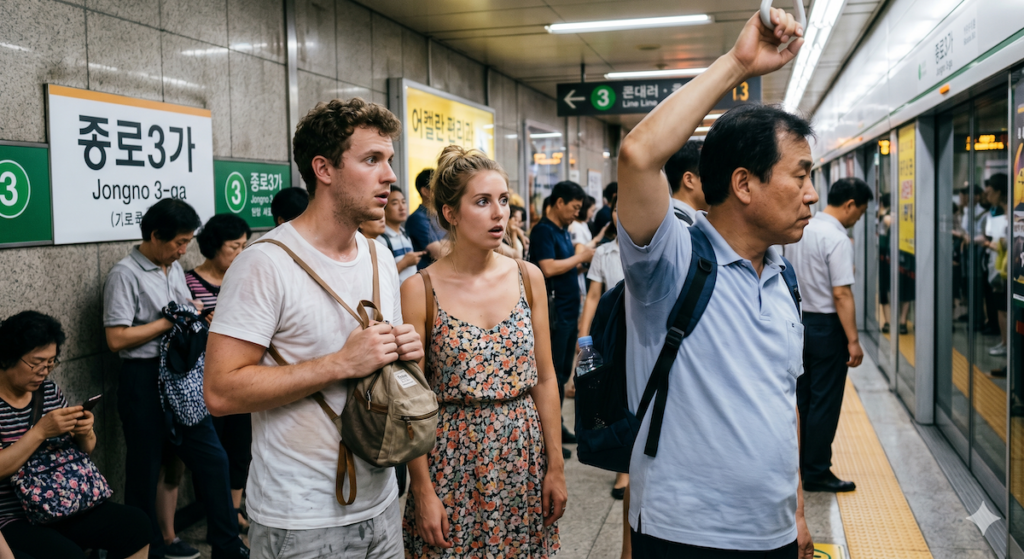
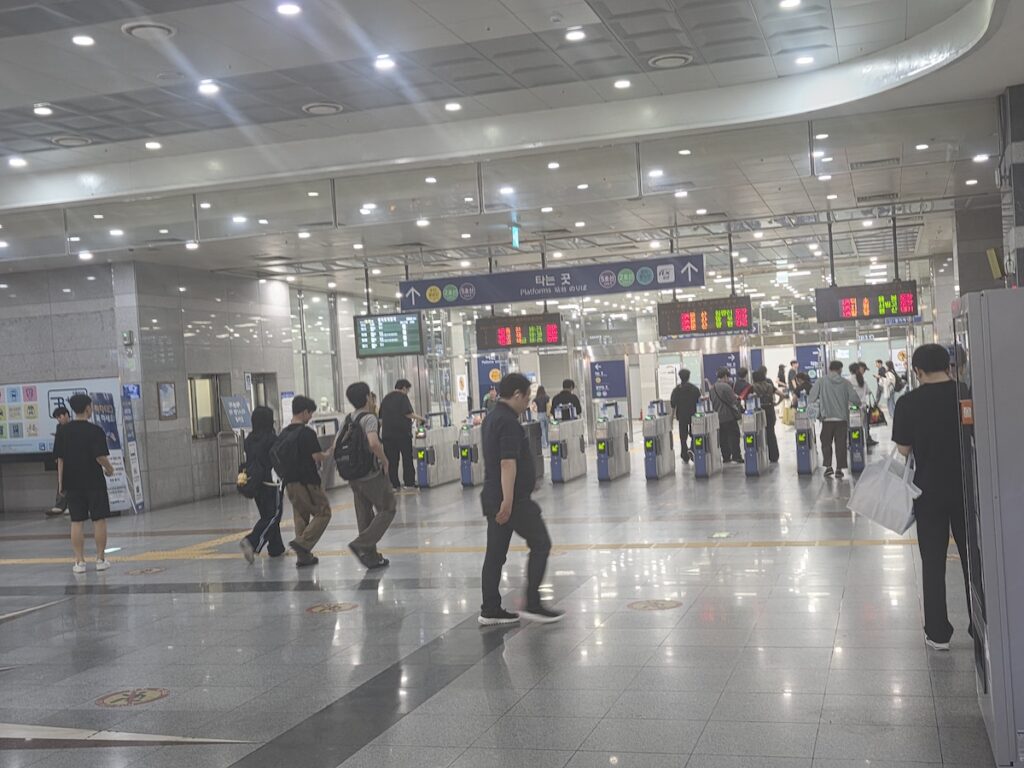
For the uninitiated, the daily commute during a Korean summer looks like an endurance sport. You will see office workers walking toward station entrances, dressed in light linens, already wiping beads of sweat from their foreheads. The walk down the stairs into the underground tunnels offers a slight reprieve from the direct sunlight, but the real magic happens the exact moment the train doors slide open.
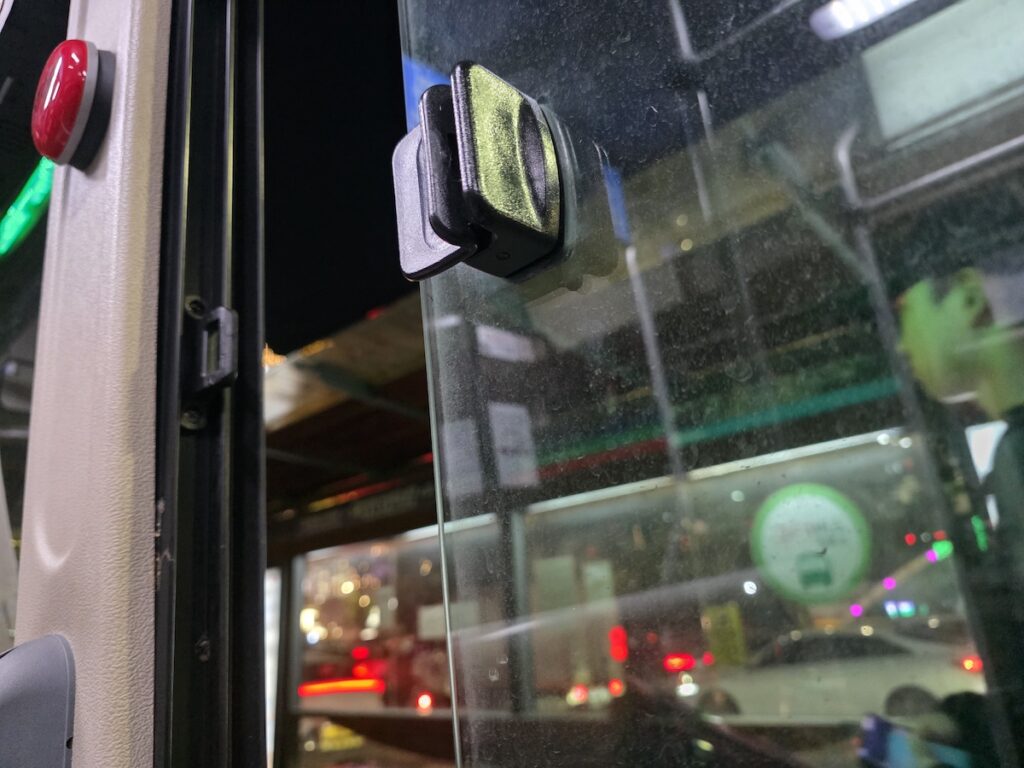
Stepping into a Seoul subway car or a city bus in the dead of July brings an instant, almost overwhelming sense of relief. It is the literal realization of the Korean phrase Ah, salgetda—a sigh of relief that translates to, “Ah, I am going to live.” The air conditioning is kept at a powerful, crisp level that instantly shocks your system in the best way possible. Within thirty seconds of standing near the vents, the layer of sweat on your skin dries completely, leaving you chilled and re-energized.
This stark contrast between the blistering streets and the freezing transit vehicles is a cornerstone of the summer experience here. However, first-time visitors should be aware of a unique feature designed for comfort customization. In the subway system, certain cars are designated as yak-naeng-bang-cha, which means weakly air-conditioned cars. These are usually located in the middle of the train (typically cars 4 and 5 on most lines) and are kept a few degrees warmer for elderly passengers or those who get cold easily. If you are a traveler looking for maximum frost to recover from a long walk through Gyeongbokgung Palace, make sure to avoid these specific cars and head for the ends of the train where the cooling systems run at maximum capacity.
The Unofficial Uniform: The Rise of the Portable Hand Fan
As you walk around neighborhoods like Myeongdong, Seongsu-dong, or Yeoksam-dong, you will immediately notice a fascinating visual trend that seems unique to this corner of the world. Almost every second person on the street is holding a small, battery-operated device close to their face. These are son-seon-pung-gi, or portable handheld electric fans, and they are absolutely essential for surviving the outdoors.
For many Western travelers, the idea of carrying a small plastic fan might seem like a gimmick or an unnecessary accessory. But after spending just twenty minutes walking up the hills of Bukchon Hanok Village under the midday sun, you quickly realize why these devices are a multi-million dollar industry in Korea. They provide a continuous stream of moving air that prevents the humid atmosphere from stagnating around your face, making a massive difference in your overall comfort level.
If you are planning a trip, do not bother packing a heavy, subpar fan from home. The moment you arrive in Seoul, head straight to the nearest underground shopping mall, a lifestyle store like Olive Young, or a neighborhood Daiso. You will find entire walls dedicated to these gadgets, ranging from basic pocket-sized models to high-tech versions featuring built-in cooling plates that feel like ice against your skin. Buying one is the ultimate insider tip for anyone embarking on a summer journey through the city; it is cheap, incredibly effective, and makes you look instantly like a local who knows exactly how to handle the climate.
The Cold Oasis: Convenience Store Culture and the Ice Cup Ritual
When the heat becomes too much to bear on the sidewalk, the ultimate urban refuge is never more than a few meters away. Seoul is packed with an incredible density of convenience stores—brands like GS25, CU, and Seven-Eleven sit on almost every street corner. While convenience stores in many Western countries are viewed merely as places to grab gas or a quick snack, in Korea, they serve as neighborhood life-support stations during the summer months.
The first major surprise for many international visitors is how drinks are managed. Walk into any convenience store, and you will find rows upon rows of pristine glass-doored refrigerators packed with everything from sports drinks to traditional barley teas. Unlike some countries where warm beverages are kept on shelves and cold ones carry a premium price, everything here is chilled by default.
Even more surprising is the fair pricing structure of basic necessities like water. If a convenience store displays crates of bottled water outside on the sidewalk to manage inventory, and also has the exact same bottles inside the refrigerator, the price remains completely identical. There is absolutely no “cold tax” or extra charge for refrigeration. The city treats hydration as a basic right rather than a luxury to be exploited during a heatwave.
To truly experience a Korean summer day, you must participate in the legendary ice cup ritual. Next to the drink refrigerators, you will find large freezer chests filled with clear plastic cups packed with crushed or cubed ice, known simply as eoleum-cup. The process is simple but incredibly satisfying:
- Pick up an ice cup from the freezer chest.
- Walk over to the hanging display racks filled with liquid pouches. These pouches contain everything from sweet blue lemonade and hazelnut coffee to electrolyte-heavy sports drinks.
- Bring both items to the counter, pay for them together (usually costing less than 2,000 to 3,000 won combined), tear open the pouch, and pour it over the ice.
Sitting at the small plastic tables inside the air-conditioned store, or under the parasols just outside the entrance, while sipping a freezing drink from a pouch is an authentic slice of modern Seoul life that every traveler grows to love.
The Elixir of Life: Peak Season for the Iced Americano
It is impossible to talk about daily life in the capital without mentioning its absolute obsession with coffee. South Korea consistently ranks among the highest consumers of coffee per capita in the world, and there is one specific drink that reigns supreme above all others: the Iced Americano, affectionately shortened to Ah-Ah (아아) by locals.
There is even a famous humorous slang phrase in Korea: Eol-juk-ah, which translates to “Even if I freeze to death, Iced Americano.” This means that a significant portion of the population refuses to drink hot coffee even during the depths of the sub-zero winter. So, you can only imagine what happens when the summer humidity hits. July and August represent the absolute calendar peak for Iced Americano sales across the nation.
From massive corporate chains like Starbucks and Ediya to budget-friendly neighborhood spots like Mega Coffee and Compose Coffee, espresso machines run non-stop from 7:00 AM until late at night. The drink functions less like a gourmet culinary experience and more like a necessary fuel to keep the body moving through the heavy, damp air. The bitterness of the espresso combined with a large cup of melting ice water provides an instant cooling effect that sharpens the senses. For a tourist walking between shops in the trendy alleys of Yeonnam-dong, carrying a massive, sweat-beaded cup of an Iced Americano is both a cultural rite of passage and a physical necessity.
Comparing the Summer Urban Infrastructure
To give you a better sense of how the city handles the extreme seasonal shift compared to what you might expect back home, here is a breakdown of how the local infrastructure supports everyday life during the hottest months.
| Feature | Seoul, South Korea | Typical Western Capitals |
| Public Transit Cooling | Aggressive, consistent air conditioning with specialized “weak cooling” cars for comfort. | Often non-existent on older subway lines, variable, or inconsistent. |
| Convenience Store Drinks | 100% refrigerated selections; identical pricing for cold and room-temperature water. | Often a mix of warm shelves and cold fridges, sometimes with a price markup for chilled items. |
| Hydration Accessibility | Cheap, pre-packaged ice cups paired with beverage pouches available on every block. | Fountain drinks or standard plastic bottles; loose ice options are rare in small corner shops. |
| Street Comfort Adaptations | Ubiquitous use of high-tech portable hand fans by people of all ages and professions. | Handheld fans are rarely seen or viewed as a novelty item rather than a daily tool. |
Embracing the Rhythms of a Seoul Summer
Surviving and enjoying a summer trip here requires adjusting your internal clock and expectations to match the environment. Locals know better than to power through the midday heat with intensive outdoor walking tours. Instead, the city adapts. You utilize the freezing subway network to move between indoor destinations during the peak burning hours of 1:00 PM to 4:00 PM, perhaps exploring the vast underground shopping centers like the one at COEX Mall or the expansive department stores in Yeouido.
As the sun begins to dip below the horizon, the city undergoes a beautiful transformation. The heavy humidity remains, but the direct burn of the sun fades, drawing everyone outdoors. The parks along the Han River come alive with groups of friends laying out picnic mats, ordering fried chicken directly to the riverbanks via delivery apps, and opening cold cans of beer. The streets of nightlife districts fill with people seeking the cool breeze of open-fronted restaurants.
When you look back on your summer travels in this incredible city, your memories won’t just be about the historical palaces or the towering skyscrapers. They will be about those deeply human, hyper-local moments: the incredible relief of stepping off a hot street into a freezing subway car, the sound of ice rattling inside a plastic cup from a neighborhood convenience store, and the gentle breeze of a portable fan keeping you cool as you watch the city lights turn on across the Han River. Navigating the heat isn’t a distraction from the travel experience; it is the very fabric of summer life in Seoul.
Conclusion: Embracing the Cool Rhythms of Seoul
Ultimately, Seoul summer travel is less about enduring the heavy humidity and more about learning to dance to the city’s high-tech, fast-paced rhythms of survival. Yes, the pavement will be sizzling and the air will feel thick, but the metropolis is beautifully engineered to keep you moving in comfort. By leaning into the local lifestyle—grabbing that portable hand fan, mastering the convenience store ice-cup ritual, fuel injections of Ah-Ah, and letting the subway system act as your personal arctic sanctuary—you unlock a vibrant, energetic side of the capital that winter travelers completely miss out on. Pack light, stay hydrated, and get ready to experience a uniquely refreshing side of Seoul.