Are you prepared for the strict Driving Laws in Korea for Foreigners? In 2026, South Korea has implemented a “Zero Tolerance” policy for traffic violations in pedestrian zones. A single misunderstanding of the Min-sik Law in school zones or a minor error during a right turn at a crosswalk can lead to permanent visa issues and astronomical criminal settlement fees. This guide provides an essential breakdown of the latest regulations and why securing Legal Expense Insurance is no longer optional for expat drivers.
For many expats, Driving Laws in Korea for Foreigners can be a confusing and high-stakes maze. While South Korea offers world-class infrastructure, its legal system regarding traffic accidents is one of the most stringent in the world, prioritizing pedestrian safety above all else. In 2026, a single error in a School Zone or a misunderstanding of a right-turn signal doesn’t just result in a minor fine—it can lead to severe criminal prosecution, deportation risks, and total financial ruin. This guide dives deep into the two most critical legal traps you will face and the financial shields you must have.
1 | The “Min-sik Law” and the Reality of School Zones (The Yellow Trap)
When discussing Driving Laws in Korea for Foreigners, the most feared term is the “Min-sik Law” (민식법). This law, updated and strictly enforced in 2026, was designed to protect children in designated “School Zones,” typically marked by yellow or red asphalt and bright signage.
- The Zero-Tolerance Speed Limit: Almost every School Zone in Korea has a fixed speed limit of 30km/h. Unlike highways where a small buffer might exist, School Zone cameras are calibrated with zero tolerance. Even exceeding the limit by 5km/h can trigger an automated fine.
- The Weight of Criminal Liability: If you are involved in an accident that injures a child (under 13) within this zone, the Min-sik Law mandates a minimum prison sentence of 1 to 15 years or a fine ranging from 5 million to 30 million KRW. If the accident is fatal, the penalty can escalate to life imprisonment.
- The Financial Solution – Driver’s Insurance (운전자보험): This is where the CPC value of this content peaks. Standard auto insurance (Casualty Insurance) covers civil damages to the victim, but it does not cover your criminal liabilities. Premium Driver’s Insurance in Korea is specifically designed to provide:
- Criminal Settlement Subsidies: Funds to negotiate a settlement with the victim’s family, which is often a prerequisite for a suspended sentence.
- Fine Reimbursement: Coverage for the massive fines imposed by the court.
- Attorney Fees: The cost of hiring a specialist lawyer who understands the nuances of the Min-sik Law.
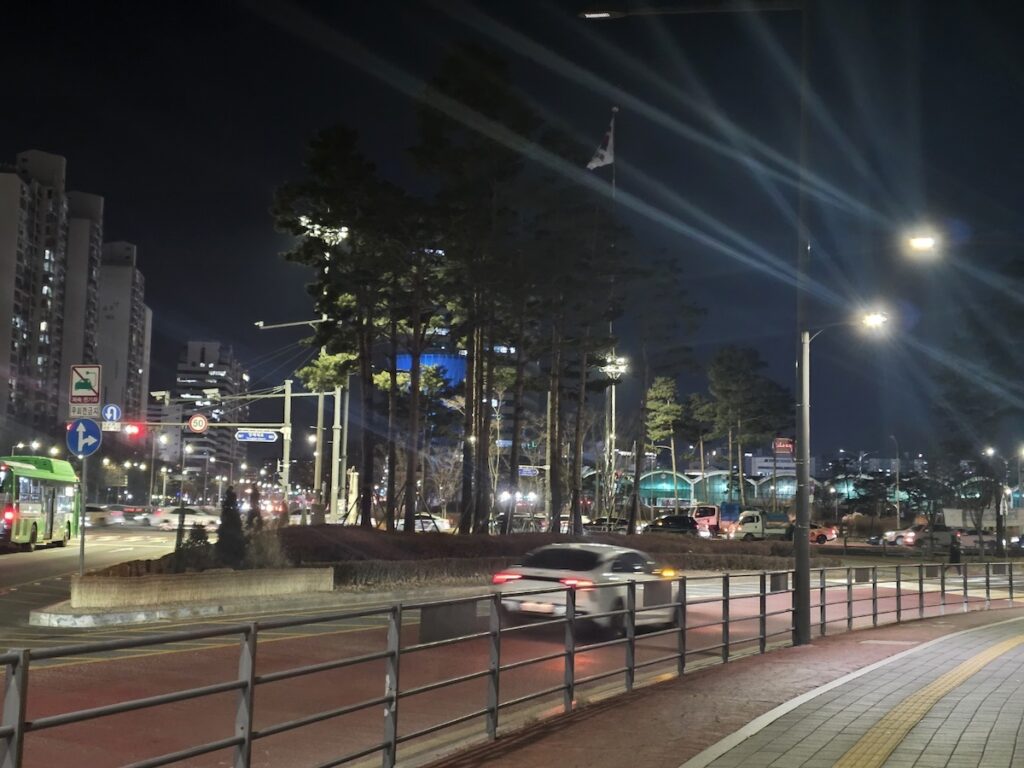
2 | Right Turn on Red: The Mandatory 3-Second Stop Revolution
A major point of confusion in Driving Laws in Korea for Foreigners is the 2026 updated regulation regarding right turns at intersections. For many Westerners, “Right Turn on Red” is a standard practice of yielding, but in Korea, it has become a mandatory “Dead Stop” zone.
- The Full Stop Rule: Whether the pedestrian signal is green or red, you must come to a Complete Dead Stop at the stop line before proceeding with a right turn. If a pedestrian is even standing at the corner with the intent to cross, you must remain stopped.
- The “12 Critical Negligence” Trap: Right-turn accidents at crosswalks are categorized under the “12 Critical Negligence Accidents” (12대 중과실). Under Korean law, if you commit one of these 12 errors, you are criminally liable regardless of your insurance status. This means the police will open a criminal case against you automatically.
- Why Legal Expense Insurance is Vital: Because these 12 categories bypass the standard insurance shield, having Legal Expense Insurance (법률비용지원보험) is the only way to protect your status in Korea. For expats, a criminal record for a traffic violation can lead to the non-renewal of an F-series or E-series visa, essentially ending your life in Korea.
3 | Financial Risks: Why “Basic Insurance” is a Trap for Expats
When Driving Laws in Korea for Foreigners intersect with the insurance market, many expats make the mistake of choosing the cheapest “Basic Liability” plan. In 2026, this is a dangerous gamble.
- Civil vs. Criminal Coverage: Standard car insurance covers the “other person’s car” and “the other person’s hospital bills.” It does nothing for your legal defense.
- The Surge in Settlement Costs: In recent years, settlement amounts for pedestrian accidents have skyrocketed. A typical “Settlement Subsidy” (형사합의금) can now range from 30 million to over 100 million KRW. Without a dedicated Driver’s Insurance policy, you would have to pay this out of pocket to avoid jail time.
- The Strategic Move: If you are renting a car through a major agency, always ask for the “Super CDW” (Collision Damage Waiver) and check if they offer an add-on for Personal Legal Protection. If you own a car, purchasing a standalone Driver’s Insurance policy (usually costing 10,000–20,000 KRW per month) is the single most important financial decision you can make.
4 | Proactive Protection: Technology and Documentation
To survive the strict Driving Laws in Korea for Foreigners, you must use the same tools the locals use to protect themselves.
- The “Black Box” (Dashboard Camera): In Korea, a Black Box is not an accessory; it is your primary witness. In the event of an accident in a School Zone, your camera footage is the only thing that can prove you were driving under 30km/h and that the pedestrian acted unpredictably.
- Safety Report Apps: Be aware that in 2026, any citizen can report your traffic violation (littering, lane crossing, or stopping on a crosswalk) via the “Safety Report” app. If someone records your car on their phone, a fine will arrive at your door within a week. There is no arguing with digital evidence.
5 | Conclusion: Driving with a “Legal Shield”
Mastering Driving Laws in Korea for Foreigners requires a shift in mindset. You are not just driving a car; you are managing a potential legal liability. By securing the right Legal Expense Insurance and strictly adhering to the Min-sik Law and Right-Turn rules, you can enjoy the freedom of the Korean roads without the fear of a life-altering legal battle.