Safety in South Korea for Tourists often feels surprising at first. In Seoul, you may see a laptop left alone on a cafe table, a phone resting on a restaurant counter, or delivery packages waiting quietly outside apartment doors. For many visitors, this level of trust can feel almost unbelievable.
But South Korea’s safety is not simply about people being “honest.” It comes from a mix of social trust, respect for personal belongings, dense CCTV coverage, digital records, and clear legal expectations around lost property. That is why one simple rule matters so much for travelers: if it is not yours, do not touch it.
A wallet on a subway seat, cash near an ATM, a phone in a cafe, or a package outside an apartment door should never be treated as a lucky find. In Korea, taking someone else’s lost item can quickly become a serious misunderstanding, even if you did not mean to steal. This guide explains how safety works in Korea, why lost items often stay where they are, and what tourists should do when they find something that does not belong to them.
Quick Answer: Is South Korea Safe for Tourists?
Yes, South Korea is generally a very safe country for tourists. Many visitors are surprised to see laptops left on cafe tables, phones resting on restaurant counters, and delivery packages sitting outside apartment doors.
But the reason Korea feels safe is not only because “people are honest.” It is a mix of social trust, strong public norms, dense CCTV coverage, digital payments, and a legal culture that treats other people’s belongings seriously.
For travelers, the most important rule is simple:
If it is not yours, do not touch it.
A wallet on a subway seat, cash near an ATM, a phone on a cafe table, or a shopping bag in a restroom should not be treated as a lucky find. In Korea, picking up someone else’s lost property can become a legal problem, even if your intention was not serious theft.
This article explains why South Korea feels so safe, why lost items often remain untouched, and what tourists should do if they find something that does not belong to them.
1. The Cafe Scene That Surprises Many Visitors
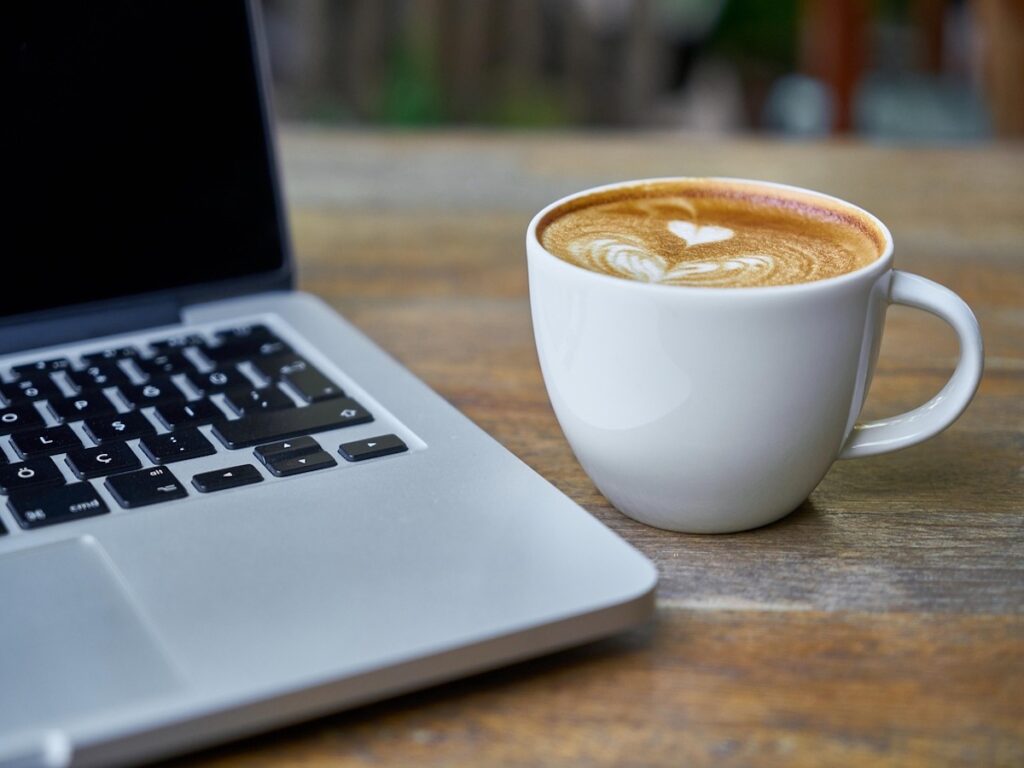
One of the most common culture shocks in Seoul is seeing an expensive laptop left alone in a cafe.
A person may leave a MacBook, tablet, phone, or designer bag on the table while they go to the restroom or step outside to take a call. In some countries, that would feel impossible. In Korea, it is not unusual.
This does not mean theft never happens. It does. But the everyday expectation is different.
Many Koreans grow up with a strong sense that another person’s belongings should not be touched. A bag on a chair, a phone on a counter, or a package in front of a door is not seen as “available.” It belongs to someone, and that boundary is usually respected.
For tourists, this can feel almost magical. But it is better to understand it as a social system, not a miracle.
Korea’s safety comes from both culture and consequences.
2. Why People Do Not Usually Touch Lost Items
In Korea, there is a strong everyday boundary around personal property. Even when something appears unattended, many people assume the owner will come back soon.
This is especially visible in places like:
- Cafes
- Study rooms
- Libraries
- Subway stations
- Restaurants
- Apartment buildings
- University campuses
A student may leave a laptop at a cafe table while ordering another drink. A delivery package may sit in front of an apartment door until the resident comes home. A phone may be left at a restaurant counter and still be there when the owner returns.
Part of this comes from trust. But part of it also comes from awareness.
Most Koreans know that public and commercial spaces are covered by cameras, card payments, phone numbers, building entry systems, and digital records. If someone takes an item, it may not be difficult to trace what happened.
So the safest behavior is also the most common one:
Leave it alone.
3. CCTV Is Part of Everyday Safety in Korea
South Korea has a very visible surveillance environment. CCTV cameras are common in apartment buildings, elevators, streets, cafes, convenience stores, parking lots, and subway stations.
For tourists, this can explain why public spaces often feel orderly and secure. People know that many actions leave a digital trail.
This does not mean every case is solved instantly, and it does not mean tourists should become careless. But it does create a strong sense of accountability.
If a person takes a lost phone from a cafe, uses a card that is not theirs, or picks up cash near an ATM, there may be camera footage, transaction records, and location information that help identify what happened.
That is why Korea’s safety is not only emotional. It is also structural.
4. Do Not Pick Up Cash at an ATM
One of the most important safety rules for tourists in Korea is this:
Do not take cash that you find near an ATM.
Even if it looks abandoned, even if no one is standing nearby, and even if the amount is small, it is not yours.
In Korea, lost property can be legally sensitive. If you find money, a wallet, a card, or a phone and keep it, the situation can be treated much more seriously than tourists might expect.
A better response is:
- Do not put it in your pocket
- Do not take it “just to keep it safe”
- Tell the bank staff if the ATM is inside or near a bank
- Report it to the police or a nearby official
- If you are in a subway station, tell station staff
This is not about fear. It is about understanding that Korea has a clear system for lost and found items.
5. What Counts as a Lost Item?
For travelers, lost items can include more than obvious things like wallets.
In Korea, you should be careful with:
- Cash left near an ATM
- A wallet on a subway seat
- A phone on a cafe table
- A laptop left in a library
- A shopping bag in a restroom
- A delivery package outside an apartment door
- A transportation card on the floor
- A credit card near a payment kiosk
If the item does not belong to you, do not assume it is free to take.
The owner may be nearby. The item may have been lost only a few minutes ago. There may be CCTV. There may be a record of who passed through that area.
The safest and most respectful choice is to report it.
6. What Tourists Should Do If They Find Something
If you find a lost item in Korea, the best action depends on where you are.
In a cafe or restaurant
Give the item to the staff. Tell them where you found it.
You can say:
“I found this here.”
If language is difficult, simply point to the place and hand it to the staff.
In a subway station
Give it to station staff or the station office. Korean subway systems are used to handling lost items.
On the street
If there is no obvious staff member nearby, take it to a nearby police station or police box.
In a taxi
If you find something left behind in a taxi, tell the driver immediately.
In an apartment building
Do not touch packages or items in front of someone’s door. They almost certainly belong to a resident.
The rule is simple: do not keep it, do not move it unnecessarily, and do not treat it as yours.
7. Why Packages Are Often Left Outside Doors
Another thing that surprises many foreigners is the delivery package culture in Korea.
In apartment buildings, delivery boxes are often left in front of doors or in shared delivery areas. Food deliveries, online shopping boxes, groceries, and household items may wait there until the resident comes home.
This works because of several factors:
- Apartment buildings often have CCTV
- Delivery records are digital
- Neighbors usually respect personal property
- Taking a package is socially and legally risky
- Most people understand that the box belongs to a specific resident
For tourists or short-term residents, the rule is obvious but important:
Never touch another person’s delivery package.
Even moving it “to make space” can create misunderstanding. If a package blocks your door or causes a problem, contact building management instead.
8. Korea Is Safe, But Not Risk-Free
South Korea is safe, but it is not a fantasy world where crime never happens.
Tourists should still use common sense:
- Do not leave passports unattended
- Do not leave bags open in crowded nightlife areas
- Keep your phone and wallet close in busy streets
- Be careful when drinking late at night
- Do not follow strangers into unknown places
- Use official taxis or trusted ride methods
- Avoid arguments when alcohol is involved
Korea’s low-theft atmosphere can make visitors relax quickly. That is one of the pleasant parts of traveling here. But safety should not turn into carelessness.
The best mindset is balanced:
Trust the city, but protect your belongings.
9. Why “Finders Keepers” Does Not Work Well in Korea
Some travelers come from places where picking up a small lost item may not feel like a serious issue. In Korea, that mindset can cause trouble.
The phrase “finders keepers” is not a safe rule here.
If something clearly belongs to another person, keeping it can be treated as wrongful behavior. Even if you did not plan a serious crime, the situation can become uncomfortable, stressful, and potentially legal.
This is especially important for foreign residents, exchange students, and workers in Korea. A small misunderstanding involving lost property can become much bigger when police reports, fines, workplace records, or visa concerns are involved.
This does not mean tourists should panic. It simply means they should follow the safest rule:
Report lost property instead of keeping it.
10. What Foreign Residents Should Be Especially Careful About
For short-term tourists, a lost item incident may ruin a trip. For foreign residents, students, or workers, it can be more serious.
If you live in Korea on a visa, any police matter can create stress beyond the immediate incident. The exact immigration consequence depends on the case, the seriousness of the matter, and official review. But it is wise to avoid anything that could create a criminal record or official report.
That includes:
- Taking cash from an ATM area
- Keeping a lost wallet
- Using a found transportation card
- Taking a package from an apartment hallway
- Picking up someone’s phone “to return it later” without reporting it
If you want to help, report the item through the proper channel.
Good intentions are easier to prove when you act immediately and transparently.
11. The Real Meaning of Safety in South Korea
Safety in South Korea is not only about low crime. It is about how society manages shared trust.
People feel comfortable leaving things in public partly because most people respect boundaries. But that trust is supported by systems: cameras, digital payments, building access records, police reporting systems, and social consequences.
That is why tourists should not misunderstand Korean safety as permission to be careless.
The real lesson is not:
“Korea is so safe that nothing matters.”
The better lesson is:
“Korea is safe because people usually respect what belongs to others.”
That difference matters.
12. Practical Safety Rules for Tourists
Here are the most useful rules to remember:
Do not take lost cash, phones, wallets, cards, or packages.
If you find something, give it to staff, subway officials, police, or building management.
Do not touch delivery boxes outside apartment doors.
Do not assume unattended belongings are abandoned.
Keep your own passport, wallet, and phone secure.
Be extra careful in nightlife areas, even in a safe city.
If you are a foreign resident, avoid any situation that could create a police report.
These rules are simple, but they will help you enjoy Korea with fewer problems.
Conclusion: Korea Is Safe Because Boundaries Matter
South Korea can feel surprisingly safe to visitors. A laptop may sit untouched in a cafe. A phone may be returned. A package may wait quietly outside an apartment door.
But this safety is not magic.
It comes from a culture that respects personal boundaries, combined with a modern system of cameras, records, reporting, and accountability.
So enjoy the peace of Seoul. Feel the comfort of walking through a city where people often leave belongings alone. But remember the most important rule of safety in South Korea for tourists:
If it is not yours, do not touch it.
That small rule will protect you, respect others, and help you understand one of the quiet reasons Korea feels so safe.