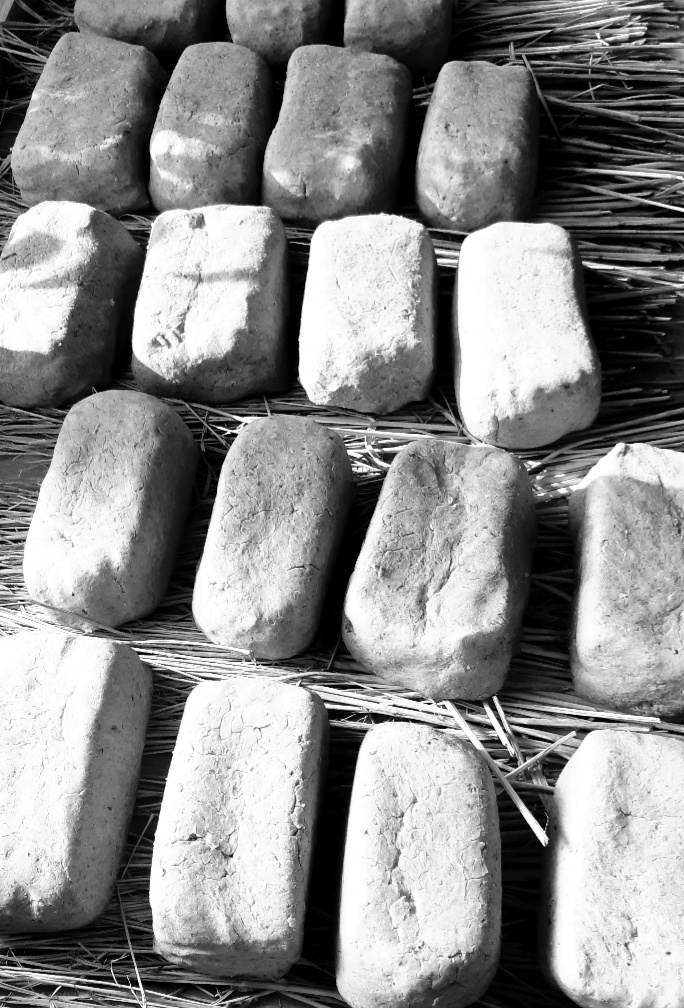
Traditional Korean Fermentation Experience is not just about cooking; it’s about touching the soul of a 5,000-year-old culture. I recently received a dusty, beat-up cardboard box via courier. Inside were several lumps of Cheonggukjang (extra-strong fermented soybean paste). My mother, a woman who has lived in a modern Seoul apartment for decades, looked at those lumps as if she had been gifted pure gold.
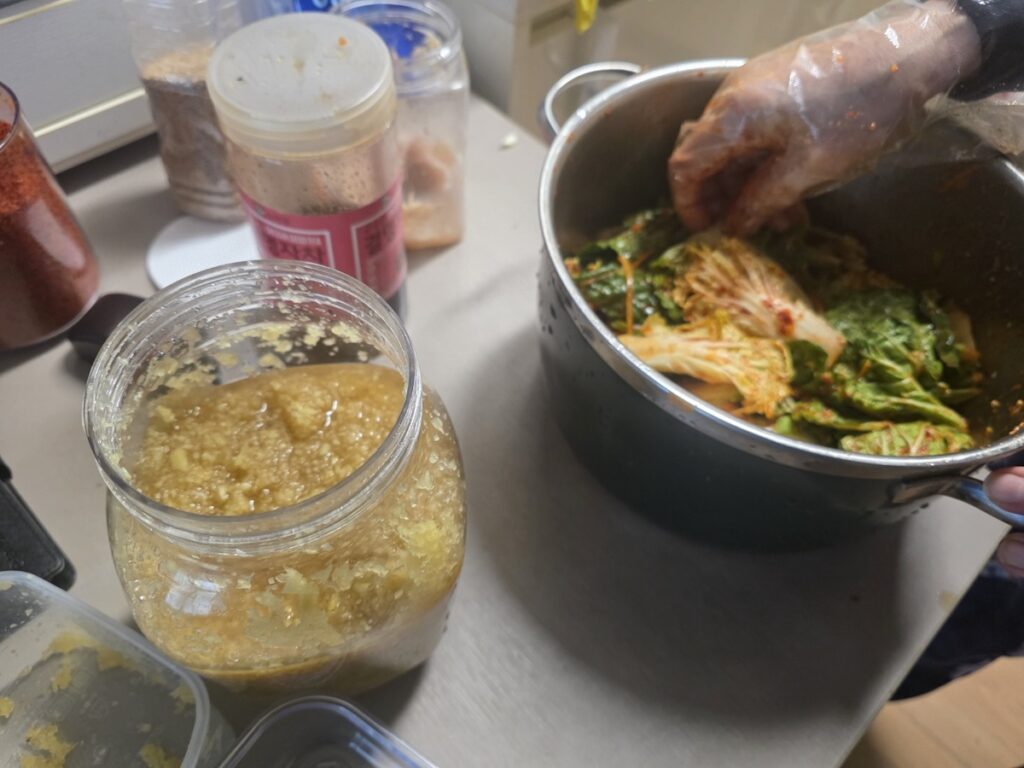
Growing up, I watched my grandmother brew Doenjang in her yard, but in the concrete jungle of Seoul, the pungent aroma and the vast space required for fermentation have made this tradition a rare luxury. For my mother, that box was a piece of her identity, a culmination of a farmer’s patience and the slow passage of time. If you want to truly understand the resilience and health of the Korean people, you must dive into the world of ‘Jang’.
For those visiting Seoul, I highly recommend stepping away from the neon lights and into a traditional courtyard to experience this “Slow Food” revolution firsthand.
🏛️ Where to Experience Authentic Jang-making in Seoul
If you are looking for a Traditional Korean Fermentation Experience that has been recognized by global media and seen in famous K-dramas, here are the top picks.
1. Korea Traditional Food Institute (Yoon Sook-ja)
Located near the historic Changdeokgung Palace, this institute is a staple for global media outlets like the BBC and New York Times. It specializes in making the “Mother Sauce” of Korea.
- Why it’s special: Master Yoon Sook-ja is a legendary figure who has introduced Korean food to global leaders.
- Location: 71, Waryong-dong, Jongno-gu, Seoul.
- Programs: Doenjang and Gochujang making workshops specifically designed for foreigners.
2. Namsangol Hanok Village (1890s Seoul Experience)
This location is a frequent filming site for historical K-dramas. It offers a cinematic backdrop where you can learn the fermentation process amidst traditional architecture.
- Why it’s special: It’s one of the few places where you can see the Jangdokdae (earthenware jar terrace) in the heart of the city.
- Location: 28, Toegye-ro 34-gil, Jung-gu, Seoul.
- Programs: Seasonal fermentation classes (Registration required via official website).
3. Food & Culture Academy
This academy was famously featured in various international travel documentaries. They focus on how these traditional sauces can be used in modern fusion cuisine.
- Why it’s special: They bridge the gap between traditional ‘Jang’ and modern Western palates, teaching you how to use Gochujang as a steak sauce or salad dressing.
- Location: 3rd Floor, 12, Pirundae-ro, Jongno-gu, Seoul.
- Organization: Food & Culture Korea.
🏛️ The Science and Soul of Jang: Why the World is Watching
1. A UNESCO Human Treasure (December 4, 2024)
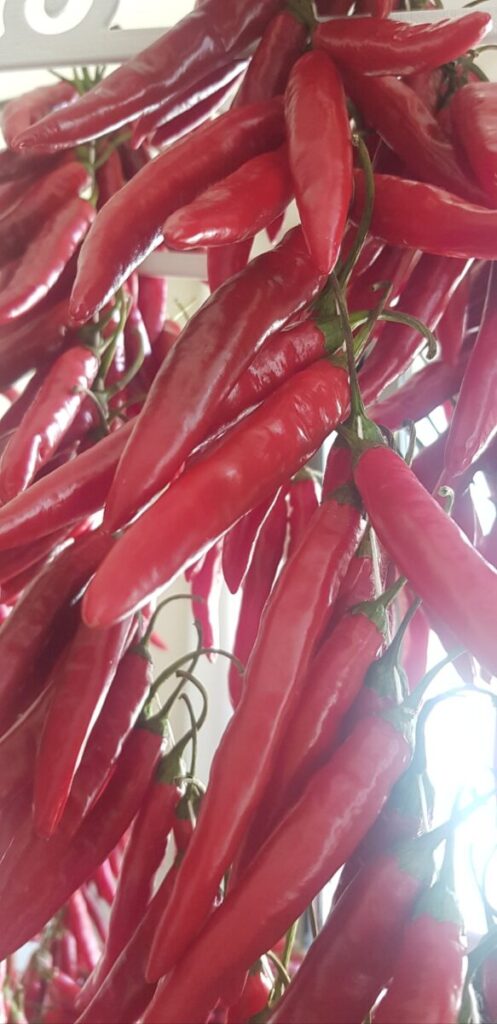
On December 4, 2024, Korea’s ‘Jang-making culture’ was officially inscribed on the UNESCO Representative List of the Intangible Cultural Heritage of Humanity. This recognition celebrates not just the recipe, but the collective wisdom, patience, and communal spirit involved in fermenting soybean pastes (Doenjang, Ganjang, and Gochujang) that has been passed down for millennia.
2. Nutritional Powerhouse for the Western Body
While the Western diet is often rich in proteins and fats, it frequently lacks the active probiotics and enzymes found in fermented foods.
- The Proteolysis Magic: During the fermentation of Jang, complex soybean proteins are broken down into amino acids. This makes it incredibly easy for the body to digest, making it a perfect accompaniment to heavy meat-based Western meals.
- Cancer Prevention & Detox: Rich in isoflavones and bacillus subtilis, Jang acts as a powerful antioxidant. It helps cleanse the liver and blood, counteracting the inflammatory effects of processed sugars and saturated fats common in modern Western diets.
3. Why it’s a “Sauce Revolution” for You
Westerners often rely on high-sugar, high-calorie sauces like ketchup or BBQ sauce. Transitioning to Jang-based sauces isn’t about changing your culture; it’s about upgrading your gut health. It provides the ‘Umami’ you crave without the chemical additives, acting as a “living food” that strengthens your immune system from the inside out.
4. Voices of the Global Elite
- Jeong Kwan (The Philosopher Chef): Featured on Netflix’s Chef’s Table, she famously said, “Jang is the beginning and the end of the flavor. It is the wisdom of time.”
- Eric Ripert (Michelin 3-Star Chef): A known advocate for Korean fermentation, he often describes Doenjang as a “magic ingredient” that adds a deep, earthy soul to any dish.
🏛️ The Sauce Revolution: Integrating Jang into Your Western Kitchen
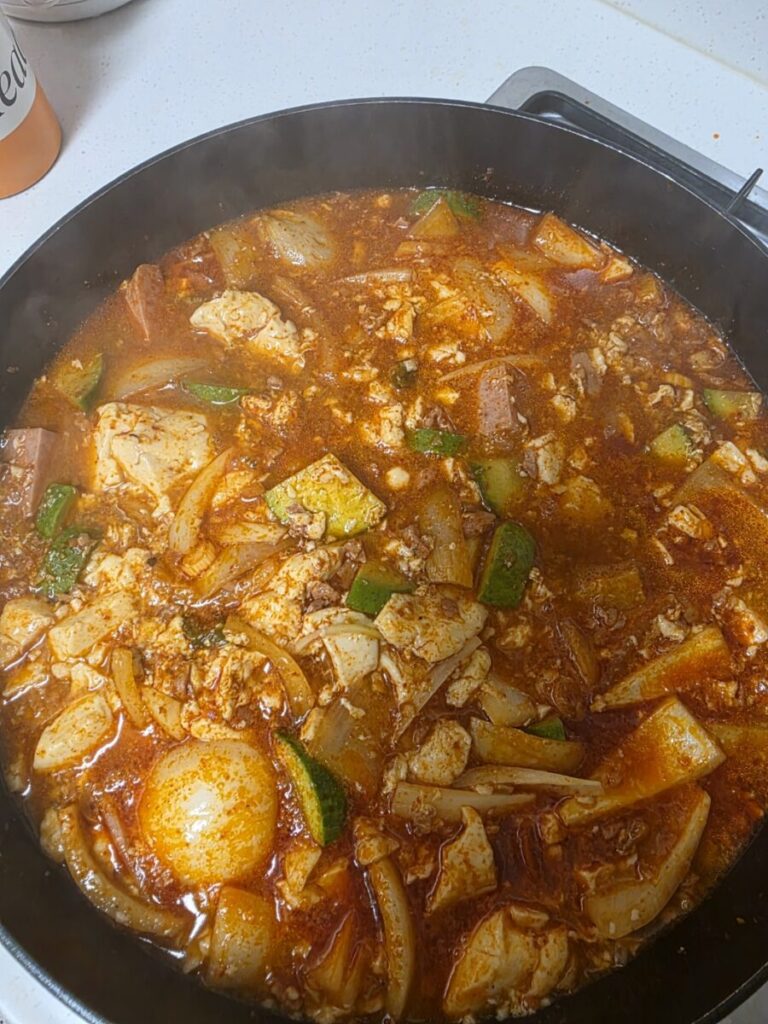
For many in the West, Korean ‘Jang’ is seen only as an ingredient for exotic stews. However, the true power of fermentation lies in its versatility. You don’t have to change your entire diet; you simply need to upgrade your sauces.
1. The Ultimate Steak Companion: Gochujang over BBQ Sauce
Stop reaching for that sugar-laden BBQ sauce or generic hot sauce. Try a Gochujang-based glaze on your next ribeye or sirloin.
- The Science of Flavor: The natural capsaisin in Gochujang cuts through the heavy fat of the meat, while the deep, fermented umami elevates the beef’s natural flavor to a level no vinegar-based hot sauce can match.
- Health Tip: Unlike commercial sauces filled with high-fructose corn syrup, authentic Gochujang offers a complex profile born from time and sun, aiding your digestion while you enjoy your meal.
2. The Antioxidant Salad Dressing: Ganjang (Soy Sauce) & Olive Oil
Replace your heavy, creamy dressings with a light, “living” vinaigrette made from Traditional Ganjang.
- The Recipe: Simply whisk together traditional Ganjang, extra-virgin olive oil, and a splash of organic vinegar.
- The Benefit: This combination creates a chemical-free, “Natural Antioxidant Diet” on your plate. The enzymes in the Ganjang work in harmony with the healthy fats of the olive oil to boost your nutrient absorption and gut health.
3. Beyond the Hot Sauce: A New Culinary Vocabulary
Westerners value the “Source” of their food, but they often neglect the “Sauce.” By incorporating these ancient Korean pastes into your grilling and salad prep, you aren’t just eating Korean food—you are pioneering a healthier, more flavorful way of Western living.
🏛️ Related Guides: Master the Art of Korean Fermentation
If you found the Traditional Korean Fermentation Experience intriguing, you’ll love these deep dives into how Korea preserves its health and heritage through time and technology.
- Beyond Cold: 7 Secrets of the Kimchi Refrigerator & Why You Need One in 2026
- Discover the specialized technology that mimics the ancient earthen jars (Jangdokdae) mentioned in this guide to keep your ferments at the perfect temperature.
- Sustainable Meal Prep: The Amazing Korean Secret to a Zero-Waste Fridge
- Learn how ‘Jang’ serves as the ultimate base for a sustainable, healthy lifestyle, reducing waste while maximizing flavor in your daily kitchen.
- The Ultimate Guide to Korean Makgeolli Culture: Teapots, Seasonal Oyster Jeon, and Local Vibes (2026)
- Pair your handmade Gochujang steak with the world of Korean rice wine. Explore the social rituals and seasonal pairings that define the Korean spirit.
🏛️ Action Plan for Your Fermentation Journey
- Check the Season: Traditional Jang is usually made in late winter or early spring, but many academies offer year-round Gochujang (red chili paste) workshops.
- Book in Advance: Places like the Korea Traditional Food Institute require at least 1 week’s notice for English-speaking instructors.
- Think Beyond Korea: When you attend the class, ask the master how to pair Doenjang with your local ingredients back home. It will change your culinary life.