“The SRT booking struggle from Jeonju to Seoul is a result of high demand from long-distance commuters and a limited weekday schedule, often requiring hundreds of manual refreshes to secure a single seat.”
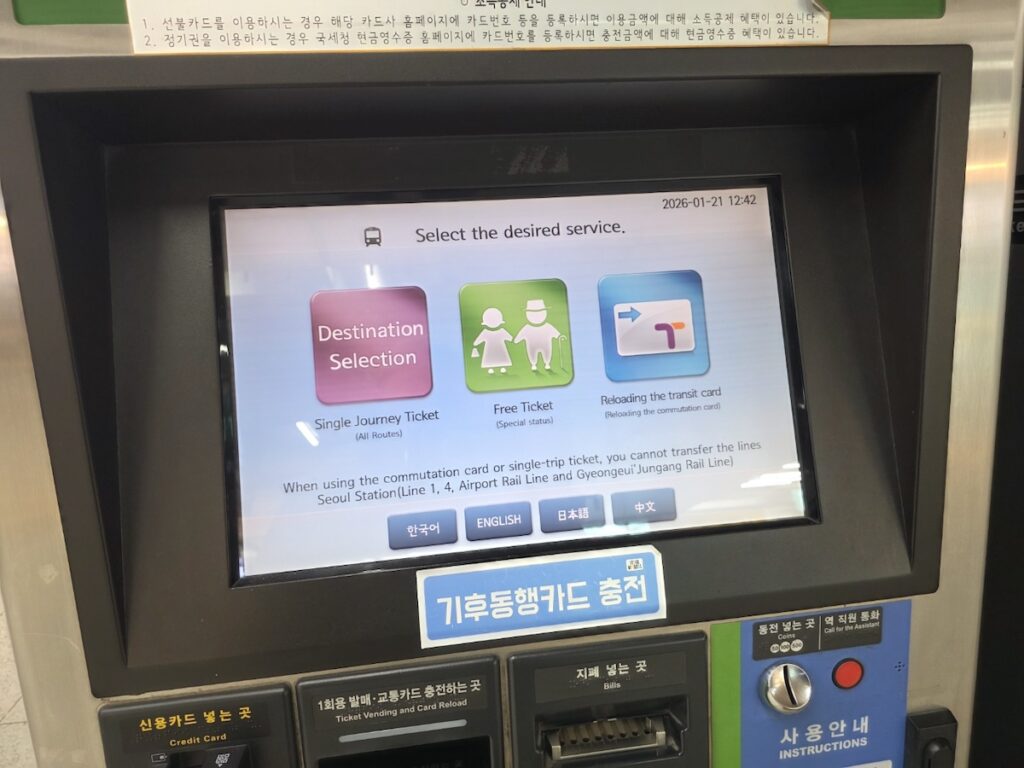
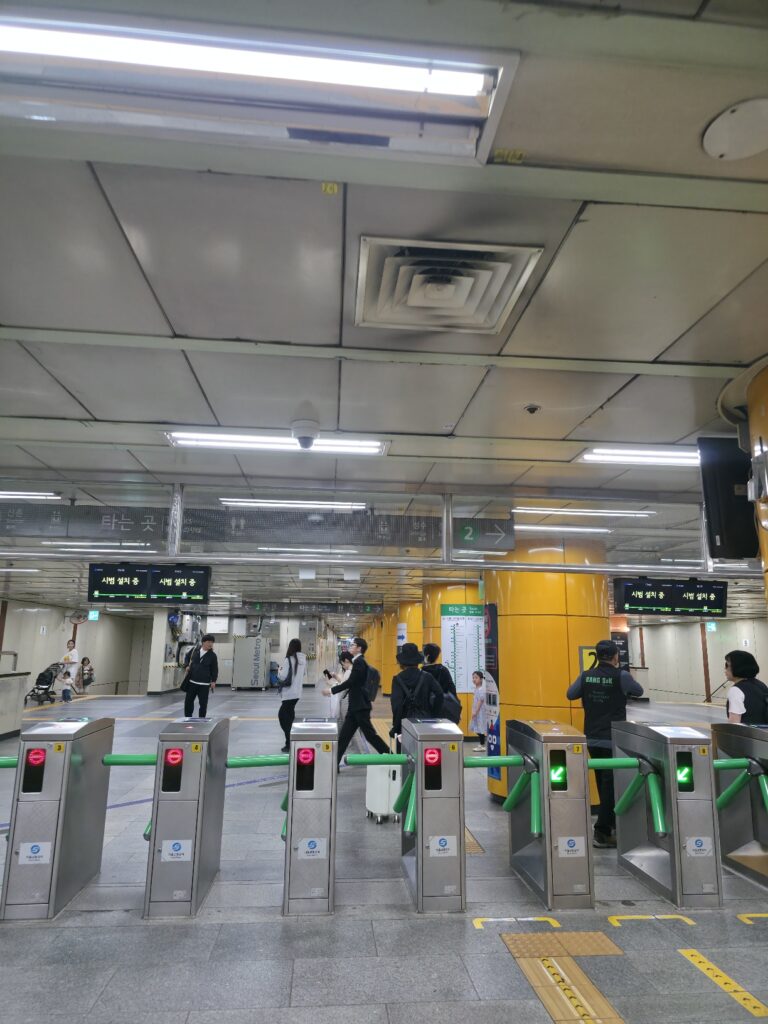
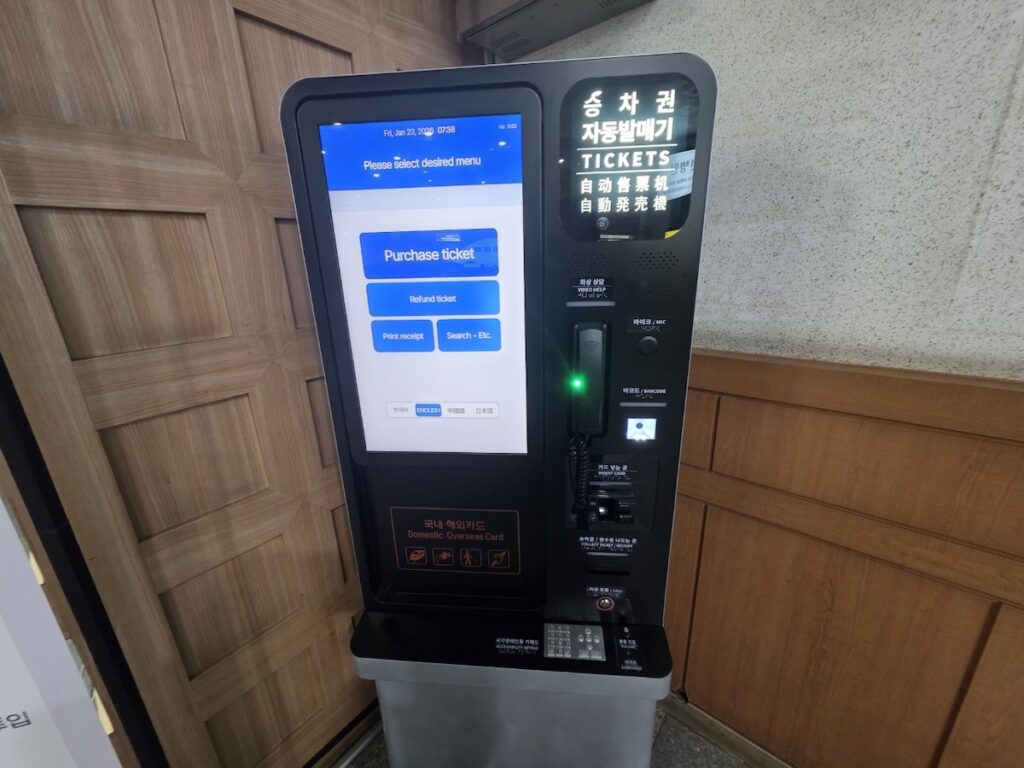
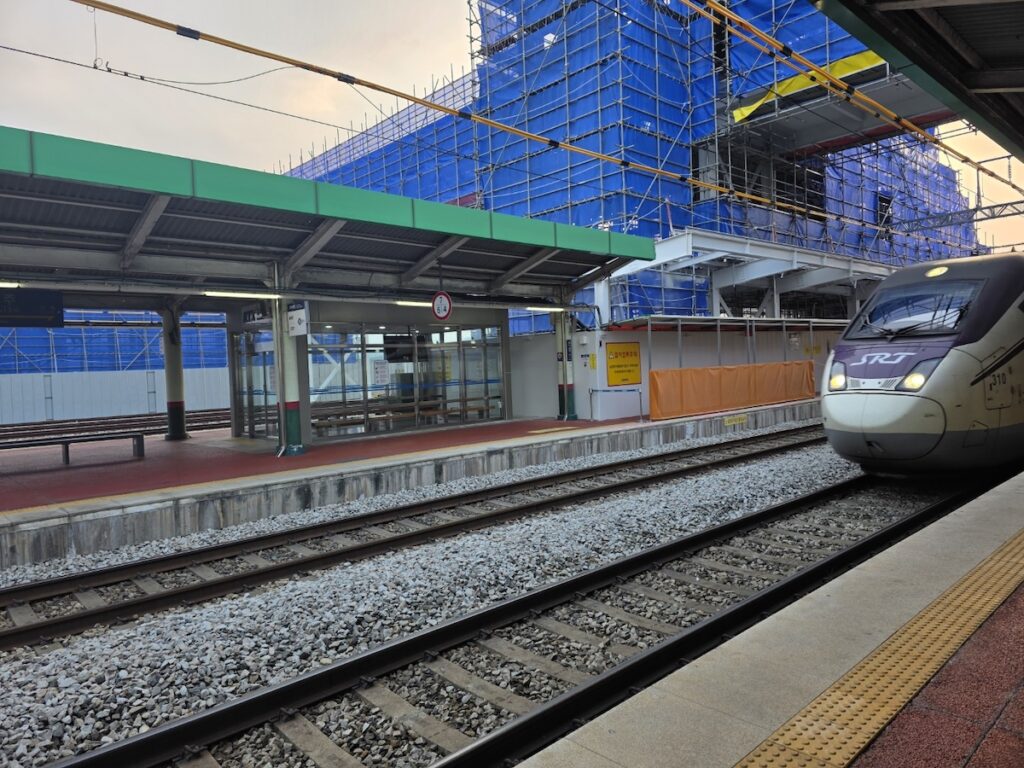
The journey from Jeonju back to Seoul is not a simple commute; it is a tactical battle against digital scarcity. To secure a seat on the only 08:10 AM SRT departing Jeonju on a weekday, I found myself performing a modern ritual: pressing the “refresh” button 600 times. As I stood at the near-empty station, watching the skeletal remains of manual ticketing counters replaced by cold, efficient machines, I felt the weight of a world where AI is slowly thinning the human presence. This is the price of progress—a journey that starts with digital exhaustion but ends in a high-speed sanctuary designed to return you to your “real life” with clinical precision.
1. How My SRT Booking Struggle Led to a “Local Soul” Discovery
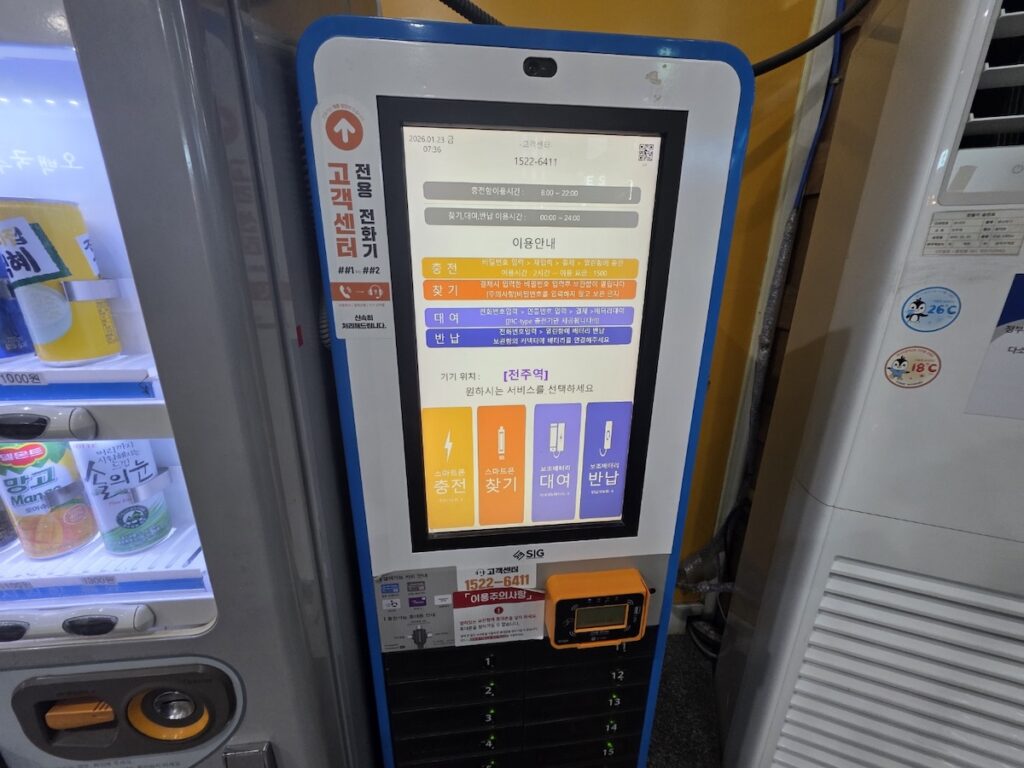
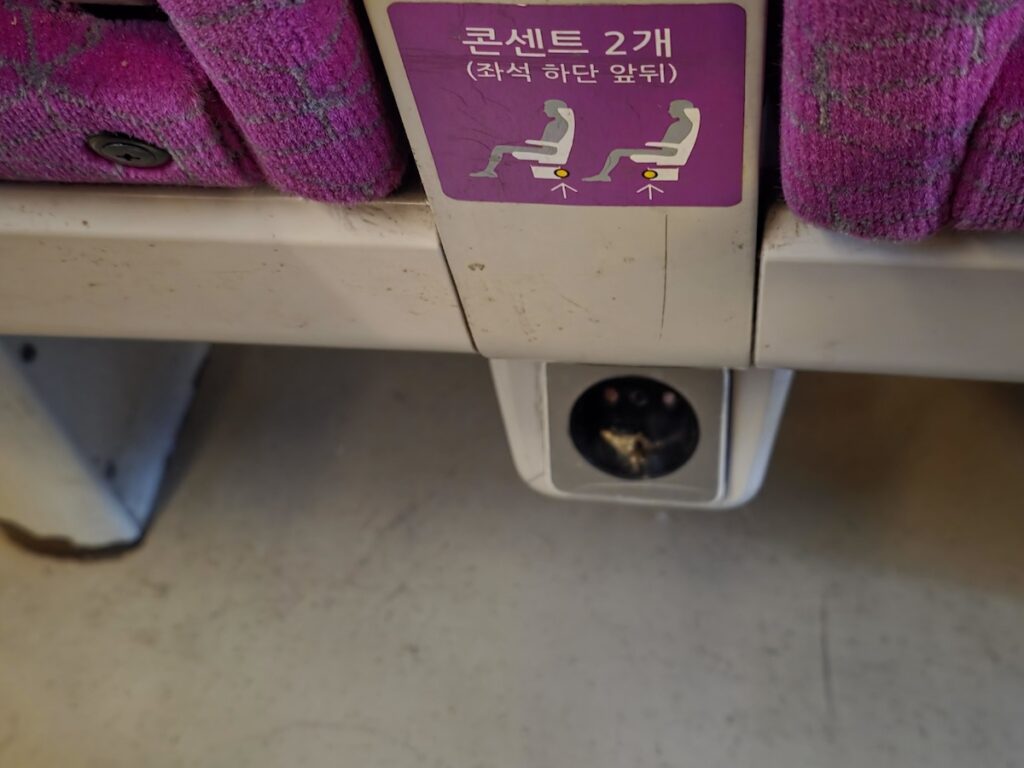
Once you are inside the SRT, the physical amenities feel like a reward for your persistence. Every seat is equipped with a power outlet, a lifeline for the modern traveler. However, there is a hidden social cost. If you are seated next to a stranger, the act of leaning down to plug in your charger feels like a profound invasion of space. You have to virtually bury your head near the floor, hoping your movements don’t disturb the person next to you. It is a moment of intense social awkwardness, yet in that 300km/h rush, you find yourself deeply grateful for the electricity that keeps your digital life alive.
2. The Mechanical Evolution at Iksan
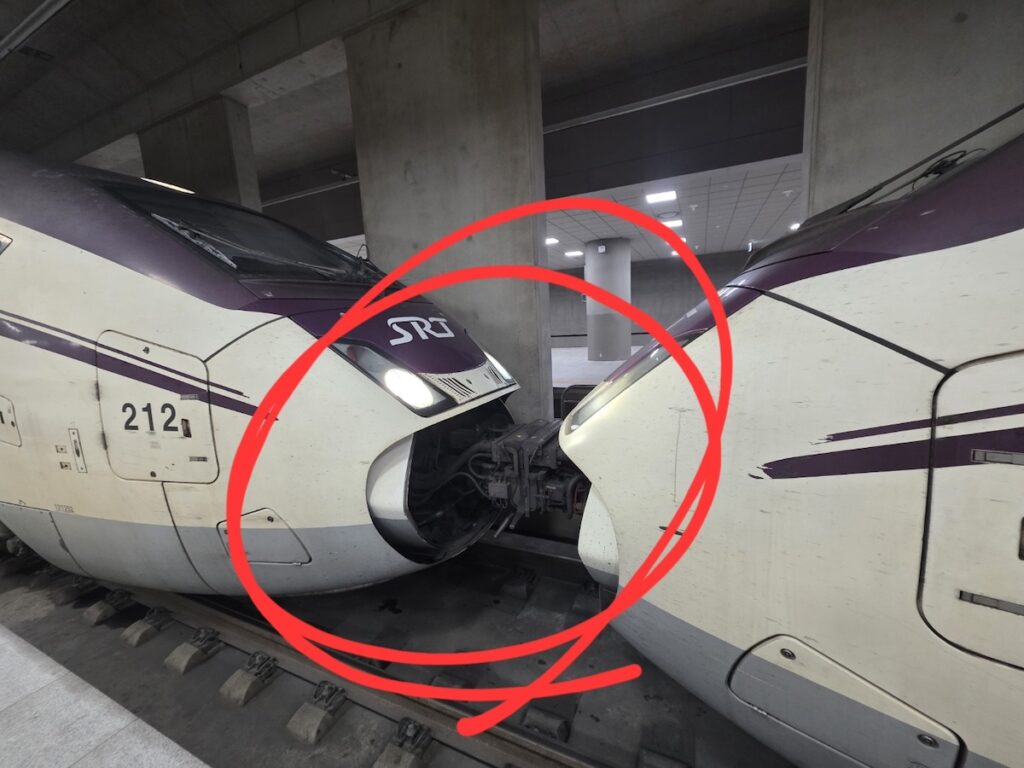
The SRT is a master of transformation. Departing Jeonju, we were a compact 8-car unit. But at Iksan, the station of transitions, I witnessed the “Mechanical Merger.” Another 8-car set glides in, joining our train to create a massive 16-car steel giant. Watching hundreds of people move toward the capital in this synchronized machine is a testament to Korea’s relentless logistics. We are no longer a small regional train; we are a high-capacity artery pumping the soul of Jeolla back into the heart of Seoul.
3. The Aisle Seat Dilemma: A Lesson in Space
Despite my 600 refreshes, I was relegated to the aisle seat. While the SRT offers more legroom than the KTX, the aisle seat remains a place of psychological vigilance. You are at the mercy of your neighbor’s bladder. Every time they stir, you must prepare to fold your body and stand, breaking your own rhythm to accommodate theirs. It is the ultimate test of Korean “nunchi” (social sensing)—a constant, silent negotiation of space in a vessel where everyone is just trying to find a moment of peace before the city swallows them again.
4. The Subterranean Bullet: Dongtan to Suseo
As the train approaches its final destination, the landscape disappears. Between Dongtan and Suseo, the SRT becomes a subterranean bullet, flying through the darkness of one of the world’s longest tunnels. There is something profoundly futuristic about traveling at high speed underground. You are disconnected from the weather and the sky, hurtling through the earth toward the busiest city in the country. This is the final phase of the transition—the darkness of the tunnel serves as a sensory deprivation chamber, preparing you for the overwhelming noise of Suseo Station.
5. The Economic Worth of Peace
At approximately 30% more expensive than the express bus, the SRT is an investment in time and sanity. In a nation where long-distance commuters have made booking a ticket nearly impossible, the simple act of holding a confirmed seat is a luxury. Once you hear the final chime and step onto the platform in Seoul, the 600 refreshes and the aisle-seat awkwardness fade away. You are home, and you are ready to face the world once more.
6. Action Plan (The Ticket Hunter’s Creed)
- The 08:10 AM Target: If traveling on a weekday, set your alarm early. This single train is the golden ticket for those avoiding the bus.
- The Social Charger Hack: Plug in your charger before your seatmate sits down. It saves you the awkward “head-to-floor” bow later.
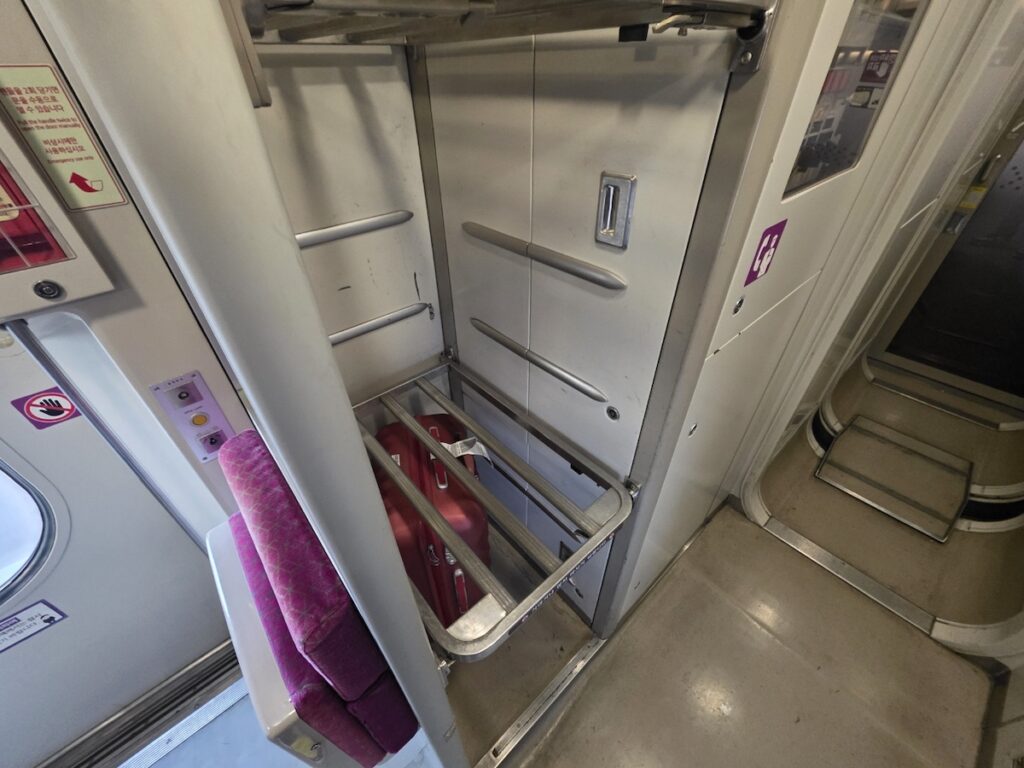
- Know the 16-Car Logic: Remember, you cannot walk between Car 8 and Car 11. If you board at Iksan, double-check your section.
- Accept the Aisle: If you can’t get the window, embrace the aisle as a lesson in patience. Use the extra legroom to stretch, but keep your ears open for your neighbor’s signal.
7. Related Guides: Beyond the High-Speed Tracks
If your journey through Korea’s high-speed rail systems has left you craving deeper cultural immersion or even more rugged travel experiences, explore our curated survival guides:
- Jeonju Makgeolli Street Guide: Kettle Service, Endless Anju, and How to Do It Right – After the sun sets in Jeonju, follow the sound of brass kettles. This is our definitive guide to navigating the “Endless Anju” culture of Jeonju’s most famous drinking district.
- Snowy Donghae Travel: A Complete Winter Guide to Korea’s East Coast (2026) – When the winter snow blankets the coast, the East Sea transforms into a cinematic masterpiece. Discover the hidden spots along the Donghae line for the ultimate seasonal retreat.
- The Ultimate Guide to Cycling Jeju Island: 234km of Coastal Magic for Expats and Travelers – For those who find the SRT too fast, slow down on the island of the gods. A 234km odyssey through Jeju’s coastal winds, designed specifically for the expat and the long-term traveler.