How to get to Seoul from Camp Humphreys is the first ritual every newcomer must master to truly unlock the South Korean experience. While the fortified perimeter of Pyeongtaek offers security and comfort, the magnetic pull of Seoul’s “Cinematic Glow”—from the heights of Lotte World Tower to the hidden bars of Hannam—is what defines an elite expat’s weekend. Based on my “Midnight Run” through the Gyeonggi corridors, here are the three master routes to bridge the gap between your fortress and the capital.
1. The Anjeong-ri Ritual: How to Get to Seoul from Camp Humphreys by Premium BusBus
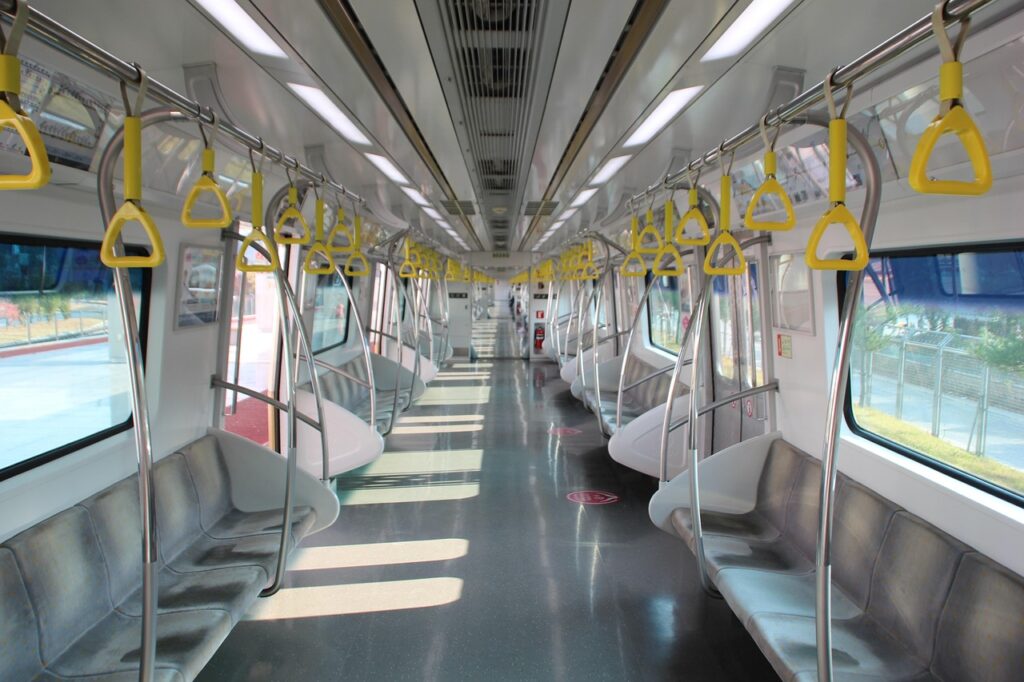
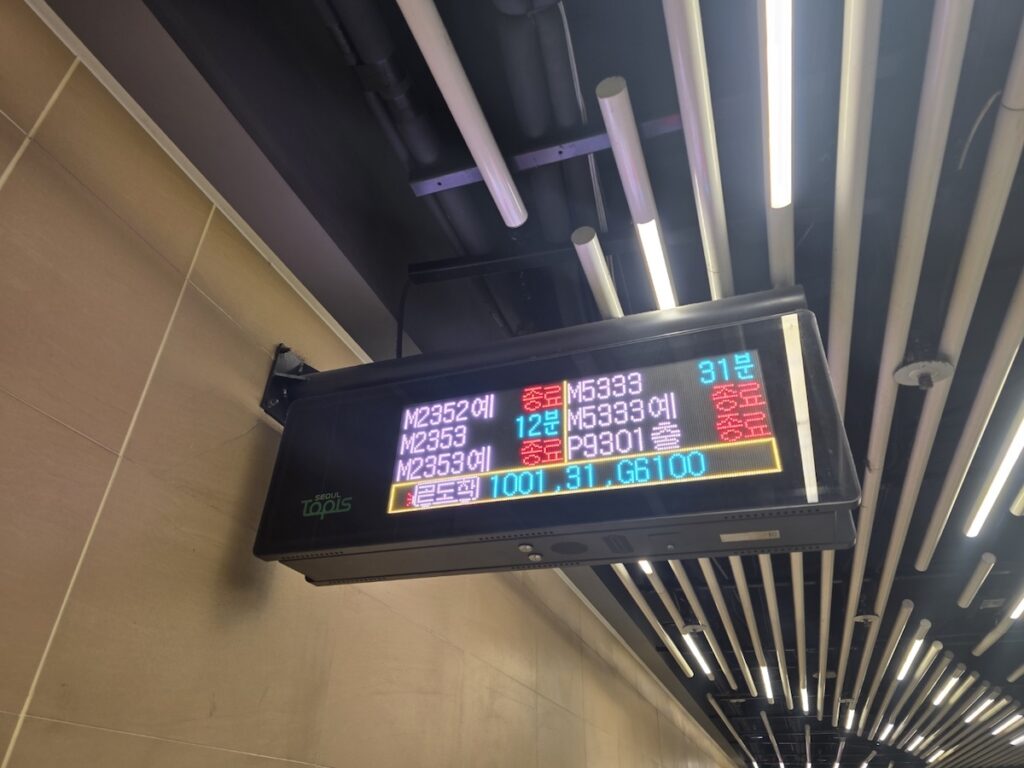
For those residing near the Walk-in Gate (Anjeong-ri), the premium red bus (specifically the 6600) is the most iconic “One-Tap” entry into the capital. It is not just transportation; it is an initiation into the Korean commuting flow.
The Cost and Currency Ritual
As of 2026, the fare for this elite corridor is approximately 3,100 KRW.
- The Payment Rule: Cash is a relic of the past on these routes. You must use a Korea Credit Card with a Postpaid Transit (Hu-bul) function or a pre-loaded T-Money card.
- The Ritual: Tapping your card upon entry and hearing the distinctive “beep” signifies your readiness. Crucial Tip: You must tap your card again on the reader before exiting the rear door to ensure you are not overcharged based on the distance.
The 12-Stop Journey
The journey from Camp Humphreys to the heart of Gangnam typically covers 10 to 12 major stops.
- The Flow: The bus navigates through the Pyeongtaek outskirts for the first 20 minutes before hitting the Gyeongbu Expressway. Once on the highway, it utilizes the dedicated “Blue Lane” (Bus Only Lane), bypassing the weekend gridlock like a cinematic jump-cut.
- Timing: Expect a 90-minute transit. This is the “Observant Silence” phase of your weekend, where you watch the rural rice fields of Gyeonggi-do transform into the neon-lit canyons of Seoul.
Survival Nuances: The “No Bell, No Stop” Rule
Foreigners often miss their stops because they assume the bus stops at every station. This is a high-stakes mistake.
- The Red Button Ritual: To exit, you must locate the red “Stop” button on the wall or ceiling pillars. You must press it at least 200 meters before your destination. If no one presses the bell and no one is waiting at the stop, the driver will maintain full speed. No Bell, No Stop.
- The Announcement Ritual: While English announcements are standard, they can be muffled by engine noise. Keep your GPS active on your phone to track your progress in real-time.
- The Full-Occupancy Variable: On Sunday evenings returning from Seoul, buses often reach full capacity at the first two stops. In Korea, standing on expressways is strictly prohibited for safety. If the seat counter at the front shows “0,” the driver will not stop for you. Always have a 20-minute buffer for the next bus during peak hours.
2. The SRT Jump: Fast-Tracking to Jamsil’s Luxury Peak
For those who value time as the ultimate currency, the SRT (Super Rapid Train) ritual from Jije Station is a cinematic jump-cut across the Gyeonggi plains.
- The Investment: A one-way ticket from Jije to Suseo costs approximately 7,700 KRW. While the journey is a mere 20 minutes, the demand is high.
- The Booking Ritual: Weekend seats vanish quickly due to the high volume of personnel moving from the Humphreys bubble. You must book via the SRT app at least 3–5 days in advance. Using a Korea Credit Card for Foreigners ensures a frictionless transaction, bypassing the common “foreign card decline” frustrations.
- The Jamsil Luxury Horizon: Upon arriving at Suseo, a 15-minute taxi ride brings you to Jamsil, the epicenter of Seoul’s luxury lifestyle.
- Signiel Seoul: Located on floors 76–101 of the Lotte World Tower. A ritual of sleeping above the clouds. (Approx. 600,000 – 1,200,000 KRW/night)
- Sofitel Ambassador Seoul: French luxury overlooking Seokchon Lake. (Approx. 350,000 – 600,000 KRW/night)
- Lotte Hotel World: A classic choice with immediate access to Lotte World and high-end shopping. (Approx. 300,000 – 500,000 KRW/night)
3. The Freedom Drive: The Gyeongbu Corridor and the Safety Ritual
Exiting the Camp Humphreys Main Gate or CPX Gate in your own vehicle is the ultimate ritual of freedom, but it requires tactical preparation before you hit the Highway 1 (Gyeongbu) flow.
The Pyeongtaek Maintenance Ritual
Before the long-range sprint to Seoul, a vehicle check-up near Paengseong is essential.
- Hyundai Bluehands (Paengseong): The standardized hub for Hyundai owners to ensure tires and fluids are optimized for highway speeds.
- Kia Auto Q (Pyeongtaek): The reliable stop for Kia drivers to conduct a quick “pre-flight” inspection.
- Insider Tip: Simply tell the mechanic, “Check-up for Seoul trip,” and they will prioritize the high-speed safety components.
The Insurance Shield (The Safety Net)
Navigating Seoul’s aggressive weekend traffic—where lanes are tight and the pace is relentless—requires a sophisticated “Safety Net.” An unexpected fender-bender in a foreign land can instantly ruin your weekend ritual without the right protection.
- English-Support Policy: Verifying your Best Car Insurance for Expats is the most critical step of your departure checklist. You need a provider that offers 24/7 English Emergency Support and immediate on-site dispatch.
- The Asset Protection: This is not just about your car; it is about protecting your bank account and your ARC status from the complexities of Korean liability laws. Ensuring your car insurance is tailor-made for the expat community is the hallmark of an elite driver.
Related Guides: Mastering the Elite Korean Ritual
To fully unlock the potential of your Seoul entry ritual, you must ensure your lifestyle infrastructure is as seamless as your transit. Explore these master guides to complete your South Korean integration.
- 2026 Guide: Private Health Insurance for Foreigners in Korea
- The Safety Net: Navigating the Gyeongbu Expressway requires more than just skill. Ensure your weekend drive is shielded by the elite medical coverage you deserve.
- 3 Cinematic Rituals to Master the Seoul Elite Lifestyle: A Master Guide
- The Philosophy: Beyond the transport, discover the core rituals that define the high-stakes lifestyle of the Seoul elite, from midnight runs to hidden sanctuaries.
- Korea Credit Card for Foreigners: 5 Elite Steps to Unlock Your Samsung Pay Ritual
- The Power: From booking your Signiel suite to seamless SRT taps, master the credit rituals that eliminate the friction of foreign residency.
Conclusion: Mastering the Pyeongtaek-Seoul Corridor
Mastering the journey between Camp Humphreys and Seoul is more than just a logistical task; it is the ultimate ritual of balancing your duty in Pyeongtaek with the vibrant soul of the capital. While the physical distance is roughly 65 to 80 kilometers depending on your gate of departure, the psychological distance is bridged by the elite transit options at your disposal.
The Velocity of Your Ritual
- SRT Jump: 20 minutes (Jije to Suseo) – The choice for the time-conscious elite.
- Luxury Red Bus: 80–100 minutes – The seamless flow for those seeking a contemplative transit.
- Private Drive: 60–90 minutes – The ultimate expression of freedom on the Gyeongbu Expressway.
The Overnight Ritual: Why One Night in Seoul Changes Everything
The true magic of the “Seoul Entry Ritual” is not in the day trip, but in the overnight stay. Waking up in a high-rise suite in Jamsil or Gangnam, watching the sunrise reflect off the Han River, offers a mental reset that no on-post facility can replicate. It allows you to explore the midnight glow of the city’s bars and the quiet morning ritual of a hidden café without the pressure of the return commute.
To ensure this transition remains flawless, your preparation must be as sophisticated as your destination. From securing your luxury stay with a premium Korea Credit Card to ensuring your Best Car Insurance for Expats provides a silent shield over your highway drive, every detail matters. Seoul is not just a place you visit; it is a ritual you inhabit.
Final Action Plan for the Elite Expat
- Transport Sync: Map your route from the CPX or Anjeong-ri gate and sync your transit card for the 6600 flow.
- Lotte Tower Reservation: Secure your Jamsil suite early to guarantee the best views of the capital’s skyline.
- Safety Verification: Perform a quick “Bluehands” check in Pyeongtaek and confirm your English-speaking Car Insurance coverage before hitting the Gyeongbu Blue Lane.