Why Everyday Life in Korea Feels Easy and Confusing at the Same Time
How everyday life works in Korea is something most foreigners only begin to understand after a few awkward moments.
At first, Korea feels incredibly convenient. Convenience stores are everywhere. Public transportation is fast. Pharmacies are easy to find. Food delivery is quick. Mobile data is strong. Even small restaurants often use digital systems.
But then the confusion starts.
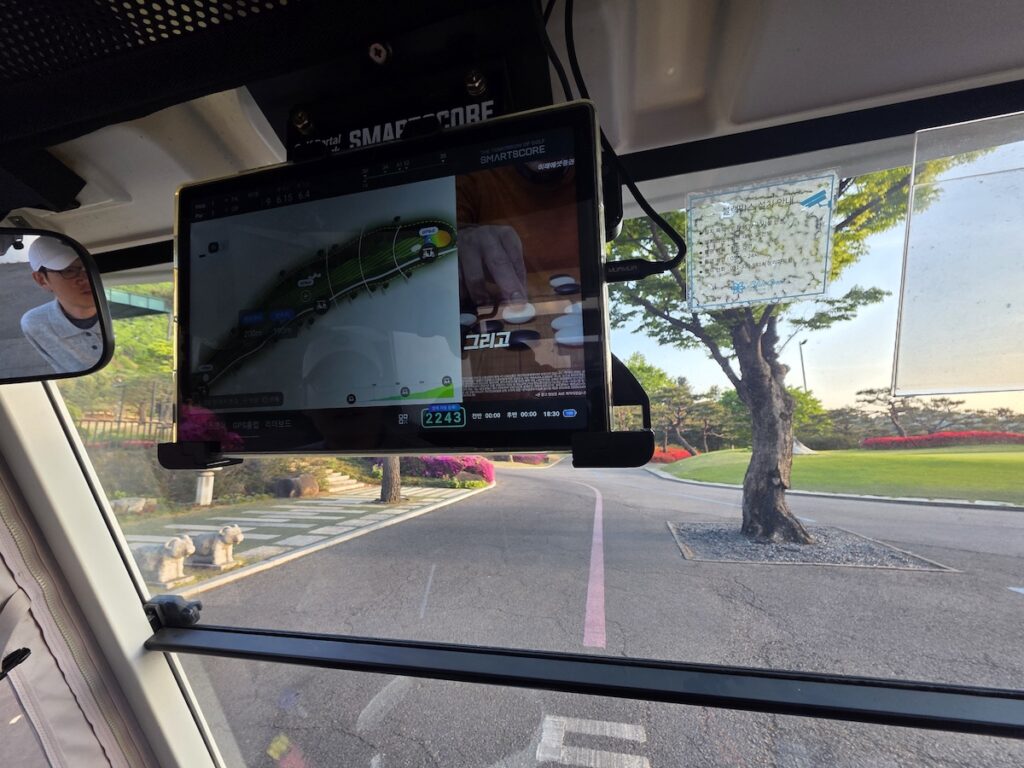
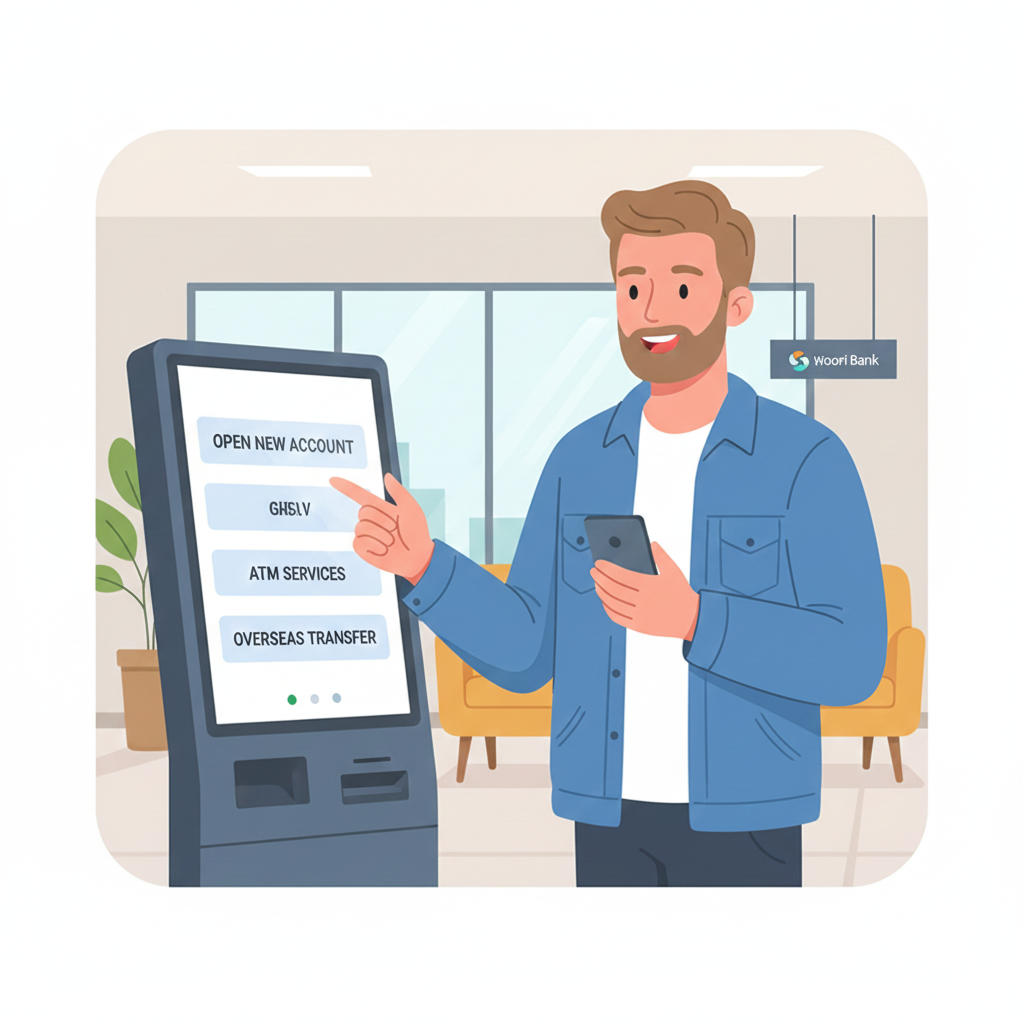
You stand in front of a self-service kiosk and cannot find the English button.
You try to buy medicine but do not know whether you need a prescription.
You want to watch Korean TV but the apps ask for local verification.
You open a bank account and suddenly realize a Korean phone number matters.
You walk into a convenience store and wonder why locals seem to know exactly what to do.
This is the strange part about Korea. The systems are fast and efficient, but they often assume you already know how they work.
This guide brings together the everyday systems foreigners should understand first, so daily life in Korea becomes much less stressful.
Quick Answer: What Daily Systems Should Foreigners Understand in Korea?
If you are new to Korea, the most important everyday systems are:
- Pharmacies and prescription rules
- Self-service kiosks
- SIM cards and Korean phone numbers
- Bank accounts
- Convenience stores
- Korean TV and streaming apps
- Utility bills
- Food delivery
- Restaurant service
- Mobile payments and phone plans
You do not need to master everything at once. But once you understand these systems, Korea becomes much easier to live in or travel through.
Korean Pharmacies: Useful, Fast, and Different from Western Pharmacies
Korean pharmacies are one of the most useful everyday systems for foreigners.
You can buy many basic medicines without a doctor’s prescription. Pain relievers, digestion medicine, cold medicine, patches, vitamins, and ointments are usually available over the counter.
But the experience may feel different from what you are used to.
In many Western countries, you browse shelves and choose products yourself. In Korea, you often speak directly to the pharmacist first. You explain your symptoms, and the pharmacist recommends medicine.
This can feel intimidating if you do not speak Korean, but it is usually efficient. Many pharmacists understand simple words like “cold,” “headache,” “stomach,” or “pain.”
The important thing to know is that foreigners generally do not pay a separate price for over-the-counter medicine. If you buy medicine without a prescription, the price is usually the same for locals and foreigners.
Self-Service Kiosks: Korea’s Convenience Can Feel Fast and Stressful
Self-service kiosks are everywhere in Korea.
You will see them at:
- Fast-food restaurants
- Cafés
- Food courts
- Small restaurants
- Bus terminals
- Movie theaters
- Shopping malls
For locals, kiosks are normal. For foreigners, they can be stressful.
The problem is not just language. It is pressure.
There may be people waiting behind you. The screen may move quickly. The English option may be hidden. Some payment options may not work with foreign cards. And in smaller places, staff may expect you to use the machine instead of ordering at the counter.
If you are new to Korea, the best approach is simple. Pause before tapping anything. Look for the language button first. If the screen is confusing, use a translation app or take a photo of the menu.
Kiosks are not difficult once you understand the pattern. But the first few times can feel surprisingly intense.
SIM Cards and Korean Phone Numbers: The Key to Everything
A Korean phone number is more important than many foreigners expect.
It is not just for calls.
In Korea, your phone number is often connected to:
- Delivery apps
- Banking
- Online reservations
- Membership points
- Identity verification
- Hospital appointments
- Streaming services
- Taxi apps
Short-term visitors can usually use a prepaid SIM or eSIM. Long-term residents often need a phone number registered under their name, especially for banking and verification.
This is one of the biggest hidden systems in Korea. You may think you only need mobile data, but many services require SMS verification or a local number.
If you are staying more than a few weeks, getting a proper Korean SIM card early can save you a lot of trouble.
Bank Accounts: Simple in Theory, Complicated in Practice
Opening a bank account in Korea is possible for foreigners, but it is not always simple.
Most banks will ask for:
- Passport
- Alien Registration Card
- Korean phone number
- Purpose of account
The frustrating part is that the experience can vary by branch. One branch may be helpful. Another may ask you to return after you have more documents.
This is why Korean banking often feels confusing for foreigners. The official rule is one thing, but the branch experience can feel different.
A bank account becomes important if you stay longer in Korea. It helps with salary, rent, mobile plans, transfers, and daily payments.
For short-term travelers, you may be fine with cards and cash. But for residents, a Korean bank account quickly becomes part of everyday life.
For official immigration and residence-related services, check the Korean government’s foreigner service portal.
Convenience Stores: Small Places That Run Daily Life
Convenience stores in Korea are not just places to buy snacks.
They are part of the daily infrastructure.
You can use them for:
- Quick meals
- Coffee
- Basic medicine-like products
- Toiletries
- Parcel pickup
- ATM access
- Public transport card charging
- Late-night food
- Emergency items
For many foreigners, Korean convenience stores become the first place where daily life starts to feel manageable.
They are open late, easy to enter, and usually less intimidating than large supermarkets. Even if you do not speak Korean, you can usually get what you need.
The most useful habit is to learn what each chain is good for. CU, GS25, 7-Eleven, and Emart24 all feel similar at first, but locals often develop preferences depending on food, coffee, location, or payment convenience.
Korean TV and Streaming: Easy Once You Know the System
Watching TV in Korea may sound simple, but it can be surprisingly confusing.
Traditional TV channels exist, of course. But many people now watch content through apps, streaming platforms, or mobile devices.
Foreigners often run into three problems:
- English subtitles are not always available
- Korean apps may require local verification
- Hotel TVs may have limited channels
If you need subtitles, international platforms like Netflix are usually easier. If you want Korean live TV or variety shows, Korean platforms may offer more content, but they can be harder to use without a Korean phone number.
The key is knowing what you want. If you want convenience and subtitles, start with global platforms. If you want local Korean broadcasts, you may need Korean apps and sometimes local verification.
Utility Bills: Korea’s Monthly Systems Can Feel Hidden

If you live in Korea, utility bills are another everyday system you need to understand.
Depending on your housing type, you may pay:
- Electricity
- Gas
- Water
- Internet
- Building maintenance fees
- Heating fees
In apartments and officetels, some costs may be combined into a monthly maintenance fee. In other places, you may receive separate bills.
This can confuse foreigners because the bill may be written in Korean, and the payment method may involve bank transfer, app payment, or automatic withdrawal.
The most important thing is to ask early:
- What is included in rent?
- What is paid separately?
- How will I receive the bill?
- Can I pay by bank transfer or card?
Understanding this before moving in prevents stress later.
Food Delivery: Convenient, But Not Always Easy for Foreigners
Korea is famous for food delivery.
The system is fast, affordable, and widely used. But foreigners may find it difficult at first.
The biggest barriers are:
- Korean-only apps
- Phone number verification
- Korean address format
- Payment methods
- Apartment entry instructions
In some cases, you may need a Korean phone number or local payment method to use major apps smoothly.
That is why food delivery is not just about food. It connects to several other systems: phone numbers, addresses, banking, and mobile payments.
If you are staying in a hotel, delivery can be easier in some cases because the address is simple. If you live in an apartment, you may need to learn how to write your building name, unit number, and entrance instructions correctly.
Restaurants: Service Works Differently Than You May Expect
Eating out in Korea is usually easy, but restaurant service may feel different from Western countries.
Servers may not check on you constantly. This does not mean they are ignoring you. In many casual restaurants, customers are expected to call staff when needed.
The safest phrase is:
저기요 (jeogiyo)
It means something like “excuse me” and is commonly used to get a server’s attention.
Many restaurants also have a call button on the table. If you see one, use it. Locals use these buttons naturally.
The mistake foreigners sometimes make is using the wrong title or trying to call staff in a way that feels too direct or awkward. Once you understand the restaurant rhythm, eating out becomes much more comfortable.
Phone Plans: Prepaid, Postpaid, and Why ARC Matters
Phone plans in Korea can be confusing because the best option depends on your stay.
Short-term visitors usually choose:
- Prepaid SIM
- eSIM
- Tourist SIM
Long-term residents may consider:
- Postpaid phone plans
- Monthly carrier plans
- Budget carrier options
The important difference is documentation. Some long-term plans may require an Alien Registration Card and a Korean bank account.
This is why phone service connects to the wider settlement system. Your phone number affects banking, delivery, reservations, identity verification, and online services.
If you are staying only a few days, keep it simple. If you are staying for months, choose a plan that can support daily life, not just data.
Everyday Life in Korea: What Feels Different?
Here is a simple comparison.
| Everyday System | In Korea | What Foreigners Often Expect |
|---|---|---|
| Pharmacies | Ask pharmacist for recommendation | Browse shelves alone |
| Kiosks | Common and fast-paced | Optional or less common |
| Phone number | Needed for many services | Mainly used for calls/data |
| Banking | Documents and verification matter | Simple walk-in process |
| Restaurants | Call staff when needed | Server checks regularly |
| Delivery | Very fast but app-based | Easier with card/address only |
| TV | App and verification based | Cable or simple streaming |
| Utilities | Often mixed with maintenance fees | Separate bills are clearer |
The pattern is clear.
Korea is convenient, but many systems are connected. One small missing piece, like a phone number or ARC, can affect several parts of daily life.
Where Should You Start First?
If you are new to Korea, do not try to learn everything at once.
Start in this order:
- Get mobile data or a Korean SIM card
- Learn how kiosks and convenience stores work
- Understand pharmacies and basic medicine
- Set up banking if you are staying long-term
- Learn restaurant and delivery systems
- Understand bills, utilities, and local apps
This order works because each step makes the next one easier.
For example, a Korean phone number helps with apps. A bank account helps with payments. Understanding kiosks helps with food courts and terminals. Pharmacies help you handle small health issues without panic.
Everyday life becomes easier when the systems start connecting.
Final Thoughts
This guide to how everyday life works in Korea is not about memorizing every rule.
It is about understanding the systems behind daily life.
Korea can feel incredibly convenient once everything works. But before that point, it can also feel confusing, fast, and slightly unforgiving.
The good news is that most of the confusion disappears after you understand a few core systems: pharmacies, kiosks, SIM cards, banking, restaurants, delivery, TV, and utility bills.
Once those pieces fit together, Korea feels much less intimidating.
And everyday life starts to feel not just manageable, but surprisingly smooth.