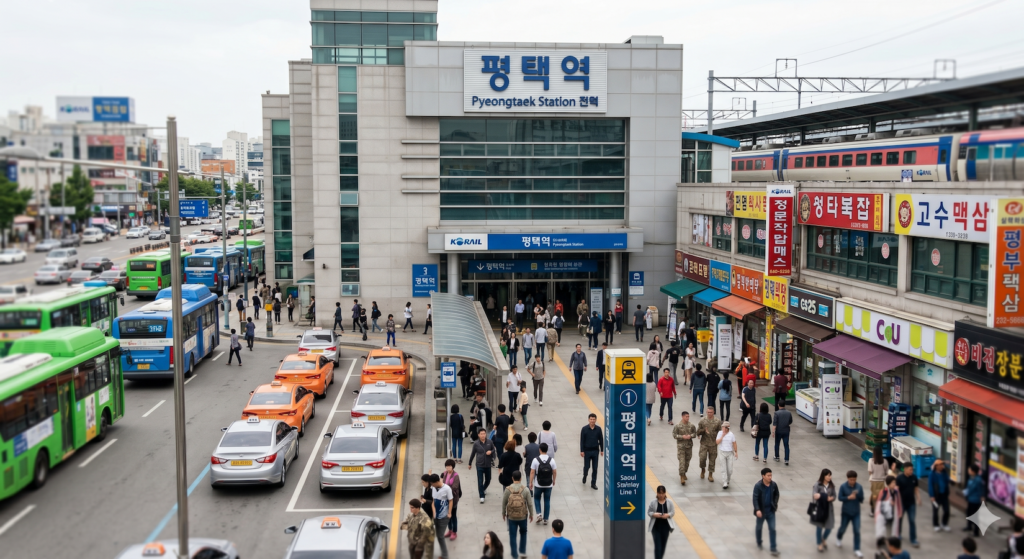
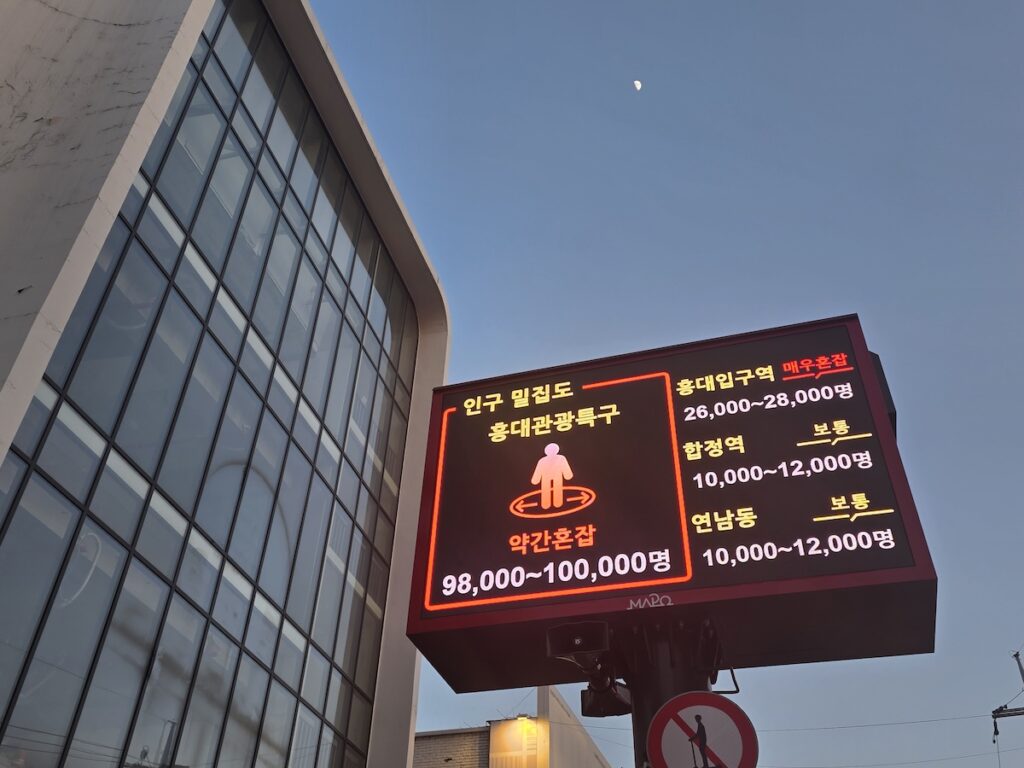
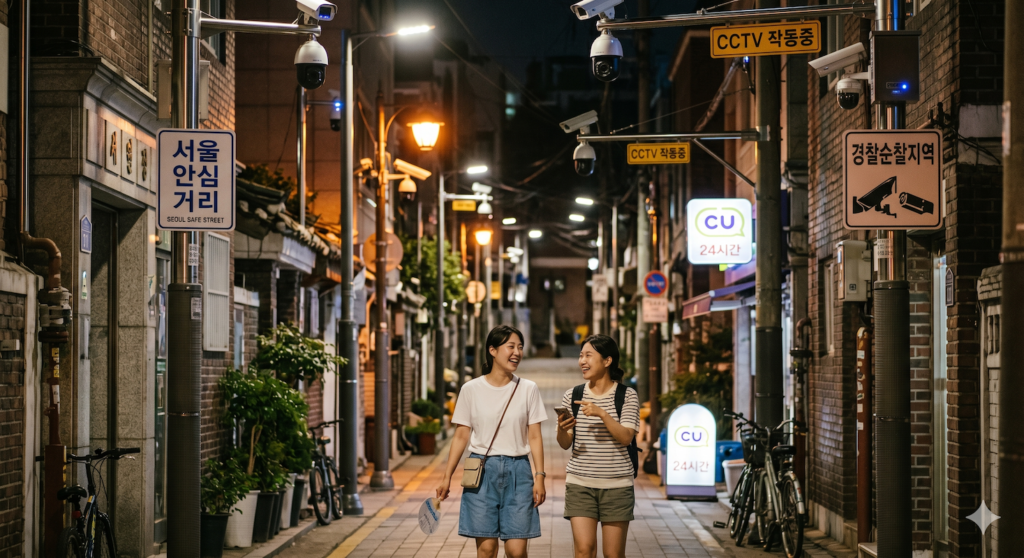
Early Summer in Seoul starts quietly, and then suddenly the entire city seems to move outdoors. One week, people are still wearing jackets at night. The next week, convenience stores are full of iced coffee cups, the Han River parks stay crowded after midnight, and subway passengers start carrying portable fans in their bags.
For many foreigners, this period feels surprisingly comfortable. Korea is often associated with humid summers and monsoon rain, but early summer in Seoul feels lighter than expected. The evenings stay cool enough for long walks, cafés open their terrace seating again, and people suddenly spend more time outside instead of rushing home.
What makes it interesting is not just the weather itself. It is how the city changes its behavior.
Quick Answer: What Is Early Summer in Seoul Like?
Early Summer in Seoul usually arrives between late May and mid-June, before the heavy monsoon season begins. The weather becomes warmer, but evenings often remain cool and comfortable. Foreign visitors usually notice longer outdoor nights, crowded Han River parks, more iced coffee culture, stronger air conditioning indoors, and a city that feels more active after sunset. It is one of the easiest times to walk around Seoul because the humidity is still manageable, the daylight lasts longer, and neighborhoods like Euljiro, Seongsu, Yeouido, and Hongdae become especially lively at night.
The Week Everyone Starts Carrying Iced Coffee
One of the smallest but clearest signs of early summer in Seoul is the sudden appearance of iced drinks everywhere.
Even people who drank hot coffee during spring switch almost overnight. Subway passengers carry large plastic cups filled with iced Americanos. Office workers walk quickly through stations holding convenience store coffee in one hand and a phone in the other. Some cafés become so cold inside that foreigners start carrying light cardigans again.
For first-time visitors, this can feel strange because the outside weather is not always extremely hot yet. But in Seoul, iced coffee culture starts early. Convenience stores begin stacking giant ice cups near the entrance, and cafés expand outdoor seating areas as soon as evenings become comfortable again.
The interesting part is how routine this looks. Nobody seems to stop walking while drinking coffee. The city almost feels designed around movement.
Why Seoul Feels More Alive After Sunset
In many Western cities, parks and riverside areas slowly become quieter late at night. Seoul often does the opposite during early summer.
Around the Han River, people start gathering after work with delivery food, ramen, folding chairs, and small speakers. Couples sit on riverside steps long after dark. Runners appear in large numbers. Bicycle paths stay active until surprisingly late hours.
Neighborhoods like Yeouido, Ttukseom, Banpo, and Jamsil feel completely different once temperatures drop in the evening.
Foreigners often expect Seoul nightlife to mean clubs or crowded bars, but much of Seoul’s early summer culture is simply staying outside longer. Even office workers who looked exhausted during the day suddenly appear relaxed near convenience stores or riverside parks after 9 PM.
Part of this comes from the weather itself. The heavy humidity of July has not fully arrived yet, so people try to enjoy the short period when Seoul feels warm without becoming exhausting.
Seoul Starts Walking More in Early Summer
The city also becomes more walkable during this period.
During winter, people often move directly between subway stations, cafés, offices, and shopping buildings as quickly as possible. But early summer changes walking behavior. Suddenly, longer routes feel reasonable again.
Foreigners usually notice this around places like:
- Seongsu
- Euljiro
- Ikseondong
- Yeonnam-dong
- Seoul Forest
- Mangwon
- Hangang parks
People begin choosing walking routes instead of the fastest subway transfer. Some streets become noticeably louder at night simply because more people stay outside.
Euljiro is a good example. During colder months, its industrial alleys can feel quiet and slightly harsh. But in early summer, outdoor tables reappear, small bars open their windows, and the streets feel softer at night.
This seasonal shift makes Seoul feel less like a fast-moving megacity and more like a place where people temporarily slow down.
The Strange Indoor Temperature Problem
One thing many foreigners are not prepared for is how aggressive indoor air conditioning becomes.
Early summer in Seoul creates a strange temperature balance:
| Situation | What Foreigners Expect | What Actually Happens |
|---|---|---|
| Outside weather | Very hot evenings | Surprisingly comfortable nights |
| Cafés | Mild cooling | Extremely cold air conditioning |
| Subway rides | Warm trains | Cold indoor temperatures |
| Clothing | T-shirt weather | T-shirt plus light outerwear |
| Walking outside | Sweaty conditions | Pleasant night walks before monsoon |
Many visitors end up carrying an extra layer even during warm evenings because subway cars, cafés, and department stores can feel much colder than expected.
This becomes especially noticeable in Seoul because people move constantly between indoor and outdoor environments. A foreign traveler may walk comfortably along the Han River, then immediately enter a café that feels almost refrigerated.
Convenience Stores Become Part of the Season
Korean convenience stores already play a large role in daily life, but early summer makes them feel even more central.
This is the season when foreigners begin noticing how often people stop briefly for:
- ice cups
- cold drinks
- instant noodles
- beer
- quick snacks
- sunscreen
- portable fans
Near parks and riverside areas, convenience stores almost function like temporary social centers. People buy food, sit outside, and stay longer than expected.
At night, the atmosphere changes again. The bright lights of convenience stores feel especially noticeable against warm evening streets. In neighborhoods near the Han River, students, couples, tourists, and office workers all gather around the same spaces.
For many foreigners, this becomes one of the most memorable parts of Seoul. The city feels active without necessarily feeling chaotic.
Why Early Summer Feels Different Before Monsoon Season
The timing matters.
By July, Seoul can become humid and exhausting. Heavy rain, wet sidewalks, and intense heat change how people move around the city. But early summer exists in a smaller window before that happens.
The air still feels relatively light. Sunsets become later. Outdoor seating returns. Night walks become easier.
This creates a brief period when Seoul feels more open than usual.
Foreigners sometimes compare it to the first warm weeks in European cities when everybody suddenly wants to sit outside. But Seoul’s version feels more compressed and intense because the comfortable weather window is relatively short.
People seem aware that the rainy season is coming soon.
The Han River Feels Like a Different City
For many visitors, the Han River becomes the center of early summer Seoul.
During the daytime, the river parks can feel wide and calm. But at night, they transform into something much more social.
Delivery scooters move constantly across the park entrances. Convenience stores stay crowded. Groups sit on mats eating ramen or fried chicken while watching the city lights reflect on the water.
Banpo, Yeouido, and Ttukseom become especially active during this season. Even people who normally stay indoors during colder months suddenly spend hours outside.
What surprises many foreigners is how ordinary this behavior feels to locals. Staying outside late near the river does not necessarily feel like a special event. It simply becomes part of the season.
That everyday feeling is what makes it memorable.
Foreigners Often Expect Summer to Start Later
Another interesting part of early summer in Seoul is how quickly seasonal behavior changes.
In some countries, people wait for consistently hot weather before changing routines. Seoul often shifts earlier.
Portable fans appear quickly. Restaurants begin serving more cold noodles. Outdoor cafés fill up fast. Fashion changes almost overnight.
Even the city’s sound feels different. More open windows, louder streets, scooters moving late at night, and larger crowds near parks all create a stronger sense of movement.
For first-time visitors, this can make Seoul feel surprisingly energetic before the actual peak of summer even arrives.
Conclusion
Early Summer in Seoul is not just a weather change. It is a behavioral shift that changes how the city feels after sunset.
People stay outside longer. The Han River becomes busier. Convenience stores feel more social. Walking becomes easier again. Even ordinary subway rides start looking different once everyone is carrying iced drinks and small fans.
For foreigners, this season often becomes one of the easiest times to understand why Seoul feels so active at night. The city is still fast, crowded, and constantly moving, but early summer softens it slightly before the heavier heat and rain of midsummer arrive.
And because that comfortable window is relatively short, Seoul seems determined to use every evening of it.