Why Koreans don’t wear shoes indoors is something many foreigners notice almost immediately after visiting a Korean home.
Sometimes even before entering.
The door opens.
And before anything else happens, someone says:
“You can leave your shoes here.”
For many foreigners, this feels normal at first.
Until they realize just how serious it can feel in Korea.
Wearing shoes inside is not simply seen as slightly rude.
Sometimes, it feels genuinely uncomfortable.
Almost shocking.
As if an invisible rule has been broken.
I started thinking more about this after watching foreigners react to Korean homes online.
Sometimes the confusion looked almost funny.
Someone hesitates awkwardly at the entrance.
Another asks:
“Should I really take them off?”
And Koreans immediately answer:
“Of course.”
No hesitation.
No discussion.
At first, this can feel strangely intense.
After all:
they are just shoes.
Right?
But in Korea, taking shoes off is often about much more than cleanliness.
It quietly reflects how people think about home, comfort, boundaries, and shared space.
Quick Answer: Why Don’t Koreans Wear Shoes Indoors?
Koreans usually do not wear shoes indoors because homes are treated as clean living spaces rather than places only for walking. Floors are used for sitting, stretching, relaxing, eating, and sometimes even sleeping. Because of this, outdoor shoes are often seen as bringing outside dirt into a private indoor environment. While many countries remove shoes indoors too, in Korea the expectation often feels stronger and more socially important.
Why Koreans Don’t Wear Shoes Indoors Feels So Serious
For many foreigners, the surprising part is not the rule itself.
It is how strongly people feel about it.
In some countries, shoes indoors feel optional.
You ask:
“Should I take them off?”
And people casually reply:
“Whatever feels comfortable.”
In Korea?
The answer is usually obvious.
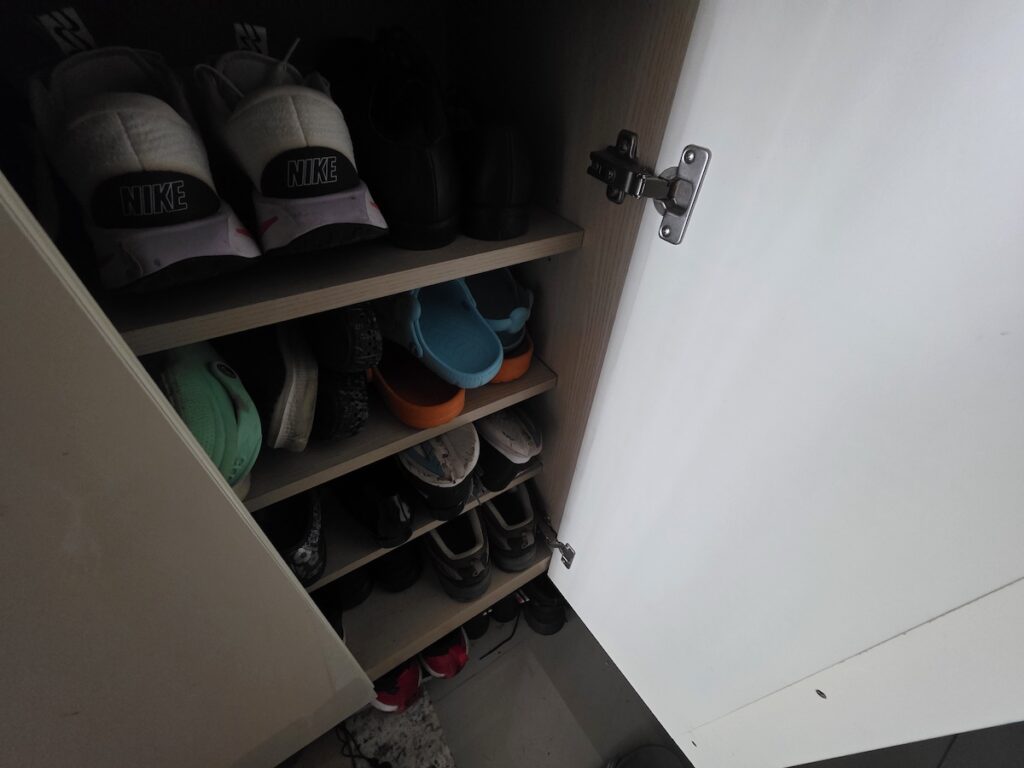
Shoes come off.
Immediately.
Especially in someone’s home.
And strangely enough, many Koreans rarely even think about the rule consciously.
It simply feels natural.
Almost automatic.
Like closing the door behind you.
Or washing your hands before eating.
Breaking the rule feels uncomfortable because indoor space often feels fundamentally different from outdoor space.
There is a clear boundary.
And the entrance to a Korean home quietly marks that transition.
Why Korean Homes Treat the Floor Differently
This is where the difference starts becoming more understandable.
In many Korean homes, the floor is not simply:
something you walk on.
It is part of everyday life.
People sit there.
Stretch there.
Sometimes eat there.
Children crawl there.
Pets sleep there.
Sometimes people even fall asleep on the floor itself.
Especially because of ondol — Korea’s traditional heated floor system — floors often feel warm and surprisingly comfortable.
For foreigners, the floor may feel secondary.
Something beneath furniture.
In Korea, it often feels much closer to living space.
And once you understand that difference, the no-shoes rule starts making a lot more sense.
Why Clean Floors Matter So Much in Korea
Growing up in Korea, many people remember floors being cleaned carefully.
Sometimes repeatedly.
Older generations often cleaned floors by hand.
Kneeling down.
Using wet cloths.
Wringing out rags.
Cleaning corners carefully.
Even today, many Korean households still wipe floors regularly.
Because when people spend time close to the floor, cleanliness starts feeling more personal.
Not perfect.
Not obsessive.
But important.
And perhaps this is why outdoor shoes can sometimes feel emotionally “wrong” inside.
Not because Koreans hate shoes.
But because home often feels like a protected indoor space.
A place separated from everything outside.
Korea vs Other Countries: Shoes Indoors
| What Some Foreigners Expect | What Often Happens in Korea |
|---|---|
| Shoes indoors sometimes okay | Shoes usually come off immediately |
| Floor is mostly for walking | Floor is part of living space |
| Indoor rules feel flexible | Indoor etiquette feels expected |
| Shoes feel practical | Shoes can feel unclean indoors |
| “It depends” | “Of course you remove them” |
Neither approach is necessarily better.
Just different.
But understanding how Korean homes treat space often makes the rule feel much less surprising.
Why Foreigners Accidentally Make Shoe Mistakes in Korea
For many foreigners, the confusing part is this:
The rules do not stop at home.
You take your shoes off in a Korean apartment.
Okay.
That makes sense.
But then suddenly:
A restaurant asks you to remove your shoes.
A traditional café too.
Some schools.
Some clinics.
Even certain offices.
At first, it can feel unpredictable.
You start wondering:
Wait… shoes on or shoes off?
And honestly?
Many foreigners accidentally make awkward mistakes at least once.
Walking one step too far into someone’s home.
Standing in the wrong area.
Or forgetting to change into slippers.
Usually, people understand.
Especially if they know you are unfamiliar with Korean customs.
But the small moment of hesitation?
That happens to almost everyone.
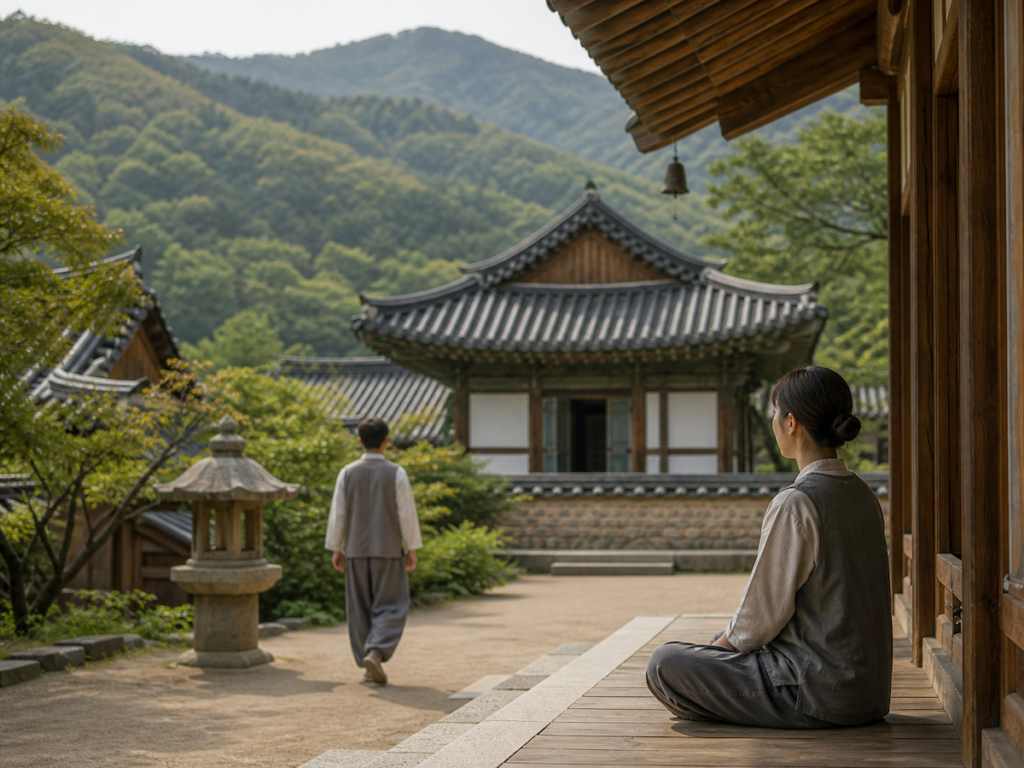
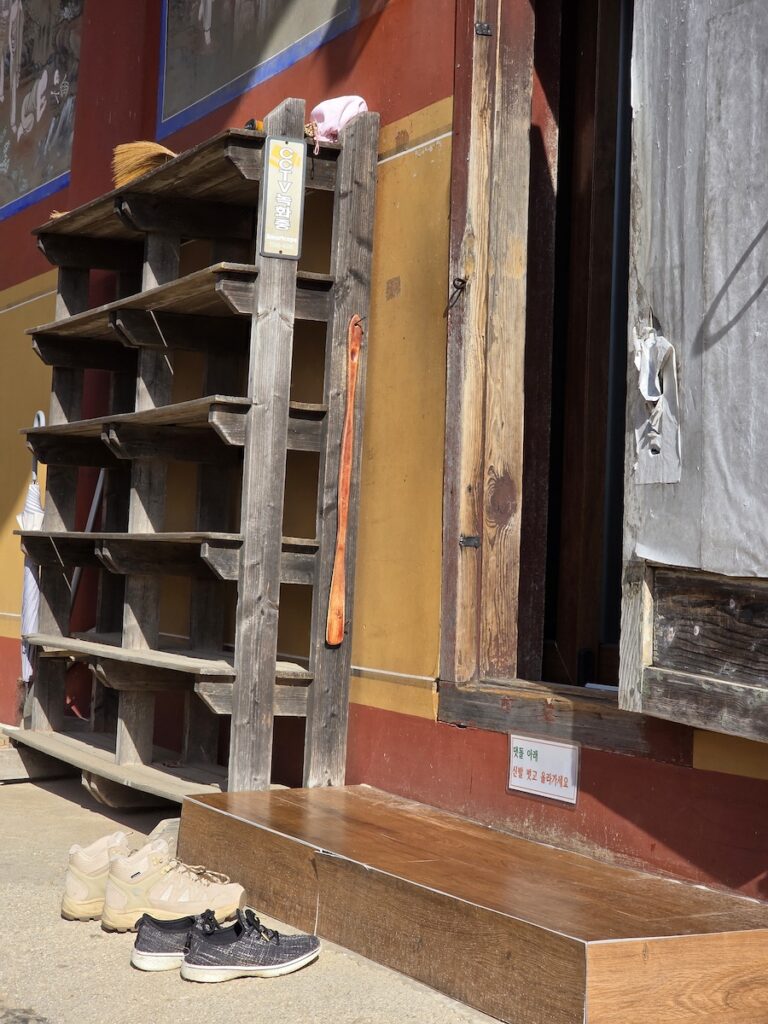
Shoes-off culture in Korea does not only exist at home.
You may notice it in traditional restaurants, temples, guesthouses, and certain indoor spaces where respect for shared floors still matters.
Why Slippers in Korea Can Feel Surprisingly Complicated
If shoes come off, slippers usually appear.
But even slippers sometimes come with invisible rules.
Especially bathrooms.
This surprises many foreigners.
You may notice:
separate bathroom slippers
At first, this can feel oddly specific.
Maybe even unnecessary.
But in Korea, different spaces inside the home often quietly carry different expectations.
Outdoor dirt stays outside.
Indoor slippers stay indoors.
Bathroom slippers stay in the bathroom.
And yes:
People sometimes accidentally forget and walk out wearing bathroom slippers.
It happens.
Everyone notices.
Nobody says much.
But internally?
Slight panic.
For foreigners, these tiny rules can feel overwhelming.
For many Koreans, however, they feel surprisingly normal.
Just part of everyday life.
Why Korean Homes Often Feel Like Protected Spaces
The more I thought about it, the more it felt like this was not really a shoe story.
At least not completely.
It felt more like a story about boundaries.
Outside and inside.
Public and private.
Korean homes often feel emotionally separate from the outside world.
Especially in crowded cities like Seoul.
Life outside can feel fast.
Busy.
Noisy.
Small apartments.
Crowded subways.
Long workdays.
And then:
Home.
Quiet.
Warm floors.
Comfortable clothes.
No shoes.
In some ways, taking shoes off quietly marks the transition.
Almost like saying:
I’m home now.
And maybe that is one reason people feel strongly about shoes indoors.
Not because they are trying to be strict.
But because home itself often feels protected.
Why Korean Floor Culture Still Matters Today
Even though modern Korea has changed quickly, floor culture still quietly shapes daily life.
People may sit on sofas now.
Use dining tables.
Live in modern apartments.
But many habits remain.
Children still play close to the floor.
People stretch there.
Lie down there after work.
Pets spend time there too.
And increasingly, Korean homes often revolve around keeping floors clean in practical ways.
Robot vacuums are incredibly common.
Especially in apartments.
Partly for convenience.
Partly because people genuinely spend time close to the floor.
In Korea, the floor is still not simply:
the ground beneath you.
It is often part of living space itself.
And perhaps that is why shoes indoors still feel strangely serious.
Korea vs Other Countries: Indoor Shoe Expectations
| What Some Foreigners Expect | What Often Happens in Korea |
|---|---|
| Shoes indoors sometimes okay | Shoes usually come off immediately |
| House rules vary | No-shoes culture feels expected |
| Floor mostly for walking | Floor often feels like living space |
| Slippers optional | Slippers often part of everyday routine |
| Bathroom = same floor | Bathroom slippers often separate |
Neither system is necessarily better.
Just different.
But understanding the meaning behind the habit often makes Korean homes feel much easier to navigate.
Curious why Korean homes feel so different? Explore more about Korean lifestyle and traditional living culture.
What Foreigners Should Know About Shoes Indoors in Korea
The practical rule is simple:
If you are unsure?
Take your shoes off.
Especially when entering:
- someone’s home
- traditional restaurants
- floor-seating restaurants
- guesthouses
- older buildings
- some clinics or schools
And if slippers appear?
Use them.
When in doubt:
Watch what other people do.
Nobody expects perfection.
Especially from visitors.
The small effort itself usually matters more.
Because in Korea, removing shoes is often understood less as a strict rule and more as:
respect for shared space.
A Small Detail Foreigners Often Notice in Korea
Another small thing foreigners sometimes notice?
Indoor slippers are everywhere.
Hotels often provide them.
Airlines sometimes do too.
And surprisingly, many Koreans living alone casually reuse these slippers at home.
Partly for comfort.
Partly because indoor footwear simply feels normal in many homes.
It is a tiny detail.
But somehow, it quietly reflects the same idea:
indoor space feels different.
Final Thoughts
At first, why Koreans don’t wear shoes indoors can feel surprisingly serious.
Especially for foreigners who see shoes as practical rather than emotional.
You may wonder:
Why does this matter so much?
But over time, it starts making more sense.
In Korea, homes often feel different from the outside world.
Floors are used differently.
Space feels more shared.
Cleanliness feels more personal.
And taking shoes off quietly becomes part of entering that space respectfully.
Sometimes, understanding Korean culture starts with surprisingly small things.
Like leaving your shoes at the door.