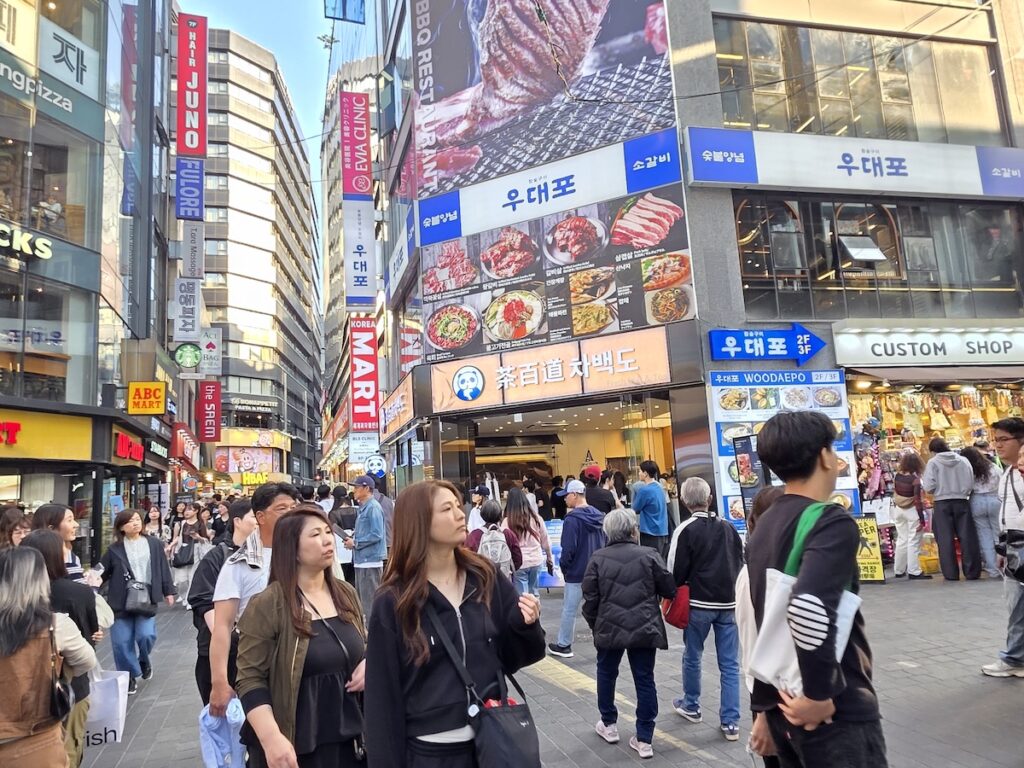
Think you already know the Seoul subway? If your plan stops at “buy a T-Money card and follow the map,” you’re missing the best parts. This guide looks past the clichés to show how the system really works: why different train doors open at different stations, which lines suddenly pop above ground for daylight city views, and how to grab a free skyline “tour” while crossing the Han River.
You’ll also learn the color hack locals use when line numbers blur during a busy transfer—green for Line 2, purple for Line 5, gold for Line 9, and so on—plus the unspoken rules that keep rush hour surprisingly calm. And because Seoul’s subway is more than trains, we’ll walk through the underground city: convenience stores for quick top-ups, bakeries, snack kiosks serving gimbap or fish-cake cups, and micro-malls hidden between gates.
This is a non-touristy playbook for riding smarter: reading platform screens to predict which side the doors open, choosing the right car to land beside your exit, catching express vs. local without stress, and staying comfortable as the network shifts from cool, silent tunnels to bright, above-ground runs. Look up from your phone—the Seoul you came to see is often right outside the window.
1) Why This Isn’t Another Generic Subway Guide
This isn’t about “buy a T-Money card” and “don’t block the doors.”
It’s the stuff locals assume you know but visitors rarely hear—
like why different sides of the train open, which stretches go above ground, and how the line colors can save you when your mind blanks on line numbers.
If you’re a first-timer who wants to move like a regular—or a long-stay visitor tired of generic tips—this is for you.
2) Doors That Change: Why “This Side Only” Opens
In Seoul, the side that opens can change from station to station.
The reason is architectural: some stations use island platforms (one platform between two tracks), others use side platforms (platforms on each outer side). At terminals or interchanges, the “left vs right” rule can flip after a turnback or track switch.
You’ll see LED arrows on the train ceiling and platform screen doors aligning with the train doors—trust those. If an in-car display says “Doors open on the left,” it means your left as you face the doors.
— Platform Screen Doors & Safety Chimes
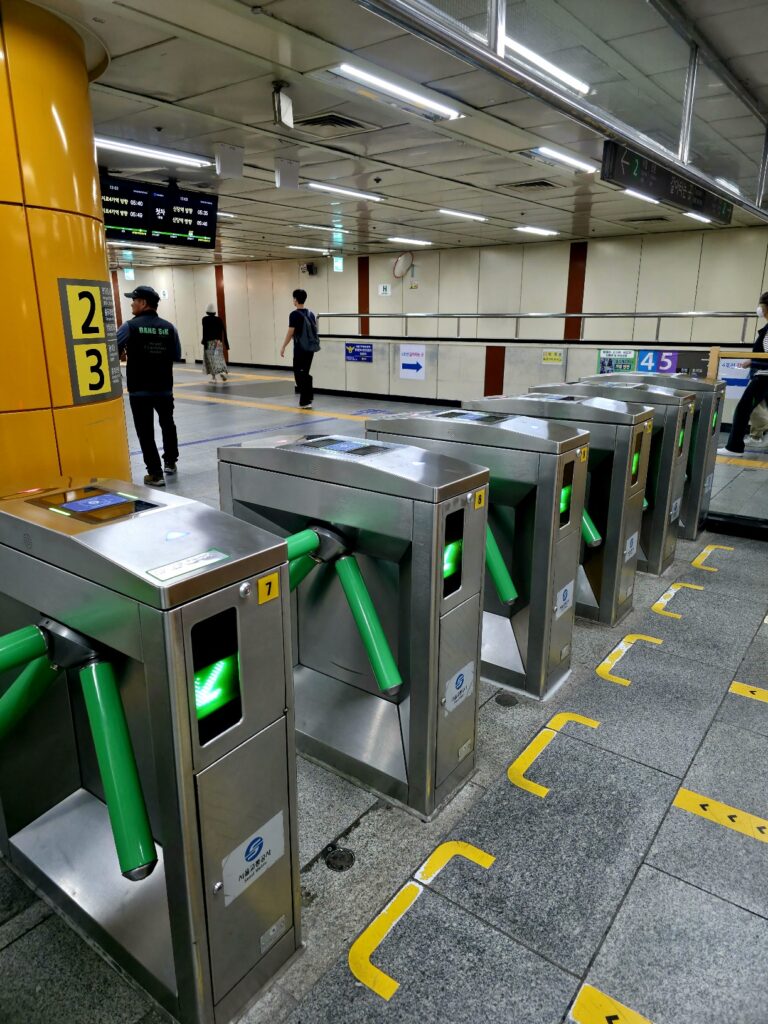
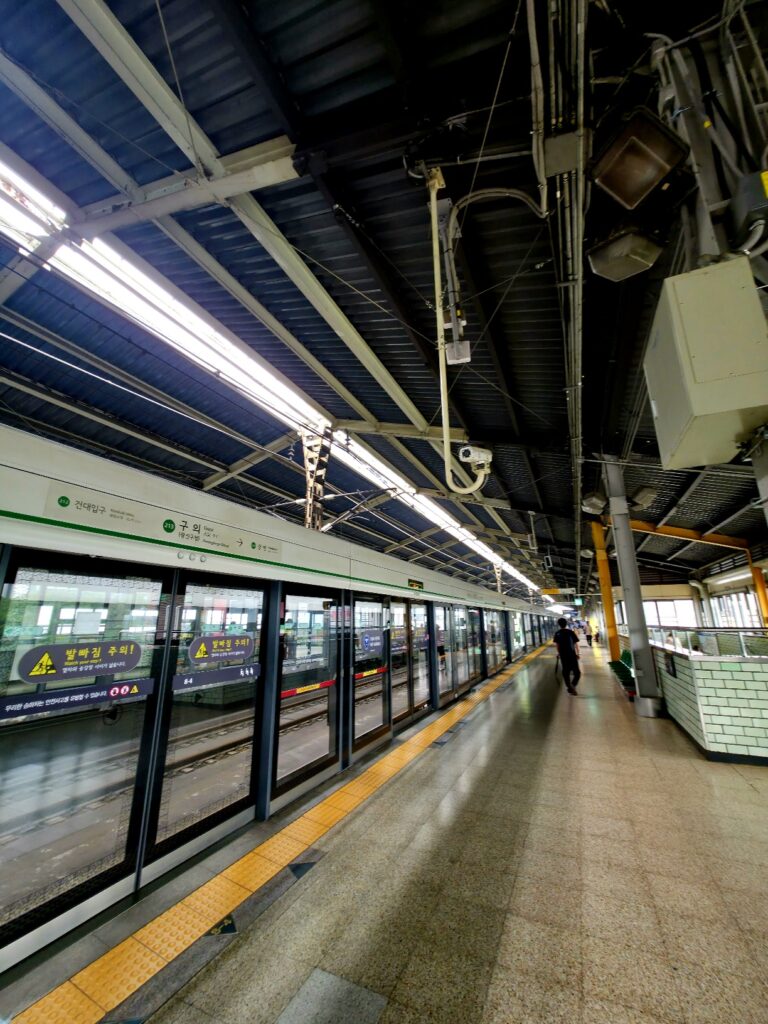
Nearly every station has screen doors.
You’ll hear a short beep or melody before doors close; treat this as a hard deadline. In Seoul, people don’t jam closing doors—it’s considered unsafe and rude. If the chime starts, step back and catch the next train (they come fast).
3) Underground… and Above: Lines That Go Outside
Seoul’s subway isn’t 100% subterranean.
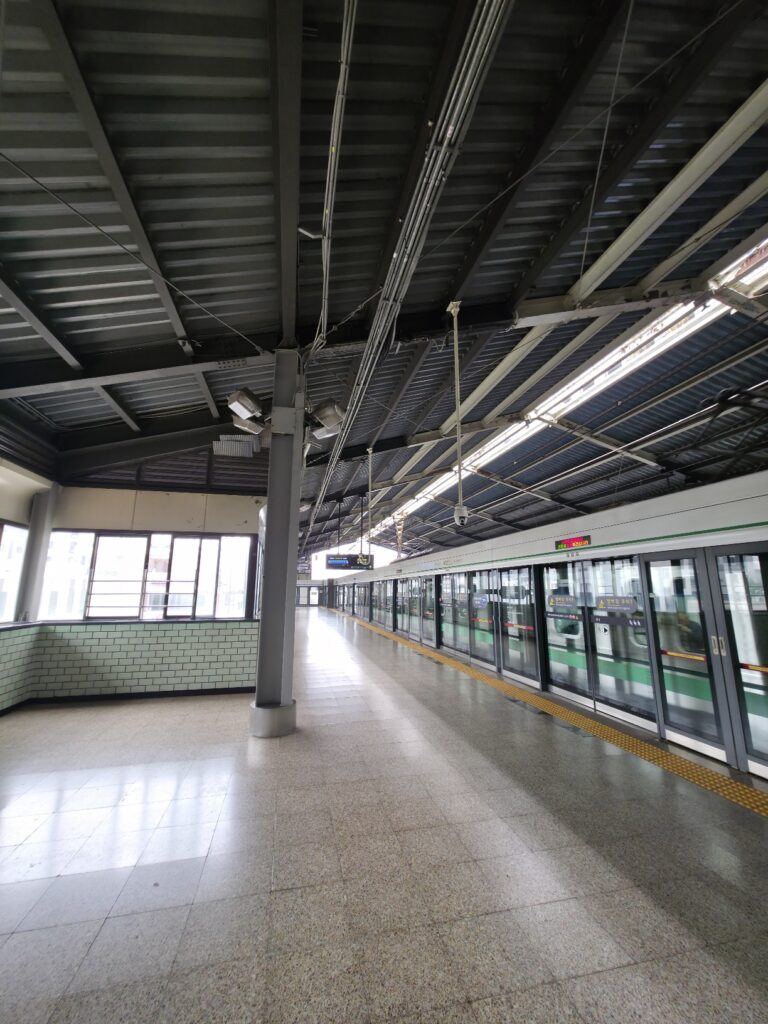
You’ll ride through open-air segments with full daylight—especially in outer districts or where lines surface to cross rivers. It’s also common to pass through elevated sections with city views, rail yards, or neighborhoods that look completely different from central Seoul.
Why this matters:
- Orientation: You’ll instantly know you’re approaching river crossings or peripheral zones.
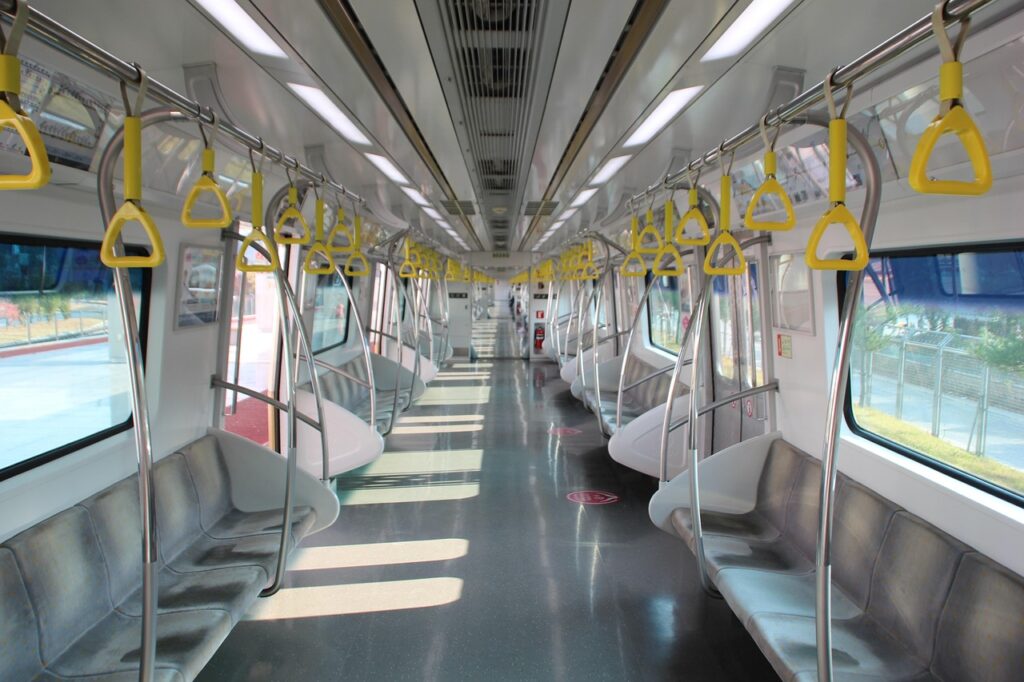
- Comfort: Above-ground cars may feel brighter; underground segments are stable in any weather.
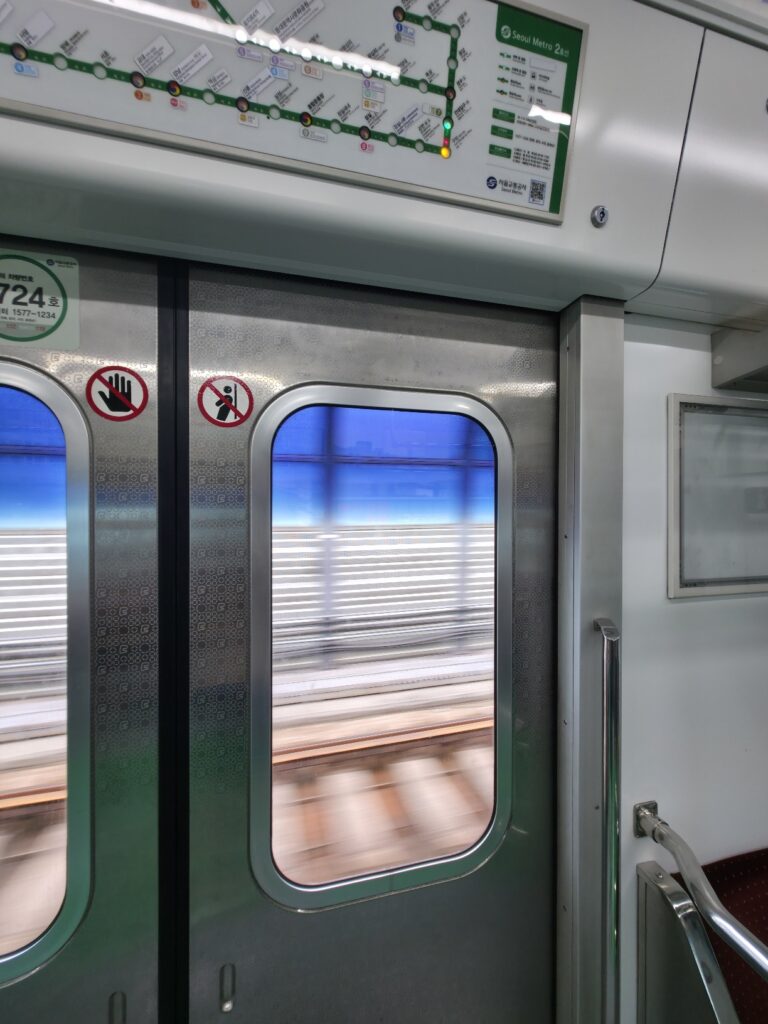
4) Crossing the Han River: The Best “Free” City Tour
Some subway runs cross the Han River on bridges, giving you skyline views for the price of a regular ride. It’s one of the best “free tours” in Seoul.
Tips for a better view
- Window seat on the side facing the city center when entering downtown (or the opposite when leaving).
- Twilight rides show both city lights and river reflections.
- On clear days, you might glimpse mountain silhouettes beyond the skyline.
There’s no need for a special ticket—just ride, look up from your phone, and enjoy.
5) The Color Hack: When You Don’t Know the Line Number
When your brain resets at a busy interchange, remember colors:
- Line 2 = Green (the loop)
- Line 3 = Orange
- Line 4 = Light blue
- Line 5 = Purple
- Line 9 = Gold
Colors are on maps, pillars, escalator edges, and signs. You can simply follow the color bands across long transfer corridors without reading much text. For bilingual signs: English is everywhere; Korean line names use the same numbers, so “2호선” = Line 2 (green).
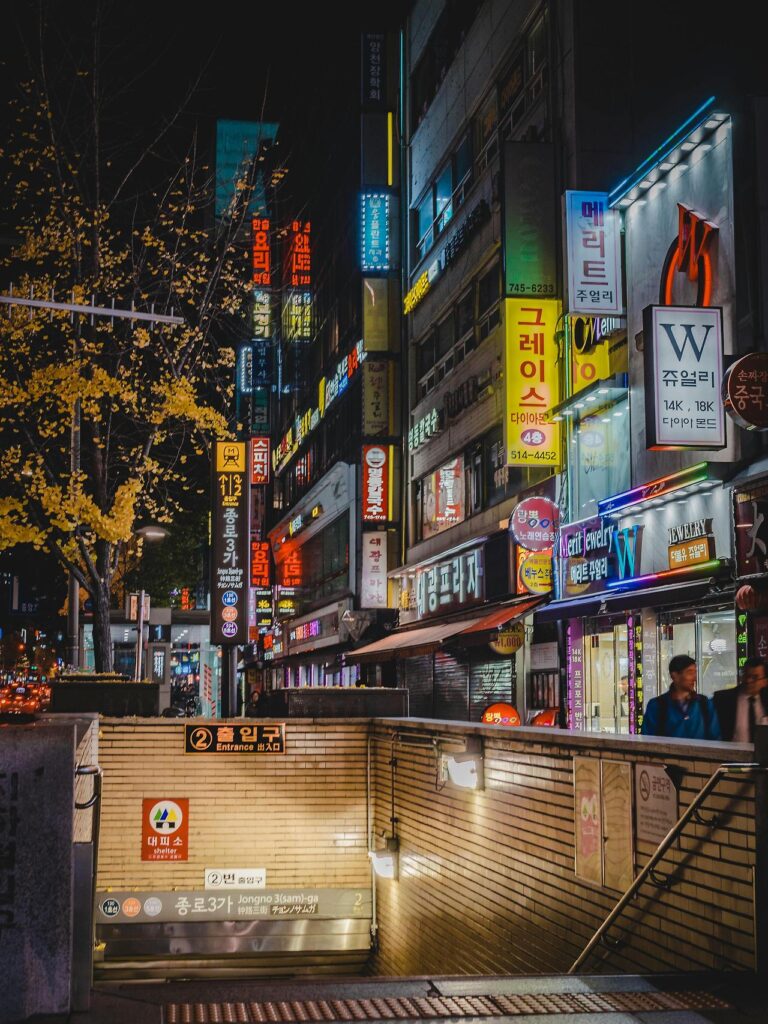
6) The Underground City: Snacks, Convenience Stores, and Micro-Malls
Go a little deeper than the gate lines and you’ll find mini-malls:
- Convenience stores (top-up your card, grab water, heat bento)
- Snack kiosks (fish cake cups, hotteok in winter, gimbap)
- Bakeries & coffee stands (quick Americano culture)
- Phone accessory booths, umbrellas, tights, heat packs (last-minute fixes)
Locals don’t always leave the station to eat—they refuel underground between transfers.
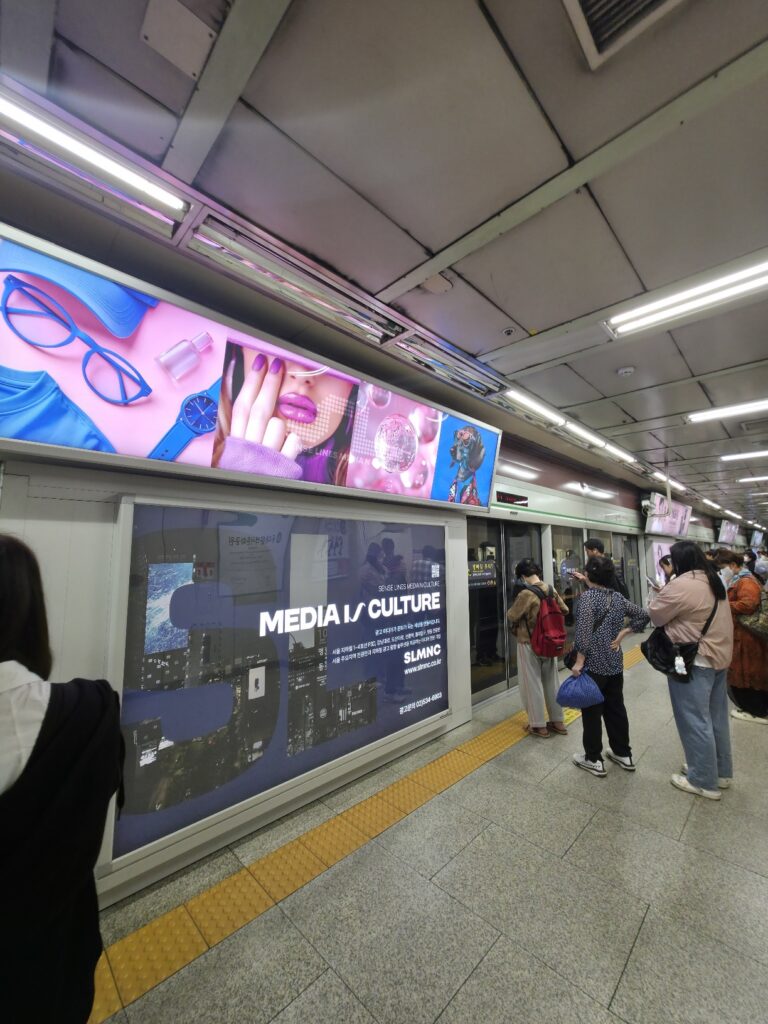
7) Transfers Like a Local: Where to Stand, Which Car to Board
Two underrated tricks:
- Car numbers & platform boards
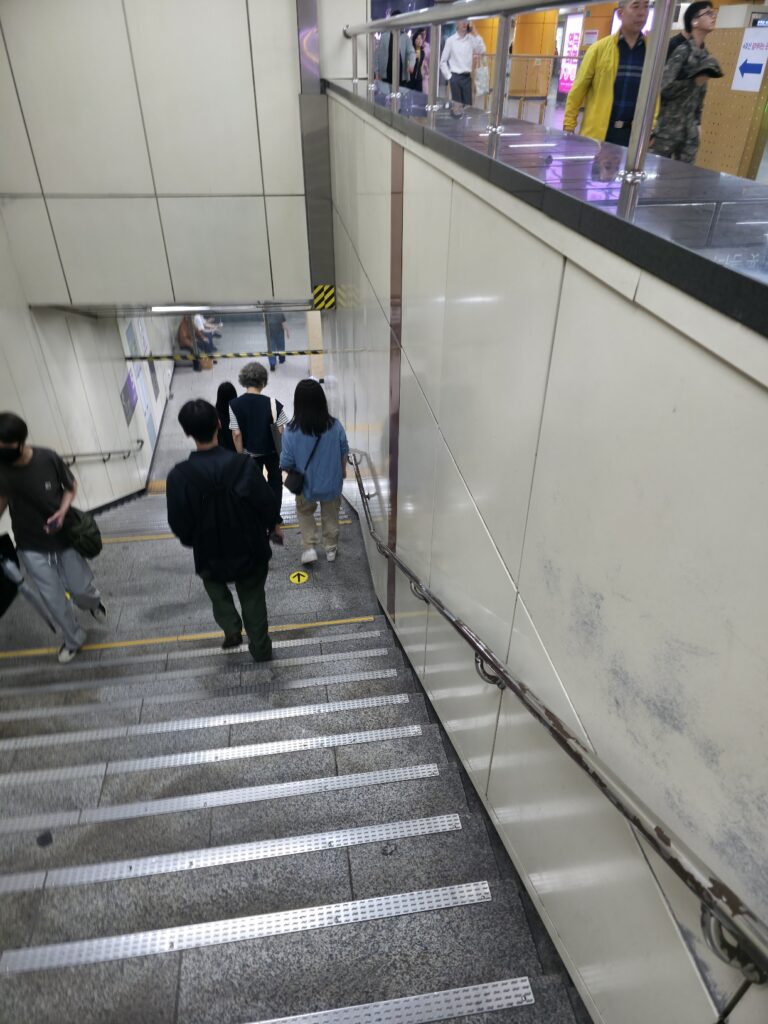
Most platforms display car-number guidance (e.g., “Car 3 near Exit 4”). Choosing the right car puts you closest to your exit on arrival—saving long corridor walks. - Floor arrows & exit clusters
Exits are numbered. If you see “Exits 1–4 →”, it usually means one side of the concourse serves that cluster. Pick the right fork early to skip backtracking.
8) T-Money, Top-Ups, and the Art of Not Queuing
- T-Money (or compatible cards) tap in/out across the subway and buses.
- Recharge at convenience stores or ticket machines (English available).
- Many visitors also use mobile wallets (phone NFC) depending on device/issuer.
- If a line forms at one machine, look down the hall—there’s often an identical machine with no queue.
9) Quiet Rules That Aren’t on Posters
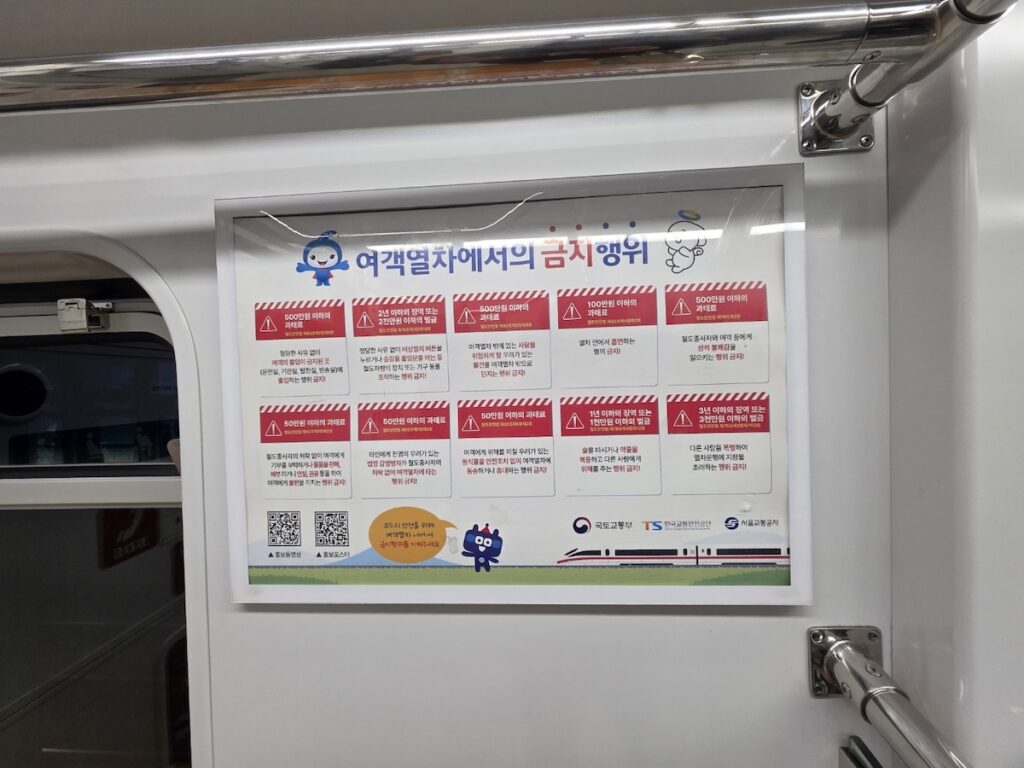
- Priority seating (maroon or marked seats) is for seniors, pregnant riders, people with disabilities, injuries, or those carrying infants. Even when the car is full, locals avoid these if possible.
- Volume etiquette: Calls are rare; people keep voices low. Headphone bleed is a faux pas.
- Escalators: Practice varies by station; the safest rule is stand still, hold the rail, don’t run.
10) Above-Ground Weather, Underground Climate
- Summer: Cars are well-air-conditioned; carry a light layer if you get cold.
- Winter: Cars and stations are heated; stepping outside between above-ground transfers can feel extra chilly—zip your coat before doors open.
- Rain/Snow: The system keeps you dry end-to-end; bring a foldable umbrella for the last 100 meters at street level.
11) Express vs Local: Same Line, Two Speeds
Some corridors run express trains that skip selected stops alongside locals that stop everywhere. Express platforms are typically clearly marked with color bands or signs. If you’re going far, express saves time; if you’re new to the route, local trains are simpler.
12) Accessibility & Strollers: Elevators That Actually Work
Seoul’s network is stroller- and wheelchair-friendly on most routes:
- Wide gates near the staff booth
- Elevator icons on signage and maps
- Tactile paving for the visually impaired
- If in doubt, ask a station attendant—basic English support is common in busy hubs
Pro tip: At giant interchanges, elevators can be on one end of the platform; board cars nearest that end to shorten your path upstairs.
13) Weekend Bikes, Late-Night Rides, and Last-Train Reality
- Bicycles: Full-size bikes are generally allowed only at designated times/days; folding bikes are more widely accepted. Always check station signs.
- Late-night safety: Cars are bright, CCTV is standard, and staff patrol the concourse.
- Last trains: Times vary by line and station; set a “last train” alarm in your map app and aim to be on the platform 10–15 minutes earlier than the posted last run.
14) Micro-Itineraries: Mini Rides Worth Taking
- Twilight river crossing: Ride any Han-crossing segment at dusk for skyline + reflections.
- Above-ground sampler: Take a short hop on a surface stretch to watch neighborhoods change window by window.
- One-stop wonder: Pick two adjacent stations linked by underground shopping and walk the concourse just to see station life.
These are budget-friendly slices of everyday Seoul you won’t get on a tour bus.
15) Apps, Signs, and Survival Korean
Apps:
- A major maps app (Kakao/ Naver) + the official line map in your photos.
- Turn on English UI and subway layer; both show platform side and exit numbers.
Signage coding:
- Color band = line; big number = platform.
- Exit numbers match street corners or complexes—follow them precisely.
Quick Korean:
- “호선 (ho-seon)” = line number (e.g., 2호선 = Line 2)
- “내리는 문은 왼쪽/오른쪽입니다” = doors open left/right
- “환승” = transfer
- “출구” = exit
16) FAQs — Non-Touristy Questions
Q1. Why did the other side open this time?
Different station layouts (island vs side platforms) and terminal direction changes.
Q2. Are there snacks underground?
Yes—convenience stores, kiosks, and bakeries are common in transfer halls.
Q3. Can I rely on colors instead of numbers?
Absolutely. Color bands are consistent and visible across signs and maps.
Q4. Is it safe to ride late?
Generally yes; cars are well-lit with CCTV. Still, aim for earlier last trains.
Q5. What if I enter the wrong platform side?
Follow the transfer arrows within the station; there’s usually a safe internal route to the opposite platform.
Q6. Do trains go outside a lot?
Enough to notice—especially near river crossings and outer districts.
Q7. Where should I stand for a quick exit?
Check the car-number boards on the platform (“Car 4 = closest to Exit 2”).
Q8. How do I top up without lines?
Use a machine farther down the concourse or recharge at a convenience store.
17) Final Notes & Helpful Links
Seoul’s subway is a moving classroom—for city design, silent etiquette, and everyday ingenuity. Learn the door logic, trust the color coding, and peek out the window on river runs. Once you do, the system stops feeling like a maze and starts feeling like your city.
Helpful Links:
- Seoul Metro (official): https://www.seoulmetro.co.kr
- Korea Tourism (Subway basics): https://english.visitkorea.or.kr