Moving to a new country brings a wave of excitement, but figuring out how to get from Camp Humphreys to Seoul for the first time can feel like solving a complex puzzle. For many newly arrived service members and their families in Pyeongtaek, the massive size of the base provides a familiar American comfort, yet the world outside the gates remains a beautiful mystery.
The transition from the structured grid of the military installation to the bustling, high-tech transit networks of South Korea is often the first real encounter with local life. Standing at the train station or bus terminal, watching digital signs flash in a mix of Korean and English, you quickly realize that navigating this journey is a rite of passage for anyone stationed here. It is the bridge between your temporary home in Pyeongtaek and the endless cultural exploration that awaits in the capital city.
Quick Answer: What is the Best Way to Get from Camp Humphreys to Seoul?
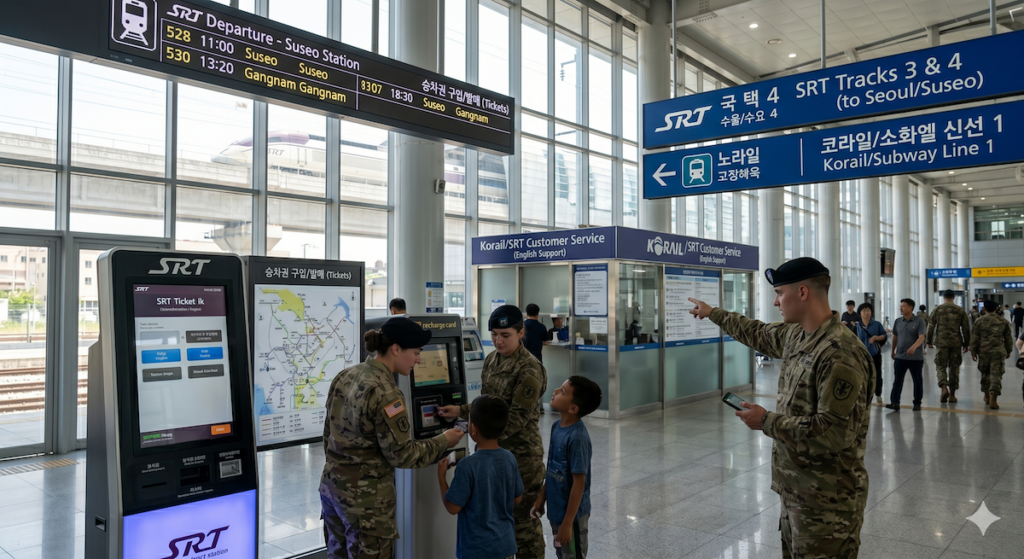
The fastest and most reliable way to travel from Camp Humphreys to Seoul is by taking the Super Rapid Train (SRT) from Suseo-Pyeongtaek High-Speed Railway via Pyeongtaek Jije Station. You can take a local taxi or Bus 20 from the base gates to Pyeongtaek Jije Station, which takes about 20 to 25 minutes. From there, the SRT whisks you into Suseo Station in southeastern Seoul in just 20 minutes for around 7,700 KRW. If your final destination is central Seoul, such as Yongsan or Seoul Station, taking a local bus to Pyeongtaek Station and riding the ITX-Saemaeul or Mugunghwa train takes about an hour and drops you directly into the heart of the city.
The High-Speed Rail Experience via Pyeongtaek Jije Station
For anyone looking to maximize their weekend time in the capital, the high-speed rail network is an absolute game-changer. The journey begins just outside the pedestrian gates of Camp Humphreys, where you will need to catch a local ride to Pyeongtaek Jije Station. This station serves as the primary hub for the Super Rapid Train, commonly known as the SRT. The contrast between the quiet rural surroundings of Pyeongtaek and the sleek, futuristic design of the SRT station is striking.
Stepping onto the platform, the first thing you notice is the incredible efficiency. Trains in Korea run precisely on time, down to the exact second. The SRT train cars are remarkably quiet, spacious, and equipped with comfortable seating and power outlets, a stark contrast to the standard commuter trains found in many Western cities.
Navigating the Ticket System and Booking Ahead
Booking a seat on the SRT requires a bit of forward planning, especially on Friday afternoons or Sunday evenings when local commuters and military personnel flood the transit system. The easiest method for foreign residents is using the official SRT website or mobile application, which offers a reliable English interface.
A common mistake for first-time travelers is assuming they can walk up to the counter five minutes before departure and secure a seat. While standing-room tickets are sometimes available, securing a reserved seat ensures a smooth, stress-free 20-minute ride to Suseo Station. If you happen to miss your scheduled train, the ticketing counter staff are generally accommodating, though cancellation fees may apply depending on how close you are to the departure time.
Arriving at Suseo Station and Connecting to the Grid
Once the train glides into Suseo Station, you are officially within the Seoul metropolitan area. Suseo is a massive underground terminal seamlessly integrated with the Seoul subway system via Line 3 and the Suin-Bundang Line.
From Suseo, reaching popular areas like Gangnam takes less than 15 minutes on the subway. If you are heading to traditional cultural districts like Insa-dong or Bukchon Hanok Village, staying on Line 3 will take you directly there without requiring a transfer. The station layout is heavily signposted in English, making it highly intuitive even for those who cannot read a single character of Korean.
The Classic Route: Pyeongtaek Station to Yongsan and Central Seoul
While the high-speed SRT is perfect for reaching southeastern Seoul, those heading directly to the historic center, Yongsan, or the nightlife districts of western Seoul often prefer the classic train routes departing from Pyeongtaek Station. This route traces the historic connection between the old Yongsan Garrison and the Pyeongtaek community, making it a deeply familiar path for seasoned expats.
To start this journey, you will travel from the base to Pyeongtaek Station, which is surrounded by a bustling downtown area filled with local shops, traditional markets, and restaurants. The station itself sits atop a large department store, offering an immediate taste of Korean urban convenience before you even board the train.
Choosing Between ITX-Saemaeul and Mugunghwa Trains
When purchasing tickets at Pyeongtaek Station, you will generally choose between two types of regular trains: the ITX-Saemaeul and the Mugunghwa.
- ITX-Saemaeul: This is a modern, clean, and semi-fast train. It stops only at major stations, taking roughly 50 to 55 minutes to reach Yongsan Station. The seats are well-padded, and the ride is quiet and smooth.
- Mugunghwa: Named after Korea’s national flower, this is the oldest and slowest class of train operating on the line. It stops at almost every station along the way, stretching the travel time to about an hour and ten minutes. However, it is incredibly affordable and possesses a nostalgic, charming atmosphere that many travelers enjoy.
Both options are significantly faster and far more comfortable than taking the standard Seoul Subway Line 1 from Pyeongtaek all the way to the city, which can take over an hour and forty minutes with dozens of intermediate stops.
The Arrival at Yongsan Station
Terminating your train ride at Yongsan Station places you in one of Seoul’s most dynamic transportation and commercial hubs. The station connects directly to Subway Line 1 and the Gyeongui-Jungang Line, and it is attached to the massive I’Park Mall complex.
Yongsan holds a unique place in the history of the US-Korea alliance, and stepping out into the neighborhood reveals a fascinating blend of old military history and ultra-modern urban development. From here, you are only a short subway ride or taxi drive away from the global food hub of Itaewon, the scenic parks along the Han River, and the grand palaces of central Seoul.
Understanding the Transportation Options
To help plan your journey effectively, it helps to compare the primary transit methods side by side. Each option balances speed, cost, and final destination differently.
| Transit Method | Departure Hub | Travel Time to Seoul | Average Cost (One-Way) | Best Destination Match |
| SRT (High-Speed) | Pyeongtaek Jije Station | 20 Minutes | 7,700 KRW | Gangnam, Suseo, Jamsil |
| ITX-Saemaeul | Pyeongtaek Station | 50–55 Minutes | 7,000 KRW | Yongsan, Yeouido, Central Seoul |
| Mugunghwa | Pyeongtaek Station | 70 Minutes | 4,800 KRW | Budget Travelers, Central Seoul |
| Express Bus | Pyeongtaek Bus Terminal | 60–80 Minutes | 7,000–9,000 KRW | Express Bus Terminal (Banpo) |
| Subway Line 1 | Pyeongtaek Station | 100+ Minutes | ~3,000 KRW | Multiple stops, late-night transit |
The Express Bus Alternative: A Smooth Highway Ride
For those who prefer not to worry about train transfers or sold-out seats, the express bus system offers an excellent alternative. Located adjacent to Pyeongtaek Station, the Pyeongtaek Express Bus Terminal runs regular routes directly to the Seoul Express Bus Terminal in Banpo, southern Seoul.
Korean express buses are famous for their comfort. If you select an “Excellent” (Woo-deung) class bus, you will find yourself in a spacious cabin with just three massive, reclining leather seats per row. The buses travel along the dedicated bus lanes on the Gyeongbu Expressway, which allows them to bypass heavy weekend traffic jams that trap standard passenger cars.
The ride typically takes a little over an hour, dropping you directly into a massive underground shopping and dining complex in Seoul. This method is highly favored by those carrying heavy luggage or shopping bags, as the under-bus storage compartments are incredibly spacious and secure.
Practical Survival Tips for First-Time Travelers
Navigating Korean transit becomes infinitely easier once you learn a few unwritten rules and cultural habits that locals take for granted. The system is designed for high efficiency, and blending in requires a basic understanding of local etiquette and digital tools.
Essential Navigation Apps to Download
If you rely solely on Western map applications while traveling throughout South Korea, you will likely find yourself lost or staring at blank routes. Due to national security regulations, local mapping services are far more detailed and accurate.
- Naver Maps & KakaoMap: Both applications offer robust English language support and provide real-time bus and train arrival tracking, step-by-step walking directions, and accurate fare estimates. They will tell you exactly which subway car door to stand near for the fastest transfer.
- Korail Talk & SRT Apps: Essential for booking train tickets directly on your smartphone without needing to visit a physical station ticket window.
Master the T-money Card System
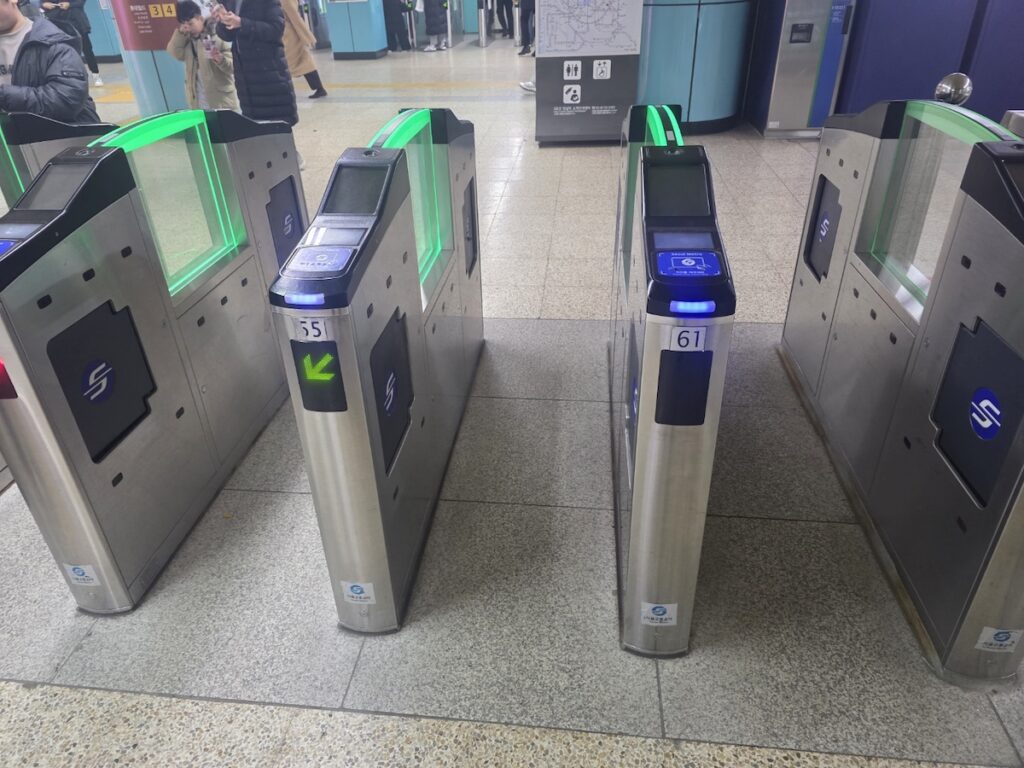
Before embarking on your journey, purchase a rechargeable transit card known as a T-money card. These are available at virtually every convenience store outside the Camp Humphreys gates. You load them with Korean Won cash at store counters or automated machines inside train stations.
The T-money card handles all your local bus and subway fares seamlessly. When boarding a local bus from the base to the train station, tap your card on the scanner near the driver, and remember to tap out at the rear door when exiting to receive a free or discounted transfer rate. Trying to pay with large cash bills or foreign credit cards on local Pyeongtaek city buses can cause significant delays and unnecessary stress.
Mind the Local Transit Etiquette
Korean public transit is remarkably quiet. Passengers generally speak in hushed tones, and phone calls are heavily discouraged while riding inside train cars or subways.
Additionally, you will notice specially designated seats at the ends of every subway car, marked with bright pink or yellow signs. These are strictly reserved for the elderly, pregnant women, and individuals with disabilities. Even if the train is completely packed, locals leave these seats empty out of cultural respect. Keeping your volume low and respecting these designated spaces is the easiest way to show appreciation for the local community hosting you.
Embarking on Your First Journey Beyond the Gates
Taking the leap to travel independently from Camp Humphreys to Seoul is the moment your overseas assignment transforms into a true international adventure. The journey itself highlights the incredible infrastructure and thoughtful engineering that defines daily life in South Korea. Whether you choose the blistering speed of the SRT or the scenic, relaxing rhythm of the classic ITX train, you are participating in a daily commute shared by thousands of locals and expats alike. Once you successfully navigate the route for the first time, the massive capital city of Seoul begins to feel less like a distant destination and more like an easily accessible playground just waiting to be explored during your time in Korea.
Stepping Boldly into Your New South Korean Chapter
Embarking on a PCS move to South Korea is far more than a standard military reassignment; it is an invitation to experience one of the most dynamic, safe, and technologically advanced cultures in the world. The initial days spent navigating transit terminals, decoding train schedules, and figuring out local smartphone applications can feel overwhelming, but they are a necessary part of the acclimatization process. Every service member who has successfully made this journey remembers the distinct feeling of accomplishment that comes with buying their first T-money card or successfully stepping off the train in the middle of a bustling Seoul district.
By taking the time to understand the local transportation infrastructure, leaning on accurate digital navigation tools, and maintaining a high level of respect for local cultural etiquette, you effectively remove the friction of moving to a foreign country. The physical distance between the gates of Camp Humphreys and the endless historic neighborhoods, food markets, and mountain trails of Seoul is remarkably short when you know exactly which platform to stand on. Treat the journey as your very first Korean adventure, and you will find that the initial confusion quickly gives way to a deep, lifelong appreciation for the incredible rhythm of life rhythm outside the base gates.