1. Introduction: The Confusion of the First Invitation
You’ve just settled into your office life in Seoul when a colleague hands you a glossy invitation with a picture of a baby in a colorful robe. “It’s my daughter’s Dol,” they say. You smile, but inside, you’re panicking. Is it a birthday party? A formal ceremony? Do I bring a gift, or is there a “cash-in-envelope” rule?
In Korea, the first birthday, or Doljanchi, is more than just a party; it’s a milestone that dates back centuries. For an expat, it’s a fascinating glimpse into Korean family values, but it can be a social minefield if you don’t know the etiquette.
2. My Personal Reflection: The Day I Witnessed “The Choice”
I remember my first Doljanchi at a hotel buffet in Gangnam. I felt out of place in my business casual suit, seeing grandparents in elegant Hanbok and a table laden with piles of rice cakes and fruit. But the moment that truly captured my heart was the Doljabi.
Watching a one-year-old stare intensely at a tray holding a gavel, a spool of thread, and a 10,000 won bill was surreal. The entire room held its breath. When the baby finally grabbed the money, the roar of applause was louder than a World Cup goal. In that moment, I realized that Koreans don’t just celebrate that a child has grown; they collectively dream about that child’s future. It reminded me of how much weight we place on success and longevity in this culture.
3. Understanding the Ritual: What is Doljabi?
The highlight of the event is the Doljabi, a fortune-telling ritual where the baby chooses an item that supposedly predicts their future.
- Thread/Noodles: Represents a long and healthy life.
- Money: Predicts great wealth.
- Gavel/Book: Suggests a career as a judge, lawyer, or scholar.
- Stethoscope: (A modern addition) Predicts the baby will become a doctor.
4. Practical Etiquette: Money, Gifts, and Dress Code
This is where most expats get nervous. Here are the “Golden Rules”:
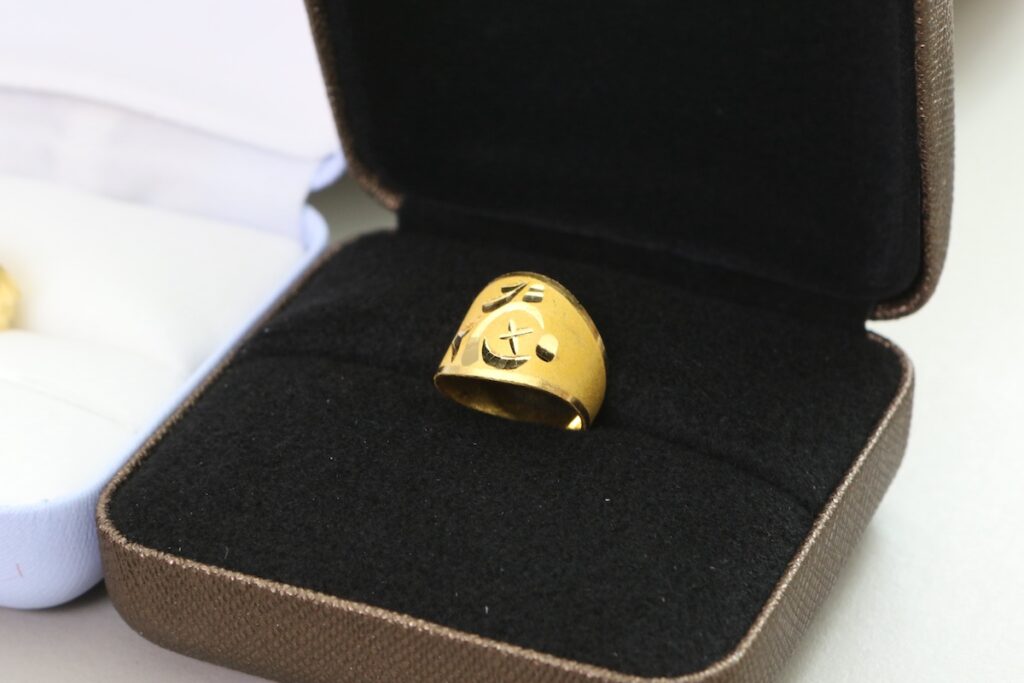
- The Gift (Money is King): While gold rings (Dol-banji) were traditional, today, cash is the standard. For a colleague, 50,000 to 100,000 KRW is appropriate. Put it in a clean white envelope.
- Dress Code: You don’t need a tuxedo. “Smart casual” or “Business casual” is perfect. Avoid wearing anything too flashy—the baby is the star!
- Arrival Time: Usually, there is a buffet. You can arrive at the start time, eat, and stay for the main ceremony (the Doljabi), which usually happens 30-60 minutes into the event.
5. The Gift Dilemma: Cash, Gold, or Toys?
This is the most common question I get from expat friends: “What do I bring?” In many Western cultures, we bring wrapped toys or baby clothes. In Korea, however, the tradition is much more practical and symbolic.
- The Power of the White Envelope: The most standard and appreciated gift is cash. This isn’t seen as impersonal; rather, it’s a way for the community to help the parents cover the costs of the party and save for the child’s future.
- How much? For a casual colleague, 50,000 KRW is standard. If you are close friends or a direct supervisor, 100,000 KRW or more is common.
- The Presentation: Always put the bills in a clean white envelope. You can find these at any convenience store or even at the entrance of the venue. Write your name vertically on the back-left side of the envelope.
- The “Dol-banji” (Gold Ring): If you are very close to the family, you might hear about people giving a 24k gold ring (3.75g, known as one don). Gold represents eternal value and health. While prices have skyrocketed, it remains the most prestigious gift.
- Can I bring a toy? You can, but it’s usually given in addition to the envelope, not instead of it. If you’re unsure, stick to the envelope.
6. Dress Code: How Formal is “Formal”?
You might see the baby and the parents in stunning, elaborate Hanbok, which might make you think you need a tuxedo or a ball gown. Don’t panic!
- For Guests: The general rule is “Smart Casual” or “Business Casual.” For men, a nice pair of slacks and a collared shirt (no tie needed) is perfect. For women, a simple dress or a blouse with a skirt/trousers works well.
- What to Avoid: Avoid wearing anything too casual like gym clothes, flip-flops, or overly distressed jeans. Also, try not to wear anything too flashy that might outshine the family. The goal is to look respectful and tidy.
7. The Feast: Navigating the Buffet Culture
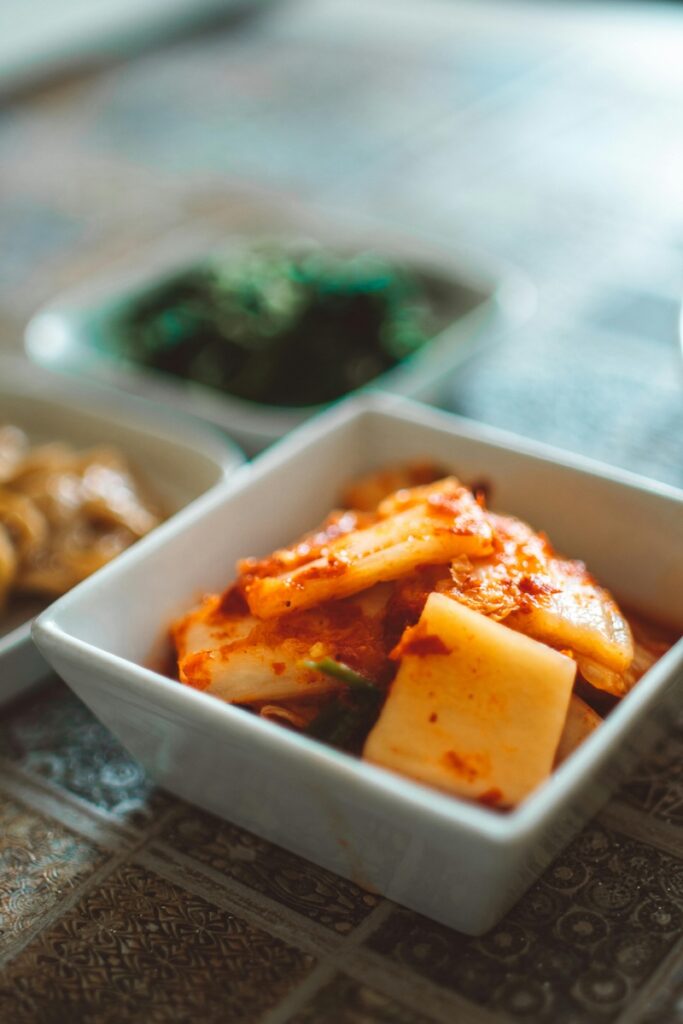
Most Doljanchis are held in specialized “Party Buffets” or hotel ballrooms. The food is a massive part of the celebration.
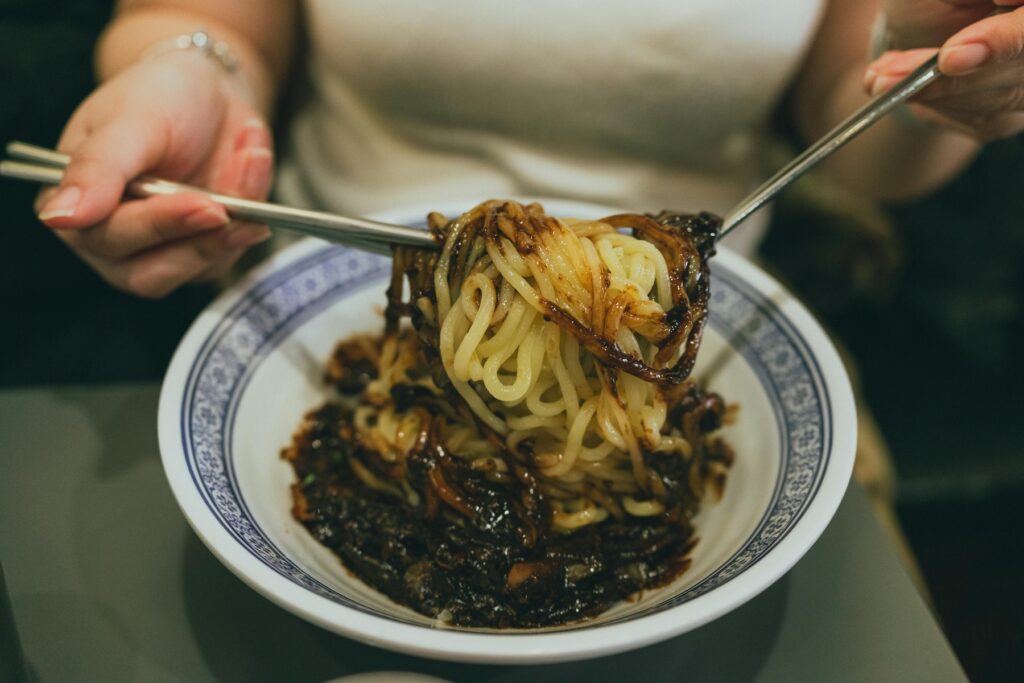
- The Buffet Experience: You will likely encounter a staggering array of food—from traditional Korean Janchi-guksu (feast noodles) and Galbi-jjim to sushi, pasta, and steak.
- When to Eat: Usually, you can start eating as soon as you arrive and check in at the reception desk. However, keep an eye on the stage. When the host (MC) starts the show and the Doljabi begins, it’s polite to stop eating or at least stop moving around the buffet line to show respect to the family.
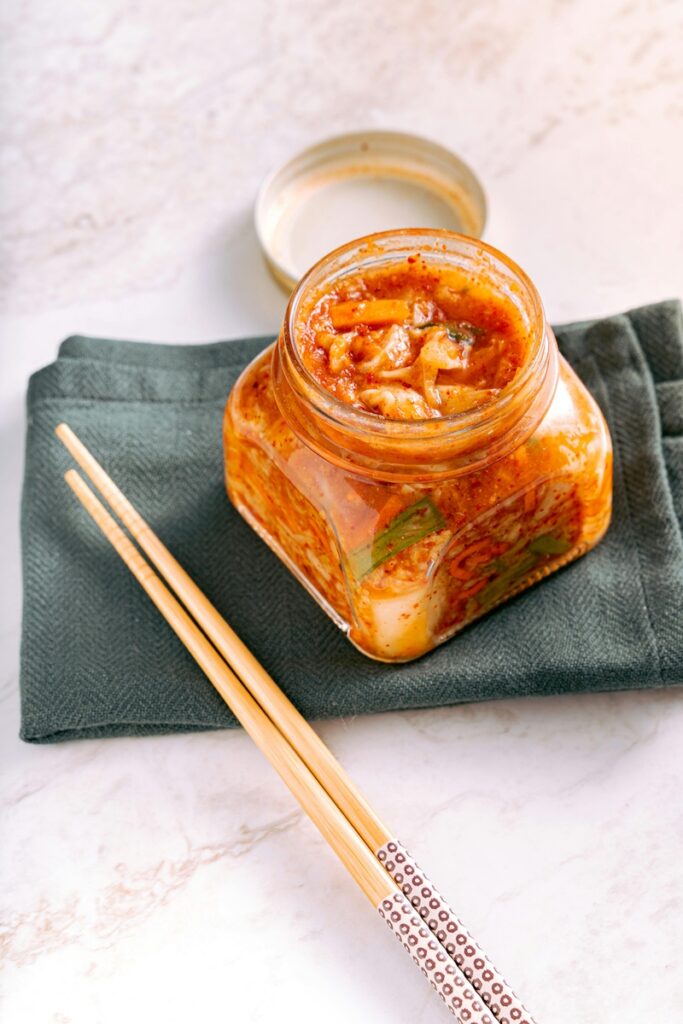
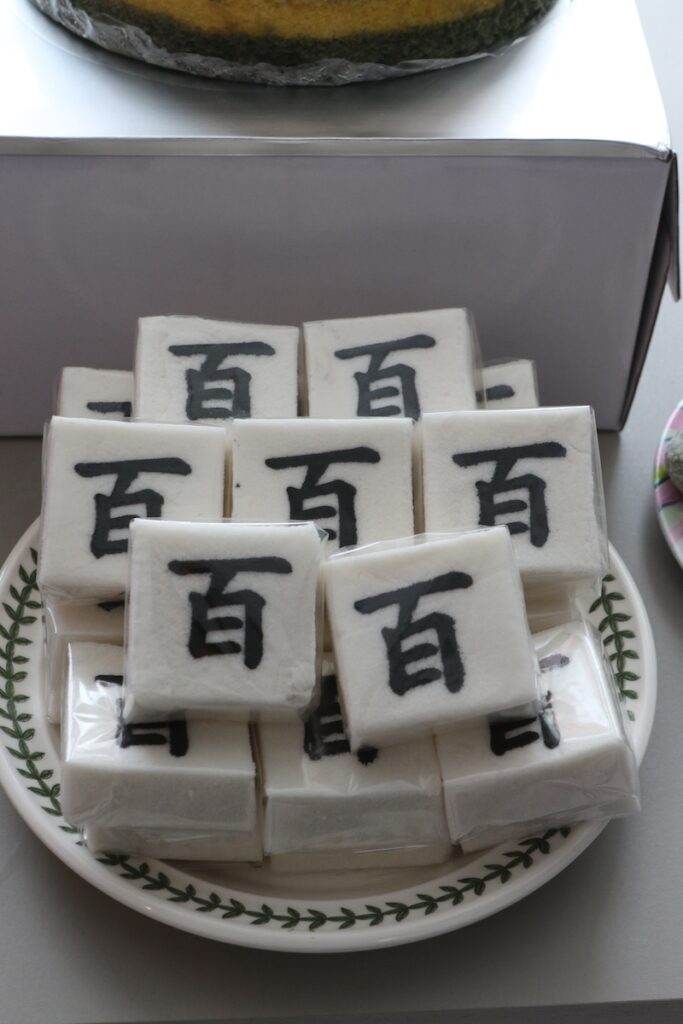
- The Signature Dish: Make sure to try the Rice Cakes (Tteok). They are colorful and symbolic, representing sharing the baby’s luck and health with all the guests.
8. Cultural Context: Why “One” is So Important
To truly appreciate this event, you have to understand its historical roots. In the past, due to poor medical conditions and seasonal hardships, many children didn’t survive their first year. Reaching the first birthday was a monumental victory. Even though Korea is now a global medical leader, the Doljanchi remains a deep-rooted tradition of gratitude and collective blessing for a new life. As an expat, when you attend, you aren’t just a guest; you are part of the “village” helping to raise that child.
9. Conclusion: Embracing the Warmth of Korean Community
Attending a Doljanchi might feel intimidating at first with its specific rules on envelopes and etiquette. However, once you sit down with a plate of food and hear the laughter during the Doljabi, you’ll realize that the heart of this celebration is universal: love for family and hope for the future.
Don’t let the fear of doing something “wrong” stop you from going. Koreans are incredibly gracious to expats who show up to celebrate their milestones. Just bring your white envelope, dress respectfully, and be ready to cheer when the baby grabs the gavel or the money. It’s these moments—the shared meals and the collective joy—that turn an expat’s “stay in Korea” into a “life in Korea.”